















SipsavorLife
  • Home
  • Wine
    The History, Culture, and Global Influence of Humanity’s Most Celebrated Beverage

    The Wine Revolution: How Modern Winemaking Transformed a Global Industry

    The History, Culture, and Global Influence of Humanity’s Most Celebrated Beverage

    Wine Styles of the World: A Complete Guide to Red, White, Rosé, Sparkling, and Fortified Wines

    The History, Culture, and Global Influence of Humanity’s Most Celebrated Beverage

    The Global Wine Industry: Markets, Trade, Tourism, and Economic Impact

    The History, Culture, and Global Influence of Humanity’s Most Celebrated Beverage

    The Science of Wine: Grapes, Fermentation, and Flavor Development

    The History, Culture, and Global Influence of Humanity’s Most Celebrated Beverage

    The History, Culture, and Global Influence of Humanity’s Most Celebrated Beverage

    The Cultural History of Wine: From Ancient Rituals to Modern Luxury

    The Psychology of Wine: Why Humans Associate Wine with Emotion, Memory, and Identity

  • Whiskey
    Can Beer Be an Effective Ingredient in Culinary Cooking?

    Can Beer Be an Effective Ingredient in Culinary Cooking?

    Second Fermentation in Champagne: Is It Really That Crucial?

    Second Fermentation in Champagne: Is It Really That Crucial?

    How Do Different Grains Impact the Flavor Profile of Distilled Spirits?

    How Do Different Grains Impact the Flavor Profile of Distilled Spirits?

    How Do Whiskey Master Blenders Create Perfection?

    How Do Whiskey Master Blenders Create Perfection?

    Wine Pairings: Can They Change the Flavor Profile of a Dish?

    Wine Pairings: Can They Change the Flavor Profile of a Dish?

    Beer the Ultimate Beverage for Pairing with Spicy Food?

    Beer the Ultimate Beverage for Pairing with Spicy Food?

  • Beer
    Malt Beer: Why Does Its Sweet Malty Aroma Always Bring Endless Satisfaction?

    The Craft Beer Revolution: How Independent Breweries Changed the World of Beer

    Beer: The World’s Oldest and Most Influential Beverage

    Beer Styles of the World: A Complete Guide to Lager, Ale, Stout, IPA, and Beyond

    Beer: The World’s Oldest and Most Influential Beverage

    The Global Beer Industry: Markets, Brands, and Economic Impact

    Beer: The World’s Oldest and Most Influential Beverage

    The Science of Beer: Ingredients, Fermentation, and Flavor

    Beer: The World’s Oldest and Most Influential Beverage

    Beer: The World’s Oldest and Most Influential Beverage

    Beer as a Cultural and Social Force: From Ancient Brew to Modern Identity

    Women in Brewing: The Untold History and Modern Transformation of Beer Culture

  • Grain Spirits
    Grain Spirits: The Origins, Science, and Global Evolution of Distilled Grain Alcohol

    Bourbon: America’s Native Grain Spirit and the Global Story of Corn, Oak, Fire, and Time

    Grain Spirits: The Origins, Science, and Global Evolution of Distilled Grain Alcohol

    Gin: Botanicals, History, Cocktail Culture, and the Artistic Evolution of the World’s Most Aromatic Grain Spirit

    Grain Spirits: The Origins, Science, and Global Evolution of Distilled Grain Alcohol

    Vodka: The Global Rise of the World’s Most Versatile Grain Spirit

    Grain Spirits: The Origins, Science, and Global Evolution of Distilled Grain Alcohol

    Whiskey and the Soul of Grain Spirits: History, Craftsmanship, Culture, and the Global Rise of the World’s Most Iconic Distilled Grain Beverage

    Grain Spirits: The Origins, Science, and Global Evolution of Distilled Grain Alcohol

    Grain Spirits: The Origins, Science, and Global Evolution of Distilled Grain Alcohol

    Grain Spirits Explained — The Foundation of Global Distillation

    The Future of Grain Spirits — Technology, Sustainability, and the Next Era of Distillation

  • Champagne
    Champagne: The Sparkling Wine That Changed Global Celebration Culture

    Dom Pérignon, Cristal, Krug, and Beyond: The World’s Most Famous Champagne Houses and Their Legacy

    Champagne Beyond Celebration: The History, Craftsmanship, and Global Influence of the World’s Most Iconic Sparkling Wine

    The Future of Champagne: Climate Change, Innovation, Sustainability, and the Next Era of Sparkling Wine

    Champagne Beyond Celebration: The History, Craftsmanship, and Global Influence of the World’s Most Iconic Sparkling Wine

    Champagne and Luxury Culture: How Sparkling Wine Became a Global Symbol of Wealth, Celebration, and Prestige

    Champagne Beyond Celebration: The History, Craftsmanship, and Global Influence of the World’s Most Iconic Sparkling Wine

    The Art of Champagne Production: Inside the Science, Skill, and Tradition Behind Every Bottle

    Champagne Beyond Celebration: The History, Craftsmanship, and Global Influence of the World’s Most Iconic Sparkling Wine

    Champagne Beyond Celebration: The History, Craftsmanship, and Global Influence of the World’s Most Iconic Sparkling Wine

    Champagne: The Sparkling Wine That Changed Global Celebration Culture

    Champagne vs Prosecco vs Cava: How the World’s Sparkling Wines Reflect Culture, Geography, and Taste

  • ALL
    Can Beer Be an Effective Ingredient in Culinary Cooking?

    Can Beer Be an Effective Ingredient in Culinary Cooking?

    Second Fermentation in Champagne: Is It Really That Crucial?

    Second Fermentation in Champagne: Is It Really That Crucial?

    How Do Different Grains Impact the Flavor Profile of Distilled Spirits?

    How Do Different Grains Impact the Flavor Profile of Distilled Spirits?

    How Do Whiskey Master Blenders Create Perfection?

    How Do Whiskey Master Blenders Create Perfection?

    Wine Pairings: Can They Change the Flavor Profile of a Dish?

    Wine Pairings: Can They Change the Flavor Profile of a Dish?

    Beer the Ultimate Beverage for Pairing with Spicy Food?

    Beer the Ultimate Beverage for Pairing with Spicy Food?

SipsavorLife
  • Home
  • Wine
    The History, Culture, and Global Influence of Humanity’s Most Celebrated Beverage

    The Wine Revolution: How Modern Winemaking Transformed a Global Industry

    The History, Culture, and Global Influence of Humanity’s Most Celebrated Beverage

    Wine Styles of the World: A Complete Guide to Red, White, Rosé, Sparkling, and Fortified Wines

    The History, Culture, and Global Influence of Humanity’s Most Celebrated Beverage

    The Global Wine Industry: Markets, Trade, Tourism, and Economic Impact

    The History, Culture, and Global Influence of Humanity’s Most Celebrated Beverage

    The Science of Wine: Grapes, Fermentation, and Flavor Development

    The History, Culture, and Global Influence of Humanity’s Most Celebrated Beverage

    The History, Culture, and Global Influence of Humanity’s Most Celebrated Beverage

    The Cultural History of Wine: From Ancient Rituals to Modern Luxury

    The Psychology of Wine: Why Humans Associate Wine with Emotion, Memory, and Identity

  • Whiskey
    Can Beer Be an Effective Ingredient in Culinary Cooking?

    Can Beer Be an Effective Ingredient in Culinary Cooking?

    Second Fermentation in Champagne: Is It Really That Crucial?

    Second Fermentation in Champagne: Is It Really That Crucial?

    How Do Different Grains Impact the Flavor Profile of Distilled Spirits?

    How Do Different Grains Impact the Flavor Profile of Distilled Spirits?

    How Do Whiskey Master Blenders Create Perfection?

    How Do Whiskey Master Blenders Create Perfection?

    Wine Pairings: Can They Change the Flavor Profile of a Dish?

    Wine Pairings: Can They Change the Flavor Profile of a Dish?

    Beer the Ultimate Beverage for Pairing with Spicy Food?

    Beer the Ultimate Beverage for Pairing with Spicy Food?

  • Beer
    Malt Beer: Why Does Its Sweet Malty Aroma Always Bring Endless Satisfaction?

    The Craft Beer Revolution: How Independent Breweries Changed the World of Beer

    Beer: The World’s Oldest and Most Influential Beverage

    Beer Styles of the World: A Complete Guide to Lager, Ale, Stout, IPA, and Beyond

    Beer: The World’s Oldest and Most Influential Beverage

    The Global Beer Industry: Markets, Brands, and Economic Impact

    Beer: The World’s Oldest and Most Influential Beverage

    The Science of Beer: Ingredients, Fermentation, and Flavor

    Beer: The World’s Oldest and Most Influential Beverage

    Beer: The World’s Oldest and Most Influential Beverage

    Beer as a Cultural and Social Force: From Ancient Brew to Modern Identity

    Women in Brewing: The Untold History and Modern Transformation of Beer Culture

  • Grain Spirits
    Grain Spirits: The Origins, Science, and Global Evolution of Distilled Grain Alcohol

    Bourbon: America’s Native Grain Spirit and the Global Story of Corn, Oak, Fire, and Time

    Grain Spirits: The Origins, Science, and Global Evolution of Distilled Grain Alcohol

    Gin: Botanicals, History, Cocktail Culture, and the Artistic Evolution of the World’s Most Aromatic Grain Spirit

    Grain Spirits: The Origins, Science, and Global Evolution of Distilled Grain Alcohol

    Vodka: The Global Rise of the World’s Most Versatile Grain Spirit

    Grain Spirits: The Origins, Science, and Global Evolution of Distilled Grain Alcohol

    Whiskey and the Soul of Grain Spirits: History, Craftsmanship, Culture, and the Global Rise of the World’s Most Iconic Distilled Grain Beverage

    Grain Spirits: The Origins, Science, and Global Evolution of Distilled Grain Alcohol

    Grain Spirits: The Origins, Science, and Global Evolution of Distilled Grain Alcohol

    Grain Spirits Explained — The Foundation of Global Distillation

    The Future of Grain Spirits — Technology, Sustainability, and the Next Era of Distillation

  • Champagne
    Champagne: The Sparkling Wine That Changed Global Celebration Culture

    Dom Pérignon, Cristal, Krug, and Beyond: The World’s Most Famous Champagne Houses and Their Legacy

    Champagne Beyond Celebration: The History, Craftsmanship, and Global Influence of the World’s Most Iconic Sparkling Wine

    The Future of Champagne: Climate Change, Innovation, Sustainability, and the Next Era of Sparkling Wine

    Champagne Beyond Celebration: The History, Craftsmanship, and Global Influence of the World’s Most Iconic Sparkling Wine

    Champagne and Luxury Culture: How Sparkling Wine Became a Global Symbol of Wealth, Celebration, and Prestige

    Champagne Beyond Celebration: The History, Craftsmanship, and Global Influence of the World’s Most Iconic Sparkling Wine

    The Art of Champagne Production: Inside the Science, Skill, and Tradition Behind Every Bottle

    Champagne Beyond Celebration: The History, Craftsmanship, and Global Influence of the World’s Most Iconic Sparkling Wine

    Champagne Beyond Celebration: The History, Craftsmanship, and Global Influence of the World’s Most Iconic Sparkling Wine

    Champagne: The Sparkling Wine That Changed Global Celebration Culture

    Champagne vs Prosecco vs Cava: How the World’s Sparkling Wines Reflect Culture, Geography, and Taste

  • ALL
    Can Beer Be an Effective Ingredient in Culinary Cooking?

    Can Beer Be an Effective Ingredient in Culinary Cooking?

    Second Fermentation in Champagne: Is It Really That Crucial?

    Second Fermentation in Champagne: Is It Really That Crucial?

    How Do Different Grains Impact the Flavor Profile of Distilled Spirits?

    How Do Different Grains Impact the Flavor Profile of Distilled Spirits?

    How Do Whiskey Master Blenders Create Perfection?

    How Do Whiskey Master Blenders Create Perfection?

    Wine Pairings: Can They Change the Flavor Profile of a Dish?

    Wine Pairings: Can They Change the Flavor Profile of a Dish?

    Beer the Ultimate Beverage for Pairing with Spicy Food?

    Beer the Ultimate Beverage for Pairing with Spicy Food?

SipsavorLife
No Result
View All Result
Home ALL

What Makes Yamazaki Whisky Stand Out in Terms of Flavor and Characteristics?

January 15, 2025
in ALL, Whiskey
What Makes Yamazaki Whisky Stand Out in Terms of Flavor and Characteristics?

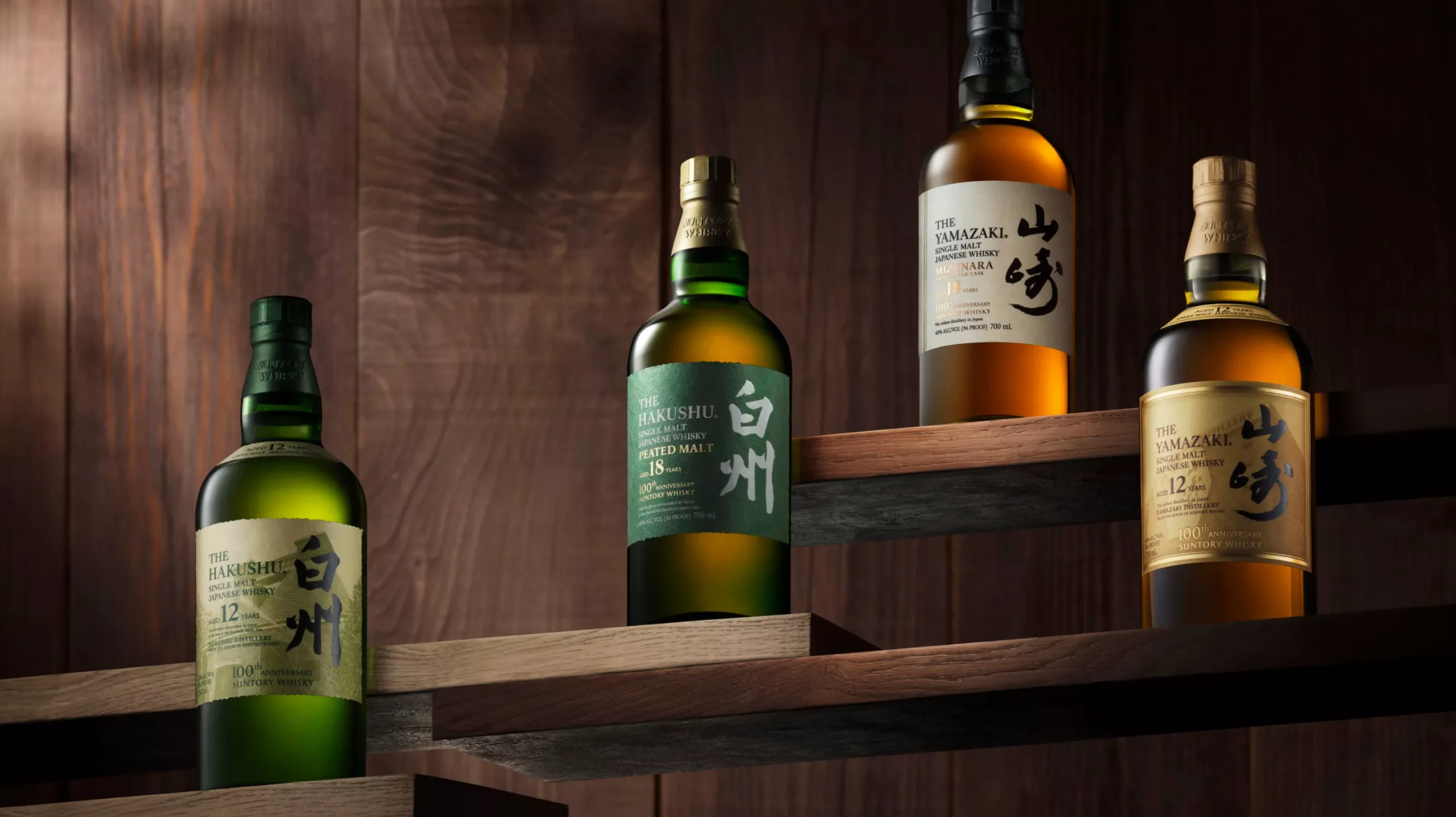
Yamazaki whisky is a beacon of Japanese craftsmanship, renowned for its complexity, subtlety, and distinctive flavor profiles. Since its establishment in 1923, the Yamazaki distillery has been at the forefront of the Japanese whisky revolution, creating single malts that have captivated whisky enthusiasts worldwide. But what exactly makes Yamazaki whisky unique? How do the flavors and characteristics differ from Scotch and other international whiskies, and what factors contribute to the exceptional quality of Yamazaki?

In this article, we will explore the diverse flavors and characteristics of Yamazaki whisky, examining the key elements that define its taste and aroma. From the distillery’s choice of ingredients, to its innovative aging techniques, to the influence of the unique climate in Japan—every aspect of the production process has an impact on the final whisky. By analyzing the different expressions of Yamazaki, including the 12-year-old, 18-year-old, and rare editions, we will gain a deeper understanding of what sets this iconic whisky apart.


Chapter 1: The Elements That Shape Yamazaki’s Flavor Profile

1.1 The Role of Water in Whisky Production

The mineral-rich water sourced from the Yamazaki region’s natural springs is a crucial element in the production of Yamazaki whisky. Water, often overlooked in discussions of whisky flavor, plays a significant role in shaping the final product. The soft, pure water from the surrounding mountains helps to produce a smooth, delicate spirit that is one of the defining characteristics of Yamazaki. The water is used not only in the mashing and fermentation processes but also influences the overall balance of the whisky’s flavor, creating a base upon which the other elements can shine.

1.2 The Influence of Barley and Mash Bill

Yamazaki whisky is made primarily from malted barley, which gives it its smooth, rich texture. The barley is sourced from local farms, and the use of different barley varieties can subtly influence the flavor profile of each batch. The choice of yeast strains during fermentation also plays a key role in developing the fruity and floral aromas that characterize Yamazaki whisky. The distillery’s careful attention to its mash bill ensures that the resulting whisky is balanced, nuanced, and rich in both flavor and mouthfeel.

1.3 The Distillation Process – Pot Stills vs. Continuous Stills

Yamazaki employs pot stills for the distillation of its whisky, allowing for a slower, more controlled process that results in greater complexity and depth of flavor. This traditional method of distillation is crucial for bringing out the delicate floral notes, smooth texture, and fruity aromas that are signature to Yamazaki. In comparison to continuous stills, which can produce a more neutral spirit, pot stills enable the whisky to capture a broader range of flavors during the distillation process.


Chapter 2: The Aging Process – How Yamazaki’s Barrels Influence Flavor

2.1 The Impact of Mizunara Oak

One of the most distinctive aspects of Yamazaki whisky is its use of Mizunara oak for aging. Mizunara oak is native to Japan, and its use imparts unique characteristics to the whisky. The oak gives the whisky a soft, spicy note with hints of sandalwood, coconut, and oriental incense, creating a smooth, complex flavor profile that is unmistakably Yamazaki.

The Mizunara oak barrels are much more porous than their American and European counterparts, which allows the whisky to interact more deeply with the wood. This gives the whisky an additional layer of depth and complexity, often making it more aromatic and full-bodied. While not all Yamazaki expressions are aged in Mizunara oak, those that are reveal the power of this wood in shaping the character of the whisky.

2.2 The Role of American and European Oak Barrels

In addition to Mizunara oak, Yamazaki also uses a combination of American oak barrels (ex-bourbon casks) and European oak casks (often sherry casks). Each type of barrel imparts its own characteristics to the whisky.

  • American oak barrels are known for contributing notes of vanilla, caramel, and coconut. These casks add a sweetness and smoothness to the whisky that complements the more complex flavors developed in other cask types.
  • European oak barrels contribute rich, fruity flavors, including dried fruits, nuts, and spices. These barrels are commonly used to age sherry or wine, and their influence on Yamazaki whisky is evident in expressions like the Yamazaki 18-Year-Old, which has a characteristic deep fruitiness with a hint of spice and oak.

2.3 The Effect of the Japanese Climate on Aging

Japan’s climate—characterized by distinct seasonal changes—also plays a significant role in the aging process of Yamazaki whisky. The humid summers and cold winters create a dynamic aging environment, allowing the whisky to expand and contract within the barrels at a faster rate compared to the cooler, more stable climate of Scotland.

The increased interaction between the whisky and the wood accelerates the extraction of flavors, contributing to the whisky’s complexity. The humid climate also enhances the fruity, floral notes, while the cold winters help maintain the crispness and balance of the spirit.

Chapter 3: The Distinctive Flavor Profiles of Yamazaki’s Core Expressions

3.1 Yamazaki 12-Year-Old – A Balanced and Elegant Whisky

The Yamazaki 12-Year-Old is one of the distillery’s most beloved expressions and is considered a quintessential example of Japanese whisky. Known for its balance and subtlety, it has a smooth texture with flavors of honey, vanilla, and fruit, accompanied by a light oak influence. The 12-year aging process allows for a harmonious integration of the sweet, fruity elements and the wood’s more complex spices, creating a whisky that is approachable yet sophisticated.

The flavor profile of the Yamazaki 12 is often described as delicate and nuanced, with hints of apple, pear, and a touch of cinnamon. It’s an ideal whisky for those new to the world of Japanese whisky, as it provides an accessible introduction to the depth and elegance that Yamazaki is known for.

3.2 Yamazaki 18-Year-Old – A Rich and Complex Expression

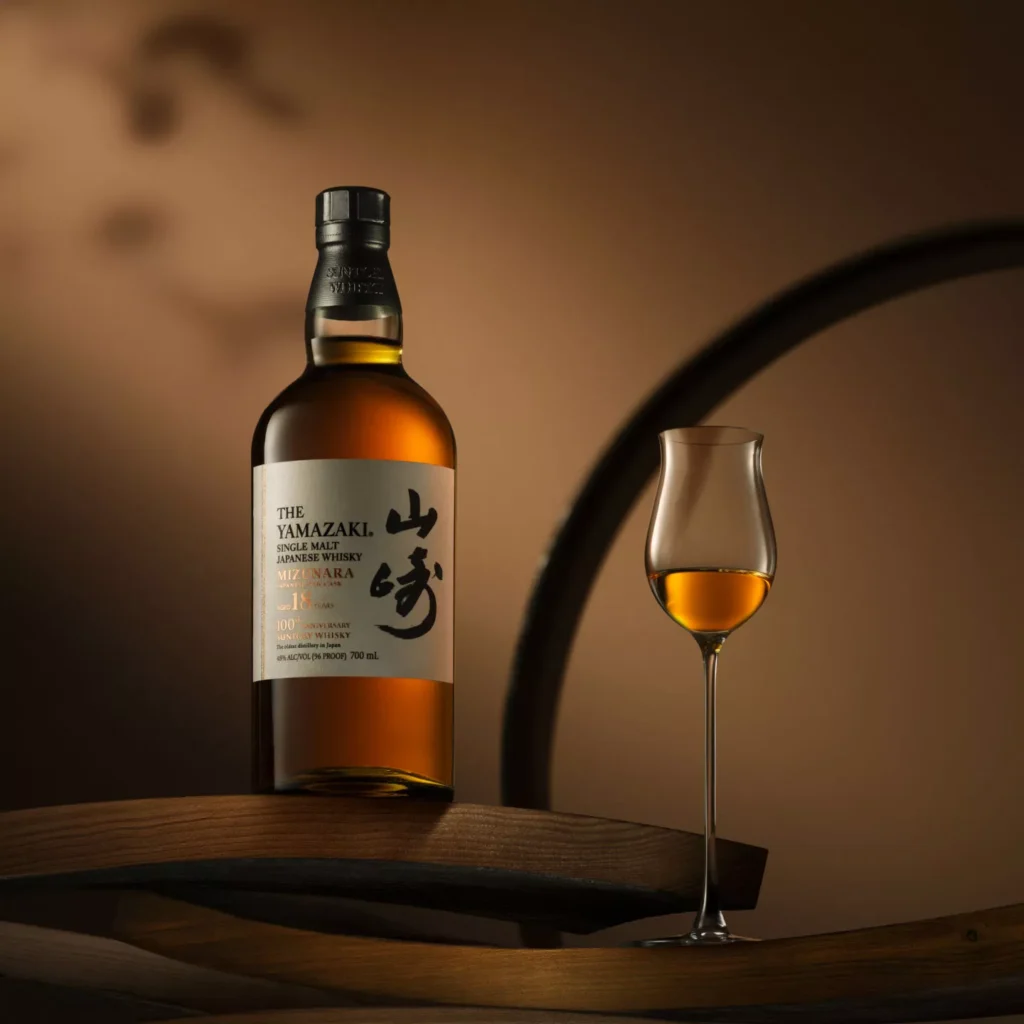
The Yamazaki 18-Year-Old is a deeper, more complex expression of Yamazaki whisky. Aged for longer in a mix of American, European, and Mizunara oak barrels, this whisky reveals a greater depth of flavor. The extended aging imparts rich notes of dark chocolate, dried fruits (like raisins and prunes), and a subtle spiciness from the oak.

The 18-year-old is known for its well-rounded profile, with layers of complexity that evolve on the palate. The presence of Mizunara oak adds a unique oriental spice and woodiness that balances the sweetness of the fruit and chocolate. This expression is often enjoyed by more experienced whisky drinkers who appreciate its depth and intensity.

3.3 Limited Editions – Unique Flavors and Experiments

In addition to the core expressions, Yamazaki regularly releases limited-edition whiskies that experiment with different aging processes, cask types, and maturation lengths. These special releases offer a chance to experience new flavor combinations and profiles that showcase the distillery’s ongoing commitment to innovation.

For example, Yamazaki has experimented with aging whisky in barrels that once held rare wines or sake, producing whiskies with complex fruit-forward flavors and unique characteristics. These limited-edition expressions provide connoisseurs with a rare opportunity to taste something truly unique, further cementing Yamazaki’s reputation as a distillery committed to pushing the boundaries of whisky-making.


Chapter 4: Tasting Notes – How to Appreciate Yamazaki’s Complexity

4.1 The Aroma – First Impressions Matter

The first step in appreciating Yamazaki whisky is to engage with its aroma. Each expression offers a unique scent, from floral and fruity notes in the younger whiskies to richer, deeper scents in the older versions. The interplay of wood, fruit, and spice is key to unlocking the whisky’s character.

4.2 The Palate – Layers of Flavor

On the palate, Yamazaki whiskies are known for their smooth, silky texture and complex flavor profiles. The interplay of sweetness, fruitiness, spice, and oak makes each sip a journey. From the delicate flavors of honey and citrus in the Yamazaki 12-Year-Old to the dark, rich fruits and spices of the Yamazaki 18-Year-Old, there’s something for every whisky lover to appreciate.

4.3 The Finish – A Lasting Impression

The finish of Yamazaki whisky is another defining characteristic. While younger expressions tend to have a clean, light finish, older expressions like the 18-Year-Old often have a long, lingering aftertaste, with layers of complexity that continue to evolve after each sip.


Chapter 5: The Global Appeal of Yamazaki – A Whisky for Connoisseurs

Yamazaki’s unique flavor and characteristics have earned it a place at the top of the whisky world. Its ability to balance complexity with elegance, and innovation with tradition, has made it a favorite among whisky connoisseurs and casual drinkers alike.

As Yamazaki’s global appeal grows, it continues to shape the future of Japanese whisky, proving that the harmony between nature, craftsmanship, and innovation can result in a truly world-class spirit.


Conclusion: Why Is Yamazaki Whisky So Highly Regarded for Its Flavor and Characteristics?

Yamazaki whisky is a testament to the skill and artistry of Japanese whisky makers. Its flavor profile, shaped by the distillery’s commitment to using high-quality ingredients, traditional production methods, and innovative aging techniques, is a key reason why it has gained such a strong following around the world.

Whether you’re sipping the delicate Yamazaki 12-Year-Old or enjoying the complex and rich flavors of the 18-Year-Old, Yamazaki offers a whisky experience unlike any other. By understanding the factors that contribute to its flavor and characteristics, whisky enthusiasts can gain a deeper appreciation for the craftsmanship behind this iconic brand.
Tags: characteristicsCultureflavorHealthHistoryInnovationluxury
ShareTweetShare

Related Posts

Why Is Bourbon Only Made in the U.S.?
Whiskey

Luxury Whiskey and the Collector Market: Rarity, Investment, and the Global Obsession

May 24, 2026
The Art of Whiskey: Tradition, Craft, and the Global Renaissance
Whiskey

The Science Behind Aging Whiskey: Time, Wood, Chemistry, and Transformation

May 24, 2026
The Art of Whiskey: Tradition, Craft, and the Global Renaissance
Whiskey

Bourbon Culture in America: History, Identity, and the Spirit of the South

May 24, 2026
The Art of Whiskey: Tradition, Craft, and the Global Renaissance
Whiskey

The Rise of Japanese Whisky: Tradition, Precision, and Global Influence

May 24, 2026
The Art of Whiskey: Tradition, Craft, and the Global Renaissance
Whiskey

The Art of Whiskey: Tradition, Craft, and the Global Renaissance

May 24, 2026
The History of Whisky — From Monastic Origins to Global Industry
Whiskey

The Future of Whisky — Innovation, Sustainability, and Global Trends

April 25, 2026
Leave Comment
  • Trending
  • Comments
  • Latest
Role of Terroir in Champagne Production

Role of Terroir in Champagne Production

January 19, 2026
Champagne Can Be Aged in Wood?

Champagne Can Be Aged in Wood?

January 18, 2026
Is Organic Wine Healthier Than Conventional Wine?

Is Organic Wine Healthier Than Conventional Wine?

January 20, 2026
Why Do Some Champagnes Use a High Proportion of Pinot Meunier?

Why Do Some Champagnes Use a High Proportion of Pinot Meunier?

January 20, 2026
The Timeless Elegance of Wine: A Journey Through History and Culture

The Timeless Elegance of Wine: A Journey Through History and Culture

Why Is Château Lafite Rothschild the Pinnacle of Fine Wine?

Why Is Château Lafite Rothschild the Pinnacle of Fine Wine?

How Did Château Lafite Rothschild Become a Global Icon of Luxury?

How Did Château Lafite Rothschild Become a Global Icon of Luxury?

What Makes Chateau Lafite Rothschild the Pinnacle of Bordeaux Wines?

What Makes Chateau Lafite Rothschild the Pinnacle of Bordeaux Wines?

The History, Culture, and Global Influence of Humanity’s Most Celebrated Beverage

The Wine Revolution: How Modern Winemaking Transformed a Global Industry

June 3, 2026
The History, Culture, and Global Influence of Humanity’s Most Celebrated Beverage

Wine Styles of the World: A Complete Guide to Red, White, Rosé, Sparkling, and Fortified Wines

June 3, 2026
The History, Culture, and Global Influence of Humanity’s Most Celebrated Beverage

The Global Wine Industry: Markets, Trade, Tourism, and Economic Impact

June 3, 2026
The History, Culture, and Global Influence of Humanity’s Most Celebrated Beverage

The Science of Wine: Grapes, Fermentation, and Flavor Development

June 3, 2026
SipsavorLife

Welcome to our comprehensive beverage guide, where you can explore the fascinating world of alcoholic drinks. From exquisite wines and rich whiskeys to refreshing beers and sparkling champagnes, we provide insights, tips, and recommendations for enthusiasts and casual drinkers alike. Discover your next favorite libation with us!

© 2025 sipsavorlife.com. contacts:sipsavorlife-35376@gmail.com

No Result
View All Result
  • Home
  • Wine
  • Whiskey
  • Beer
  • Grain Spirits
  • Champagne
  • ALL

© 2025 sipsavorlife.com. contacts:sipsavorlife-35376@gmail.com

Welcome Back!

Login to your account below

Forgotten Password?

Retrieve your password

Please enter your username or email address to reset your password.

Log In