









SipsavorLife
  • Home
  • Wine
    The History, Culture, and Global Influence of Humanity’s Most Celebrated Beverage

    The Wine Revolution: How Modern Winemaking Transformed a Global Industry

    The History, Culture, and Global Influence of Humanity’s Most Celebrated Beverage

    Wine Styles of the World: A Complete Guide to Red, White, Rosé, Sparkling, and Fortified Wines

    The History, Culture, and Global Influence of Humanity’s Most Celebrated Beverage

    The Global Wine Industry: Markets, Trade, Tourism, and Economic Impact

    The History, Culture, and Global Influence of Humanity’s Most Celebrated Beverage

    The Science of Wine: Grapes, Fermentation, and Flavor Development

    The History, Culture, and Global Influence of Humanity’s Most Celebrated Beverage

    The History, Culture, and Global Influence of Humanity’s Most Celebrated Beverage

    The Cultural History of Wine: From Ancient Rituals to Modern Luxury

    The Psychology of Wine: Why Humans Associate Wine with Emotion, Memory, and Identity

  • Whiskey
    Can Beer Be an Effective Ingredient in Culinary Cooking?

    Can Beer Be an Effective Ingredient in Culinary Cooking?

    Second Fermentation in Champagne: Is It Really That Crucial?

    Second Fermentation in Champagne: Is It Really That Crucial?

    How Do Different Grains Impact the Flavor Profile of Distilled Spirits?

    How Do Different Grains Impact the Flavor Profile of Distilled Spirits?

    How Do Whiskey Master Blenders Create Perfection?

    How Do Whiskey Master Blenders Create Perfection?

    Wine Pairings: Can They Change the Flavor Profile of a Dish?

    Wine Pairings: Can They Change the Flavor Profile of a Dish?

    Beer the Ultimate Beverage for Pairing with Spicy Food?

    Beer the Ultimate Beverage for Pairing with Spicy Food?

  • Beer
    Malt Beer: Why Does Its Sweet Malty Aroma Always Bring Endless Satisfaction?

    The Craft Beer Revolution: How Independent Breweries Changed the World of Beer

    Beer: The World’s Oldest and Most Influential Beverage

    Beer Styles of the World: A Complete Guide to Lager, Ale, Stout, IPA, and Beyond

    Beer: The World’s Oldest and Most Influential Beverage

    The Global Beer Industry: Markets, Brands, and Economic Impact

    Beer: The World’s Oldest and Most Influential Beverage

    The Science of Beer: Ingredients, Fermentation, and Flavor

    Beer: The World’s Oldest and Most Influential Beverage

    Beer: The World’s Oldest and Most Influential Beverage

    Beer as a Cultural and Social Force: From Ancient Brew to Modern Identity

    Women in Brewing: The Untold History and Modern Transformation of Beer Culture

  • Grain Spirits
    Grain Spirits: The Origins, Science, and Global Evolution of Distilled Grain Alcohol

    Bourbon: America’s Native Grain Spirit and the Global Story of Corn, Oak, Fire, and Time

    Grain Spirits: The Origins, Science, and Global Evolution of Distilled Grain Alcohol

    Gin: Botanicals, History, Cocktail Culture, and the Artistic Evolution of the World’s Most Aromatic Grain Spirit

    Grain Spirits: The Origins, Science, and Global Evolution of Distilled Grain Alcohol

    Vodka: The Global Rise of the World’s Most Versatile Grain Spirit

    Grain Spirits: The Origins, Science, and Global Evolution of Distilled Grain Alcohol

    Whiskey and the Soul of Grain Spirits: History, Craftsmanship, Culture, and the Global Rise of the World’s Most Iconic Distilled Grain Beverage

    Grain Spirits: The Origins, Science, and Global Evolution of Distilled Grain Alcohol

    Grain Spirits: The Origins, Science, and Global Evolution of Distilled Grain Alcohol

    Grain Spirits Explained — The Foundation of Global Distillation

    The Future of Grain Spirits — Technology, Sustainability, and the Next Era of Distillation

  • Champagne
    Champagne: The Sparkling Wine That Changed Global Celebration Culture

    Dom Pérignon, Cristal, Krug, and Beyond: The World’s Most Famous Champagne Houses and Their Legacy

    Champagne Beyond Celebration: The History, Craftsmanship, and Global Influence of the World’s Most Iconic Sparkling Wine

    The Future of Champagne: Climate Change, Innovation, Sustainability, and the Next Era of Sparkling Wine

    Champagne Beyond Celebration: The History, Craftsmanship, and Global Influence of the World’s Most Iconic Sparkling Wine

    Champagne and Luxury Culture: How Sparkling Wine Became a Global Symbol of Wealth, Celebration, and Prestige

    Champagne Beyond Celebration: The History, Craftsmanship, and Global Influence of the World’s Most Iconic Sparkling Wine

    The Art of Champagne Production: Inside the Science, Skill, and Tradition Behind Every Bottle

    Champagne Beyond Celebration: The History, Craftsmanship, and Global Influence of the World’s Most Iconic Sparkling Wine

    Champagne Beyond Celebration: The History, Craftsmanship, and Global Influence of the World’s Most Iconic Sparkling Wine

    Champagne: The Sparkling Wine That Changed Global Celebration Culture

    Champagne vs Prosecco vs Cava: How the World’s Sparkling Wines Reflect Culture, Geography, and Taste

  • ALL
    Can Beer Be an Effective Ingredient in Culinary Cooking?

    Can Beer Be an Effective Ingredient in Culinary Cooking?

    Second Fermentation in Champagne: Is It Really That Crucial?

    Second Fermentation in Champagne: Is It Really That Crucial?

    How Do Different Grains Impact the Flavor Profile of Distilled Spirits?

    How Do Different Grains Impact the Flavor Profile of Distilled Spirits?

    How Do Whiskey Master Blenders Create Perfection?

    How Do Whiskey Master Blenders Create Perfection?

    Wine Pairings: Can They Change the Flavor Profile of a Dish?

    Wine Pairings: Can They Change the Flavor Profile of a Dish?

    Beer the Ultimate Beverage for Pairing with Spicy Food?

    Beer the Ultimate Beverage for Pairing with Spicy Food?

SipsavorLife
  • Home
  • Wine
    The History, Culture, and Global Influence of Humanity’s Most Celebrated Beverage

    The Wine Revolution: How Modern Winemaking Transformed a Global Industry

    The History, Culture, and Global Influence of Humanity’s Most Celebrated Beverage

    Wine Styles of the World: A Complete Guide to Red, White, Rosé, Sparkling, and Fortified Wines

    The History, Culture, and Global Influence of Humanity’s Most Celebrated Beverage

    The Global Wine Industry: Markets, Trade, Tourism, and Economic Impact

    The History, Culture, and Global Influence of Humanity’s Most Celebrated Beverage

    The Science of Wine: Grapes, Fermentation, and Flavor Development

    The History, Culture, and Global Influence of Humanity’s Most Celebrated Beverage

    The History, Culture, and Global Influence of Humanity’s Most Celebrated Beverage

    The Cultural History of Wine: From Ancient Rituals to Modern Luxury

    The Psychology of Wine: Why Humans Associate Wine with Emotion, Memory, and Identity

  • Whiskey
    Can Beer Be an Effective Ingredient in Culinary Cooking?

    Can Beer Be an Effective Ingredient in Culinary Cooking?

    Second Fermentation in Champagne: Is It Really That Crucial?

    Second Fermentation in Champagne: Is It Really That Crucial?

    How Do Different Grains Impact the Flavor Profile of Distilled Spirits?

    How Do Different Grains Impact the Flavor Profile of Distilled Spirits?

    How Do Whiskey Master Blenders Create Perfection?

    How Do Whiskey Master Blenders Create Perfection?

    Wine Pairings: Can They Change the Flavor Profile of a Dish?

    Wine Pairings: Can They Change the Flavor Profile of a Dish?

    Beer the Ultimate Beverage for Pairing with Spicy Food?

    Beer the Ultimate Beverage for Pairing with Spicy Food?

  • Beer
    Malt Beer: Why Does Its Sweet Malty Aroma Always Bring Endless Satisfaction?

    The Craft Beer Revolution: How Independent Breweries Changed the World of Beer

    Beer: The World’s Oldest and Most Influential Beverage

    Beer Styles of the World: A Complete Guide to Lager, Ale, Stout, IPA, and Beyond

    Beer: The World’s Oldest and Most Influential Beverage

    The Global Beer Industry: Markets, Brands, and Economic Impact

    Beer: The World’s Oldest and Most Influential Beverage

    The Science of Beer: Ingredients, Fermentation, and Flavor

    Beer: The World’s Oldest and Most Influential Beverage

    Beer: The World’s Oldest and Most Influential Beverage

    Beer as a Cultural and Social Force: From Ancient Brew to Modern Identity

    Women in Brewing: The Untold History and Modern Transformation of Beer Culture

  • Grain Spirits
    Grain Spirits: The Origins, Science, and Global Evolution of Distilled Grain Alcohol

    Bourbon: America’s Native Grain Spirit and the Global Story of Corn, Oak, Fire, and Time

    Grain Spirits: The Origins, Science, and Global Evolution of Distilled Grain Alcohol

    Gin: Botanicals, History, Cocktail Culture, and the Artistic Evolution of the World’s Most Aromatic Grain Spirit

    Grain Spirits: The Origins, Science, and Global Evolution of Distilled Grain Alcohol

    Vodka: The Global Rise of the World’s Most Versatile Grain Spirit

    Grain Spirits: The Origins, Science, and Global Evolution of Distilled Grain Alcohol

    Whiskey and the Soul of Grain Spirits: History, Craftsmanship, Culture, and the Global Rise of the World’s Most Iconic Distilled Grain Beverage

    Grain Spirits: The Origins, Science, and Global Evolution of Distilled Grain Alcohol

    Grain Spirits: The Origins, Science, and Global Evolution of Distilled Grain Alcohol

    Grain Spirits Explained — The Foundation of Global Distillation

    The Future of Grain Spirits — Technology, Sustainability, and the Next Era of Distillation

  • Champagne
    Champagne: The Sparkling Wine That Changed Global Celebration Culture

    Dom Pérignon, Cristal, Krug, and Beyond: The World’s Most Famous Champagne Houses and Their Legacy

    Champagne Beyond Celebration: The History, Craftsmanship, and Global Influence of the World’s Most Iconic Sparkling Wine

    The Future of Champagne: Climate Change, Innovation, Sustainability, and the Next Era of Sparkling Wine

    Champagne Beyond Celebration: The History, Craftsmanship, and Global Influence of the World’s Most Iconic Sparkling Wine

    Champagne and Luxury Culture: How Sparkling Wine Became a Global Symbol of Wealth, Celebration, and Prestige

    Champagne Beyond Celebration: The History, Craftsmanship, and Global Influence of the World’s Most Iconic Sparkling Wine

    The Art of Champagne Production: Inside the Science, Skill, and Tradition Behind Every Bottle

    Champagne Beyond Celebration: The History, Craftsmanship, and Global Influence of the World’s Most Iconic Sparkling Wine

    Champagne Beyond Celebration: The History, Craftsmanship, and Global Influence of the World’s Most Iconic Sparkling Wine

    Champagne: The Sparkling Wine That Changed Global Celebration Culture

    Champagne vs Prosecco vs Cava: How the World’s Sparkling Wines Reflect Culture, Geography, and Taste

  • ALL
    Can Beer Be an Effective Ingredient in Culinary Cooking?

    Can Beer Be an Effective Ingredient in Culinary Cooking?

    Second Fermentation in Champagne: Is It Really That Crucial?

    Second Fermentation in Champagne: Is It Really That Crucial?

    How Do Different Grains Impact the Flavor Profile of Distilled Spirits?

    How Do Different Grains Impact the Flavor Profile of Distilled Spirits?

    How Do Whiskey Master Blenders Create Perfection?

    How Do Whiskey Master Blenders Create Perfection?

    Wine Pairings: Can They Change the Flavor Profile of a Dish?

    Wine Pairings: Can They Change the Flavor Profile of a Dish?

    Beer the Ultimate Beverage for Pairing with Spicy Food?

    Beer the Ultimate Beverage for Pairing with Spicy Food?

SipsavorLife
No Result
View All Result
Home ALL

What Makes the Flavors and Characteristics of Johnnie Walker Whisky So Unique?

January 15, 2025
in ALL, Whiskey
What Makes the Flavors and Characteristics of Johnnie Walker Whisky So Unique?

Introduction: The Complexity and Charm of Johnnie Walker Whisky

Johnnie Walker, one of the most recognized names in the world of whisky, has established itself as a symbol of quality, craftsmanship, and innovation. As a global leader in the Scotch whisky industry, it is known for a wide variety of expressions, each with distinct flavor profiles and characteristics. From the classic Red Label to the luxurious Blue Label, Johnnie Walker offers a diverse range of blends, each with its own story and appeal.

The flavors of Johnnie Walker whisky are what make it stand out in the crowded world of Scotch whisky. These flavors are not just the result of the ingredients used but also the meticulous blending process, the craftsmanship, and the years of tradition and expertise passed down through generations. What makes Johnnie Walker truly unique is its ability to balance complexity, smoothness, and depth in each of its offerings, making it a favorite among whisky connoisseurs and casual drinkers alike.

This article will take you through the various flavors and characteristics of Johnnie Walker’s range of whiskies, exploring how they are created, what makes them special, and what they offer to the discerning palate. Whether you are new to whisky or an experienced enthusiast, understanding the flavors of Johnnie Walker will give you a deeper appreciation for one of the finest brands in the world of spirits.


Chapter 1: The Essence of Johnnie Walker Whisky – What Defines Its Flavor Profile?

The Core Ingredients: The Building Blocks of Flavor

At the heart of every bottle of Johnnie Walker whisky are its primary ingredients: malted barley, grain, water, and yeast. Each of these ingredients plays a crucial role in defining the flavor and character of the whisky. The use of malted barley and grain whisky in the blends adds complexity, while the water sourced from Scotland’s purest springs brings a smoothness to the whisky.

The barley is carefully malted, and the grains are processed to extract the starches needed for fermentation. The resulting liquid is then distilled, with the distillation process itself contributing to the whisky’s flavor, as different distillation methods can produce varying levels of richness, depth, and character.

Water, which makes up a significant portion of the whisky, is essential for diluting the spirit to its desired strength. Scotland’s pure and soft water, combined with the traditional distillation techniques, is key to the smooth texture of Johnnie Walker whiskies.

Blending – The Heart of Johnnie Walker’s Flavor Complexity

What truly sets Johnnie Walker apart from many other whisky brands is its mastery in the art of blending. While many Scotch whiskies are made from a single distillery’s products, Johnnie Walker’s success lies in its ability to blend a variety of whiskies from different distilleries. These different single malts and grain whiskies are combined to achieve a harmonious balance of flavors.

The company’s skilled blenders, known as “Master Blenders,” have the critical task of selecting and combining whiskies to create the perfect balance of smoothness, richness, smokiness, and fruitiness, depending on the expression. For example, the Red Label is known for its bold, vibrant flavors, while the Blue Label is a more luxurious blend with complex, nuanced notes.


Chapter 2: The Signature Johnnie Walker Expressions – Exploring the Flavors of Each Label

Johnnie Walker Red Label – Bold and Vibrant

Johnnie Walker Red Label is the entry-level blend in the Johnnie Walker range, known for its bold and vibrant flavor. It is typically characterized by its spiciness, smokiness, and hints of fruitiness. The Red Label blend combines a variety of whiskies from different regions of Scotland, which contribute to its strong, straightforward flavor profile. The prominent notes of vanilla, dried fruit, and hints of oak give it an approachable character, while the peaty smokiness adds a distinctive edge.

Red Label is often described as having a youthful, lively character, with a slight bite on the palate, making it an ideal whisky for cocktails and mixed drinks. Its bold flavors are designed to stand out, even when diluted with mixers such as soda, ginger ale, or lemonade.

Johnnie Walker Black Label – Smooth and Balanced

The Johnnie Walker Black Label, introduced in 1909, is one of the most iconic blended Scotch whiskies in the world. It is a more refined blend compared to the Red Label, with a focus on balance and complexity. Black Label is known for its smoothness, with deep, rich flavors of dried fruit, vanilla, and a touch of smokiness. The blend includes whiskies that have been aged for at least 12 years, contributing to its well-rounded character.

The Black Label also features subtle flavors of spice, oak, and honey, with the smoky notes coming from the inclusion of peaty malts. This whisky is often described as sophisticated and approachable, with a balance of sweetness and smokiness that appeals to both novice drinkers and experienced whisky enthusiasts.

Johnnie Walker Green Label – Fresh and Herbal

Johnnie Walker Green Label is a 15-year-old blended malt whisky, meaning it is made entirely from single malt whiskies. This blend offers a different flavor profile compared to other Johnnie Walker labels, with a focus on freshness and herbal notes. The Green Label is crafted from a blend of malt whiskies, including those from the Islay, Highland, and Speyside regions of Scotland, and the result is a whisky that is light yet complex.

The Green Label’s flavor profile includes citrusy fruitiness, green herbs, and a light smokiness. The whisky is often described as grassy and fresh, with a hint of sweetness from the oak aging. It is a whisky that offers an intriguing contrast between the richness of the malts and the light, refreshing notes of fruit and herbs.

Johnnie Walker Gold Label Reserve – Luxurious and Rich

Johnnie Walker Gold Label Reserve is a luxurious, full-bodied whisky that exudes richness and complexity. With a delicate balance of fruit, honey, and spice, Gold Label Reserve is an expression that appeals to whisky lovers who seek depth and sophistication in their drink.

This blend includes whiskies aged for around 18 years and incorporates rare and limited whiskies, making it one of the more refined Johnnie Walker expressions. On the palate, Gold Label Reserve features flavors of creamy vanilla, caramel, and honey, along with light oak and a touch of smoke. The mouthfeel is smooth and velvety, and the finish is long and satisfying.

Johnnie Walker Blue Label – The Pinnacle of Luxury and Craftsmanship

Johnnie Walker Blue Label is the epitome of luxury and craftsmanship within the Johnnie Walker range. It is made from some of the rarest and finest whiskies in the brand’s vast portfolio, with many of the ingredients being aged for decades. The Blue Label is revered for its complexity, smoothness, and exceptional quality.

The flavor profile of Blue Label is rich and layered, with notes of dried fruit, chocolate, honey, and spice. The whisky also has an unmistakable smokiness, with hints of wood, leather, and a touch of sea air, particularly from the Islay malts. Blue Label is designed to be sipped slowly, allowing drinkers to savor its incredible depth and richness with every sip.
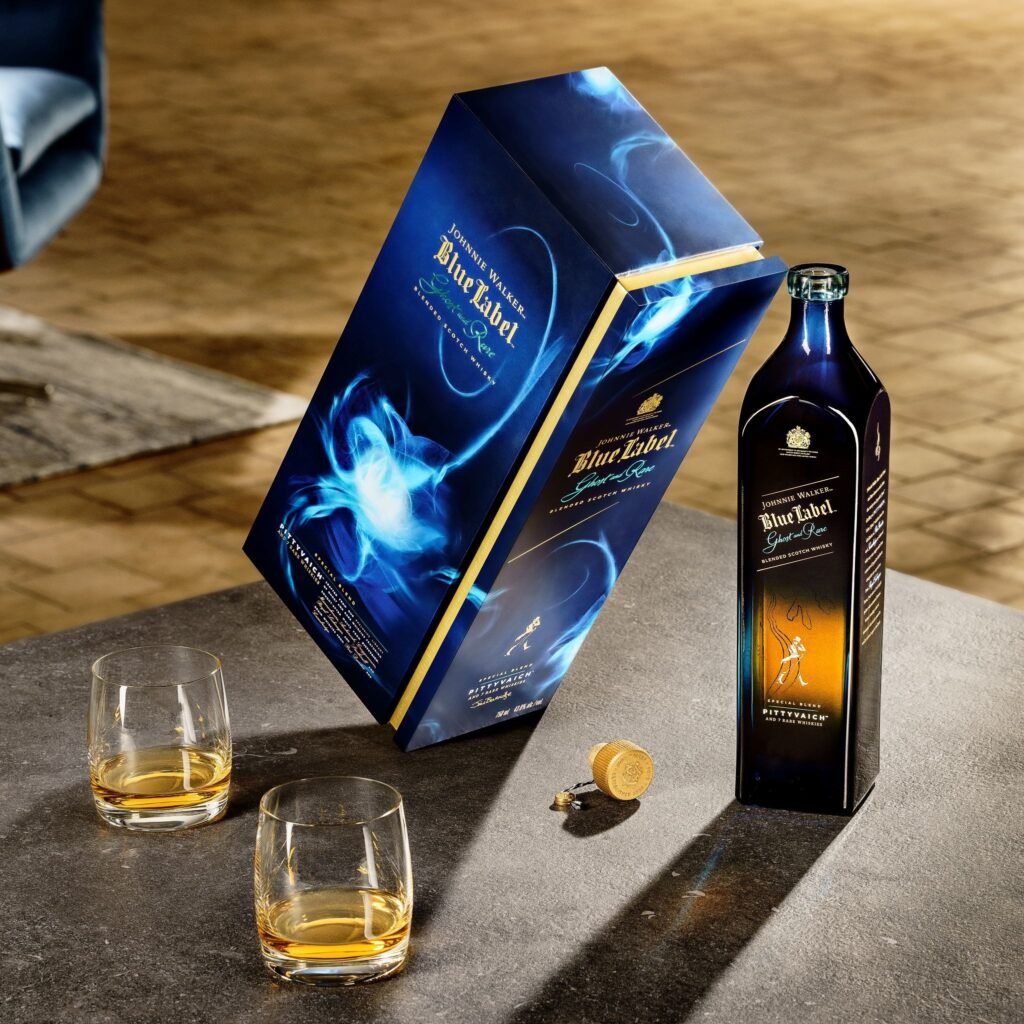

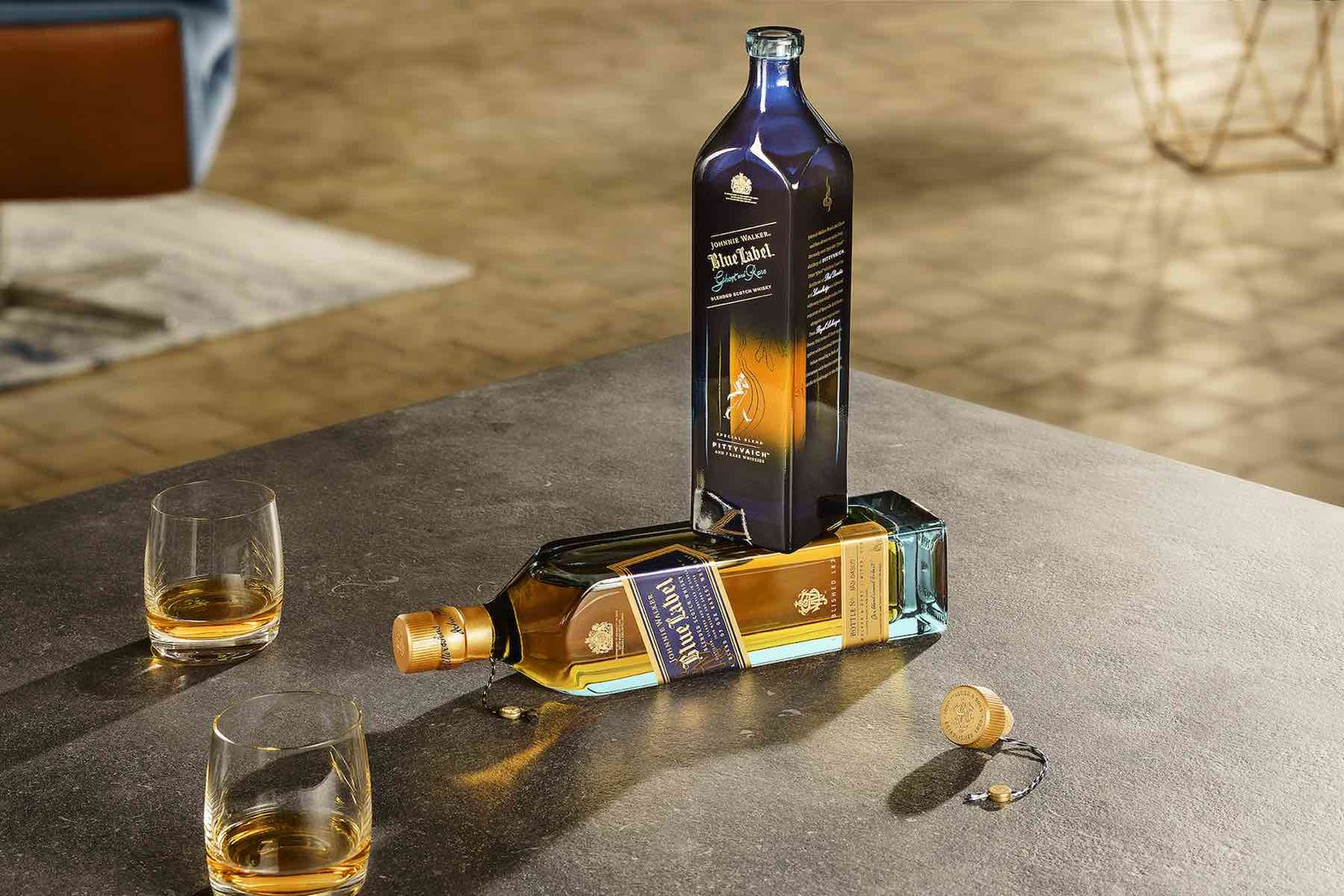
Johnnie Walker Blue Label Ghost and Rare Pittyviach

Chapter 3: Tasting Notes – Understanding the Flavors of Johnnie Walker

Aromatic Profile – The First Step in Flavor Discovery

The aroma is the first step in understanding the flavors of any whisky, and Johnnie Walker whiskies offer an array of scents that give clues about what to expect. Red Label, for example, often has a fresh, lively aroma with notes of vanilla, citrus, and oak. Black Label presents a richer aroma, with dried fruits, spice, and a hint of smokiness. Gold Label has an elegant, floral nose, while Blue Label presents a complex, multi-layered bouquet with elements of dried fruit, honey, and leather.

Taste and Texture – From Sweet to Smoky

The flavors on the palate vary from label to label, ranging from the bold spiciness of Red Label to the luxurious smoothness of Blue Label. The body of each whisky is another important characteristic that defines its overall texture. Johnnie Walker whiskies are often described as smooth and rounded, with varying degrees of richness and complexity depending on the blend.

For example, Black Label offers a medium-bodied experience with a balance of sweet fruit and smoke, while Gold Label Reserve has a full, velvety texture with a creamy mouthfeel. Blue Label, being the pinnacle of the brand’s craftsmanship, offers a rich, smooth texture with a refined and luxurious finish.


Chapter 4: Pairing Johnnie Walker Whisky – Enhancing the Flavors

Food Pairings for Johnnie Walker Whiskies

Pairing whisky with food can elevate both the drinking and dining experience. For Red Label, a bold whisky, a pairing with spicy or smoky foods such as barbecue, grilled meats, or charcuterie works well. Black Label pairs beautifully with rich meats like steak or roasted lamb, and Green Label is a great match for lighter dishes such as seafood or roasted chicken.

Gold Label Reserve, with its smooth and luxurious texture, pairs well with creamy cheeses, roasted nuts, and rich desserts. Blue Label, the most refined of the expressions, is best enjoyed on its own, but it can also complement delicate dishes such as caviar, foie gras, or aged cheeses.


Conclusion: The Enduring Appeal of Johnnie Walker’s Flavors

Johnnie Walker’s whiskies are celebrated not only for their quality but also for the incredible range of flavors they offer. Each expression, from the bold Red Label to the luxurious Blue Label, showcases the brand’s commitment to excellence, innovation, and craftsmanship. Whether you are savoring the smoothness of Gold Label or the complexity of Black Label, there is a Johnnie Walker whisky to suit every taste.

The flavors and characteristics of Johnnie Walker whiskies are a reflection of the company’s heritage and expertise, built over nearly two centuries of craftsmanship. As the brand continues to evolve, its whiskies remain as timeless and iconic as ever, offering something for both the novice and the connoisseur to enjoy.
Tags: CultureFamous brand wineHealthHistoryInnovationluxury
ShareTweetShare

Related Posts

Why Is Bourbon Only Made in the U.S.?
Whiskey

Luxury Whiskey and the Collector Market: Rarity, Investment, and the Global Obsession

May 24, 2026
The Art of Whiskey: Tradition, Craft, and the Global Renaissance
Whiskey

The Science Behind Aging Whiskey: Time, Wood, Chemistry, and Transformation

May 24, 2026
The Art of Whiskey: Tradition, Craft, and the Global Renaissance
Whiskey

Bourbon Culture in America: History, Identity, and the Spirit of the South

May 24, 2026
The Art of Whiskey: Tradition, Craft, and the Global Renaissance
Whiskey

The Rise of Japanese Whisky: Tradition, Precision, and Global Influence

May 24, 2026
The Art of Whiskey: Tradition, Craft, and the Global Renaissance
Whiskey

The Art of Whiskey: Tradition, Craft, and the Global Renaissance

May 24, 2026
The History of Whisky — From Monastic Origins to Global Industry
Whiskey

The Future of Whisky — Innovation, Sustainability, and Global Trends

April 25, 2026
Leave Comment
  • Trending
  • Comments
  • Latest
Role of Terroir in Champagne Production

Role of Terroir in Champagne Production

January 19, 2026
Champagne Can Be Aged in Wood?

Champagne Can Be Aged in Wood?

January 18, 2026
Is Organic Wine Healthier Than Conventional Wine?

Is Organic Wine Healthier Than Conventional Wine?

January 20, 2026
Why Do Some Champagnes Use a High Proportion of Pinot Meunier?

Why Do Some Champagnes Use a High Proportion of Pinot Meunier?

January 20, 2026
The Timeless Elegance of Wine: A Journey Through History and Culture

The Timeless Elegance of Wine: A Journey Through History and Culture

Why Is Château Lafite Rothschild the Pinnacle of Fine Wine?

Why Is Château Lafite Rothschild the Pinnacle of Fine Wine?

How Did Château Lafite Rothschild Become a Global Icon of Luxury?

How Did Château Lafite Rothschild Become a Global Icon of Luxury?

What Makes Chateau Lafite Rothschild the Pinnacle of Bordeaux Wines?

What Makes Chateau Lafite Rothschild the Pinnacle of Bordeaux Wines?

The History, Culture, and Global Influence of Humanity’s Most Celebrated Beverage

The Wine Revolution: How Modern Winemaking Transformed a Global Industry

June 3, 2026
The History, Culture, and Global Influence of Humanity’s Most Celebrated Beverage

Wine Styles of the World: A Complete Guide to Red, White, Rosé, Sparkling, and Fortified Wines

June 3, 2026
The History, Culture, and Global Influence of Humanity’s Most Celebrated Beverage

The Global Wine Industry: Markets, Trade, Tourism, and Economic Impact

June 3, 2026
The History, Culture, and Global Influence of Humanity’s Most Celebrated Beverage

The Science of Wine: Grapes, Fermentation, and Flavor Development

June 3, 2026
SipsavorLife

Welcome to our comprehensive beverage guide, where you can explore the fascinating world of alcoholic drinks. From exquisite wines and rich whiskeys to refreshing beers and sparkling champagnes, we provide insights, tips, and recommendations for enthusiasts and casual drinkers alike. Discover your next favorite libation with us!

© 2025 sipsavorlife.com. contacts:sipsavorlife-35376@gmail.com

No Result
View All Result
  • Home
  • Wine
  • Whiskey
  • Beer
  • Grain Spirits
  • Champagne
  • ALL

© 2025 sipsavorlife.com. contacts:sipsavorlife-35376@gmail.com

Welcome Back!

Login to your account below

Forgotten Password?

Retrieve your password

Please enter your username or email address to reset your password.

Log In