SipsavorLife
  • Home
  • Wine
    Wine as a Cultural Artifact: History, Identity, and the Evolution of Taste

    The Art and Science of Wine & Food Pairing: How to Create Perfect Matches Every Time

    Wine as a Cultural Artifact: History, Identity, and the Evolution of Taste

    A Complete Guide to Wine Styles and Grape Varieties: From Cabernet Sauvignon to Riesling

    Wine as a Cultural Artifact: History, Identity, and the Evolution of Taste

    The Global Wine Industry: Economics, Markets, and the Future of Consumption

    Wine as a Cultural Artifact: History, Identity, and the Evolution of Taste

    The Science of Wine Tasting: How Chemistry, Biology, and Perception Shape Flavor

    Wine as a Cultural Artifact: History, Identity, and the Evolution of Taste

    Wine as a Cultural Artifact: History, Identity, and the Evolution of Taste

    Red Wine — The Liquid Expression of Land, Time, and Human Intention

    The Future of Red Wine — Climate Change, Technology, and the Evolution of Taste

  • Whiskey
    Can Beer Be an Effective Ingredient in Culinary Cooking?

    Can Beer Be an Effective Ingredient in Culinary Cooking?

    Second Fermentation in Champagne: Is It Really That Crucial?

    Second Fermentation in Champagne: Is It Really That Crucial?

    How Do Different Grains Impact the Flavor Profile of Distilled Spirits?

    How Do Different Grains Impact the Flavor Profile of Distilled Spirits?

    How Do Whiskey Master Blenders Create Perfection?

    How Do Whiskey Master Blenders Create Perfection?

    Wine Pairings: Can They Change the Flavor Profile of a Dish?

    Wine Pairings: Can They Change the Flavor Profile of a Dish?

    Beer the Ultimate Beverage for Pairing with Spicy Food?

    Beer the Ultimate Beverage for Pairing with Spicy Food?

  • Beer
    Beer as a Cultural and Social Force: From Ancient Brew to Modern Identity

    The Art of Beer & Food Pairing: Unlocking Flavor Through Balance, Contrast, and Texture

    Beer as a Cultural and Social Force: From Ancient Brew to Modern Identity

    A Complete Guide to Beer Styles: From Lager to Stout, Understanding Flavor, Body, and Character

    Beer as a Cultural and Social Force: From Ancient Brew to Modern Identity

    The Global Beer Industry: Craft Revolution, Market Forces, and the Future of Brewing

    Beer as a Cultural and Social Force: From Ancient Brew to Modern Identity

    The Science of Beer: Brewing Process, Ingredients, and the Chemistry of Flavor

    Beer as a Cultural and Social Force: From Ancient Brew to Modern Identity

    Beer as a Cultural and Social Force: From Ancient Brew to Modern Identity

    The Evolution of Beer — From Ancient Brews to the Craft Revolution

    The Future of Beer — Innovation, Sustainability, and Emerging Trends

  • Grain Spirits
    Grain Spirits Explained — The Foundation of Global Distillation

    The Future of Grain Spirits — Technology, Sustainability, and the Next Era of Distillation

    Grain Spirits Explained — The Foundation of Global Distillation

    Grain Spirits Around the World — Vodka, Whisky Bases, and Industrial Applications

    Grain Spirits Explained — The Foundation of Global Distillation

    Distillation Systems — Pot Still vs Column Still, and the Balance Between Efficiency and Flavor

    Grain Spirits Explained — The Foundation of Global Distillation

    Grain Selection and Fermentation Science — How Raw Ingredients Shape Grain Spirits

    Grain Spirits Explained — The Foundation of Global Distillation

    Grain Spirits Explained — The Foundation of Global Distillation

    Grain Spirits and the Industrial Birth of Neutral Alcohol

    The Future of Grain Spirits — AI Distillation, Sustainability, and the Post-Flavor Alcohol Industry

  • Champagne
    The History of Champagne — From Accidental Sparkle to Global Luxury

    The Future of Champagne — Climate Change, Innovation, and Industry Evolution

    The History of Champagne — From Accidental Sparkle to Global Luxury

    The Culture of Champagne — Luxury, Celebration, and Global Influence

    The History of Champagne — From Accidental Sparkle to Global Luxury

    Champagne Styles Explained — Brut, Rosé, Vintage, and Beyond

    The History of Champagne — From Accidental Sparkle to Global Luxury

    The Craft of Champagne — Terroir, Grapes, and the Méthode Traditionnelle

    The History of Champagne — From Accidental Sparkle to Global Luxury

    The History of Champagne — From Accidental Sparkle to Global Luxury

    The Future of Champagne — Climate Change, Innovation, and the Evolution of Sparkling Wine

    The Future of Champagne — Climate Change, Innovation, and the Evolution of Sparkling Wine

  • ALL
    Can Beer Be an Effective Ingredient in Culinary Cooking?

    Can Beer Be an Effective Ingredient in Culinary Cooking?

    Second Fermentation in Champagne: Is It Really That Crucial?

    Second Fermentation in Champagne: Is It Really That Crucial?

    How Do Different Grains Impact the Flavor Profile of Distilled Spirits?

    How Do Different Grains Impact the Flavor Profile of Distilled Spirits?

    How Do Whiskey Master Blenders Create Perfection?

    How Do Whiskey Master Blenders Create Perfection?

    Wine Pairings: Can They Change the Flavor Profile of a Dish?

    Wine Pairings: Can They Change the Flavor Profile of a Dish?

    Beer the Ultimate Beverage for Pairing with Spicy Food?

    Beer the Ultimate Beverage for Pairing with Spicy Food?

SipsavorLife
  • Home
  • Wine
    Wine as a Cultural Artifact: History, Identity, and the Evolution of Taste

    The Art and Science of Wine & Food Pairing: How to Create Perfect Matches Every Time

    Wine as a Cultural Artifact: History, Identity, and the Evolution of Taste

    A Complete Guide to Wine Styles and Grape Varieties: From Cabernet Sauvignon to Riesling

    Wine as a Cultural Artifact: History, Identity, and the Evolution of Taste

    The Global Wine Industry: Economics, Markets, and the Future of Consumption

    Wine as a Cultural Artifact: History, Identity, and the Evolution of Taste

    The Science of Wine Tasting: How Chemistry, Biology, and Perception Shape Flavor

    Wine as a Cultural Artifact: History, Identity, and the Evolution of Taste

    Wine as a Cultural Artifact: History, Identity, and the Evolution of Taste

    Red Wine — The Liquid Expression of Land, Time, and Human Intention

    The Future of Red Wine — Climate Change, Technology, and the Evolution of Taste

  • Whiskey
    Can Beer Be an Effective Ingredient in Culinary Cooking?

    Can Beer Be an Effective Ingredient in Culinary Cooking?

    Second Fermentation in Champagne: Is It Really That Crucial?

    Second Fermentation in Champagne: Is It Really That Crucial?

    How Do Different Grains Impact the Flavor Profile of Distilled Spirits?

    How Do Different Grains Impact the Flavor Profile of Distilled Spirits?

    How Do Whiskey Master Blenders Create Perfection?

    How Do Whiskey Master Blenders Create Perfection?

    Wine Pairings: Can They Change the Flavor Profile of a Dish?

    Wine Pairings: Can They Change the Flavor Profile of a Dish?

    Beer the Ultimate Beverage for Pairing with Spicy Food?

    Beer the Ultimate Beverage for Pairing with Spicy Food?

  • Beer
    Beer as a Cultural and Social Force: From Ancient Brew to Modern Identity

    The Art of Beer & Food Pairing: Unlocking Flavor Through Balance, Contrast, and Texture

    Beer as a Cultural and Social Force: From Ancient Brew to Modern Identity

    A Complete Guide to Beer Styles: From Lager to Stout, Understanding Flavor, Body, and Character

    Beer as a Cultural and Social Force: From Ancient Brew to Modern Identity

    The Global Beer Industry: Craft Revolution, Market Forces, and the Future of Brewing

    Beer as a Cultural and Social Force: From Ancient Brew to Modern Identity

    The Science of Beer: Brewing Process, Ingredients, and the Chemistry of Flavor

    Beer as a Cultural and Social Force: From Ancient Brew to Modern Identity

    Beer as a Cultural and Social Force: From Ancient Brew to Modern Identity

    The Evolution of Beer — From Ancient Brews to the Craft Revolution

    The Future of Beer — Innovation, Sustainability, and Emerging Trends

  • Grain Spirits
    Grain Spirits Explained — The Foundation of Global Distillation

    The Future of Grain Spirits — Technology, Sustainability, and the Next Era of Distillation

    Grain Spirits Explained — The Foundation of Global Distillation

    Grain Spirits Around the World — Vodka, Whisky Bases, and Industrial Applications

    Grain Spirits Explained — The Foundation of Global Distillation

    Distillation Systems — Pot Still vs Column Still, and the Balance Between Efficiency and Flavor

    Grain Spirits Explained — The Foundation of Global Distillation

    Grain Selection and Fermentation Science — How Raw Ingredients Shape Grain Spirits

    Grain Spirits Explained — The Foundation of Global Distillation

    Grain Spirits Explained — The Foundation of Global Distillation

    Grain Spirits and the Industrial Birth of Neutral Alcohol

    The Future of Grain Spirits — AI Distillation, Sustainability, and the Post-Flavor Alcohol Industry

  • Champagne
    The History of Champagne — From Accidental Sparkle to Global Luxury

    The Future of Champagne — Climate Change, Innovation, and Industry Evolution

    The History of Champagne — From Accidental Sparkle to Global Luxury

    The Culture of Champagne — Luxury, Celebration, and Global Influence

    The History of Champagne — From Accidental Sparkle to Global Luxury

    Champagne Styles Explained — Brut, Rosé, Vintage, and Beyond

    The History of Champagne — From Accidental Sparkle to Global Luxury

    The Craft of Champagne — Terroir, Grapes, and the Méthode Traditionnelle

    The History of Champagne — From Accidental Sparkle to Global Luxury

    The History of Champagne — From Accidental Sparkle to Global Luxury

    The Future of Champagne — Climate Change, Innovation, and the Evolution of Sparkling Wine

    The Future of Champagne — Climate Change, Innovation, and the Evolution of Sparkling Wine

  • ALL
    Can Beer Be an Effective Ingredient in Culinary Cooking?

    Can Beer Be an Effective Ingredient in Culinary Cooking?

    Second Fermentation in Champagne: Is It Really That Crucial?

    Second Fermentation in Champagne: Is It Really That Crucial?

    How Do Different Grains Impact the Flavor Profile of Distilled Spirits?

    How Do Different Grains Impact the Flavor Profile of Distilled Spirits?

    How Do Whiskey Master Blenders Create Perfection?

    How Do Whiskey Master Blenders Create Perfection?

    Wine Pairings: Can They Change the Flavor Profile of a Dish?

    Wine Pairings: Can They Change the Flavor Profile of a Dish?

    Beer the Ultimate Beverage for Pairing with Spicy Food?

    Beer the Ultimate Beverage for Pairing with Spicy Food?

SipsavorLife
No Result
View All Result
Home ALL

What Makes Ballantine’s Whisky Stand Out? Exploring the Flavors and Characteristics of This Iconic Scotch

January 15, 2025
in ALL, Whiskey
What Makes Ballantine’s Whisky Stand Out? Exploring the Flavors and Characteristics of This Iconic Scotch

Introduction

Ballantine’s is a name that resonates with whisky enthusiasts worldwide. Established in 1827 by George Ballantine in Edinburgh, Scotland, the brand has become synonymous with quality blended Scotch whisky. Over the years, Ballantine’s has garnered a reputation for crafting some of the finest whiskies, revered not only for their smoothness but also for their depth, complexity, and unique flavor profiles. Whether you are a whisky connoisseur or a novice in the world of Scotch, the flavors and characteristics of Ballantine’s offer something for everyone.

This article will explore the diverse flavor profiles of Ballantine’s whiskies, from the entry-level Ballantine’s Finest to the luxurious and sophisticated Ballantine’s 30 Year Old. By dissecting the ingredients, the blending process, aging techniques, and tasting notes, we will uncover the secrets behind the brand’s success and enduring appeal. Join us on a journey through the flavors of Ballantine’s and discover what makes each expression truly special.


Chapter 1: The Art of Blending – What Sets Ballantine’s Apart?

  • Introduction to the Blending Process
    Ballantine’s is a blended Scotch whisky, meaning it is a combination of both malt and grain whiskies. The art of blending is crucial to Ballantine’s success, and its master blenders have perfected the craft over decades. Each blend is a careful composition of carefully chosen malt and grain whiskies, selected for their complementary flavors.
  • The Role of Malt and Grain Whiskies
    Malt whiskies offer richness and complexity, while grain whiskies bring smoothness and lightness. The skillful combination of these two types of whisky creates a balanced, harmonious flavor profile.
  • Master Blending at Ballantine’s
    Ballantine’s master blenders, such as the iconic Sandy Hyslop, play a vital role in ensuring each expression maintains its signature taste while evolving with time. By sourcing malt whiskies from some of Scotland’s most famous distilleries, Ballantine’s blends are crafted to deliver a consistent and high-quality experience.

Chapter 2: A Deep Dive into Ballantine’s Whisky Expressions

Ballantine’s offers a range of expressions, each with a distinct flavor profile. From the light and accessible Ballantine’s Finest to the deep and complex Ballantine’s 30 Year Old, each bottle represents a unique experience. Below we explore the tasting notes and characteristics of some of the brand’s most popular whiskies.

  • Ballantine’s Finest
    • Appearance: Bright golden amber, light and inviting.
    • Nose: The nose opens with delicate floral notes, coupled with hints of honey, vanilla, and fresh fruit, such as apples and pears.
    • Palate: A smooth and mellow texture with a slight sweetness, balanced by subtle malt and light oak flavors. It’s an easy-drinking whisky that remains approachable for both beginners and casual drinkers.
    • Finish: Crisp and clean, with a faint lingering maltiness.
  • Ballantine’s 12 Year Old
    • Appearance: A deeper, richer amber hue.
    • Nose: More complex than the Finest, with pronounced aromas of toffee, vanilla, dried fruit (like apricots and raisins), and a hint of citrus.
    • Palate: Full-bodied with rich flavors of caramel, honey, and fruitcake, balanced by oak and a gentle spice. The addition of aged whiskies lends the 12 Year Old a smoother, rounder taste.
    • Finish: Smooth, with a lingering sweetness and a hint of oak.
  • Ballantine’s 17 Year Old
    • Appearance: Dark amber with a reddish hue.
    • Nose: A rich aroma of dried fruits, chocolate, spices, and a touch of smokiness. The complexity of aged whiskies is evident.
    • Palate: Full-bodied and rich, with layers of honey, toffee, dark chocolate, and a delicate smokiness. The oak influence is prominent but not overpowering.
    • Finish: A long finish, with dark fruit flavors, a touch of spice, and lingering oak notes.
  • Ballantine’s 21 Year Old
    • Appearance: Deep copper with amber reflections.
    • Nose: Intense and complex, with aromas of dried fruit, nuts, chocolate, and a soft smoky undertone.
    • Palate: A creamy and velvety texture, with rich flavors of dark chocolate, honey, dried fruit, and an elegant oak influence. The whisky is balanced, smooth, and luxurious.
    • Finish: A long and warm finish, with hints of oak, dried fruit, and spice.
  • Ballantine’s 30 Year Old
    • Appearance: Rich, deep golden color.
    • Nose: The nose is inviting and complex, with notes of dark chocolate, dried fruits, honey, and a touch of spice. The peat is faint but adds depth.
    • Palate: Smooth and refined, with rich, complex flavors of dried fruit, caramel, oak, and a hint of smoke. The age of the whisky provides an added depth and complexity.
    • Finish: A long, warm, and luxurious finish that lingers on the palate, with notes of dried fruit, oak, and a touch of spice.

Chapter 3: The Influence of Oak on Ballantine’s Flavor Profile

Oak aging plays a critical role in shaping the flavors of Ballantine’s whisky. The wood imparts a variety of flavors, including vanilla, caramel, and spice. The aging process also helps smooth the whisky and mellow out harsh flavors.

  • American Oak vs. European Oak
    Different types of oak impart different characteristics to the whisky. American oak tends to bring sweeter flavors such as vanilla, caramel, and coconut, while European oak often imparts spicier notes, including clove, nutmeg, and dried fruit. Ballantine’s utilizes both types of oak to create its rich, complex expressions.
  • The Aging Process and Its Effect on Flavor
    Ballantine’s whiskies are aged in oak casks for various lengths of time. The longer the whisky ages, the more complex and nuanced its flavors become. The 12, 17, and 30 Year Old expressions offer a glimpse into the importance of time in creating a whisky’s distinct character.
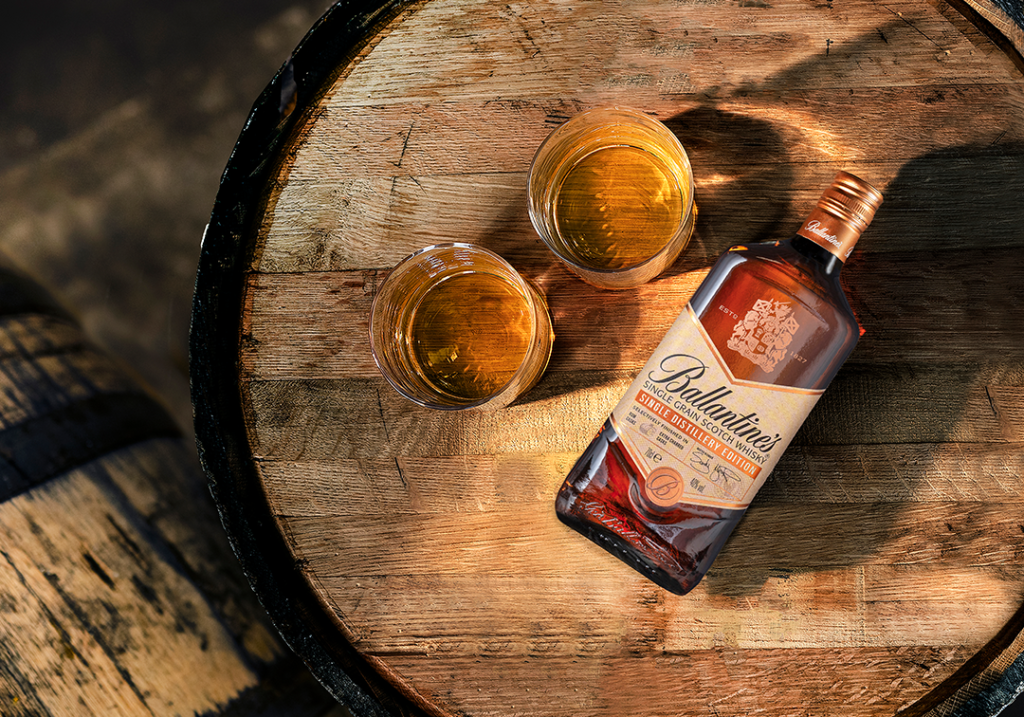
Chapter 4: Pairing Ballantine’s Whisky with Food

One of the best ways to experience the full flavor profile of Ballantine’s whisky is by pairing it with food. Whether it’s a rich, smoky whisky like the 17 Year Old or a lighter, sweeter expression like the Finest, the right pairing can elevate the drinking experience.

  • Ballantine’s Finest pairs well with light snacks, such as cheese, fruit, or smoked salmon. The sweetness and smoothness complement these foods without overpowering them.
  • Ballantine’s 12 Year Old pairs beautifully with richer foods, such as roasted meats or creamy cheeses. The sweetness and oakiness match well with the savory flavors.
  • Ballantine’s 17 Year Old is ideal with dark chocolate or grilled meats, where the smoky and rich flavors of the whisky enhance the intensity of the food.
  • Ballantine’s 30 Year Old is a whisky for special occasions, and it pairs excellently with fine dining options such as foie gras, caviar, or rich desserts like crème brûlée.

Chapter 5: The Global Appeal of Ballantine’s Whisky

Ballantine’s whisky has earned a reputation as one of the best blended Scotch whiskies in the world. Its balance, smoothness, and variety of expressions have allowed it to appeal to whisky drinkers across the globe.

  • Widespread Popularity
    Ballantine’s is one of the most popular Scotch whisky brands worldwide. From Europe to Asia, the brand has a strong presence, offering a whisky for every occasion and taste preference.
  • Luxury and Accessibility
    While Ballantine’s finest expressions are affordable and easy to enjoy, the brand also offers ultra-premium whiskies like the Ballantine’s 30 Year Old for those who appreciate the finer things in life. This balance of luxury and accessibility ensures that Ballantine’s remains relevant to whisky enthusiasts of all levels.

Conclusion

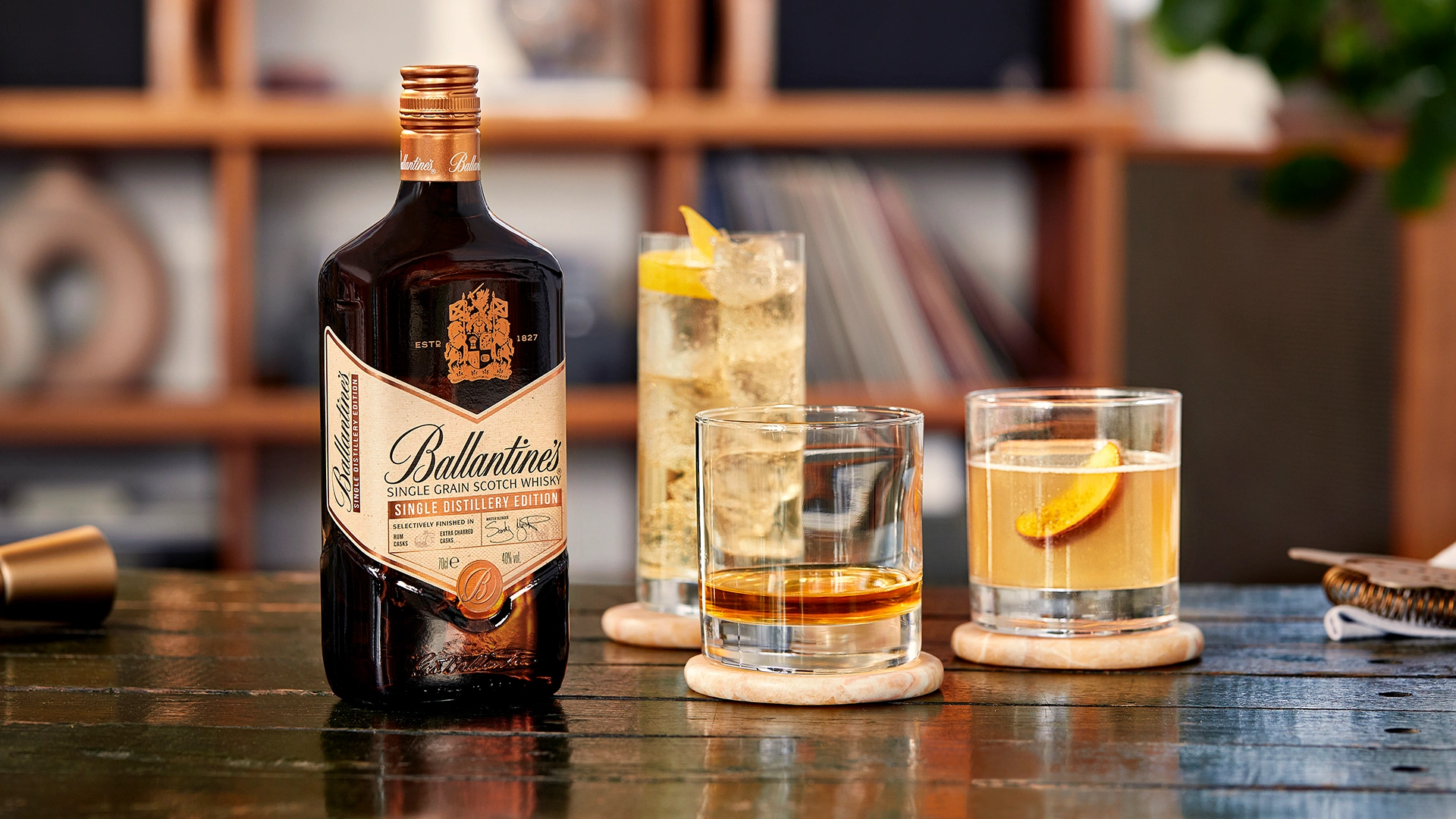
Ballantine’s whisky stands as a testament to the craftsmanship of blending and the importance of using the finest ingredients. From the approachable and smooth Finest to the refined and complex 30 Year Old, Ballantine’s offers a wide range of expressions that cater to every whisky lover’s preferences. Its ability to balance rich, malty flavors with the smoothness of grain whisky has made it a standout in the whisky world. Whether enjoyed neat, on the rocks, or as part of a cocktail, Ballantine’s continues to impress with its depth, complexity, and versatility.

By exploring the flavors, aromas, and aging processes behind each expression, it’s clear that Ballantine’s is a whisky brand that understands the art of blending and aging. With a legacy spanning over 190 years, Ballantine’s has rightfully earned its place as one of the finest Scotch whisky brands in the world.

Tags: CultureFamous brand wineHealthHistoryInnovationluxury
ShareTweetShare

Related Posts

The History of Whisky — From Monastic Origins to Global Industry
Whiskey

The Future of Whisky — Innovation, Sustainability, and Global Trends

April 25, 2026
The History of Whisky — From Monastic Origins to Global Industry
Whiskey

Whisky Culture — Rituals, Tasting, and Lifestyle

April 25, 2026
The History of Whisky — From Monastic Origins to Global Industry
Whiskey

Global Whisky Styles — Scotch, Bourbon, Japanese, and Beyond

April 25, 2026
The History of Whisky — From Monastic Origins to Global Industry
Whiskey

How Whisky Is Made — Grains, Distillation, and the Science of Aging

April 25, 2026
The History of Whisky — From Monastic Origins to Global Industry
Whiskey

The History of Whisky — From Monastic Origins to Global Industry

April 25, 2026
Whiskey and the Shape of Civilization — From Monasteries to Modern Glasses
Whiskey

The Economics of Whiskey — Scarcity, Investment, and the Psychology of Value

April 21, 2026
Leave Comment
  • Trending
  • Comments
  • Latest
Role of Terroir in Champagne Production

Role of Terroir in Champagne Production

January 19, 2026
Champagne Can Be Aged in Wood?

Champagne Can Be Aged in Wood?

January 18, 2026
Is Organic Wine Healthier Than Conventional Wine?

Is Organic Wine Healthier Than Conventional Wine?

January 20, 2026
Why Do Some Champagnes Use a High Proportion of Pinot Meunier?

Why Do Some Champagnes Use a High Proportion of Pinot Meunier?

January 20, 2026
The Timeless Elegance of Wine: A Journey Through History and Culture

The Timeless Elegance of Wine: A Journey Through History and Culture

Why Is Château Lafite Rothschild the Pinnacle of Fine Wine?

Why Is Château Lafite Rothschild the Pinnacle of Fine Wine?

How Did Château Lafite Rothschild Become a Global Icon of Luxury?

How Did Château Lafite Rothschild Become a Global Icon of Luxury?

What Makes Chateau Lafite Rothschild the Pinnacle of Bordeaux Wines?

What Makes Chateau Lafite Rothschild the Pinnacle of Bordeaux Wines?

Beer as a Cultural and Social Force: From Ancient Brew to Modern Identity

The Art of Beer & Food Pairing: Unlocking Flavor Through Balance, Contrast, and Texture

April 26, 2026
Beer as a Cultural and Social Force: From Ancient Brew to Modern Identity

A Complete Guide to Beer Styles: From Lager to Stout, Understanding Flavor, Body, and Character

April 26, 2026
Beer as a Cultural and Social Force: From Ancient Brew to Modern Identity

The Global Beer Industry: Craft Revolution, Market Forces, and the Future of Brewing

April 26, 2026
Beer as a Cultural and Social Force: From Ancient Brew to Modern Identity

The Science of Beer: Brewing Process, Ingredients, and the Chemistry of Flavor

April 26, 2026
SipsavorLife

Welcome to our comprehensive beverage guide, where you can explore the fascinating world of alcoholic drinks. From exquisite wines and rich whiskeys to refreshing beers and sparkling champagnes, we provide insights, tips, and recommendations for enthusiasts and casual drinkers alike. Discover your next favorite libation with us!

© 2025 sipsavorlife.com. contacts:sipsavorlife-35376@gmail.com

No Result
View All Result
  • Home
  • Wine
  • Whiskey
  • Beer
  • Grain Spirits
  • Champagne
  • ALL

© 2025 sipsavorlife.com. contacts:sipsavorlife-35376@gmail.com

Welcome Back!

Login to your account below

Forgotten Password?

Retrieve your password

Please enter your username or email address to reset your password.

Log In