





















SipsavorLife
  • Home
  • Wine
    Wine as a Cultural Artifact: History, Identity, and the Evolution of Taste

    The Art and Science of Wine & Food Pairing: How to Create Perfect Matches Every Time

    Wine as a Cultural Artifact: History, Identity, and the Evolution of Taste

    A Complete Guide to Wine Styles and Grape Varieties: From Cabernet Sauvignon to Riesling

    Wine as a Cultural Artifact: History, Identity, and the Evolution of Taste

    The Global Wine Industry: Economics, Markets, and the Future of Consumption

    Wine as a Cultural Artifact: History, Identity, and the Evolution of Taste

    The Science of Wine Tasting: How Chemistry, Biology, and Perception Shape Flavor

    Wine as a Cultural Artifact: History, Identity, and the Evolution of Taste

    Wine as a Cultural Artifact: History, Identity, and the Evolution of Taste

    Red Wine — The Liquid Expression of Land, Time, and Human Intention

    The Future of Red Wine — Climate Change, Technology, and the Evolution of Taste

  • Whiskey
    Can Beer Be an Effective Ingredient in Culinary Cooking?

    Can Beer Be an Effective Ingredient in Culinary Cooking?

    Second Fermentation in Champagne: Is It Really That Crucial?

    Second Fermentation in Champagne: Is It Really That Crucial?

    How Do Different Grains Impact the Flavor Profile of Distilled Spirits?

    How Do Different Grains Impact the Flavor Profile of Distilled Spirits?

    How Do Whiskey Master Blenders Create Perfection?

    How Do Whiskey Master Blenders Create Perfection?

    Wine Pairings: Can They Change the Flavor Profile of a Dish?

    Wine Pairings: Can They Change the Flavor Profile of a Dish?

    Beer the Ultimate Beverage for Pairing with Spicy Food?

    Beer the Ultimate Beverage for Pairing with Spicy Food?

  • Beer
    Beer as a Cultural and Social Force: From Ancient Brew to Modern Identity

    The Art of Beer & Food Pairing: Unlocking Flavor Through Balance, Contrast, and Texture

    Beer as a Cultural and Social Force: From Ancient Brew to Modern Identity

    A Complete Guide to Beer Styles: From Lager to Stout, Understanding Flavor, Body, and Character

    Beer as a Cultural and Social Force: From Ancient Brew to Modern Identity

    The Global Beer Industry: Craft Revolution, Market Forces, and the Future of Brewing

    Beer as a Cultural and Social Force: From Ancient Brew to Modern Identity

    The Science of Beer: Brewing Process, Ingredients, and the Chemistry of Flavor

    Beer as a Cultural and Social Force: From Ancient Brew to Modern Identity

    Beer as a Cultural and Social Force: From Ancient Brew to Modern Identity

    The Evolution of Beer — From Ancient Brews to the Craft Revolution

    The Future of Beer — Innovation, Sustainability, and Emerging Trends

  • Grain Spirits
    Grain Spirits Explained — The Foundation of Global Distillation

    The Future of Grain Spirits — Technology, Sustainability, and the Next Era of Distillation

    Grain Spirits Explained — The Foundation of Global Distillation

    Grain Spirits Around the World — Vodka, Whisky Bases, and Industrial Applications

    Grain Spirits Explained — The Foundation of Global Distillation

    Distillation Systems — Pot Still vs Column Still, and the Balance Between Efficiency and Flavor

    Grain Spirits Explained — The Foundation of Global Distillation

    Grain Selection and Fermentation Science — How Raw Ingredients Shape Grain Spirits

    Grain Spirits Explained — The Foundation of Global Distillation

    Grain Spirits Explained — The Foundation of Global Distillation

    Grain Spirits and the Industrial Birth of Neutral Alcohol

    The Future of Grain Spirits — AI Distillation, Sustainability, and the Post-Flavor Alcohol Industry

  • Champagne
    The History of Champagne — From Accidental Sparkle to Global Luxury

    The Future of Champagne — Climate Change, Innovation, and Industry Evolution

    The History of Champagne — From Accidental Sparkle to Global Luxury

    The Culture of Champagne — Luxury, Celebration, and Global Influence

    The History of Champagne — From Accidental Sparkle to Global Luxury

    Champagne Styles Explained — Brut, Rosé, Vintage, and Beyond

    The History of Champagne — From Accidental Sparkle to Global Luxury

    The Craft of Champagne — Terroir, Grapes, and the Méthode Traditionnelle

    The History of Champagne — From Accidental Sparkle to Global Luxury

    The History of Champagne — From Accidental Sparkle to Global Luxury

    The Future of Champagne — Climate Change, Innovation, and the Evolution of Sparkling Wine

    The Future of Champagne — Climate Change, Innovation, and the Evolution of Sparkling Wine

  • ALL
    Can Beer Be an Effective Ingredient in Culinary Cooking?

    Can Beer Be an Effective Ingredient in Culinary Cooking?

    Second Fermentation in Champagne: Is It Really That Crucial?

    Second Fermentation in Champagne: Is It Really That Crucial?

    How Do Different Grains Impact the Flavor Profile of Distilled Spirits?

    How Do Different Grains Impact the Flavor Profile of Distilled Spirits?

    How Do Whiskey Master Blenders Create Perfection?

    How Do Whiskey Master Blenders Create Perfection?

    Wine Pairings: Can They Change the Flavor Profile of a Dish?

    Wine Pairings: Can They Change the Flavor Profile of a Dish?

    Beer the Ultimate Beverage for Pairing with Spicy Food?

    Beer the Ultimate Beverage for Pairing with Spicy Food?

SipsavorLife
  • Home
  • Wine
    Wine as a Cultural Artifact: History, Identity, and the Evolution of Taste

    The Art and Science of Wine & Food Pairing: How to Create Perfect Matches Every Time

    Wine as a Cultural Artifact: History, Identity, and the Evolution of Taste

    A Complete Guide to Wine Styles and Grape Varieties: From Cabernet Sauvignon to Riesling

    Wine as a Cultural Artifact: History, Identity, and the Evolution of Taste

    The Global Wine Industry: Economics, Markets, and the Future of Consumption

    Wine as a Cultural Artifact: History, Identity, and the Evolution of Taste

    The Science of Wine Tasting: How Chemistry, Biology, and Perception Shape Flavor

    Wine as a Cultural Artifact: History, Identity, and the Evolution of Taste

    Wine as a Cultural Artifact: History, Identity, and the Evolution of Taste

    Red Wine — The Liquid Expression of Land, Time, and Human Intention

    The Future of Red Wine — Climate Change, Technology, and the Evolution of Taste

  • Whiskey
    Can Beer Be an Effective Ingredient in Culinary Cooking?

    Can Beer Be an Effective Ingredient in Culinary Cooking?

    Second Fermentation in Champagne: Is It Really That Crucial?

    Second Fermentation in Champagne: Is It Really That Crucial?

    How Do Different Grains Impact the Flavor Profile of Distilled Spirits?

    How Do Different Grains Impact the Flavor Profile of Distilled Spirits?

    How Do Whiskey Master Blenders Create Perfection?

    How Do Whiskey Master Blenders Create Perfection?

    Wine Pairings: Can They Change the Flavor Profile of a Dish?

    Wine Pairings: Can They Change the Flavor Profile of a Dish?

    Beer the Ultimate Beverage for Pairing with Spicy Food?

    Beer the Ultimate Beverage for Pairing with Spicy Food?

  • Beer
    Beer as a Cultural and Social Force: From Ancient Brew to Modern Identity

    The Art of Beer & Food Pairing: Unlocking Flavor Through Balance, Contrast, and Texture

    Beer as a Cultural and Social Force: From Ancient Brew to Modern Identity

    A Complete Guide to Beer Styles: From Lager to Stout, Understanding Flavor, Body, and Character

    Beer as a Cultural and Social Force: From Ancient Brew to Modern Identity

    The Global Beer Industry: Craft Revolution, Market Forces, and the Future of Brewing

    Beer as a Cultural and Social Force: From Ancient Brew to Modern Identity

    The Science of Beer: Brewing Process, Ingredients, and the Chemistry of Flavor

    Beer as a Cultural and Social Force: From Ancient Brew to Modern Identity

    Beer as a Cultural and Social Force: From Ancient Brew to Modern Identity

    The Evolution of Beer — From Ancient Brews to the Craft Revolution

    The Future of Beer — Innovation, Sustainability, and Emerging Trends

  • Grain Spirits
    Grain Spirits Explained — The Foundation of Global Distillation

    The Future of Grain Spirits — Technology, Sustainability, and the Next Era of Distillation

    Grain Spirits Explained — The Foundation of Global Distillation

    Grain Spirits Around the World — Vodka, Whisky Bases, and Industrial Applications

    Grain Spirits Explained — The Foundation of Global Distillation

    Distillation Systems — Pot Still vs Column Still, and the Balance Between Efficiency and Flavor

    Grain Spirits Explained — The Foundation of Global Distillation

    Grain Selection and Fermentation Science — How Raw Ingredients Shape Grain Spirits

    Grain Spirits Explained — The Foundation of Global Distillation

    Grain Spirits Explained — The Foundation of Global Distillation

    Grain Spirits and the Industrial Birth of Neutral Alcohol

    The Future of Grain Spirits — AI Distillation, Sustainability, and the Post-Flavor Alcohol Industry

  • Champagne
    The History of Champagne — From Accidental Sparkle to Global Luxury

    The Future of Champagne — Climate Change, Innovation, and Industry Evolution

    The History of Champagne — From Accidental Sparkle to Global Luxury

    The Culture of Champagne — Luxury, Celebration, and Global Influence

    The History of Champagne — From Accidental Sparkle to Global Luxury

    Champagne Styles Explained — Brut, Rosé, Vintage, and Beyond

    The History of Champagne — From Accidental Sparkle to Global Luxury

    The Craft of Champagne — Terroir, Grapes, and the Méthode Traditionnelle

    The History of Champagne — From Accidental Sparkle to Global Luxury

    The History of Champagne — From Accidental Sparkle to Global Luxury

    The Future of Champagne — Climate Change, Innovation, and the Evolution of Sparkling Wine

    The Future of Champagne — Climate Change, Innovation, and the Evolution of Sparkling Wine

  • ALL
    Can Beer Be an Effective Ingredient in Culinary Cooking?

    Can Beer Be an Effective Ingredient in Culinary Cooking?

    Second Fermentation in Champagne: Is It Really That Crucial?

    Second Fermentation in Champagne: Is It Really That Crucial?

    How Do Different Grains Impact the Flavor Profile of Distilled Spirits?

    How Do Different Grains Impact the Flavor Profile of Distilled Spirits?

    How Do Whiskey Master Blenders Create Perfection?

    How Do Whiskey Master Blenders Create Perfection?

    Wine Pairings: Can They Change the Flavor Profile of a Dish?

    Wine Pairings: Can They Change the Flavor Profile of a Dish?

    Beer the Ultimate Beverage for Pairing with Spicy Food?

    Beer the Ultimate Beverage for Pairing with Spicy Food?

SipsavorLife
No Result
View All Result
Home ALL

How Did Glenlivet Become One of the Most Iconic Scotch Whisky Brands in the World?

January 11, 2025
in ALL, Whiskey
How Did Glenlivet Become One of the Most Iconic Scotch Whisky Brands in the World?

Introduction: The Origins of a Whisky Icon

The Glenlivet brand is more than just a name—it is synonymous with the rich heritage, traditions, and pioneering spirit of the Scotch whisky industry. As one of the oldest legal distilleries in Scotland, Glenlivet’s legacy stretches back to 1824, when George Smith established the distillery in the remote Glenlivet Valley of the Speyside region. Over nearly two centuries, the distillery has grown to become one of the most revered names in the world of whisky, embodying a commitment to craftsmanship, innovation, and excellence. This article explores the history of Glenlivet, from its founding to its rise as a global whisky brand, examining the pivotal moments that shaped its identity and cemented its place in whisky history.


1. The Birth of Glenlivet: George Smith’s Vision (1824)

A. The Formation of Glenlivet Distillery

The Glenlivet distillery was founded in 1824 by George Smith, a pioneering figure who sought to create the finest whisky in Scotland. Smith’s decision to legally distill his whisky was a game-changer, as it came at a time when the illicit whisky trade was still widespread in the country. His license, granted by the British government, allowed Glenlivet to stand apart from the thousands of illegal stills operating at the time, signaling the start of a new era in whisky production.

Smith’s vision was to create a smooth, refined single malt whisky that would appeal to discerning palates. By choosing the remote Glenlivet Valley in Speyside, he was able to take advantage of the purest water sources and ideal climatic conditions for whisky production. The natural ingredients—spring water from the nearby Josie’s Well and barley from the surrounding fields—combined with the area’s temperate climate, contributed to Glenlivet’s early success.

B. Glenlivet’s Initial Success and Recognition

As the first distillery to legally produce whisky in the Glenlivet Valley, the brand quickly gained a reputation for quality. Glenlivet’s smooth, floral, and complex flavors became a hit among whisky enthusiasts, earning the admiration of local and international markets. Smith’s commitment to using traditional copper pot stills and his precise, hand-crafted techniques helped distinguish Glenlivet from other distilleries. As demand for the whisky grew, so did its influence, with customers seeking out Glenlivet for its purity, quality, and craftsmanship.

C. Early Challenges: Competition and the Legacy of the Smith Family

While Glenlivet quickly found success, it also faced significant challenges. In the years following George Smith’s death in 1857, his family continued to run the distillery. However, during this period, other distilleries in the region began adopting the name “Glenlivet” to capitalize on the original distillery’s success, creating confusion in the market. In 1880, after a long legal battle, Glenlivet secured the exclusive rights to the name, further cementing its status as a whisky powerhouse.

The legal battle and the subsequent branding victory allowed Glenlivet to safeguard its heritage and solidify its place as a leader in the whisky industry.


2. The Rise of Glenlivet in the 20th Century: A Global Brand Emerges

A. Expanding into International Markets

By the early 20th century, Glenlivet had established itself as a premium Scotch whisky brand. As global demand for whisky grew, the distillery expanded into international markets, particularly North America, where whisky consumption was on the rise. Glenlivet’s reputation for quality made it an appealing choice for American consumers, who were beginning to embrace Scotch whisky as the drink of choice for discerning tastes.

B. Innovation in Production and Packaging

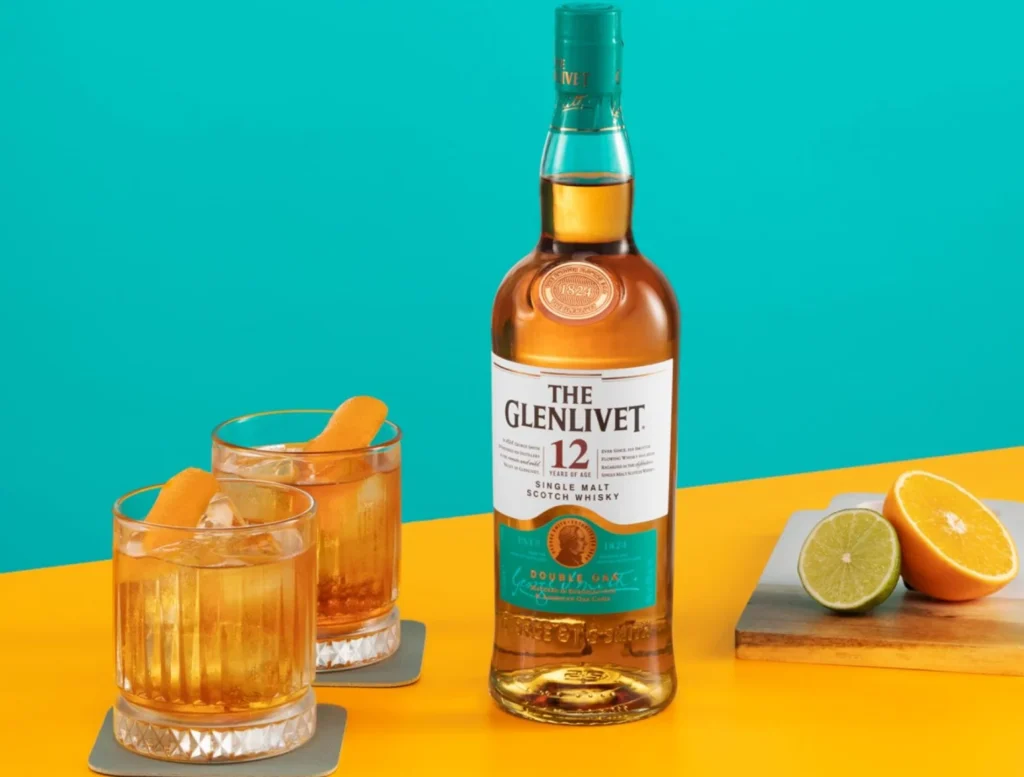
The distillery’s success continued into the 20th century thanks to innovations in both production methods and branding. In the 1930s, Glenlivet began experimenting with different cask aging techniques, producing whiskies with a wider range of flavors and finishes. The brand’s flagship expression, Glenlivet 12-Year-Old, became synonymous with quality, offering a balance of fruitiness, floral notes, and a subtle oak finish.

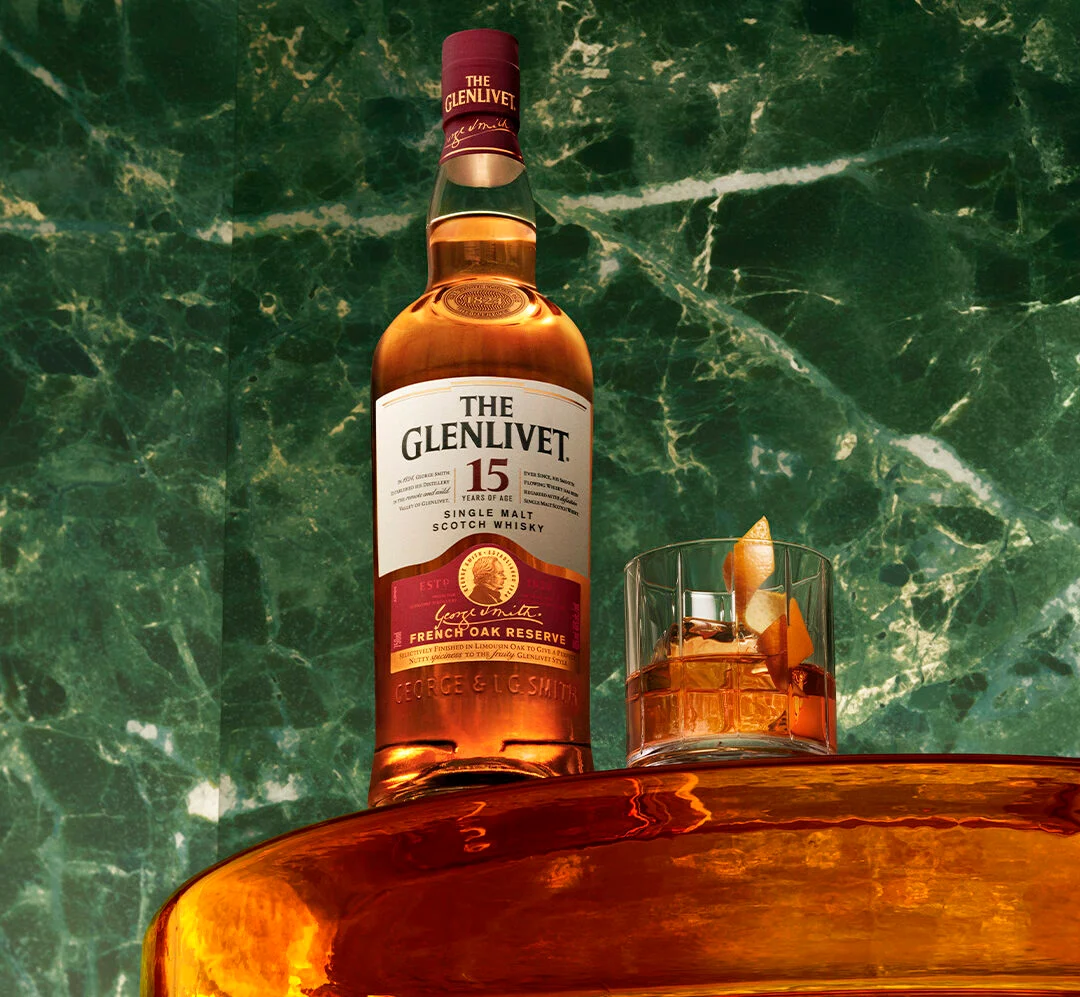
In addition to innovations in production, Glenlivet was also a pioneer in whisky branding. The distillery’s green bottle, still in use today, became a hallmark of the brand, helping Glenlivet stand out on the shelves of liquor stores worldwide. The packaging helped reinforce the message of quality, sophistication, and tradition.

C. Surviving Prohibition and World Wars

Glenlivet’s resilience was tested during times of global turmoil. During Prohibition in the United States, when the sale of alcohol was banned, Glenlivet was forced to find creative ways to continue distributing its product. It continued to be sold in other markets, keeping its international presence alive during a difficult period.

In both World War I and World War II, the distillery faced challenges due to restrictions on ingredients and production. However, Glenlivet’s commitment to its craft never wavered. The distillery managed to survive these difficult periods, emerging stronger and more influential on the other side.

3. Glenlivet’s Role in Shaping the Single Malt Whisky Movement

A. Glenlivet and the Birth of Single Malt Whisky

While Glenlivet was not the only distillery producing whisky in Scotland, it played a significant role in establishing the single malt category. Glenlivet was one of the first to market its whisky as a single malt, using only malted barley and pure water, in contrast to blended whiskies that mixed grain whisky with malt whisky. Glenlivet’s commitment to the single malt style helped define what would become the most prestigious category of Scotch whisky.

B. The Global Appeal of Glenlivet’s Single Malt Whisky

Glenlivet’s single malt whisky quickly gained a following among whisky connoisseurs, both in Scotland and abroad. As whisky drinkers began to appreciate the subtleties of flavor and the artistry of single malts, Glenlivet’s popularity surged. By the 1960s and 1970s, the brand had firmly established itself as one of the leading producers of single malt Scotch whisky.

The brand’s popularity was further solidified by its presence in the United States, where it was marketed as a premium whisky. Glenlivet was positioned as a sophisticated, elegant drink for the discerning whisky drinker, and its success in the U.S. helped fuel global demand.


4. Glenlivet’s Marketing and Branding Strategy

A. Maintaining Tradition While Embracing Innovation

Glenlivet has successfully maintained a balance between honoring its traditions and embracing innovation. While the distillery continues to use copper pot stills and age its whisky in oak casks, it has also been a leader in experimenting with new cask finishes and expressions. For example, the Glenlivet 18-Year-Old, which is aged in a combination of traditional oak and sherry casks, showcases the distillery’s ability to blend innovation with tradition to create a more complex flavor profile.

B. The Glenlivet Brand and its Iconic Green Bottle

The Glenlivet brand’s iconic green bottle remains one of the most recognizable elements of its branding. The green bottle was introduced in the early 20th century and quickly became associated with Glenlivet’s premium quality and heritage. Today, the bottle’s distinct color and label serve as a visual representation of the brand’s commitment to excellence, helping it stand out in a crowded market.

C. Glenlivet’s Marketing Campaigns and Sponsorships

In recent years, Glenlivet has embraced modern marketing techniques to reach a younger generation of whisky drinkers. The brand has engaged in high-profile sponsorships, particularly in the worlds of luxury lifestyle and the arts. Glenlivet’s partnerships with events such as the prestigious Glenlivet Masterclass whisky tastings have helped to strengthen its presence as a premium, sophisticated brand.


5. The Legacy of Glenlivet Today: A Global Whisky Leader

A. Glenlivet’s Continued Success in the Whisky Industry

Today, Glenlivet remains one of the leading Scotch whisky brands in the world, with a reputation for producing exceptional single malt whisky. It continues to innovate, releasing limited editions and exploring new aging techniques, while remaining faithful to the traditions that made it famous. Glenlivet’s success is a testament to the brand’s resilience, adaptability, and unwavering commitment to quality.

B. Glenlivet’s Global Influence

From its humble beginnings in the Glenlivet Valley to its status as a global whisky powerhouse, the distillery’s influence on the whisky industry cannot be overstated. Glenlivet helped define the single malt category, and its continued success has inspired countless other distilleries to pursue excellence in whisky production.


Conclusion: Glenlivet’s Timeless Appeal

Glenlivet’s history is one of resilience, innovation, and a commitment to quality that spans nearly two centuries. From its founding by George Smith in 1824 to its rise as a global whisky icon, Glenlivet has earned a place in the hearts of whisky lovers around the world. Its ability to evolve while staying true to its roots has ensured its place as one of the most iconic and respected names in the whisky industry.

As the brand continues to innovate and inspire, Glenlivet’s legacy as a pioneer in the world of single malt whisky is secure, and its influence on the industry will endure for generations to come.
Tags: CultureHealthHistoryInnovationluxury
ShareTweetShare

Related Posts

The History of Whisky — From Monastic Origins to Global Industry
Whiskey

The Future of Whisky — Innovation, Sustainability, and Global Trends

April 25, 2026
The History of Whisky — From Monastic Origins to Global Industry
Whiskey

Whisky Culture — Rituals, Tasting, and Lifestyle

April 25, 2026
The History of Whisky — From Monastic Origins to Global Industry
Whiskey

Global Whisky Styles — Scotch, Bourbon, Japanese, and Beyond

April 25, 2026
The History of Whisky — From Monastic Origins to Global Industry
Whiskey

How Whisky Is Made — Grains, Distillation, and the Science of Aging

April 25, 2026
The History of Whisky — From Monastic Origins to Global Industry
Whiskey

The History of Whisky — From Monastic Origins to Global Industry

April 25, 2026
Whiskey and the Shape of Civilization — From Monasteries to Modern Glasses
Whiskey

The Economics of Whiskey — Scarcity, Investment, and the Psychology of Value

April 21, 2026
Leave Comment
  • Trending
  • Comments
  • Latest
Role of Terroir in Champagne Production

Role of Terroir in Champagne Production

January 19, 2026
Champagne Can Be Aged in Wood?

Champagne Can Be Aged in Wood?

January 18, 2026
Is Organic Wine Healthier Than Conventional Wine?

Is Organic Wine Healthier Than Conventional Wine?

January 20, 2026
Why Do Some Champagnes Use a High Proportion of Pinot Meunier?

Why Do Some Champagnes Use a High Proportion of Pinot Meunier?

January 20, 2026
The Timeless Elegance of Wine: A Journey Through History and Culture

The Timeless Elegance of Wine: A Journey Through History and Culture

Why Is Château Lafite Rothschild the Pinnacle of Fine Wine?

Why Is Château Lafite Rothschild the Pinnacle of Fine Wine?

How Did Château Lafite Rothschild Become a Global Icon of Luxury?

How Did Château Lafite Rothschild Become a Global Icon of Luxury?

What Makes Chateau Lafite Rothschild the Pinnacle of Bordeaux Wines?

What Makes Chateau Lafite Rothschild the Pinnacle of Bordeaux Wines?

Beer as a Cultural and Social Force: From Ancient Brew to Modern Identity

The Art of Beer & Food Pairing: Unlocking Flavor Through Balance, Contrast, and Texture

April 26, 2026
Beer as a Cultural and Social Force: From Ancient Brew to Modern Identity

A Complete Guide to Beer Styles: From Lager to Stout, Understanding Flavor, Body, and Character

April 26, 2026
Beer as a Cultural and Social Force: From Ancient Brew to Modern Identity

The Global Beer Industry: Craft Revolution, Market Forces, and the Future of Brewing

April 26, 2026
Beer as a Cultural and Social Force: From Ancient Brew to Modern Identity

The Science of Beer: Brewing Process, Ingredients, and the Chemistry of Flavor

April 26, 2026
SipsavorLife

Welcome to our comprehensive beverage guide, where you can explore the fascinating world of alcoholic drinks. From exquisite wines and rich whiskeys to refreshing beers and sparkling champagnes, we provide insights, tips, and recommendations for enthusiasts and casual drinkers alike. Discover your next favorite libation with us!

© 2025 sipsavorlife.com. contacts:sipsavorlife-35376@gmail.com

No Result
View All Result
  • Home
  • Wine
  • Whiskey
  • Beer
  • Grain Spirits
  • Champagne
  • ALL

© 2025 sipsavorlife.com. contacts:sipsavorlife-35376@gmail.com

Welcome Back!

Login to your account below

Forgotten Password?

Retrieve your password

Please enter your username or email address to reset your password.

Log In