SipsavorLife
  • Home
  • Wine
    Wine as a Cultural Artifact: History, Identity, and the Evolution of Taste

    The Art and Science of Wine & Food Pairing: How to Create Perfect Matches Every Time

    Wine as a Cultural Artifact: History, Identity, and the Evolution of Taste

    A Complete Guide to Wine Styles and Grape Varieties: From Cabernet Sauvignon to Riesling

    Wine as a Cultural Artifact: History, Identity, and the Evolution of Taste

    The Global Wine Industry: Economics, Markets, and the Future of Consumption

    Wine as a Cultural Artifact: History, Identity, and the Evolution of Taste

    The Science of Wine Tasting: How Chemistry, Biology, and Perception Shape Flavor

    Wine as a Cultural Artifact: History, Identity, and the Evolution of Taste

    Wine as a Cultural Artifact: History, Identity, and the Evolution of Taste

    Red Wine — The Liquid Expression of Land, Time, and Human Intention

    The Future of Red Wine — Climate Change, Technology, and the Evolution of Taste

  • Whiskey
    Can Beer Be an Effective Ingredient in Culinary Cooking?

    Can Beer Be an Effective Ingredient in Culinary Cooking?

    Second Fermentation in Champagne: Is It Really That Crucial?

    Second Fermentation in Champagne: Is It Really That Crucial?

    How Do Different Grains Impact the Flavor Profile of Distilled Spirits?

    How Do Different Grains Impact the Flavor Profile of Distilled Spirits?

    How Do Whiskey Master Blenders Create Perfection?

    How Do Whiskey Master Blenders Create Perfection?

    Wine Pairings: Can They Change the Flavor Profile of a Dish?

    Wine Pairings: Can They Change the Flavor Profile of a Dish?

    Beer the Ultimate Beverage for Pairing with Spicy Food?

    Beer the Ultimate Beverage for Pairing with Spicy Food?

  • Beer
    Beer as a Cultural and Social Force: From Ancient Brew to Modern Identity

    The Art of Beer & Food Pairing: Unlocking Flavor Through Balance, Contrast, and Texture

    Beer as a Cultural and Social Force: From Ancient Brew to Modern Identity

    A Complete Guide to Beer Styles: From Lager to Stout, Understanding Flavor, Body, and Character

    Beer as a Cultural and Social Force: From Ancient Brew to Modern Identity

    The Global Beer Industry: Craft Revolution, Market Forces, and the Future of Brewing

    Beer as a Cultural and Social Force: From Ancient Brew to Modern Identity

    The Science of Beer: Brewing Process, Ingredients, and the Chemistry of Flavor

    Beer as a Cultural and Social Force: From Ancient Brew to Modern Identity

    Beer as a Cultural and Social Force: From Ancient Brew to Modern Identity

    The Evolution of Beer — From Ancient Brews to the Craft Revolution

    The Future of Beer — Innovation, Sustainability, and Emerging Trends

  • Grain Spirits
    Grain Spirits Explained — The Foundation of Global Distillation

    The Future of Grain Spirits — Technology, Sustainability, and the Next Era of Distillation

    Grain Spirits Explained — The Foundation of Global Distillation

    Grain Spirits Around the World — Vodka, Whisky Bases, and Industrial Applications

    Grain Spirits Explained — The Foundation of Global Distillation

    Distillation Systems — Pot Still vs Column Still, and the Balance Between Efficiency and Flavor

    Grain Spirits Explained — The Foundation of Global Distillation

    Grain Selection and Fermentation Science — How Raw Ingredients Shape Grain Spirits

    Grain Spirits Explained — The Foundation of Global Distillation

    Grain Spirits Explained — The Foundation of Global Distillation

    Grain Spirits and the Industrial Birth of Neutral Alcohol

    The Future of Grain Spirits — AI Distillation, Sustainability, and the Post-Flavor Alcohol Industry

  • Champagne
    The History of Champagne — From Accidental Sparkle to Global Luxury

    The Future of Champagne — Climate Change, Innovation, and Industry Evolution

    The History of Champagne — From Accidental Sparkle to Global Luxury

    The Culture of Champagne — Luxury, Celebration, and Global Influence

    The History of Champagne — From Accidental Sparkle to Global Luxury

    Champagne Styles Explained — Brut, Rosé, Vintage, and Beyond

    The History of Champagne — From Accidental Sparkle to Global Luxury

    The Craft of Champagne — Terroir, Grapes, and the Méthode Traditionnelle

    The History of Champagne — From Accidental Sparkle to Global Luxury

    The History of Champagne — From Accidental Sparkle to Global Luxury

    The Future of Champagne — Climate Change, Innovation, and the Evolution of Sparkling Wine

    The Future of Champagne — Climate Change, Innovation, and the Evolution of Sparkling Wine

  • ALL
    Can Beer Be an Effective Ingredient in Culinary Cooking?

    Can Beer Be an Effective Ingredient in Culinary Cooking?

    Second Fermentation in Champagne: Is It Really That Crucial?

    Second Fermentation in Champagne: Is It Really That Crucial?

    How Do Different Grains Impact the Flavor Profile of Distilled Spirits?

    How Do Different Grains Impact the Flavor Profile of Distilled Spirits?

    How Do Whiskey Master Blenders Create Perfection?

    How Do Whiskey Master Blenders Create Perfection?

    Wine Pairings: Can They Change the Flavor Profile of a Dish?

    Wine Pairings: Can They Change the Flavor Profile of a Dish?

    Beer the Ultimate Beverage for Pairing with Spicy Food?

    Beer the Ultimate Beverage for Pairing with Spicy Food?

SipsavorLife
  • Home
  • Wine
    Wine as a Cultural Artifact: History, Identity, and the Evolution of Taste

    The Art and Science of Wine & Food Pairing: How to Create Perfect Matches Every Time

    Wine as a Cultural Artifact: History, Identity, and the Evolution of Taste

    A Complete Guide to Wine Styles and Grape Varieties: From Cabernet Sauvignon to Riesling

    Wine as a Cultural Artifact: History, Identity, and the Evolution of Taste

    The Global Wine Industry: Economics, Markets, and the Future of Consumption

    Wine as a Cultural Artifact: History, Identity, and the Evolution of Taste

    The Science of Wine Tasting: How Chemistry, Biology, and Perception Shape Flavor

    Wine as a Cultural Artifact: History, Identity, and the Evolution of Taste

    Wine as a Cultural Artifact: History, Identity, and the Evolution of Taste

    Red Wine — The Liquid Expression of Land, Time, and Human Intention

    The Future of Red Wine — Climate Change, Technology, and the Evolution of Taste

  • Whiskey
    Can Beer Be an Effective Ingredient in Culinary Cooking?

    Can Beer Be an Effective Ingredient in Culinary Cooking?

    Second Fermentation in Champagne: Is It Really That Crucial?

    Second Fermentation in Champagne: Is It Really That Crucial?

    How Do Different Grains Impact the Flavor Profile of Distilled Spirits?

    How Do Different Grains Impact the Flavor Profile of Distilled Spirits?

    How Do Whiskey Master Blenders Create Perfection?

    How Do Whiskey Master Blenders Create Perfection?

    Wine Pairings: Can They Change the Flavor Profile of a Dish?

    Wine Pairings: Can They Change the Flavor Profile of a Dish?

    Beer the Ultimate Beverage for Pairing with Spicy Food?

    Beer the Ultimate Beverage for Pairing with Spicy Food?

  • Beer
    Beer as a Cultural and Social Force: From Ancient Brew to Modern Identity

    The Art of Beer & Food Pairing: Unlocking Flavor Through Balance, Contrast, and Texture

    Beer as a Cultural and Social Force: From Ancient Brew to Modern Identity

    A Complete Guide to Beer Styles: From Lager to Stout, Understanding Flavor, Body, and Character

    Beer as a Cultural and Social Force: From Ancient Brew to Modern Identity

    The Global Beer Industry: Craft Revolution, Market Forces, and the Future of Brewing

    Beer as a Cultural and Social Force: From Ancient Brew to Modern Identity

    The Science of Beer: Brewing Process, Ingredients, and the Chemistry of Flavor

    Beer as a Cultural and Social Force: From Ancient Brew to Modern Identity

    Beer as a Cultural and Social Force: From Ancient Brew to Modern Identity

    The Evolution of Beer — From Ancient Brews to the Craft Revolution

    The Future of Beer — Innovation, Sustainability, and Emerging Trends

  • Grain Spirits
    Grain Spirits Explained — The Foundation of Global Distillation

    The Future of Grain Spirits — Technology, Sustainability, and the Next Era of Distillation

    Grain Spirits Explained — The Foundation of Global Distillation

    Grain Spirits Around the World — Vodka, Whisky Bases, and Industrial Applications

    Grain Spirits Explained — The Foundation of Global Distillation

    Distillation Systems — Pot Still vs Column Still, and the Balance Between Efficiency and Flavor

    Grain Spirits Explained — The Foundation of Global Distillation

    Grain Selection and Fermentation Science — How Raw Ingredients Shape Grain Spirits

    Grain Spirits Explained — The Foundation of Global Distillation

    Grain Spirits Explained — The Foundation of Global Distillation

    Grain Spirits and the Industrial Birth of Neutral Alcohol

    The Future of Grain Spirits — AI Distillation, Sustainability, and the Post-Flavor Alcohol Industry

  • Champagne
    The History of Champagne — From Accidental Sparkle to Global Luxury

    The Future of Champagne — Climate Change, Innovation, and Industry Evolution

    The History of Champagne — From Accidental Sparkle to Global Luxury

    The Culture of Champagne — Luxury, Celebration, and Global Influence

    The History of Champagne — From Accidental Sparkle to Global Luxury

    Champagne Styles Explained — Brut, Rosé, Vintage, and Beyond

    The History of Champagne — From Accidental Sparkle to Global Luxury

    The Craft of Champagne — Terroir, Grapes, and the Méthode Traditionnelle

    The History of Champagne — From Accidental Sparkle to Global Luxury

    The History of Champagne — From Accidental Sparkle to Global Luxury

    The Future of Champagne — Climate Change, Innovation, and the Evolution of Sparkling Wine

    The Future of Champagne — Climate Change, Innovation, and the Evolution of Sparkling Wine

  • ALL
    Can Beer Be an Effective Ingredient in Culinary Cooking?

    Can Beer Be an Effective Ingredient in Culinary Cooking?

    Second Fermentation in Champagne: Is It Really That Crucial?

    Second Fermentation in Champagne: Is It Really That Crucial?

    How Do Different Grains Impact the Flavor Profile of Distilled Spirits?

    How Do Different Grains Impact the Flavor Profile of Distilled Spirits?

    How Do Whiskey Master Blenders Create Perfection?

    How Do Whiskey Master Blenders Create Perfection?

    Wine Pairings: Can They Change the Flavor Profile of a Dish?

    Wine Pairings: Can They Change the Flavor Profile of a Dish?

    Beer the Ultimate Beverage for Pairing with Spicy Food?

    Beer the Ultimate Beverage for Pairing with Spicy Food?

SipsavorLife
No Result
View All Result
Home Whiskey

Whiskey and the Shape of Civilization — From Monasteries to Modern Glasses

April 21, 2026
in Whiskey
Whiskey and the Shape of Civilization — From Monasteries to Modern Glasses

Prologue: A Drink Born in Silence and Time

Whiskey does not begin with spectacle.

It begins in quiet places—stone monasteries, cold hills, early mornings where firewood is scarce and grain is carefully stored against winter.

Long before whiskey became a global luxury product, before auction houses and collector bottles, before marketing narratives and regional branding wars, it was something far more modest:

A method of preservation. A form of warmth. A controlled transformation of grain into something enduring.

And like many things that endure, whiskey was not designed to be famous. It was designed to be useful.

Yet over centuries, usefulness turned into ritual. Ritual turned into identity. And identity turned into one of the most culturally loaded drinks in human history.

To understand whiskey is to understand how geography, religion, trade, and human patience shaped a liquid that carries time inside it.


Chapter 1: The Forgotten Origins of Distillation

1.1 Before Whiskey, There Was Distillation

Whiskey begins not with whiskey, but with distillation itself.

The process of distillation—separating alcohol through heat and condensation—appears in early forms in ancient civilizations. Early alchemists were not trying to create pleasure. They were trying to understand transformation.

What they discovered was simple but profound:

Heat could separate essence from substance.

This idea would travel across cultures long before whiskey existed.


1.2 The Monastic Preservation Theory

Most historical evidence points to medieval monasteries in Ireland and Scotland as early centers of whiskey production.

Monks were:

  • Literate
  • Organized
  • Agricultural innovators

They used distillation not for luxury, but for preservation and medicinal purposes.

Grain surplus became spirit. Spirit became storage. Storage became utility.

At this stage, whiskey was not called whiskey. It was closer to aqua vitae—“water of life.”


1.3 Climate as a Catalyst

Northern climates played a crucial role.

Cold environments meant:

  • Limited wine production
  • Greater reliance on grain
  • Strong need for preserved caloric liquids

Whiskey emerged as a solution to geography.

It was not invented in abundance. It was invented in scarcity.


Chapter 2: Grain, Fire, and Transformation

2.1 The Grain Foundation

Whiskey begins with grain, but not just any grain.

Different regions chose different bases:

  • Barley (Scotland, Ireland)
  • Corn (United States)
  • Rye (Eastern Europe, later North America)

Each grain produces a different structural identity.


2.2 Malting: Controlled Germination

Before distillation, grain must be malted:

  • Soaked
  • Germinated
  • Dried

This activates enzymes that later convert starch into sugar.

In early production, this was often done using peat fires, which unintentionally introduced smoky flavors that would define entire whiskey styles.


2.3 Fire as an Ingredient

Fire is not just energy in whiskey production—it is flavor.

Peat smoke in Scotland, for example, became:

  • Preservation tool
  • Flavor marker
  • Regional identity

What began as necessity became tradition.


Chapter 3: Distillation — Capturing the Invisible

3.1 The First Still

Early stills were simple:

  • Copper vessels
  • Basic condensation systems
  • Low efficiency

But they achieved something remarkable:

They separated alcohol from fermentation broth.


3.2 The Spirit Cut

Distillation produces three phases:

  • “Heads” (volatile compounds)
  • “Heart” (desired spirit)
  • “Tails” (heavier compounds)

Only the heart is kept.

This selection process is one of the earliest forms of quality control in alcohol production.


3.3 Copper’s Role

Copper stills are not aesthetic—they are functional.

Copper:

  • Removes sulfur compounds
  • Stabilizes flavor
  • Improves purity

Without copper, whiskey would taste harsher and less refined.


Chapter 4: Aging — Time as Architecture

4.1 The Barrel Revolution

Aging whiskey in wooden barrels changed everything.

Barrels contributed:

  • Color
  • Flavor
  • Chemical transformation

What was once clear spirit became complex liquid.


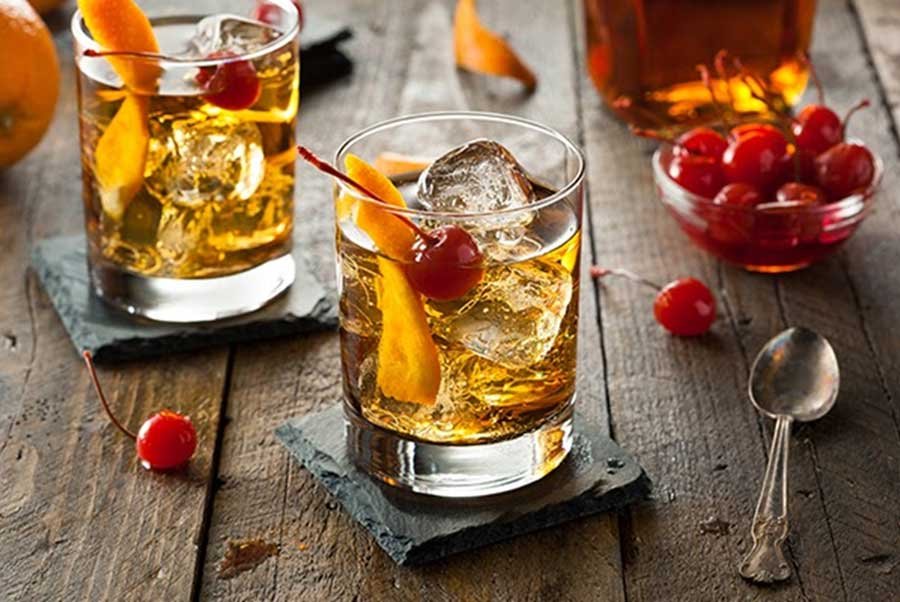
4.2 Interaction Between Wood and Spirit

Inside a barrel:

  • Alcohol extracts compounds from wood
  • Oxygen slowly enters through pores
  • Reactions soften harsh edges

This is not storage. It is transformation.

4.3 Time as a Flavor Builder

Aging introduces:

  • Vanilla notes
  • Caramel tones
  • Spice complexity

But it also creates risk:

  • Over-aging leads to imbalance
  • Evaporation (“angel’s share”) reduces volume

Time is both creator and destroyer.


Chapter 5: Regional Identity Formation

5.1 Scotland: Smoke and Landscape

Scotch whiskey is shaped by:

  • Peat
  • Coastal climate
  • Long aging traditions

Smoke becomes identity.


5.2 Ireland: Smoothness and Tradition

Irish whiskey historically emphasized:

  • Triple distillation
  • Lighter profiles
  • Accessibility

5.3 America: Innovation and Expansion

Bourbon and rye emerged from:

  • New grain availability
  • Legal definitions
  • Agricultural abundance

Corn became the foundation of American whiskey identity.


Chapter 6: Whiskey and Industrial Change

6.1 Mechanization

Industrialization introduced:

  • Large-scale distillation
  • Standardization
  • Distribution networks

6.2 Global Trade Expansion

Whiskey became an export product.

Ships carried barrels across continents, spreading regional styles globally.


6.3 Regulation and Definition

Legal definitions began to formalize:

  • What counts as bourbon
  • What qualifies as Scotch
  • Aging requirements

Whiskey became both cultural and legal identity.


Chapter 7: The Cultural Elevation of Whiskey

7.1 From Utility to Symbol

Whiskey transitioned from:

  • Medicine → commodity → luxury symbol

7.2 Masculinity and Myth

Marketing often linked whiskey to:

  • Strength
  • Independence
  • Tradition

These associations shaped global perception.


7.3 Modern Reinterpretation

Today whiskey also represents:

  • Craft identity
  • Slow living
  • Cultural heritage

Chapter 8: The Modern Whiskey Renaissance

8.1 Craft Distilleries

Small producers are redefining whiskey through:

  • Experimental aging
  • Local ingredients
  • Innovative cask use

8.2 Global Expansion

New whiskey regions include:

  • Japan
  • India
  • Taiwan

Each adds unique environmental influence.


8.3 Flavor Diversification

Modern whiskey now spans:

  • Light and floral
  • Rich and smoky
  • Fruity and experimental

Chapter 9: Whiskey as Memory

Unlike many drinks, whiskey carries temporal weight.

Each bottle reflects:

  • A year of climate
  • A specific barrel
  • A moment of decision

It is liquid time.


Conclusion: A Civilization in a Glass

Whiskey is not just alcohol.

It is:

  • Geography
  • Agriculture
  • Chemistry
  • History
  • Culture

It began as necessity, evolved through craft, and now exists as a symbol of time itself.

Every sip is not just consumption.

It is participation in centuries of transformation.
Tags: Culturewhiskey
ShareTweetShare

Related Posts

The History of Whisky — From Monastic Origins to Global Industry
Whiskey

The Future of Whisky — Innovation, Sustainability, and Global Trends

April 25, 2026
The History of Whisky — From Monastic Origins to Global Industry
Whiskey

Whisky Culture — Rituals, Tasting, and Lifestyle

April 25, 2026
The History of Whisky — From Monastic Origins to Global Industry
Whiskey

Global Whisky Styles — Scotch, Bourbon, Japanese, and Beyond

April 25, 2026
The History of Whisky — From Monastic Origins to Global Industry
Whiskey

How Whisky Is Made — Grains, Distillation, and the Science of Aging

April 25, 2026
The History of Whisky — From Monastic Origins to Global Industry
Whiskey

The History of Whisky — From Monastic Origins to Global Industry

April 25, 2026
Whiskey and the Shape of Civilization — From Monasteries to Modern Glasses
Whiskey

The Economics of Whiskey — Scarcity, Investment, and the Psychology of Value

April 21, 2026
Leave Comment
  • Trending
  • Comments
  • Latest
Role of Terroir in Champagne Production

Role of Terroir in Champagne Production

January 19, 2026
Champagne Can Be Aged in Wood?

Champagne Can Be Aged in Wood?

January 18, 2026
Is Organic Wine Healthier Than Conventional Wine?

Is Organic Wine Healthier Than Conventional Wine?

January 20, 2026
Why Do Some Champagnes Use a High Proportion of Pinot Meunier?

Why Do Some Champagnes Use a High Proportion of Pinot Meunier?

January 20, 2026
The Timeless Elegance of Wine: A Journey Through History and Culture

The Timeless Elegance of Wine: A Journey Through History and Culture

Why Is Château Lafite Rothschild the Pinnacle of Fine Wine?

Why Is Château Lafite Rothschild the Pinnacle of Fine Wine?

How Did Château Lafite Rothschild Become a Global Icon of Luxury?

How Did Château Lafite Rothschild Become a Global Icon of Luxury?

What Makes Chateau Lafite Rothschild the Pinnacle of Bordeaux Wines?

What Makes Chateau Lafite Rothschild the Pinnacle of Bordeaux Wines?

Beer as a Cultural and Social Force: From Ancient Brew to Modern Identity

The Art of Beer & Food Pairing: Unlocking Flavor Through Balance, Contrast, and Texture

April 26, 2026
Beer as a Cultural and Social Force: From Ancient Brew to Modern Identity

A Complete Guide to Beer Styles: From Lager to Stout, Understanding Flavor, Body, and Character

April 26, 2026
Beer as a Cultural and Social Force: From Ancient Brew to Modern Identity

The Global Beer Industry: Craft Revolution, Market Forces, and the Future of Brewing

April 26, 2026
Beer as a Cultural and Social Force: From Ancient Brew to Modern Identity

The Science of Beer: Brewing Process, Ingredients, and the Chemistry of Flavor

April 26, 2026
SipsavorLife

Welcome to our comprehensive beverage guide, where you can explore the fascinating world of alcoholic drinks. From exquisite wines and rich whiskeys to refreshing beers and sparkling champagnes, we provide insights, tips, and recommendations for enthusiasts and casual drinkers alike. Discover your next favorite libation with us!

© 2025 sipsavorlife.com. contacts:sipsavorlife-35376@gmail.com

No Result
View All Result
  • Home
  • Wine
  • Whiskey
  • Beer
  • Grain Spirits
  • Champagne
  • ALL

© 2025 sipsavorlife.com. contacts:sipsavorlife-35376@gmail.com

Welcome Back!

Login to your account below

Forgotten Password?

Retrieve your password

Please enter your username or email address to reset your password.

Log In