Introduction: More Than Just a Drink
Wine is often described as a beverage, but this definition barely captures its essence. It is history in a glass, geography in liquid form, and culture distilled through time. From ancient civilizations to modern luxury markets, wine has occupied a unique position—both everyday pleasure and refined indulgence.
To truly understand wine is not simply to drink it, but to engage with it. Each bottle carries a story shaped by soil, climate, human craftsmanship, and time. The journey into wine is not about memorizing labels or impressing others—it is about learning to taste, to notice, and to appreciate.
The Origins of Wine: A Historical Perspective
Wine’s origins date back thousands of years, with evidence suggesting that early winemaking began in regions spanning the Caucasus and the Middle East. Ancient societies quickly integrated wine into their daily lives.
In ancient Greece, wine was central to social gatherings and philosophical discussions. The Romans expanded viticulture across Europe, establishing vineyards that would later define global wine culture.
During the Middle Ages, monasteries preserved winemaking techniques, refining methods that are still used today. Over time, wine evolved from a necessity into an art form.
Understanding Terroir: The Soul of Wine
One of the most important concepts in wine is terroir.
Terroir refers to the combination of environmental factors that influence a wine’s character, including:
- Soil composition
- Climate
- Altitude
- Sun exposure
These elements interact to create unique flavor profiles.
For example, grapes grown in cooler climates often produce wines with higher acidity and lighter body, while warmer regions tend to yield richer, fuller wines.
Terroir is what makes wine deeply connected to place. Two wines made from the same grape variety can taste entirely different depending on where they are grown.
The Grape: Foundation of Flavor
At the heart of every wine is the grape.
There are thousands of grape varieties, but a relatively small number dominate global production. Each variety has distinct characteristics:
- Some are bold and tannic
- Others are light and aromatic
- Some age beautifully over decades
- Others are best enjoyed young
The grape determines the foundation, but it is only the beginning.
Winemaking: Science Meets Art
The transformation from grape to wine involves a delicate balance of science and creativity.
The process typically includes:
- Harvesting
Grapes are picked at optimal ripeness. - Fermentation
Yeast converts sugars into alcohol. - Aging
Wine develops complexity over time, often in barrels or tanks. - Bottling
The final product is sealed for distribution or further aging.
Each step involves decisions that shape the final taste.
Winemakers must balance tradition with innovation, making choices that influence texture, aroma, and structure.
Tasting Wine: Developing Your Palate
Wine tasting is often misunderstood as something reserved for experts. In reality, it is a skill anyone can develop.
The process involves three main steps:
1. Observation
Look at the wine’s color and clarity.
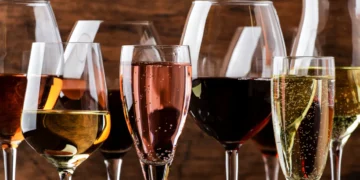
- Lighter colors often indicate younger wines
- Deeper hues may suggest age or concentration
2. Aroma
Swirl the glass to release aromas.
Common scent categories include:
- Fruits
- Flowers
- Spices
- Earthy notes
3. Taste
Take a sip and notice:
- Sweetness
- Acidity
- Tannins
- Body
- Finish
Over time, your ability to identify these elements improves.
The Role of Aging
Not all wines are meant to age, but for those that are, time can transform them dramatically.
As wine ages:
- Tannins soften
- Flavors integrate
- New aromas develop
However, aging requires proper storage conditions, including stable temperature and minimal light exposure.
Wine and Food: A Timeless Pairing
Wine and food pairing enhances both elements.
Basic principles include:
- Matching intensity (light with light, bold with bold)
- Balancing flavors (acidic wine with fatty food)
- Complementing or contrasting tastes
For example:
- Crisp white wines pair well with seafood
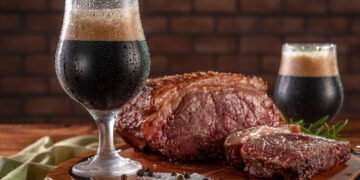
- Full-bodied reds complement rich meats
Pairing is not about rules, but about exploration.
The Global Wine Landscape
Today, wine is produced worldwide.
Traditional regions are known for their heritage and established practices, while newer regions bring innovation and experimentation.
Globalization has expanded access, allowing consumers to explore wines from different cultures and climates.
Wine as Culture and Identity
Wine is deeply tied to identity.
It reflects:
- Regional traditions
- Agricultural practices
- Social customs
In many cultures, wine is more than a drink—it is part of daily life and celebration.
The Economics of Wine
The wine industry is vast and complex.
It includes:
- Small family vineyards
- Large commercial producers
- Global distribution networks
Pricing varies widely, influenced by:
- Brand reputation
- Production methods
- Scarcity
Interestingly, price does not always correlate directly with enjoyment.
Common Misconceptions About Wine
“Expensive Means Better”
Not necessarily. Personal preference plays a significant role.
“You Need Expertise to Enjoy Wine”
Enjoyment comes first. Knowledge enhances it, but is not required.
“There Are Strict Rules”
Wine culture is evolving. Flexibility and curiosity matter more than rigid guidelines.
The Future of Wine
The wine world is changing.
Key trends include:
- Sustainable and organic production
- Technological innovation
- Changing consumer preferences
Younger generations are redefining how wine is consumed and perceived.
Conclusion: A Lifelong Journey
Wine is not something you master quickly.
It is a lifelong journey of discovery.
Each bottle offers an opportunity to learn something new—about taste, about culture, about the world.
And perhaps that is what makes wine so compelling.
It is not just something you drink.
It is something you experience.