
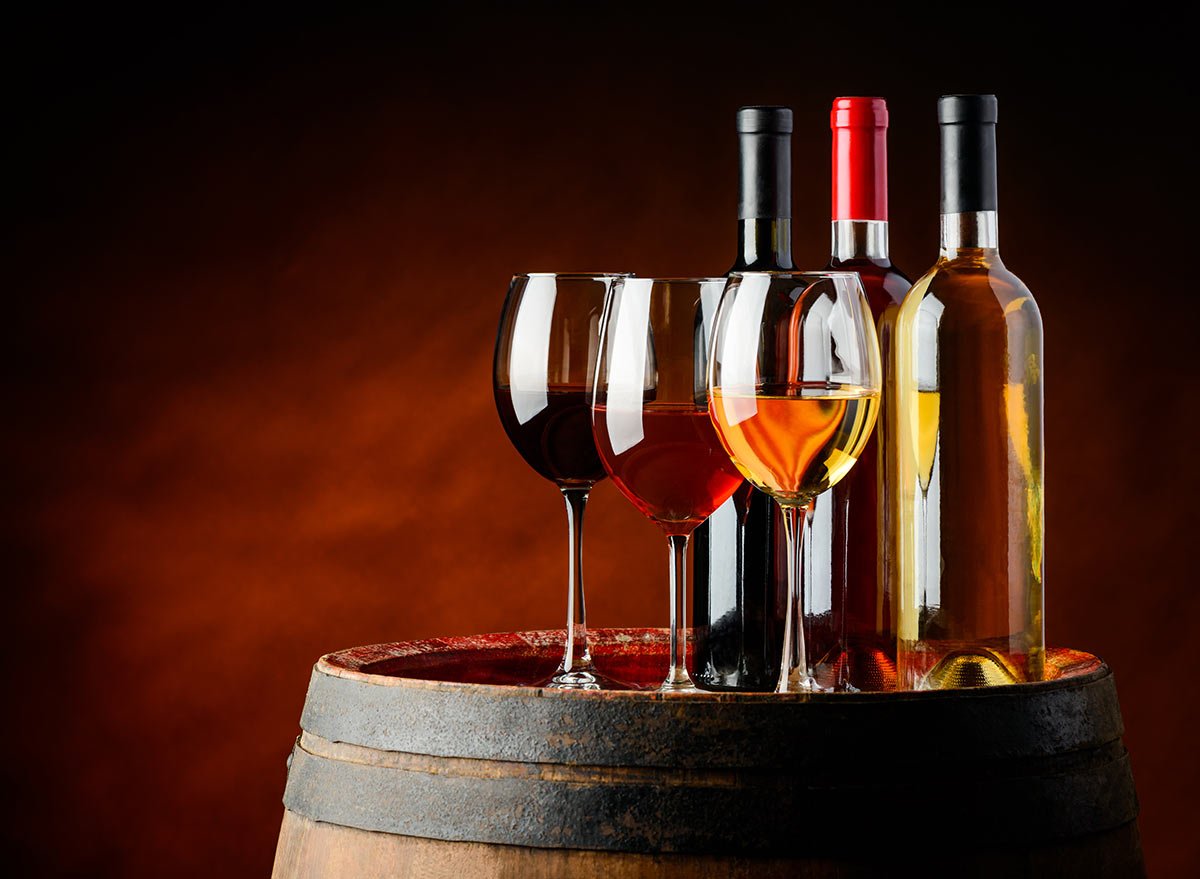
Introduction: The Difference Between Drinking and Tasting
Most people drink wine. Far fewer truly taste it.
At first glance, the difference may seem subtle. After all, both involve the same act—lifting a glass, taking a sip, and experiencing flavor. But wine tasting is not passive consumption; it is active perception.
It is the process of slowing down, engaging the senses, and learning to identify the layers within a wine. It transforms a simple drink into a multidimensional experience.
Mastering wine tasting is not about memorizing complicated terminology or impressing others. It is about training your senses to notice what was always there.
The Foundations of Wine Tasting
Wine tasting relies on three primary senses:
- Sight
- Smell
- Taste
Each plays a critical role in building a complete understanding of the wine.
Step One: Seeing the Wine
Before the first sip, observation begins.
Hold the glass against a neutral background and examine:
Color
Color provides clues about age, grape variety, and style.
- Pale tones often indicate youth or lighter styles
- Deep, saturated colors suggest concentration or aging
Clarity
A clear, bright wine typically indicates proper filtration and stability.
Cloudiness may suggest minimal intervention or potential faults.
Viscosity (“Legs”)
Swirling the wine reveals streaks running down the glass.
While often associated with quality, these “legs” primarily indicate alcohol and sugar levels rather than excellence.
Step Two: Smelling the Wine
Aroma is one of the most complex and revealing aspects of wine.
In fact, much of what we perceive as “taste” actually comes from smell.
How to Smell Properly
- Swirl the glass gently
- Bring it to your nose
- Take short, focused inhales
Avoid rushing. Aroma unfolds in layers.
Understanding Aromas
Wine aromas are typically categorized into three groups:
1. Primary Aromas (From the Grape)
These include:
- Fruits (apple, cherry, citrus)
- Floral notes (rose, violet)
- Herbal characteristics
2. Secondary Aromas (From Winemaking)
Developed during fermentation:
- Yeast
- Bread
- Butter
- Cream
3. Tertiary Aromas (From Aging)
These emerge over time:
- Leather
- Tobacco
- Earth
- Dried fruit
Recognizing these layers is key to advanced tasting.
Step Three: Tasting the Wine
Finally, take a sip—but not too quickly.
Let the wine move across your palate.
Focus on:
Sweetness
Is the wine dry or sweet?
Even dry wines may have subtle sweetness.
Acidity
Acidity creates freshness and structure.
High acidity often feels crisp and refreshing.
Tannins
Found primarily in red wines, tannins create a drying sensation.
They contribute to structure and aging potential.
Body
Body refers to the weight of the wine in your mouth.
- Light-bodied
- Medium-bodied
- Full-bodied
Finish
The finish is how long the flavor lingers after swallowing.
A longer finish often indicates higher complexity.
Training Your Palate
Developing tasting skills takes time.
Here are practical methods:
1. Taste Regularly and Intentionally
Consistency matters more than quantity.
Focus on quality experiences rather than volume.
2. Compare Wines Side by Side
Tasting multiple wines together highlights differences.
This accelerates learning.
3. Take Notes
Recording impressions improves memory and awareness.
Even simple notes can be valuable.
4. Use Familiar References
Relate wine aromas to everyday experiences:
- Fruits you have eaten
- Spices you recognize
- Environments you’ve encountered
Common Beginner Mistakes
1. Overthinking
Trying too hard to identify specific notes can create pressure.
Focus on general impressions first.
2. Rushing the Process
Wine tasting requires patience.
Take time to observe, smell, and taste.
3. Relying on Labels or Price
Perception can be influenced by expectations.
Blind tasting can improve objectivity.
The Role of Environment
Your surroundings affect perception.
Ideal tasting conditions include:
- Neutral lighting
- Minimal strong odors
- Proper glassware
- Correct serving temperature
Even background noise can influence focus.
Glassware and Its Impact
The shape of a glass affects aroma concentration and delivery.
Key factors include:
- Bowl size
- Rim diameter
- Glass thickness
While specialized glasses can enhance the experience, they are not essential for beginners.
Temperature Matters
Serving temperature significantly impacts flavor.
- White wines: cooler, to preserve freshness
- Red wines: slightly warmer, to enhance complexity
Serving wine too cold or too warm can mask important characteristics.
Advanced Tasting Techniques
As skills develop, more nuanced approaches emerge.
1. Retro-Nasal Tasting
After swallowing, exhale through your nose.
This enhances aroma perception.
2. Identifying Structure
Focus on how elements interact:
- Balance between acidity and sweetness
- Integration of tannins
- Overall harmony
3. Evaluating Complexity
Complex wines reveal multiple layers over time.
They evolve in the glass.
Blind Tasting: The Ultimate Skill
Blind tasting removes bias.
Without knowing the wine’s identity, you rely entirely on your senses.
This practice sharpens perception and builds confidence.
Building a Personal Taste Profile
Everyone’s palate is different.
Over time, you will discover preferences:
- Light vs full-bodied
- Fruity vs earthy
- Dry vs sweet
Understanding your own taste is more important than following trends.
Wine Language: Communication and Interpretation
Wine terminology can feel intimidating.
However, it serves a purpose: communication.
Describing wine allows people to share experiences and insights.
But remember—there is no single “correct” description.
Your perception is valid.
The Emotional Dimension of Wine
Wine tasting is not purely technical.
It is also emotional.
A wine can evoke:
- Memories
- Places
- Feelings
These associations are part of the experience.
From Taster to Connoisseur
The transition from beginner to expert is gradual.
It involves:
- Practice
- Curiosity
- Openness
There is always more to learn.
Even experts continue to explore.
Conclusion: Learning to Truly Taste
Wine tasting is not about reaching a final level of mastery.
It is about developing awareness.
Each glass becomes an opportunity:
To notice more.
To understand more.
To appreciate more.
And in doing so, wine becomes more than a drink.
It becomes a dialogue—between you, the wine, and the world it comes from.