






























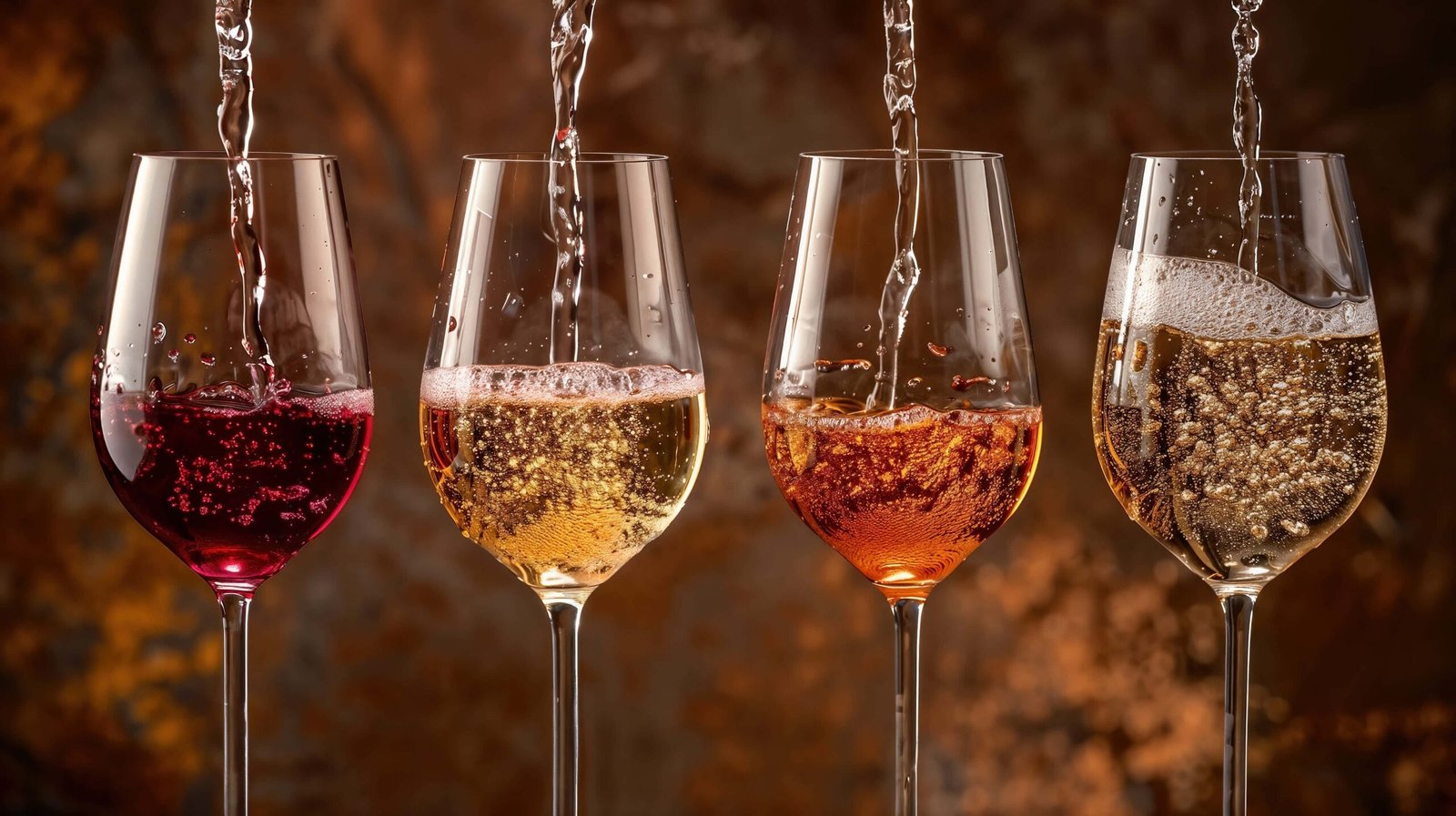
Introduction: A Changing Glass
For centuries, wine culture was shaped by tradition.
It was formal, structured, and often intimidating. Knowledge was hierarchical, access was limited, and consumption followed established norms. Wine was associated with expertise, status, and sometimes exclusivity.
Today, that world is changing.
A new generation of consumers is entering the wine space—not as passive participants, but as active reshapers. They are redefining how wine is perceived, consumed, marketed, and even produced.
Wine is no longer just about heritage.
It is about experience, identity, and accessibility.
From Tradition to Experience
Traditional wine culture emphasized rules:
- Proper glassware
- Specific serving rituals
- Formal tasting language
While these practices still exist, they are no longer dominant.
Younger consumers prioritize experience over correctness.
They ask:
- Does it taste good to me?
- Does it fit the moment?
- Does it align with my lifestyle?
This shift moves wine from a “correct way” to a personal way.
The Rise of Casual Consumption
Wine is becoming more casual.
It is no longer reserved for:
- Formal dinners
- Celebrations
- Special occasions
Instead, it is integrated into everyday life:
- Weeknight relaxation
- Social gatherings
- Personal downtime
This normalization expands the market significantly.
Social Media and the Visual Culture of Wine
Platforms like TikTok and Instagram have transformed how wine is presented.
Wine is no longer just tasted—it is seen.
Key shifts include:
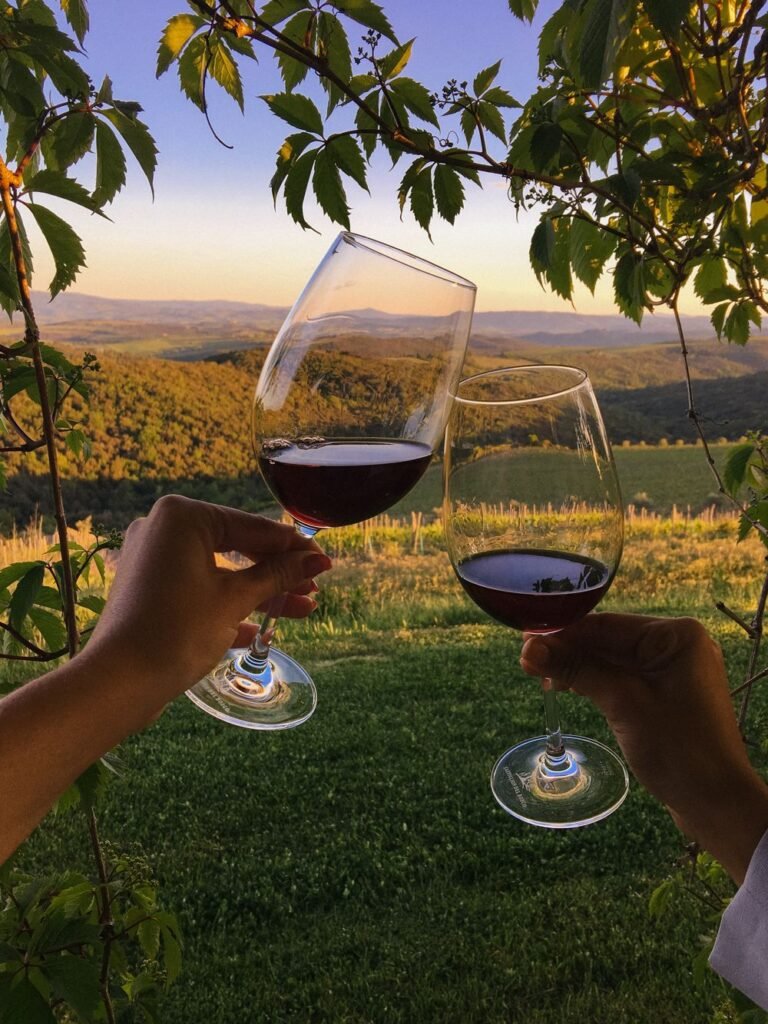
- Aesthetic presentation (glassware, lighting, setting)
- Short-form educational content
- Lifestyle storytelling
Visual appeal plays a major role in attracting new consumers.
The Influence of Content Creators
Wine education was once controlled by experts.
Now, content creators play a significant role.
They:
- Simplify complex concepts
- Make wine approachable
- Share personal experiences
This democratization reduces barriers to entry.
People no longer feel they need formal training to participate.
Flavor Over Formality
Younger consumers prioritize flavor preferences over traditional classifications.
Instead of focusing on:
- Region
- Prestige
- Technical details
They focus on:
- Taste
- Mood
- Occasion
This leads to more flexible consumption patterns.
The Growth of Alternative Wine Styles
New styles are gaining popularity:
1. Natural Wines
Produced with minimal intervention.
Appeal:
- Authenticity
- Sustainability
- Unique flavor profiles
2. Orange Wines
White grapes fermented with skins.
Result:
- More texture
- Complex flavor
- Distinctive appearance
3. Low-Alcohol and Alcohol-Free Wines
Reflect changing health preferences.
These options expand accessibility.
Sustainability as a Core Value
Sustainability is no longer optional—it is expected.
Consumers are paying attention to:
- Farming practices
- Packaging
- Environmental impact
Brands that align with these values gain trust.
Packaging Innovation
Traditional wine packaging is evolving.
New formats include:
- Cans
- Smaller bottles
- Eco-friendly materials
These formats offer:
- Convenience
- Portability
- Reduced waste
They also appeal to younger lifestyles.
Wine as Identity Expression
Consumption choices reflect identity.
Wine is increasingly used to signal:
- Taste
- Values
- Lifestyle
For example:
- Choosing organic wine
- Supporting small producers
- Exploring unique styles
Wine becomes part of personal branding.
Breaking the Intimidation Barrier
Historically, wine could feel exclusive.
Complex terminology and rigid expectations discouraged newcomers.
Modern trends emphasize:
- Simplicity
- Inclusivity
- Accessibility
This opens the category to a broader audience.
The Role of Price Sensitivity
Younger consumers are more price-conscious.
They seek:
- Value for money
- Affordable quality
- Transparent pricing
This challenges traditional premium positioning.
Digital Commerce and Accessibility
Online platforms have made wine more accessible than ever.
Consumers can:
- Discover new brands
- Compare options
- Purchase directly
This reduces reliance on traditional retail channels.
The Experience Economy
Wine is increasingly part of the experience economy.
It is integrated into:
- Travel
- Events
- Social activities
Consumers value:
- Storytelling
- Atmosphere
- Personal connection
The Globalization of Taste
Exposure to global wines is increasing.
Consumers are exploring:
- New regions
- Unfamiliar styles
- Diverse flavor profiles
This expands preferences and reduces reliance on traditional markets.
Challenges Facing the Industry
Despite growth, the wine industry faces challenges:
1. Competition from Other Beverages
Craft beer, cocktails, and alternative drinks compete for attention.
2. Climate Change
Affects grape production and quality.
3. Changing Consumption Habits
Younger generations may drink less overall.
Opportunities for Brands
To succeed, brands must adapt.
Key strategies include:
- Authentic storytelling
- Transparent communication
- Digital engagement
- Product innovation
Understanding the new consumer is critical.
Wine Content as a Business Opportunity
The shift in wine culture creates opportunities beyond production.
Content creators can build platforms around:
- Education
- Reviews
- Lifestyle integration
Monetization can include:
- Affiliate sales
- Brand partnerships
- Digital products
The Future of Wine Culture
Wine culture is becoming:
- More inclusive
- More flexible
- More experience-driven
Tradition will remain, but it will coexist with innovation.
Conclusion: A New Chapter for Wine
Wine is no longer defined solely by its past.
A new generation is reshaping its future.
They are not rejecting tradition—they are reinterpreting it.
They are making wine:
- More accessible
- More personal
- More relevant
And in doing so, they are ensuring that wine remains not just a historical artifact—
But a living, evolving part of modern culture.










