






























Introduction: A Dynamic and Evolving Industry
Beer has always been a reflection of culture, taste, and innovation. From ancient fermentation practices to modern craft experimentation, the beer industry is continuously evolving. Today, global consumption patterns, technological advancements, sustainability concerns, and changing consumer lifestyles are driving unprecedented innovation in brewing, marketing, and consumption.
This article explores current trends, innovations, and emerging opportunities shaping the future of beer, examining both mass-market and craft segments while highlighting the transformative forces of technology, health consciousness, and global culture.
1. Global Beer Market Overview
1.1 Market Size and Growth Trends
- Global beer market valued over $650 billion USD in 2025, projected to reach $720 billion by 2030
- Asia-Pacific markets growing fastest due to rising urbanization and middle-class expansion
- Emerging markets like Africa and Latin America increasingly significant
1.2 Shifts in Consumption Patterns
- Younger consumers (millennials and Gen Z) prefer craft, innovative, and authentic beers
- Urbanization drives premiumization and willingness to pay for unique flavors
- Decline in heavy consumption in traditional markets offset by growth in specialty segments
1.3 Regional Market Highlights
- Europe: Premiumization, heritage brands, and beer tourism
- North America: Craft beer innovation, low/non-alcoholic adoption
- Asia-Pacific: Urban craft boom, flavored beers, beer festivals
- Latin America & Africa: Growing youth-oriented markets and cultural adaptation
2. Key Trends in Beer Consumption
2.1 Rise of Craft and Specialty Beers
- Consumers seek authenticity, creativity, and unique experiences
- Small-batch production encourages experimentation with flavors, ingredients, and styles
- Collaboration between breweries and other industries (distilleries, chocolatiers) enhances innovation
2.2 Health-Conscious Consumption
- Low-alcohol (below 3%) and non-alcoholic beers rapidly growing
- Gluten-free, organic, and reduced-calorie beers appeal to health-conscious consumers
- Alcohol moderation trends influence product development and marketing
2.3 Flavor Exploration
- Fruit-infused, spiced, and botanical beers increasing in popularity
- Barrel-aged beers with whiskey, wine, or rum casks enhance complexity
- Consumers willing to pay premium for limited-edition and experimental beers
2.4 Experiential and Social Consumption
- Tasting rooms, brewery tours, and immersive beer experiences attract consumers
- Festivals and beer-pairing dinners provide social and educational engagement
- Online communities, subscription boxes, and digital engagement enhance loyalty
3. Technological Innovations in Brewing
3.1 Automated Brewing Systems
- IoT-enabled sensors monitor fermentation, temperature, and pH
- Automation improves consistency, efficiency, and scalability for small and medium breweries
- Data analytics helps optimize recipes, reduce waste, and predict flavor outcomes
3.2 AI and Machine Learning Applications
- Predictive modeling for consumer preferences and market trends
- AI-assisted recipe development for new flavor profiles and hybrid beer styles
- Quality control and anomaly detection in production processes
3.3 Sustainable Brewing Technology
- Water and energy conservation systems reduce environmental footprint
- Reuse of spent grains for livestock feed, biofuel, and baking applications
- Carbon-neutral initiatives and renewable energy integration in brewery operations
3.4 Blockchain and Traceability
- Authenticity verification for premium and limited-edition beers
- Transparency in ingredient sourcing and production methods
- Enhanced trust for consumers, particularly in global export markets
4. Low-Alcohol and Non-Alcoholic Beer Revolution
4.1 Consumer Demand Drivers
- Rising health awareness and moderation trends
- Expanding options for social occasions where alcohol is not desired
- Millennials and Gen Z showing increased preference for wellness-oriented products
4.2 Innovation in Production
- Vacuum distillation and reverse osmosis techniques preserve flavor while removing alcohol
- Infusion of flavors and carbonation to replicate full-strength beer experience
- Craft breweries experimenting with low/non-alcoholic variants to maintain brand identity
4.3 Market Impact
- Non-alcoholic beer segment expected to grow at 10-12% CAGR through 2030
- Premiumization in non-alcoholic beers increases average selling price
- Export opportunities for countries with strict alcohol regulations
5. Packaging and Design Trends
5.1 Innovative Packaging Formats
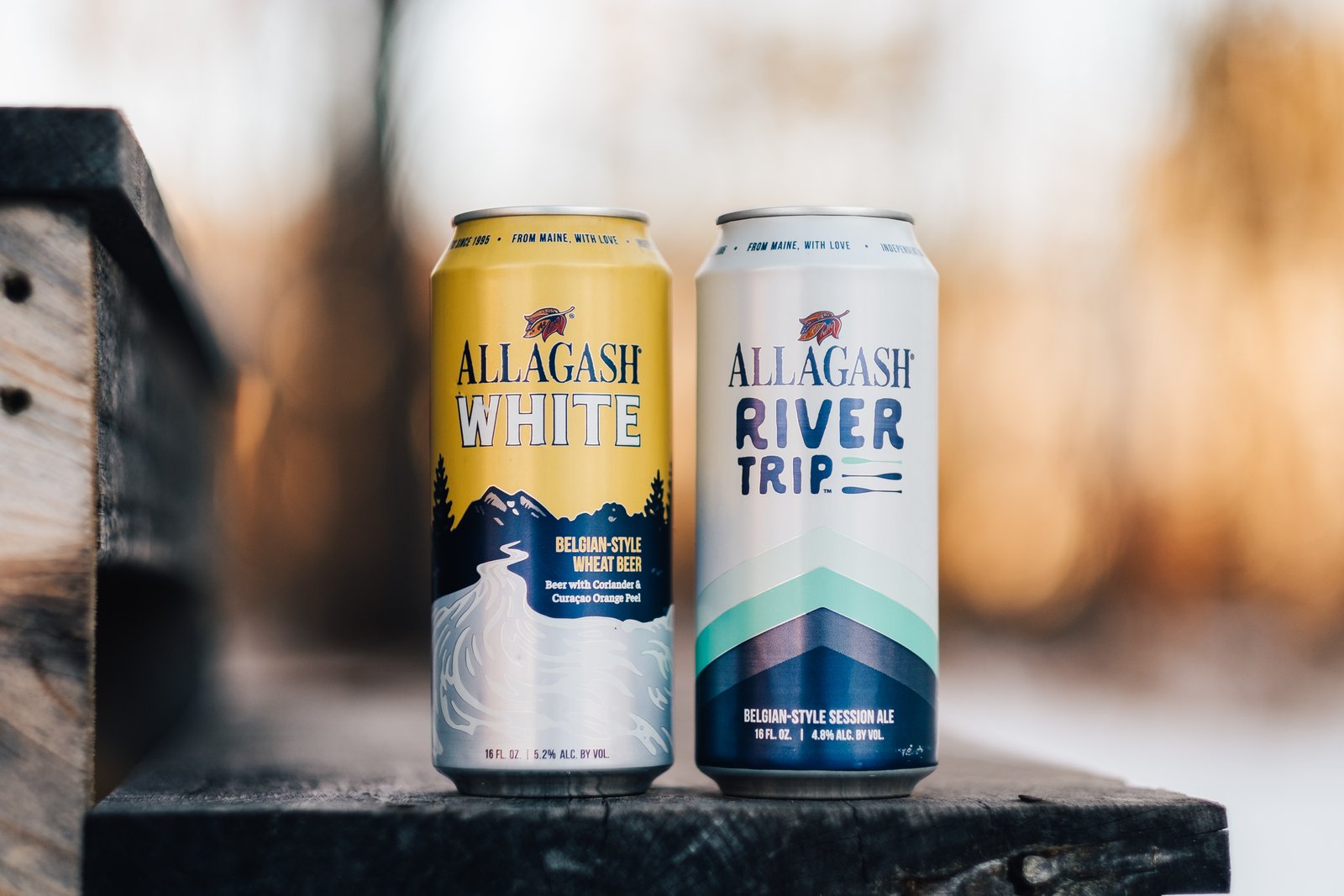
- Cans and bottles with creative designs and collectible series
- Eco-friendly packaging: biodegradable, recycled, and reusable options
- Personalized packaging for gifting or limited-edition releases
5.2 Marketing and Branding Innovations
- Storytelling through label design, brewery heritage, and seasonal themes
- Integration of QR codes, AR, and social media to engage consumers digitally
- Direct-to-consumer models allow customized experiences and brand loyalty
5.3 Ready-to-Drink (RTD) Beverages
- Beer cocktails, mixed drinks, and canned cocktails merging convenience and craft quality
- Urban consumers increasingly value portability and innovative flavor combinations
6. Beer in Digital and Social Media Culture
6.1 Social Media Influence
- Instagram, TikTok, and YouTube showcase brewing processes, flavors, and experiences
- Influencer partnerships and virtual tastings expand brand reach
- Engaging content drives consumer education and emotional connection
6.2 Online Communities and Subscription Models
- Beer clubs and subscription boxes introduce consumers to new flavors
- Digital platforms allow remote tasting workshops and brewery tours
- Crowdfunding and online pre-orders support new brewery launches
6.3 E-Commerce and Delivery Trends
- Direct-to-consumer shipping of craft beer and limited editions
- Beer delivery apps and platforms expand market access
- COVID-19 accelerated adoption of online beer sales globally
7. Sustainability and Ethical Brewing Trends
7.1 Environmental Responsibility
- Reduced water usage, energy-efficient operations, and waste reduction
- Renewable energy, green packaging, and eco-friendly logistics
- Consumer preference for sustainable brands drives market differentiation
7.2 Local Sourcing and Community Engagement
- Partnerships with local farmers for hops, grains, and adjuncts
- Supporting local economies while reducing carbon footprint
- Community-oriented brewing and social responsibility programs enhance brand reputation
7.3 Upcycling and Innovation
- Spent grains used in bread, snacks, and livestock feed
- Collaboration with other industries to minimize waste
- Sustainability as a driver of both innovation and consumer loyalty
8. Globalization and Market Expansion
8.1 Emerging Markets
- Asia-Pacific, Latin America, and Africa present high-growth opportunities
- Urbanization, rising disposable incomes, and festival culture drive adoption
- Cross-cultural collaborations foster innovation and appeal
8.2 Export and International Branding
- Craft beers and premium brands expanding globally
- Regional beer identities (Belgian ales, German lagers, American IPAs) maintained in international markets
- Marketing tailored to local tastes while preserving brand authenticity
8.3 Cultural Adaptation and Consumer Engagement
- Beer festivals, tasting workshops, and food pairing events introduce new consumers
- Urban consumers attracted to craft beer innovation and storytelling
- Beer as a lifestyle choice: social, cultural, and experiential consumption
9. Future Innovations and Opportunities
9.1 Hybrid Beers and Flavor Experimentation
- Fusion of beer with cocktails, coffee, tea, fruit, or spices
- Barrel-aged beers using unique casks for layered flavors
- Seasonal and limited-edition releases driving excitement and scarcity
9.2 Technology-Driven Personalization
- AI-based flavor profiling and recipe customization
- Smart tap systems allowing personalized pours and blends
- Consumer engagement through digital platforms, apps, and augmented reality experiences
9.3 Experiential Consumption
- Taprooms, brewpubs, and culinary collaborations for immersive experiences
- Beer tourism integrating brewery visits, tasting workshops, and food pairings
- Multi-sensory events combining taste, aroma, visuals, and storytelling
9.4 Education and Professional Development
- Beer sommeliers, brewers’ certifications, and culinary programs
- Global knowledge exchange and innovation networks
- Enhanced consumer understanding of flavors, brewing science, and sustainability
10. Conclusion: The Future of Beer
Beer is entering a transformative era. Changing consumer preferences, technological innovation, sustainability initiatives, and experiential culture are reshaping how beer is brewed, marketed, and consumed. From low-alcohol innovations to barrel-aged experiments, from immersive digital experiences to global market expansion, beer continues to evolve as both an art and a science.
As craft and mass-market breweries adapt to new trends and embrace technology, the global beer landscape promises richer flavors, sustainable practices, and cultural engagement. Beer is no longer just a beverage—it is an experience, a culinary partner, a lifestyle choice, and a medium for innovation. Its future lies in balancing tradition with creativity, quality with sustainability, and local heritage with global reach.










