






























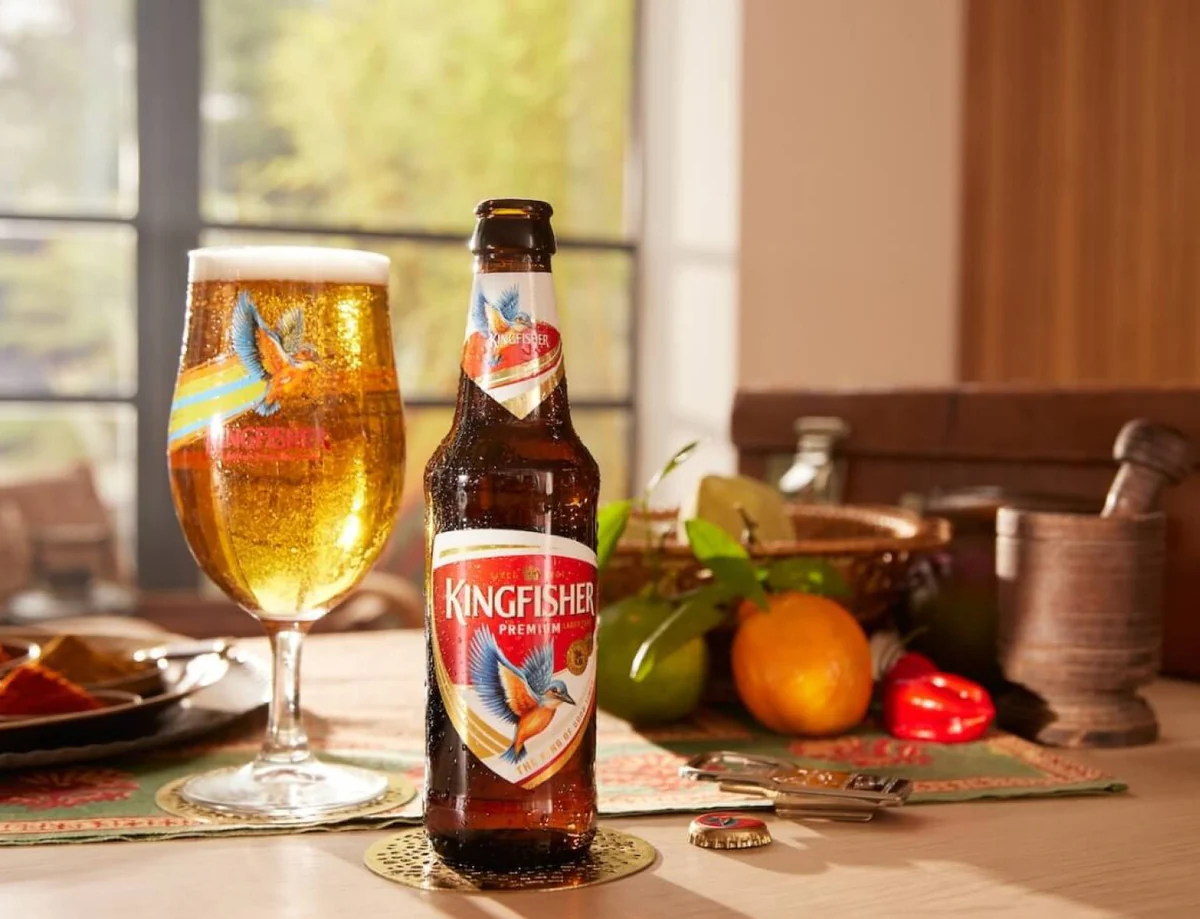
Introduction: Beer Beyond the Glass
Beer is more than just a beverage—it is a culinary ingredient, a pairing companion, and a cultural icon. Across the globe, beer has evolved to play an integral role in gastronomy, from enhancing flavors in recipes to complementing meals in fine dining. This exploration covers beer’s influence on cuisine, pairing principles, cooking applications, festival culture, and the ways restaurants and chefs incorporate beer into modern culinary experiences.
1. The Historical Role of Beer in Food Culture
1.1 Beer as a Staple in Early Societies
- In Mesopotamia and Ancient Egypt, beer was consumed alongside daily meals
- Provided calories and nutrients where bread and grains were primary staples
- Beer was incorporated into stews and porridge, highlighting early food-beverage integration
1.2 Medieval Europe and Monastic Cuisine
- Monasteries brewed beer for consumption with meals, nutrition, and preservation
- Recipes often included beer in breads, sauces, and meat dishes
- Taverns paired local beers with traditional foods, creating regional gastronomic identities
1.3 Beer in Regional Food Traditions
- Germany: Beer with sausages, pretzels, and hearty stews
- Belgium: Lambic beers paired with cheeses and desserts
- UK: Ales with pies, roasted meats, and pub fare
2. Beer Pairing Principles
2.1 Complementary Pairings
- Malty, sweet beers balance rich, fatty, or sweet foods
- Examples: Caramel malts with roasted vegetables or caramel desserts
- Wheat beers with lighter foods, seafood, and salads
2.2 Contrasting Pairings
- Bitter beers cut through richness and fat
- Hoppy IPAs with spicy dishes or fried foods enhance balance
- Sour beers contrast sweetness or creamy textures for palate cleansing
2.3 Regional Pairing Approaches
- Belgian ales with soft cheeses
- German lagers with sausages and sauerkraut
- American stouts with chocolate desserts or coffee-flavored dishes
2.4 Seasonal Pairing Concepts
- Summer: Light lagers with fresh salads and grilled seafood
- Winter: Dark ales and porters with stews, roasted meats, and baked goods
- Festivals: Seasonal beers paired with traditional holiday dishes
3. Beer as a Culinary Ingredient
3.1 Marinades and Braises
- Beer adds moisture, flavor, and tenderization to meat dishes
- Porter or stout enhances red meat braises
- Pale ales used for lighter proteins like chicken or pork
3.2 Baking and Dough Applications
- Beer bread: Natural carbonation improves texture and rise
- Savory doughs: Hoppy beers or wheat ales add aroma and subtle bitterness
- Pastries: Dark beers incorporated into chocolate cakes, brownies, or ganache
3.3 Sauces and Reductions
- Beer reductions for savory sauces complement meat and vegetable dishes
- Stouts and porters for rich, earthy sauces
- Fruit-infused beers add complexity to vinaigrettes and glazes
3.4 Stews, Soups, and Casseroles
- Beer-based stews enhance depth of flavor
- Lager or amber ales bring subtle sweetness and maltiness
- Regional dishes like German beer goulash or Irish beef and stout stew exemplify this
3.5 Pairing with Desserts
- Stouts with chocolate desserts, tiramisu, and brownies
- Lambics with fruit tarts, cheesecakes, and custards
- Sweet beer reduction sauces over ice cream or fresh fruits
4. Craft Beer and Gastronomy Innovation
4.1 Flavor Experimentation in Food Pairings
- Fruity IPAs with tropical fruit salads
- Barrel-aged beers paired with fine cheeses
- Sour beers complementing creamy or fatty dishes
4.2 Beer-Centric Dining Experiences
- Gastropubs integrating beer flights with tasting menus
- Beer pairing dinners: Each course matched with complementary beers
- Brewmaster collaboration with chefs for signature dishes
4.3 Beer-Infused Desserts and Chocolates
- Stout brownies, beer gelato, beer caramels
- Chocolate and stout pairings enhancing depth and aroma
- Pastry chefs experimenting with seasonal craft beers
5. Beer Festivals and Culinary Integration
5.1 Oktoberfest and German Beer Culture
- Beer and traditional Bavarian cuisine: pretzels, sausages, roast pork
- Seasonal beers enhance flavor pairing with festival foods
- Culinary tourism drives global appreciation
5.2 Belgian Beer Festivals
- Highlight Trappist ales, lambics, and specialty beers with local cheeses and desserts
- Pairing sessions educate consumers and enhance gastronomic knowledge
5.3 Emerging Craft Beer Festivals Worldwide
- U.S., Canada, Japan, and Asia-Pacific: Focus on food-beer pairing workshops
- Integration with local gastronomy for tourists and enthusiasts
- Interactive experiences: tasting, cooking demos, and chef collaborations
6. Beer in Modern Restaurant Culture
6.1 Beer Menus and Pairing Recommendations
- Restaurants offering curated beer flights
- Staff trained in flavor profiles and pairing principles
- Enhances consumer experience and sales
6.2 Gastropubs and Culinary Beer Trends
- Emphasis on locally sourced ingredients paired with local beers
- Menu design considers seasonal beer availability
- Beer cocktails and beer-infused cocktails as culinary innovation
6.3 Beer Tourism and Dining Experiences
- Breweries hosting onsite restaurants
- Farm-to-glass experiences: beer paired with farm-fresh dishes
- Culinary workshops and tasting experiences for global travelers
7. Beer as a Lifestyle and Cultural Symbol
7.1 Collectible and Limited-Edition Beers
- Seasonal and special releases paired with gourmet dishes
- Collaboration between brewers and chefs for unique experiences
- Beer tasting as cultural education and leisure activity
7.2 Educational Experiences
- Cooking classes using beer as a primary ingredient
- Tasting workshops emphasizing aroma, taste, and pairing principles
- Culinary schools integrating beer studies in gastronomy curriculum
7.3 Social and Cultural Engagement
- Beer festivals fostering community connection
- International exchange of culinary techniques and pairing philosophies
- Celebrations, holidays, and rituals linked to regional beers and dishes
8. Sustainability and Culinary Trends in Beer
8.1 Eco-Friendly Beer and Food Pairing Practices
- Local sourcing reduces environmental impact
- Upcycled ingredients: spent grain in bread and other dishes
- Beer breweries incorporating sustainable packaging for culinary applications
8.2 Organic and Specialty Ingredients
- Craft breweries using organic hops, malts, and adjuncts
- Organic pairing menus: beer paired with farm-to-table cuisine
- Enhances flavor while appealing to eco-conscious consumers
8.3 Health and Wellness Trends
- Low-alcohol and non-alcoholic beers incorporated into cooking
- Balanced pairing principles considering calorie and nutrient content
- Trend toward lighter, fresher dishes paired with light beers
9. Future of Beer in Culinary Arts
9.1 Global Fusion and Innovation
- Incorporation of regional beers in international cuisine
- Fusion dishes combining flavors from multiple beer styles
- Chefs experimenting with rare or exotic craft beers
9.2 Experiential Dining
- Multi-sensory experiences: taste, aroma, visuals, and storytelling
- Beer flights paired with interactive cooking classes
- Customizable menus and personalized tasting experiences
9.3 Digital Integration
- Virtual beer pairing workshops and online tasting events
- Mobile apps guiding beer-food pairings
- Social media platforms showcasing culinary creativity and education
9.4 Education and Professional Development
- Beer sommeliers and culinary educators bridging gastronomy and brewing
- Certification programs for pairing knowledge and expertise
- Growing awareness of beer’s potential in haute cuisine
10. Conclusion: Beer as a Culinary Partner
Beer is no longer confined to the glass—it is an essential component of modern gastronomy. Its diverse flavors, textures, and aromas allow chefs and home cooks to innovate in cooking and pairing. From traditional European meals to modern fusion cuisine, beer enhances culinary experiences, offering balance, depth, and creativity.
As craft breweries continue to innovate and consumer palates evolve, beer’s role in gastronomy will expand. It remains a cultural symbol, a culinary ingredient, and a lifestyle choice, bridging the worlds of flavor, tradition, and innovation.










