






























Introduction: Craft Beer Beyond a Drink
Craft beer represents a fusion of art and science, balancing centuries-old brewing traditions with modern innovation. Unlike mass-produced beers, craft brewers emphasize creativity, quality, and experimentation. From selecting the finest grains to perfecting fermentation, craft beer requires both technical skill and artistic vision.
This article explores the artistry behind craft beer, the science of brewing, ingredient selection, fermentation techniques, flavor profiles, innovation in production, and the global movement of craft beer culture.
1. Defining Craft Beer
1.1 Characteristics of Craft Beer
- Small-batch production emphasizing quality over volume
- Focus on distinctive flavors, unique ingredients, and innovative recipes
- Independence from large multinational corporations
1.2 Philosophy and Cultural Significance
- Community-focused: many craft breweries are local landmarks
- Storytelling through label design, naming, and limited editions
- Preservation of regional brewing heritage while fostering creativity
2. Ingredients: The Heart of Craft Beer
2.1 Grains and Malt
- Barley is the most common, but wheat, rye, oats, and exotic grains are increasingly used
- Malting process develops enzymes, sugars, and flavors critical for brewing
- Specialty malts contribute color, aroma, and mouthfeel, influencing everything from pale ales to stouts
2.2 Hops
- Hops provide bitterness, aroma, and act as a natural preservative
- Varieties: Cascade, Saaz, Citra, Simcoe, Amarillo, and more
- Innovation: dry hopping, hop oils, and experimental blends create signature flavors
2.3 Yeast
- Yeast drives fermentation, converting sugars to alcohol and CO2
- Ale yeast (top-fermenting) vs. lager yeast (bottom-fermenting)
- Wild yeast and mixed cultures introduce complex sour and fruity notes
2.4 Water
- Mineral content, pH, and purity influence mash efficiency, flavor, and mouthfeel
- Regional water profiles historically shaped local beer styles (e.g., Burton-on-Trent for pale ales)
2.5 Adjuncts and Flavorings
- Fruits, spices, honey, coffee, chocolate, herbs, and botanicals
- Barrel aging introduces whiskey, wine, or rum flavors
- Experimental grains and sugars expand the flavor palette
3. Brewing Science: From Mash to Glass
3.1 Mashing and Wort Production
- Crushing malt releases starches, converted to sugars during mashing
- Temperature control impacts enzymatic activity and fermentable sugar profile
- Lautering separates wort from spent grains, essential for clarity and consistency
3.2 Boiling and Hop Addition
- Boiling sterilizes wort and extracts hop bitterness
- Timing of hop addition affects aroma and flavor
- Whirlpooling and hop stand techniques maximize flavor extraction
3.3 Fermentation Dynamics
- Yeast inoculation temperature influences flavor compounds
- Primary vs. secondary fermentation: primary develops alcohol; secondary refines taste
- Fermentation monitoring ensures consistency and avoids off-flavors
3.4 Conditioning and Maturation
- Cold conditioning for lagers; warm conditioning for ales
- Barrel aging introduces complex secondary flavors
- Carbonation techniques: natural fermentation vs. forced CO2
4. Flavor Profiles and Sensory Evaluation
4.1 Tasting Principles
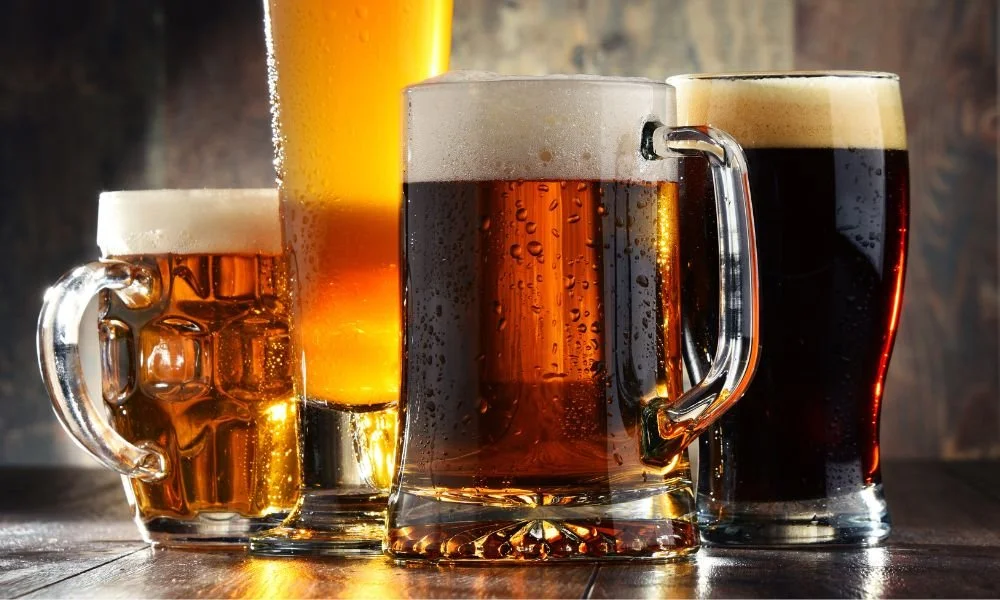
- Appearance: color, clarity, foam texture
- Aroma: malt, hops, yeast, adjuncts
- Taste: balance of bitterness, sweetness, acidity, and umami
- Mouthfeel: body, carbonation, and texture
4.2 Beer Styles and Complexity
- Pale ales and IPAs: hop-forward, aromatic, moderate bitterness
- Stouts and porters: roasted malt, chocolate, coffee notes
- Sours and wild ales: tartness, funkiness, and complex yeast characteristics
- Belgian and specialty beers: complex fermentation profiles with high esters
4.3 Pairing Craft Beer with Food
- Complementary: malty beers with rich meats, chocolate, or desserts
- Contrasting: sour beers with fatty dishes, spicy foods, or salty snacks
- Regional pairings enhance cultural experience (e.g., Belgian ales with local cheeses)
5. Craft Beer Innovation
5.1 Experimental Brewing Techniques
- Mixed fermentation with wild yeasts
- Hybrid styles blending ales, lagers, and barrel-aged beers
- Infusions with exotic fruits, botanicals, or spices
5.2 Barrel Aging and Cross-Industry Collaboration
- Whiskey, wine, or rum casks introduce secondary flavors
- Collaboration between breweries and distilleries or wineries for limited releases
- Aging techniques can range from months to years depending on desired complexity
5.3 Limited Editions and Small-Batch Releases
- Scarcity enhances collectibility and brand prestige
- Seasonal beers respond to holidays, festivals, or cultural events
- Custom labeling, packaging, and storytelling add value to small-batch products
6. Craft Beer Culture Worldwide
6.1 North America
- U.S.: Craft beer boom with over 9,000 breweries, creative styles, and festivals
- Canada: Craft breweries emphasizing regional flavors and local ingredients
6.2 Europe
- Belgium: Traditional Trappist and Abbey beers preserved while encouraging innovation
- Germany: Wheat beers, IPAs, and craft experimentation coexisting with Oktoberfest culture
- UK: Strong ales, stouts, and growing craft beer movement
6.3 Asia-Pacific
- Japan: Precise brewing techniques, small-batch experimentation, and export-oriented craft brands
- China: Emerging urban craft markets with fusion flavors
- Australia and New Zealand: Innovative local hops and seasonal beers
6.4 Latin America and Africa
- Mexico and Brazil: Urban craft growth, festival culture, and experimental brews
- Africa: Traditional sorghum beers coexist with commercial craft expansion
7. Sustainability in Craft Brewing
7.1 Environmental Practices
- Water and energy conservation in brewing and cooling
- Reuse of spent grains for livestock feed or biofuel
- Renewable energy integration in small and medium breweries
7.2 Local Sourcing and Organic Ingredients
- Supporting local farmers and reducing carbon footprint
- Organic malts, hops, and adjuncts enhance sustainability and marketing appeal
7.3 Carbon-Neutral Initiatives
- Some craft breweries aim for carbon-neutral operations
- Packaging innovations: biodegradable cans, bottles, and eco-friendly labels
8. Marketing, Community, and Consumer Engagement
8.1 Storytelling and Brand Identity
- Each craft brewery has a narrative linking beer to local culture and heritage
- Limited releases emphasize uniqueness and consumer loyalty
8.2 Festivals, Taprooms, and Experiences
- Community-focused spaces for tasting, learning, and socializing
- Beer festivals educate consumers while promoting local breweries
8.3 Digital Engagement
- Social media, apps, and subscription services enhance visibility
- Crowdfunding and interactive content expand consumer participation
9. Challenges and Opportunities
9.1 Competition and Market Saturation
- Growing number of craft breweries increases competition
- Differentiation through flavor, experience, and innovation becomes critical
9.2 Consumer Education
- New consumers need guidance on beer styles, flavors, and pairing
- Tasting events and online resources enhance knowledge and appreciation
9.3 Regulatory Constraints
- Alcohol laws, labeling, and import/export regulations affect production and distribution
- Craft brewers must navigate compliance while maintaining creativity
10. Future Trends in Craft Beer
10.1 Low-Alcohol and Non-Alcoholic Innovation
- Catering to health-conscious consumers and moderation trends
- Advanced techniques maintain flavor integrity in low-ABV beers
10.2 Global Flavor Experimentation
- Hybrid beers combining styles and cultures
- Infusions with tropical fruits, botanicals, spices, and barrel aging
10.3 Experiential Consumption
- Brew-at-home kits, tasting flights, and virtual beer experiences
- Immersive taproom experiences and festivals encourage engagement
10.4 Technology Integration
- IoT-enabled fermentation, AI-assisted brewing, and blockchain for provenance
- Enables small breweries to maintain consistency and track unique releases
Conclusion: Craft Beer as a Living Art and Science
Craft beer represents the perfect intersection of tradition, science, and creativity. Its focus on quality, innovation, and storytelling sets it apart from mass-produced beverages. From ingredient selection to fermentation, from flavor experimentation to consumer experiences, craft beer embodies both artistic vision and technical mastery.
As global markets expand, craft beer continues to inspire, educate, and delight consumers. It remains a cultural phenomenon, a collectible art form, and a dynamic segment of the beverage industry. Its evolution promises a future where science and artistry coexist, flavor diversity thrives, and beer culture continues to unite communities worldwide.










