




























Introduction: Beer Beyond a Beverage
Beer, one of the oldest and most widely consumed alcoholic beverages in the world, has evolved far beyond its original purpose of sustenance and preservation. From the fertile valleys of Mesopotamia to modern craft breweries, beer has been intertwined with human civilization, shaping culture, social rituals, and economies.
This article explores the fascinating journey of beer: its ancient origins, medieval transformations, industrial revolution impacts, global cultural variations, and contemporary significance in festivals, dining, and social life.
1. Origins of Beer: Ancient Civilizations
1.1 Mesopotamia and the Cradle of Civilization
- Archaeological evidence suggests beer production in Sumer as early as 5,000 BCE
- Beer was made from fermented barley and other grains, often flavored with herbs
- It played a role in religious rituals, offerings to gods, and daily sustenance
- The Hymn to Ninkasi, a Sumerian poem from 1800 BCE, is one of the earliest beer recipes
1.2 Ancient Egypt
- Egyptians brewed beer using barley and emmer wheat
- Beer was considered a staple for workers and soldiers; used as payment and offerings
- Beer was also involved in religious ceremonies, particularly in rituals honoring Osiris
- Flavors were enhanced with dates, honey, and spices
1.3 Beer in Ancient China and Other Regions
- Early Chinese civilizations brewed beer-like beverages from millet and rice
- Beer-like fermented drinks also existed in South America and Africa
- Fermentation techniques varied, but the principle of converting grains into alcohol remained universal
2. Medieval Europe: Monastic Influence and Town Brewing
2.1 Monastic Brewing
- During the Middle Ages, European monasteries became centers of brewing innovation
- Monks refined recipes, experimented with hops, and developed stronger beers to survive winters
- Monastic breweries preserved brewing knowledge through manuscripts and oral tradition
2.2 Towns and Guilds
- Beer production expanded in towns, often regulated by brewers’ guilds
- Taverns and alehouses became hubs for social interaction, trade, and news
- Different regions developed distinctive styles, influenced by local ingredients and climate
2.3 Hops and Flavor Evolution
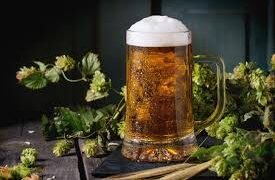
- The widespread adoption of hops (Humulus lupulus) enhanced preservation and bitterness
- Beer shifted from sweet, herb-flavored “gruit” to the more stable, bitter styles recognizable today
3. The Industrial Revolution: Scaling Beer Production
3.1 Mechanization and Mass Production
- Steam engines and mechanized malting increased efficiency
- Innovations like refrigeration and pasteurization improved consistency and shelf life
- Urbanization created new markets and demand for accessible beverages
3.2 Lager Revolution
- Bavarian brewers developed bottom-fermented lagers in the 19th century
- Lagers, stored at cooler temperatures, became more popular due to clarity and smoothness
- Major brands emerged, laying the foundation for modern beer giants
3.3 Global Spread
- European migration introduced beer to North and South America, Australia, and Asia
- Local adaptations occurred: corn or rice adjuncts in American lagers, tropical fermentation methods in Asia
4. Beer Styles and Regional Variations
4.1 Europe
- Germany: Lagers, pilsners, and wheat beers; Oktoberfest culture
- Belgium: Trappist ales, lambics, and sour beers; complex flavor profiles
- United Kingdom: Bitter ales, porters, and stouts; traditional pub culture
4.2 North America
- United States: Mass-produced lagers, regional craft revolution
- Canada: Pilsners, ales, and strong export beers
- Influence of Prohibition and post-war marketing on consumption patterns
4.3 Asia
- Japan: Clear lagers, precision brewing, international awards
- China and India: Large-scale lagers with local grain adjustments
- Craft movements emerging in urban centers
4.4 Latin America and Africa
- Mexico: Light, easy-drinking lagers; influence of European styles
- South America: Regional styles with maize and sugar adjuncts
- Africa: Sorghum beers, traditional brewing methods coexisting with commercial lagers
5. Beer Festivals and Social Culture
5.1 Oktoberfest and German Traditions
- Largest beer festival in the world, celebrating Bavarian culture
- Combines music, food, costume, and of course, beer tasting
- Emphasizes community, tourism, and cultural heritage
5.2 Belgian Beer Festivals
- Highlight local styles, monastic traditions, and rare releases
- Pairing beers with traditional food enhances gastronomy and social experience
5.3 Emerging Global Festivals
- Craft beer festivals in the U.S., Canada, and Asia
- Education and social networking combined with tasting and entertainment
- Promotes cultural exchange and local economic development
6. Beer and Modern Society
6.1 Craft Beer Movement
- Emphasis on small-batch, artisanal production
- Experimentation with ingredients: fruits, spices, hops varieties
- Community-focused breweries foster education and local pride
6.2 Beer in Culinary Culture
- Pairing beers with cuisine: cheese, seafood, desserts, and spicy dishes
- Use of beer in cooking: marinades, stews, breads, and sauces
- Beer bars and gastropubs integrate beer education with gastronomy
6.3 Beer as a Lifestyle and Collectible
- Limited editions and rare brews attract collectors
- Beer tasting clubs and social media communities enhance engagement
- Beer tourism: visiting breweries, learning about history, and tasting local styles
7. Technological Innovation and Sustainability
7.1 Modern Brewing Technology
- Automation, quality control, and fermentation monitoring improve consistency
- Craft brewers use small-scale technology for experimentation
7.2 Sustainability in Beer Production
- Water conservation, renewable energy, and waste grain repurposing
- Eco-friendly packaging and local sourcing appeal to environmentally conscious consumers
7.3 Digital Influence
- Online marketplaces, social media, and virtual tastings
- Crowdfunding and collaborative projects expand brand reach
8. Beer’s Future: Trends and Predictions
8.1 Low-Alcohol and Non-Alcoholic Beers
- Rising demand for health-conscious options
- Advanced brewing techniques maintain flavor while reducing alcohol content
8.2 Flavor Innovation
- Fruit-infused, herbal, and exotic cask beers
- Cross-cultural flavor fusion appealing to adventurous consumers
8.3 Global Expansion
- Emerging markets in Asia, Africa, and Latin America
- Craft beer education and festivals drive cultural adoption
8.4 Consumer-Centric Experiences
- Beer tasting workshops, subscription boxes, and home brewing kits
- Personalized experiences and interactive content for engagement
9. Conclusion: Beer as a Cultural Pillar
Beer’s journey from ancient grains to modern craft brews reflects human ingenuity, cultural evolution, and social connection. It is not merely a beverage but a medium for storytelling, community, and lifestyle.
From Sumerian tablets to Oktoberfest tents, beer continues to adapt, innovate, and inspire. Its history is a tapestry of civilization itself—shaped by trade, migration, technology, and culture. As global tastes evolve, beer remains both a unifying tradition and a platform for creativity, ensuring its relevance for generations to come.