
























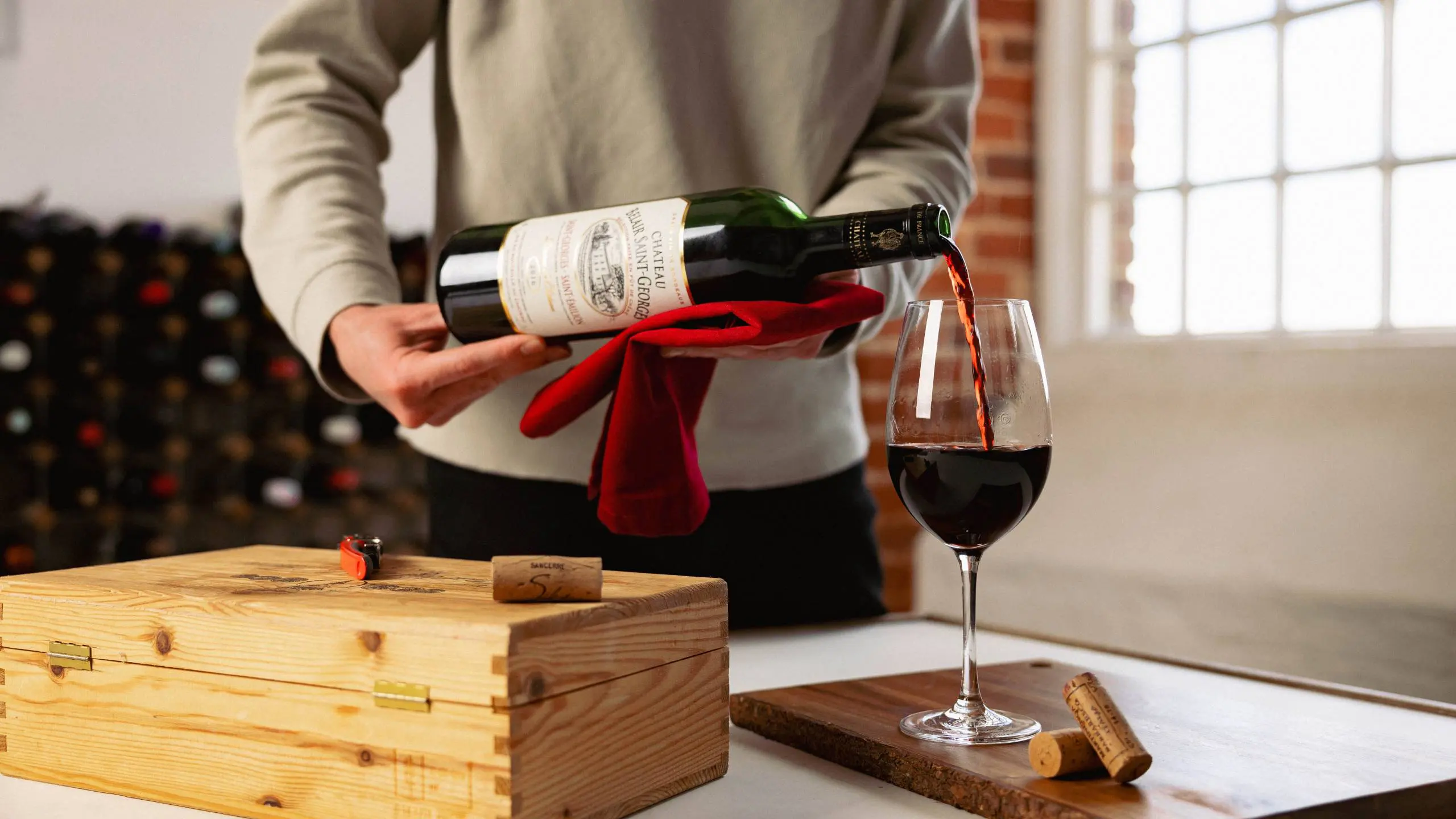
Introduction: Wine Beyond the Glass
Wine is no longer solely a beverage for pleasure; it has become a global economic and cultural phenomenon. From fine wine auctions to international trade, from emerging markets to collectible vintages, wine is both a lifestyle product and an investment asset.
The global wine market is complex, influenced by consumer preferences, economic conditions, cultural trends, and even climate change. Collectors and investors increasingly treat wine as a tangible asset, blending passion with financial strategy. This article explores the dynamics of the modern wine market, the role of wine collecting, and the evolving trends shaping consumption worldwide.
1. Overview of the Global Wine Market
1.1 Production and Consumption
Wine production is concentrated in traditional regions:
- France: Bordeaux, Burgundy, Champagne – known for heritage and high-quality wines.
- Italy: Tuscany, Piedmont – rich varietal diversity and culinary integration.
- Spain: Rioja, Ribera del Duero – accessibility and large volumes.
Emerging wine-producing countries include:
- United States: California (Napa, Sonoma) – innovation and premium wines.
- Australia & New Zealand: Known for Sauvignon Blanc, Shiraz, and approachable styles.
- Chile & Argentina: Strong value-for-money options and export growth.
Global consumption follows trends in affluence, culture, and urbanization:
- Europe: High per capita consumption; emphasis on quality and tradition.
- North America: Increased interest in premium and approachable wines.
- Asia: Rapid growth in China, Japan, and Southeast Asia; consumers explore both Old and New World wines.
1.2 Trade and Export Dynamics
- France, Italy, and Spain dominate exports, but New World countries are expanding reach.
- Wine imports are increasingly concentrated in urban centers with high-income consumers.
- Logistics, tariffs, and global trade agreements influence pricing and availability.
2. Wine Collecting: From Hobby to Investment
2.1 The Rise of Collectible Wines
Collecting wine has grown beyond mere hobbyist interest:
- Iconic Bordeaux, Burgundy, and Champagne vintages have become symbols of wealth and taste.
- Provenance, scarcity, and vintage quality drive collectibility.
- Proper storage is crucial—temperature, humidity, and light affect aging potential.
2.2 Valuation Factors
- Region and Vineyard: Famous appellations command premium prices.
- Vintage Quality: Exceptional harvests in good climates yield wines with investment potential.
- Brand Recognition: House reputation, critic ratings, and historical significance influence demand.
2.3 Auction Houses and Secondary Markets
- Sotheby’s, Christie’s, and local auction houses facilitate collectible wine sales.
- Online platforms (Liv-ex, WineBid) increase transparency and access.
- Auction results provide benchmarks for market valuation and trends.
3. Investment Strategies in Wine
3.1 Portfolio Diversification
- Wine offers an alternative asset class uncorrelated with stocks and bonds.
- Investors often diversify by region, grape variety, and vintage.
- Proper storage and insurance are critical for protecting value.
3.2 Risks and Challenges
- Market volatility influenced by climate events, crop yields, and economic conditions.
- Counterfeit wines and misrepresentation are potential pitfalls.
- Liquidity can be limited; selling requires patience and market knowledge.
4. Emerging Consumer Trends
4.1 Millennials and Gen Z Influence
- Younger consumers prioritize experience over prestige.
- Interest in natural, organic, and sustainable wines is increasing.
- Social media shapes perception, taste, and purchasing behavior.
4.2 Women in Wine Consumption
- Women increasingly dominate wine purchasing decisions globally.
- Marketing and packaging have adapted to appeal to female consumers.
- Wine clubs, tastings, and lifestyle content foster community engagement.
4.3 Health and Lifestyle Considerations
- Awareness of alcohol content, antioxidants, and moderate consumption influences buying.
- Low-alcohol and non-alcoholic wines are growing segments.
- Wine tourism and experiential consumption are expanding the lifestyle dimension.
5. Wine Tourism: Experiencing Culture Through Wine
- Vineyard visits, tasting rooms, and local cuisine enhance appreciation.
- Wine routes in France, Italy, Spain, and California attract millions of visitors annually.
- Wine festivals celebrate heritage and promote regional identity.
Wine tourism drives both economic growth and cultural engagement, connecting consumers to production, history, and place.
6. Digitalization and E-Commerce in Wine
6.1 Online Wine Sales
- Platforms like Vivino, Wine.com, and Alibaba Wine Marketplace expand reach.
- Consumers access global varieties, compare reviews, and make informed choices.
6.2 Digital Marketing
- Social media campaigns, influencer partnerships, and virtual tastings engage consumers.
- Storytelling, lifestyle imagery, and educational content influence perception and loyalty.
6.3 Technology in Collecting
- Blockchain verifies provenance and authenticity.
- Temperature-controlled shipping and storage tracking maintain quality for collectors and investors.
7. Rare and Iconic Wines
7.1 Bordeaux First Growths
- Château Lafite Rothschild, Château Margaux, Château Latour – historically coveted and valuable.
- Exceptional vintages (e.g., 1982, 2000, 2005) achieve record auction prices.
7.2 Burgundy and Grand Cru
- Limited production, high demand, and unique terroir create scarcity.
- Domaine de la Romanée-Conti is among the most collectible and expensive wines globally.
7.3 Champagne for Collectors
- Prestige cuvées like Dom Pérignon, Krug, and Salon hold cultural and monetary value.
- Vintage Champagnes appreciated for aging potential and celebratory symbolism.
8. Sustainability and Ethical Consumption
- Organic, biodynamic, and regenerative viticulture are gaining traction.
- Environmental responsibility influences consumer choice and market growth.
- Sustainable packaging (lightweight glass, recycled materials) and carbon-neutral initiatives enhance brand appeal.
9. The Future of Wine Markets
9.1 Global Growth Opportunities
- China, India, and Southeast Asia represent emerging demand.
- Affluent urban populations seek premium, authentic, and educational experiences.
9.2 Climate Change Impact
- Shifting temperatures affect grape varieties, harvest timing, and quality.
- New regions may emerge as wine-producing areas (e.g., Scandinavia, southern England).
9.3 Integration of Tradition and Technology
- Advanced analytics for vineyard management and fermentation.
- Online platforms and apps connecting producers, collectors, and consumers globally.
10. Conclusion: Wine as an Asset, Cultural Symbol, and Lifestyle
Wine has evolved from a regional beverage to a global cultural and economic phenomenon. It is a product of nature, craftsmanship, and human ingenuity. Collectors and investors treat wine as both a financial asset and a cultural artifact.
Market trends, digital platforms, and evolving consumer demographics ensure that wine remains dynamic and adaptive. Whether enjoyed in a casual setting, pursued as an investment, or studied as part of a lifestyle, wine continues to connect people across cultures, histories, and economies.
Each bottle tells a story—not just of grapes and soil, but of human aspiration, cultural identity, and the enduring allure of liquid artistry. Wine remains a timeless symbol of pleasure, sophistication, and global connection.