








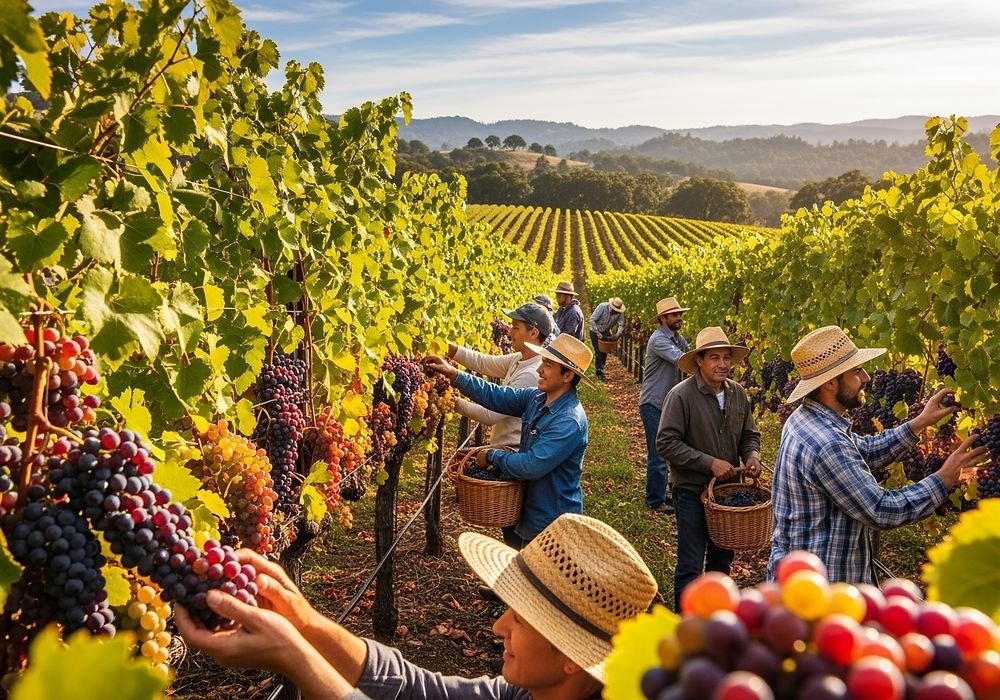
Introduction: The Journey of a Grape
Winemaking is both an art and a science. A bottle of wine is the culmination of countless decisions: selecting the right grape variety, understanding the soil, timing the harvest, controlling fermentation, and mastering aging. Every choice influences the aroma, flavor, and texture of the final product.
Unlike mass-produced beverages, wine reflects its origin, the philosophy of the winemaker, and the environment in which it was produced. It is a living product shaped by nature and nurtured by human hands.
This article explores the complete winemaking process, from vineyard cultivation to bottling, highlighting how tradition, technology, and creativity converge to create the world’s most celebrated wines.
1. Grapes and Terroir: The Foundation of Quality
1.1 Grape Varieties
The foundation of wine begins with the grape. There are thousands of grape varieties worldwide, each with distinct characteristics:
- Cabernet Sauvignon – full-bodied, high tannins, suitable for aging.
- Pinot Noir – delicate, complex aromas, challenging to cultivate.
- Chardonnay – versatile, capable of expressing terroir through oak aging.
- Riesling – aromatic, crisp, ideal for sweet or dry styles.
Grapes are not interchangeable; matching the variety to the climate and soil is critical for producing high-quality wine.
1.2 Terroir and Climate
Terroir—a French concept—refers to the combined effect of soil, topography, climate, and vineyard management on the grape’s characteristics.
- Soil Composition – Chalky soils in Champagne give acidity; volcanic soils in Sicily impart minerality.
- Microclimate – Temperature, sunlight, and rainfall influence ripening and flavor development.
- Altitude and Slope – Vineyards on slopes receive more sunlight, aiding sugar accumulation and reducing frost risk.
Understanding terroir allows winemakers to optimize the potential of each grape, producing wine that expresses its origin.
1.3 Vineyard Management
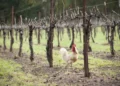
Viticulture is meticulous. Practices include:
- Pruning to regulate yield and improve quality.
- Canopy management to balance sun exposure and airflow.
- Integrated pest management to maintain healthy vines without excessive chemicals.
Modern technology, including drones and sensors, allows precise monitoring of vine health and growth stages.
2. Harvesting: Timing Is Everything
2.1 Determining the Optimal Harvest Time
The timing of harvest significantly affects wine quality:
- Sugar Levels (Brix) – Determines potential alcohol content.
- Acidity – Balances freshness and structure.
- Phenolic Ripeness – Ensures color, tannins, and flavor development.
Some winemakers use traditional taste tests, while others rely on scientific instruments for precise measurement.
2.2 Harvesting Techniques
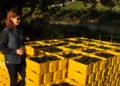
- Manual Harvesting – Allows careful selection of grapes, minimizing damage.
- Mechanical Harvesting – Efficient for large-scale production, though less selective.
Manual picking is preferred for premium wines, especially where grape quality and precision are critical.
3. Crushing and Pressing
Once harvested, grapes are prepared for fermentation:
- Destemming and Crushing – Separates stems and gently crushes grapes to release juice.
- Pressing – Extracts juice from grapes; timing varies for red and white wines.
- Red wines ferment with skins to extract color and tannins.
- White wines are pressed before fermentation to limit tannin extraction.
The process requires careful handling to prevent oxidation or premature fermentation.
4. Fermentation: Science Meets Art
4.1 Natural vs. Controlled Fermentation
Fermentation converts sugars into alcohol using yeast:
- Wild Yeast – Native to the vineyard or winery, producing unique, unpredictable flavors.
- Cultured Yeast – Selected strains allow consistent and controlled results.
Fermentation temperature, duration, and oxygen exposure influence the wine’s aroma and body.
4.2 Red vs. White Wine Fermentation
- Red Wine – Ferments with skins to extract color, tannins, and complexity; temperatures are higher (22–30°C).
- White Wine – Ferments without skins at cooler temperatures (12–18°C) to preserve aromatic freshness.
Malolactic fermentation, often used for reds and some whites, softens acidity and adds buttery notes.
4.3 Monitoring Fermentation
Winemakers track:
- Sugar levels to determine progress.
- Temperature to prevent off-flavors.
- pH and acidity to maintain balance.
Technology allows precise adjustments, ensuring fermentation aligns with desired style.
5. Aging: The Alchemy of Time
5.1 Oak Barrel Aging
Oak barrels contribute flavor, texture, and complexity:
- French Oak – Subtle, spicy, refined tannins.
- American Oak – Bolder, with vanilla and coconut notes.
- Toasting Levels – Light, medium, or heavy toast alters flavor profile.
Barrels also allow slow oxygen exposure, enhancing maturation and smoothing tannins.
5.2 Stainless Steel and Alternative Aging
- Stainless Steel – Preserves freshness and fruit aromas; common for white wines and young reds.
- Concrete Eggs, Clay Amphorae – Impart micro-oxidation and textural complexity without oak influence.
Winemakers choose aging methods to complement grape characteristics and stylistic goals.
5.3 Bottle Aging
- Some wines improve over years in the bottle.
- Factors include storage temperature, light exposure, and cork quality.
- Bottle aging allows chemical reactions to harmonize flavors, soften tannins, and develop secondary aromas.
6. Blending: Crafting Balance and Complexity
Blending is a critical stage, especially for Bordeaux-style wines or Champagne:
- Combining varietals to balance acidity, tannin, and aroma.
- Mixing vintages in Champagne to maintain consistent house style.
- Achieving harmony while preserving regional character and brand identity.
Blending requires both technical knowledge and artistic intuition.
7. Bottling and Packaging
7.1 Filtration and Stabilization
- Removes sediment and prevents microbial spoilage.
- Some premium wines are minimally filtered to retain texture and depth.
7.2 Cork vs. Screwcap
- Cork allows micro-oxygenation, traditional and prestigious.
- Screwcap preserves freshness and reduces cork taint risk.
7.3 Labeling and Marketing
- Labels convey region, vintage, varietal, and quality indicators.
- Marketing communicates story, lifestyle, and positioning in the global market.
8. Modern Innovations in Winemaking
8.1 Precision Viticulture
- GPS mapping, drones, and sensors optimize vineyard management.
- Data-driven decisions enhance grape quality and sustainability.
8.2 Climate Change Adaptation
- New grape varieties planted in changing climates.
- Adjustments in irrigation, canopy management, and harvest timing to preserve quality.
8.3 Sustainable Practices
- Organic, biodynamic, and regenerative viticulture.
- Eco-friendly packaging and reduced carbon footprint in production.
9. Wine and Technology: Bridging Tradition and Modernity
- Artificial intelligence predicts optimal harvest timing.
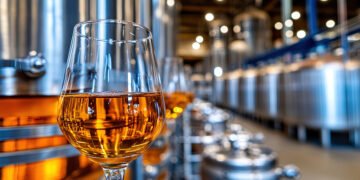
- Automated fermentation tanks allow precise temperature and oxygen control.
- Digital platforms track provenance and supply chain transparency, increasing consumer trust.
Technology does not replace human craftsmanship but enhances consistency, quality, and efficiency.
10. Conclusion: Winemaking as a Living Tradition
Winemaking is a journey that begins in the vineyard and concludes in the glass. It is a harmonious blend of nature, science, and artistry. Every step—from grape selection and fermentation to aging and bottling—shapes the sensory experience and cultural significance of the wine.
Modern winemaking balances heritage with innovation, embracing sustainability, precision, and creativity. The result is a living tradition that continues to evolve while maintaining its connection to history, place, and people.
A bottle of wine, therefore, is more than a beverage: it is the culmination of careful observation, technical skill, artistic vision, and cultural storytelling. Each sip reflects centuries of human ingenuity, environmental stewardship, and the timeless allure of grapes transformed into liquid art.