

















Opening Thought: Beer Is Never Just Beer
At first glance, beer seems simple—a casual drink, a social lubricant, a way to unwind after a long day. But beneath this everyday familiarity lies a complex web of psychological, emotional, and social dynamics. People don’t just drink beer because of its taste. They drink it because of what it represents: connection, identity, relaxation, reward, and sometimes even escape.
In today’s world—where consumer choices are increasingly driven by emotion rather than necessity—beer has evolved into something far more symbolic. It is no longer just a beverage; it is an experience, a statement, and, in many cases, a reflection of who we are.
This article explores the psychology behind beer consumption—why we crave it, how it shapes our social lives, and what it reveals about modern consumer behavior.
Part I — The First Layer: Biological and Sensory Pleasure
Before diving into culture and identity, we must start with the most basic question: why does beer feel good?
1. The Chemistry of Relaxation
Alcohol affects the brain by interacting with neurotransmitters:
- It enhances GABA, which reduces anxiety
- It increases dopamine, linked to pleasure and reward
- It lowers inhibitions, making social interaction easier
Beer, typically lower in alcohol than spirits, creates a “mild relaxation zone”—a state that many people find ideal for unwinding without losing control.
2. Bitterness and Acquired Taste
Interestingly, beer is not naturally appealing. Humans are biologically wired to reject bitterness, as it often signals toxicity. Yet millions of people grow to love beer.
Why?
- Repeated exposure builds familiarity
- Social context reinforces acceptance
- Bitterness becomes associated with maturity and sophistication
Liking beer, in a way, is learned—and that learning process is deeply social.
Part II — Beer as a Social Tool
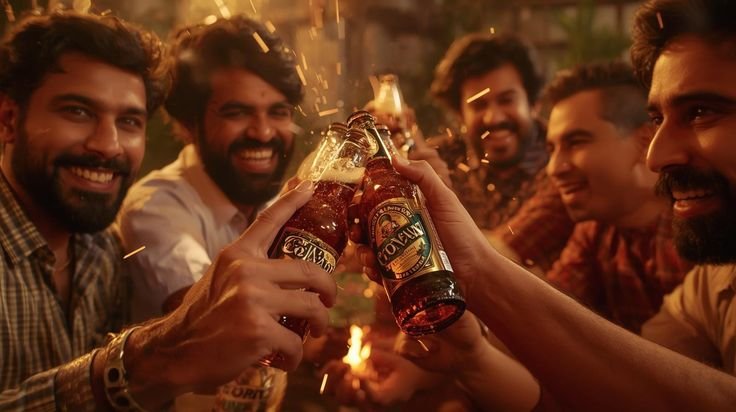
1. The Universal Icebreaker
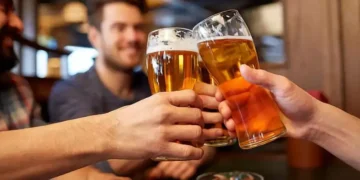
Few beverages function as effectively as beer in social settings. It lowers barriers and creates a shared activity.
- Holding a drink reduces awkwardness
- Drinking synchronizes behavior (cheers, rounds, pacing)
- It creates a sense of belonging
Beer is often present not because it is necessary, but because it facilitates interaction.
2. Rituals and Repetition
Beer consumption is full of rituals:
- After-work drinks
- Weekend gatherings
- Celebrations and festivals
These rituals create psychological comfort. They provide structure, predictability, and a sense of continuity in daily life.
Over time, the act of drinking beer becomes associated with relaxation and reward—even before the first sip.
Part III — Identity and Self-Expression
In the modern consumer landscape, what we drink says something about who we are.
1. “You Are What You Drink”
Choosing a beer is often a subtle form of self-expression:
- Craft beer → creative, curious, independent
- Imported beer → worldly, sophisticated
- Light beer → practical, health-conscious
These associations may not always be accurate, but they influence perception—both self-perception and how others see us.
2. The Rise of Craft Beer Identity
Craft beer has transformed beer into a cultural signal.
Drinking craft beer often implies:
- Appreciation for quality
- Interest in authenticity
- Rejection of mass-produced culture
For many young consumers, it is not just about taste—it is about aligning with a certain lifestyle.
Part IV — Emotional Consumption: Drinking to Feel Something
Modern consumption is increasingly emotional, and beer is no exception.
1. Beer as a Reward System
After a stressful day, many people think:
“I deserve a beer.”
This is not accidental. It reflects a psychological pattern:
- Effort → reward
- Stress → relief
- Completion → celebration
Beer becomes a small but meaningful form of self-care.
2. The “Micro-Escape” Effect
Unlike vacations or major indulgences, beer offers a low-cost, immediate escape.
- A single drink can shift mood
- It creates a temporary mental break
- It marks a transition from work to leisure
This is particularly appealing in fast-paced, high-pressure lifestyles.
Part V — The Rise of “Buzz Culture”
1. From Drunk to “Just Enough”
Younger generations are redefining their relationship with alcohol.
Instead of heavy drinking, many prefer:
- Light intoxication (“buzz”)
- Controlled consumption
- Social enjoyment without excess
Beer fits perfectly into this trend due to its moderate alcohol content.
2. Aesthetic and Lifestyle Integration
Beer is increasingly integrated into lifestyle content:
- Social media posts
- Bar culture aesthetics
- Travel and food experiences
It is not just consumed—it is displayed, shared, and curated.
Part VI — The Power of Branding and Perception
1. Taste Is Not Objective
Studies have shown that perception of taste is heavily influenced by branding.
- A “premium” label can enhance perceived quality
- Packaging design affects expectations
- Storytelling shapes emotional response
In many cases, people are not just tasting beer—they are tasting the idea of the beer.
2. Craft Beer and Storytelling
Craft breweries excel at narrative:
- Origin stories
- Unique brewing methods
- Creative naming
These elements create emotional attachment, making the product more memorable and meaningful.
Part VII — Social Belonging and Group Dynamics
1. Drinking as Group Behavior
People often mirror the drinking habits of those around them.
- Peer influence shapes preferences
- Group norms determine acceptable behavior
- Shared choices strengthen bonds
Beer becomes a tool for social alignment.
2. Fear of Missing Out (FOMO)
In social settings, refusing a drink can sometimes feel like opting out of the experience.
This creates subtle pressure:
- To participate
- To conform
- To belong
Understanding this dynamic is key to understanding beer’s role in society.
Part VIII — The Shift Toward Mindful Drinking
Interestingly, the same generation driving craft beer growth is also questioning alcohol consumption.
Emerging Trends:
- Low-alcohol and non-alcoholic beers
- Health-conscious choices
- “Sober curious” movement
This reflects a broader shift toward intentional consumption.
Beer is no longer just about drinking—it’s about choosing how and why to drink.
Part IX — The Dual Nature of Beer
Beer exists in a psychological balance:
| Positive Role | Potential Risk |
|---|---|
| Social bonding | Overdependence |
| Relaxation | Avoidance coping |
| Identity expression | Peer pressure |
Understanding both sides is essential for a mature perspective.
Conclusion: What Beer Really Represents
Beer is far more than a beverage. It is a psychological tool, a social connector, and a cultural symbol. It helps us relax, connect, celebrate, and express ourselves—but it also reflects deeper patterns in how we think, feel, and interact.
In many ways, beer is a mirror. It reveals our need for belonging, our desire for reward, and our search for meaning in everyday life.
The next time you reach for a beer, it might be worth asking:
- Am I drinking for taste?
- For relaxation?
- For connection?
- Or simply out of habit?
There is no single right answer—but understanding the question itself is what transforms a simple act into a conscious experience.