











SipsavorLife
  • Home
  • Wine
    Wine Pairings: Can They Change the Flavor Profile of a Dish?

    Wine Pairings: Can They Change the Flavor Profile of a Dish?

    How Do Wine Glasses Influence the Tasting Experience?

    How Do Wine Glasses Influence the Tasting Experience?

    Is Organic Wine Healthier Than Conventional Wine?

    Is Organic Wine Healthier Than Conventional Wine?

    Why Do Some Wines Taste Better from Specific Vintages?

    Why Do Some Wines Taste Better from Specific Vintages?

    Wine Tasting: Can It Truly Be an Art Form?

    Wine Tasting: Can It Truly Be an Art Form?

    What Does Terroir Actually Mean for Your Wine?

    What Does Terroir Actually Mean for Your Wine?

  • Whiskey
    Can Beer Be an Effective Ingredient in Culinary Cooking?

    Can Beer Be an Effective Ingredient in Culinary Cooking?

    Second Fermentation in Champagne: Is It Really That Crucial?

    Second Fermentation in Champagne: Is It Really That Crucial?

    How Do Different Grains Impact the Flavor Profile of Distilled Spirits?

    How Do Different Grains Impact the Flavor Profile of Distilled Spirits?

    How Do Whiskey Master Blenders Create Perfection?

    How Do Whiskey Master Blenders Create Perfection?

    Wine Pairings: Can They Change the Flavor Profile of a Dish?

    Wine Pairings: Can They Change the Flavor Profile of a Dish?

    Beer the Ultimate Beverage for Pairing with Spicy Food?

    Beer the Ultimate Beverage for Pairing with Spicy Food?

  • Beer
    Can Beer Be an Effective Ingredient in Culinary Cooking?

    Can Beer Be an Effective Ingredient in Culinary Cooking?

    Beer the Ultimate Beverage for Pairing with Spicy Food?

    Beer the Ultimate Beverage for Pairing with Spicy Food?

    How Did Ancient Civilizations Brew Beer Without Modern Technology?

    How Did Ancient Civilizations Brew Beer Without Modern Technology?

    Is It Possible to Brew a Beer with No Alcohol and No Compromise on Taste?

    Is It Possible to Brew a Beer with No Alcohol and No Compromise on Taste?

    Why Does Beer Taste Different at High Altitudes?

    Why Does Beer Taste Different at High Altitudes?

    Is Hops the Secret Ingredient Behind Beer’s Bold Flavor?

    Is Hops the Secret Ingredient Behind Beer’s Bold Flavor?

  • Grain Spirits
    How Do Different Grains Impact the Flavor Profile of Distilled Spirits?

    How Do Different Grains Impact the Flavor Profile of Distilled Spirits?

    Grain Spirits the Unsung Heroes of Modern Mixology

    Grain Spirits the Unsung Heroes of Modern Mixology

    What Makes Grain-Based Whiskey So Different from Its Peated Cousins?

    What Makes Grain-Based Whiskey So Different from Its Peated Cousins?

    Grain Spirits: Could They Be the Next Big Trend in Craft Cocktails?

    Grain Spirits: Could They Be the Next Big Trend in Craft Cocktails?

    Why Are Grain Spirits Often Overlooked in the World of Fine Liquor?

    Why Are Grain Spirits Often Overlooked in the World of Fine Liquor?

    Is There a Secret Art to Distilling Grain Spirits?

    Is There a Secret Art to Distilling Grain Spirits?

  • Champagne
    Second Fermentation in Champagne: Is It Really That Crucial?

    Second Fermentation in Champagne: Is It Really That Crucial?

    The Science Behind the ‘Bubble Size’ in Champagne

    The Science Behind the ‘Bubble Size’ in Champagne

    Why Do Some Champagnes Use a High Proportion of Pinot Meunier?

    Why Do Some Champagnes Use a High Proportion of Pinot Meunier?

    Role of Terroir in Champagne Production

    Role of Terroir in Champagne Production

    Champagne Can Be Aged in Wood?

    Champagne Can Be Aged in Wood?

    Is There a Difference Between Blanc de Blancs and Blanc de Noirs Champagne?

    Is There a Difference Between Blanc de Blancs and Blanc de Noirs Champagne?

  • ALL
    Can Beer Be an Effective Ingredient in Culinary Cooking?

    Can Beer Be an Effective Ingredient in Culinary Cooking?

    Second Fermentation in Champagne: Is It Really That Crucial?

    Second Fermentation in Champagne: Is It Really That Crucial?

    How Do Different Grains Impact the Flavor Profile of Distilled Spirits?

    How Do Different Grains Impact the Flavor Profile of Distilled Spirits?

    How Do Whiskey Master Blenders Create Perfection?

    How Do Whiskey Master Blenders Create Perfection?

    Wine Pairings: Can They Change the Flavor Profile of a Dish?

    Wine Pairings: Can They Change the Flavor Profile of a Dish?

    Beer the Ultimate Beverage for Pairing with Spicy Food?

    Beer the Ultimate Beverage for Pairing with Spicy Food?

SipsavorLife
  • Home
  • Wine
    Wine Pairings: Can They Change the Flavor Profile of a Dish?

    Wine Pairings: Can They Change the Flavor Profile of a Dish?

    How Do Wine Glasses Influence the Tasting Experience?

    How Do Wine Glasses Influence the Tasting Experience?

    Is Organic Wine Healthier Than Conventional Wine?

    Is Organic Wine Healthier Than Conventional Wine?

    Why Do Some Wines Taste Better from Specific Vintages?

    Why Do Some Wines Taste Better from Specific Vintages?

    Wine Tasting: Can It Truly Be an Art Form?

    Wine Tasting: Can It Truly Be an Art Form?

    What Does Terroir Actually Mean for Your Wine?

    What Does Terroir Actually Mean for Your Wine?

  • Whiskey
    Can Beer Be an Effective Ingredient in Culinary Cooking?

    Can Beer Be an Effective Ingredient in Culinary Cooking?

    Second Fermentation in Champagne: Is It Really That Crucial?

    Second Fermentation in Champagne: Is It Really That Crucial?

    How Do Different Grains Impact the Flavor Profile of Distilled Spirits?

    How Do Different Grains Impact the Flavor Profile of Distilled Spirits?

    How Do Whiskey Master Blenders Create Perfection?

    How Do Whiskey Master Blenders Create Perfection?

    Wine Pairings: Can They Change the Flavor Profile of a Dish?

    Wine Pairings: Can They Change the Flavor Profile of a Dish?

    Beer the Ultimate Beverage for Pairing with Spicy Food?

    Beer the Ultimate Beverage for Pairing with Spicy Food?

  • Beer
    Can Beer Be an Effective Ingredient in Culinary Cooking?

    Can Beer Be an Effective Ingredient in Culinary Cooking?

    Beer the Ultimate Beverage for Pairing with Spicy Food?

    Beer the Ultimate Beverage for Pairing with Spicy Food?

    How Did Ancient Civilizations Brew Beer Without Modern Technology?

    How Did Ancient Civilizations Brew Beer Without Modern Technology?

    Is It Possible to Brew a Beer with No Alcohol and No Compromise on Taste?

    Is It Possible to Brew a Beer with No Alcohol and No Compromise on Taste?

    Why Does Beer Taste Different at High Altitudes?

    Why Does Beer Taste Different at High Altitudes?

    Is Hops the Secret Ingredient Behind Beer’s Bold Flavor?

    Is Hops the Secret Ingredient Behind Beer’s Bold Flavor?

  • Grain Spirits
    How Do Different Grains Impact the Flavor Profile of Distilled Spirits?

    How Do Different Grains Impact the Flavor Profile of Distilled Spirits?

    Grain Spirits the Unsung Heroes of Modern Mixology

    Grain Spirits the Unsung Heroes of Modern Mixology

    What Makes Grain-Based Whiskey So Different from Its Peated Cousins?

    What Makes Grain-Based Whiskey So Different from Its Peated Cousins?

    Grain Spirits: Could They Be the Next Big Trend in Craft Cocktails?

    Grain Spirits: Could They Be the Next Big Trend in Craft Cocktails?

    Why Are Grain Spirits Often Overlooked in the World of Fine Liquor?

    Why Are Grain Spirits Often Overlooked in the World of Fine Liquor?

    Is There a Secret Art to Distilling Grain Spirits?

    Is There a Secret Art to Distilling Grain Spirits?

  • Champagne
    Second Fermentation in Champagne: Is It Really That Crucial?

    Second Fermentation in Champagne: Is It Really That Crucial?

    The Science Behind the ‘Bubble Size’ in Champagne

    The Science Behind the ‘Bubble Size’ in Champagne

    Why Do Some Champagnes Use a High Proportion of Pinot Meunier?

    Why Do Some Champagnes Use a High Proportion of Pinot Meunier?

    Role of Terroir in Champagne Production

    Role of Terroir in Champagne Production

    Champagne Can Be Aged in Wood?

    Champagne Can Be Aged in Wood?

    Is There a Difference Between Blanc de Blancs and Blanc de Noirs Champagne?

    Is There a Difference Between Blanc de Blancs and Blanc de Noirs Champagne?

  • ALL
    Can Beer Be an Effective Ingredient in Culinary Cooking?

    Can Beer Be an Effective Ingredient in Culinary Cooking?

    Second Fermentation in Champagne: Is It Really That Crucial?

    Second Fermentation in Champagne: Is It Really That Crucial?

    How Do Different Grains Impact the Flavor Profile of Distilled Spirits?

    How Do Different Grains Impact the Flavor Profile of Distilled Spirits?

    How Do Whiskey Master Blenders Create Perfection?

    How Do Whiskey Master Blenders Create Perfection?

    Wine Pairings: Can They Change the Flavor Profile of a Dish?

    Wine Pairings: Can They Change the Flavor Profile of a Dish?

    Beer the Ultimate Beverage for Pairing with Spicy Food?

    Beer the Ultimate Beverage for Pairing with Spicy Food?

SipsavorLife
No Result
View All Result
Home ALL

Is Sustainability Quietly Changing How Whiskey Tastes?

January 14, 2026
in ALL, Whiskey
Is Sustainability Quietly Changing How Whiskey Tastes?

In recent years, the conversation around sustainability has shifted from the sidelines to center stage in the world of spirits, particularly in whiskey production. As the world becomes more conscious of its environmental footprint, industries across the board are grappling with how to make their practices more sustainable without compromising the quality of their products. The whiskey industry is no exception, with distillers and brands adopting greener methods to reduce carbon emissions, optimize water usage, and minimize waste. But the impact of these efforts goes beyond just environmental concerns — it’s also starting to affect the taste of whiskey itself. In this article, we’ll explore how sustainability initiatives in whiskey production are quietly, but steadily, shaping the flavors of your favorite dram.

The Role of Sustainability in Whiskey Production

To understand how sustainability can affect whiskey’s flavor profile, it’s important to first look at what sustainability means in this context. In the whiskey world, sustainability encompasses a variety of practices, from sourcing ingredients in a responsible manner to reducing the environmental impact of distillation and aging processes. Distilleries are focusing on energy-efficient methods, water conservation, sustainable farming practices for grains, and even packaging innovations such as biodegradable or recyclable bottles.

One of the main changes driving sustainability in whiskey production is the emphasis on local sourcing. Many distilleries are turning to local farms for grains, reducing transportation emissions and fostering a deeper connection with regional terroir. This practice, while environmentally beneficial, also subtly influences the flavor of the whiskey, as the specific environmental conditions of the region — such as soil composition, weather patterns, and altitude — can affect the characteristics of the grains used.

Sustainable farming practices also mean that the grains used in whiskey production might come from crops that are grown using fewer pesticides and chemical fertilizers. This can alter the flavor of the whiskey, making it more natural and reflective of the terroir, similar to how wine regions around the world pride themselves on their unique growing conditions.

The Impact of Distillation Methods on Flavor

The distillation process is where much of the magic happens in whiskey production. Traditionally, distilleries relied heavily on fossil fuels and large amounts of water, both of which have significant environmental impacts. However, many whiskey makers are now investing in more energy-efficient stills and technologies that minimize water usage and reduce their carbon footprint. Some distilleries have even turned to renewable energy sources like wind or solar power to fuel their operations.
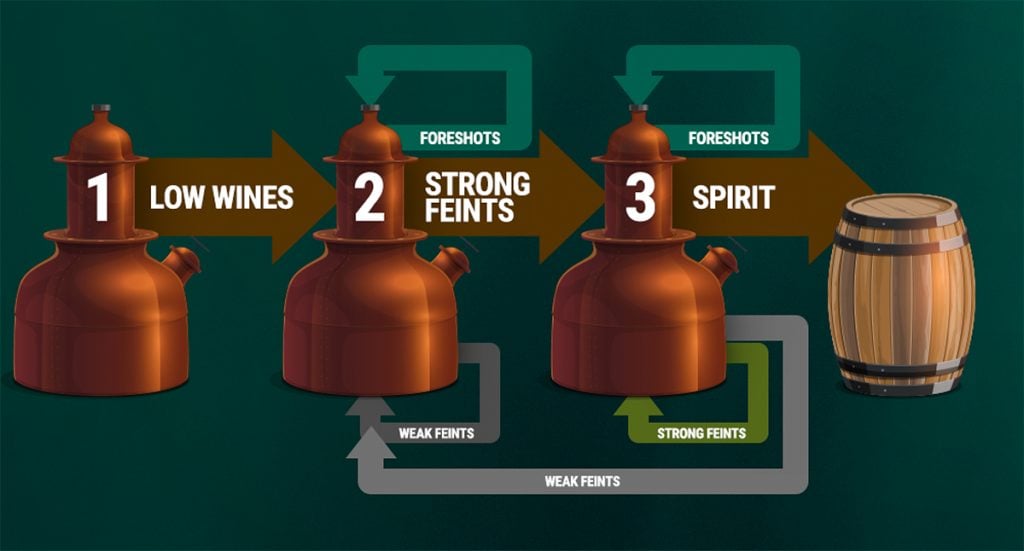
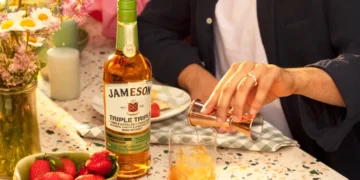
Irish whiskey explained: triple distillation | Master of Malt blog

While these changes are primarily aimed at reducing the environmental impact of whiskey production, they also have the potential to alter the flavor. For instance, using geothermal or solar energy could affect the distillation temperature and timing, which in turn can impact how the compounds in the whiskey react. A more energy-efficient still could also lead to a purer spirit with fewer impurities, potentially resulting in a smoother, more refined flavor.

In addition, water is one of the most essential ingredients in whiskey, both for the distillation process and for diluting the final spirit to its desired proof. Distilleries are increasingly looking for ways to conserve water, and in some cases, they’re using water from local sources that might have a unique mineral composition. This mineral profile can influence the flavor of the whiskey, just as the minerals in water used for brewing beer can impact its taste. For instance, whiskey made with hard water may have a different mouthfeel than one made with soft water, which could lead to subtle changes in texture and taste.

The Role of Whiskey Aging and Sustainability

Aging whiskey is another area where sustainability practices can influence taste. Traditionally, whiskey is aged in oak barrels, which impart a wide range of flavors to the spirit, from vanilla and caramel to smoke and spice. However, the demand for whiskey barrels has put pressure on oak forests, which are increasingly being overharvested to meet the needs of distilleries worldwide.

In response, some distilleries are turning to more sustainable sources of oak, such as trees that are farmed responsibly or reclaimed wood from old barrels. This change can lead to differences in flavor. For example, a barrel made from sustainably sourced oak may impart a slightly different flavor profile than one made from oak that was harvested in less environmentally conscious ways. The aging process itself could also be altered by innovations in barrel production, such as using staves that are treated with environmentally friendly methods, or experimenting with different wood types, like cherry or maple, that offer unique flavor nuances.

Moreover, the aging environment — typically warehouses or “rickhouses” where barrels are stored — is also being reconsidered. Some distilleries are embracing green building practices by constructing warehouses with better insulation and ventilation to control temperature fluctuations and improve energy efficiency. This helps the whiskey mature in a more consistent environment, which may lead to more precise and predictable flavor profiles.

How Innovation Is Changing Whiskey Taste

Innovation in sustainable practices often goes hand-in-hand with creativity in whiskey production. Distillers are continuously experimenting with new techniques, ingredients, and processes, many of which are aimed at improving sustainability. For example, some distilleries are incorporating alternative grains such as quinoa, spelt, or even seaweed into their mash bills, offering a fresh twist on traditional whiskey recipes.

Laphroaig in a new look with more environmentally friendly packaging -  Whisky.com

Other distilleries are exploring the potential of using renewable materials like bamboo or hemp for their barrels, which could significantly reduce their environmental impact compared to traditional oak barrels. These innovations may result in whiskeys that taste slightly different, with new flavors and textures emerging from these unique aging processes.

Additionally, sustainable practices may lead to more consistent product offerings. As distilleries embrace better farming practices, more careful water and energy usage, and thoughtful barrel aging, they may be able to produce whiskey that consistently reflects the quality of the ingredients used. This consistency can be a game-changer for whiskey drinkers, offering a product that tastes as good as it is good for the environment.

How Sustainability is Influencing Consumer Preferences

As consumers become more environmentally conscious, they are starting to demand more sustainable options in every aspect of their lives, including the food and drink they consume. In response, many whiskey brands are making their sustainability efforts more visible by advertising their eco-friendly practices and sustainable sourcing on their labels. For some whiskey lovers, the knowledge that a brand is using sustainable practices might even influence their purchasing decision, with the idea that choosing a sustainable product also means supporting responsible, ethical production.

Sustainability isn’t just a buzzword; it’s becoming a key factor in how whiskey is perceived. Whether it’s a distillery’s commitment to reducing carbon emissions or their innovative use of locally sourced ingredients, consumers are increasingly willing to support brands that align with their environmental values. This shift in consumer preferences may be one of the driving forces behind the increased experimentation with flavor and production techniques.

The Future of Sustainable Whiskey

As the whiskey industry continues to evolve, it’s clear that sustainability will play an increasingly important role in shaping the flavors of the future. From changes in farming practices and distillation methods to innovative barrel aging techniques and consumer-driven demand for transparency, sustainability is quietly but steadily transforming the whiskey landscape.

Though we’re only beginning to scratch the surface of how sustainability will affect whiskey, one thing is certain: the future of whiskey will be greener — and the flavors will be more diverse and reflective of the land from which they come. Whether you’re a longtime whiskey aficionado or a newcomer to the world of spirits, the next time you pour yourself a glass, you may just be tasting the fruits of a more sustainable future.

Tags: Innovationsustainabilitywhiskey productionwhiskey tasting
ShareTweetShare

Related Posts

Can Beer Be an Effective Ingredient in Culinary Cooking?
ALL

Can Beer Be an Effective Ingredient in Culinary Cooking?

January 22, 2026
Second Fermentation in Champagne: Is It Really That Crucial?
ALL

Second Fermentation in Champagne: Is It Really That Crucial?

January 22, 2026
How Do Different Grains Impact the Flavor Profile of Distilled Spirits?
ALL

How Do Different Grains Impact the Flavor Profile of Distilled Spirits?

January 22, 2026
How Do Whiskey Master Blenders Create Perfection?
ALL

How Do Whiskey Master Blenders Create Perfection?

January 22, 2026
Wine Pairings: Can They Change the Flavor Profile of a Dish?
ALL

Wine Pairings: Can They Change the Flavor Profile of a Dish?

January 22, 2026
Beer the Ultimate Beverage for Pairing with Spicy Food?
ALL

Beer the Ultimate Beverage for Pairing with Spicy Food?

January 21, 2026
Leave Comment
  • Trending
  • Comments
  • Latest
Role of Terroir in Champagne Production

Role of Terroir in Champagne Production

January 19, 2026
What Hidden Craftsmanship Lies Behind a Bottle of Quality Grain Spirits?

What Hidden Craftsmanship Lies Behind a Bottle of Quality Grain Spirits?

July 3, 2025
Champagne Can Be Aged in Wood?

Champagne Can Be Aged in Wood?

January 18, 2026
Is Organic Wine Healthier Than Conventional Wine?

Is Organic Wine Healthier Than Conventional Wine?

January 20, 2026
The Timeless Elegance of Wine: A Journey Through History and Culture

The Timeless Elegance of Wine: A Journey Through History and Culture

Why Is Château Lafite Rothschild the Pinnacle of Fine Wine?

Why Is Château Lafite Rothschild the Pinnacle of Fine Wine?

How Did Château Lafite Rothschild Become a Global Icon of Luxury?

How Did Château Lafite Rothschild Become a Global Icon of Luxury?

What Makes Chateau Lafite Rothschild the Pinnacle of Bordeaux Wines?

What Makes Chateau Lafite Rothschild the Pinnacle of Bordeaux Wines?

Can Beer Be an Effective Ingredient in Culinary Cooking?

Can Beer Be an Effective Ingredient in Culinary Cooking?

January 22, 2026
Second Fermentation in Champagne: Is It Really That Crucial?

Second Fermentation in Champagne: Is It Really That Crucial?

January 22, 2026
How Do Different Grains Impact the Flavor Profile of Distilled Spirits?

How Do Different Grains Impact the Flavor Profile of Distilled Spirits?

January 22, 2026
How Do Whiskey Master Blenders Create Perfection?

How Do Whiskey Master Blenders Create Perfection?

January 22, 2026
SipsavorLife

Welcome to our comprehensive beverage guide, where you can explore the fascinating world of alcoholic drinks. From exquisite wines and rich whiskeys to refreshing beers and sparkling champagnes, we provide insights, tips, and recommendations for enthusiasts and casual drinkers alike. Discover your next favorite libation with us!

© 2025 sipsavorlife.com. contacts:sipsavorlife-35376@gmail.com

No Result
View All Result
  • Home
  • Wine
  • Whiskey
  • Beer
  • Grain Spirits
  • Champagne
  • ALL

© 2025 sipsavorlife.com. contacts:sipsavorlife-35376@gmail.com

Welcome Back!

Login to your account below

Forgotten Password?

Retrieve your password

Please enter your username or email address to reset your password.

Log In