







SipsavorLife
  • Home
  • Wine
    The History and Culture of Wine: From Ancient Traditions to Modern Lifestyle

    Wine, Health, and Lifestyle: Balancing Pleasure, Well-Being, and Culture

    The History and Culture of Wine: From Ancient Traditions to Modern Lifestyle

    Global Wine Market Trends and Collecting: Economics, Culture, and Investment

    The History and Culture of Wine: From Ancient Traditions to Modern Lifestyle

    The Art of Wine Tasting: A Journey Through Senses and Culture

    The History and Culture of Wine: From Ancient Traditions to Modern Lifestyle

    The Art and Science of Winemaking: From Vineyard to Glass

    The History and Culture of Wine: From Ancient Traditions to Modern Lifestyle

    The History and Culture of Wine: From Ancient Traditions to Modern Lifestyle

    The World of Wine: A Deep Dive into Taste, Terroir, and Tradition

    The World of Wine: A Deep Dive into Taste, Terroir, and Tradition

  • Whiskey
    Can Beer Be an Effective Ingredient in Culinary Cooking?

    Can Beer Be an Effective Ingredient in Culinary Cooking?

    Second Fermentation in Champagne: Is It Really That Crucial?

    Second Fermentation in Champagne: Is It Really That Crucial?

    How Do Different Grains Impact the Flavor Profile of Distilled Spirits?

    How Do Different Grains Impact the Flavor Profile of Distilled Spirits?

    How Do Whiskey Master Blenders Create Perfection?

    How Do Whiskey Master Blenders Create Perfection?

    Wine Pairings: Can They Change the Flavor Profile of a Dish?

    Wine Pairings: Can They Change the Flavor Profile of a Dish?

    Beer the Ultimate Beverage for Pairing with Spicy Food?

    Beer the Ultimate Beverage for Pairing with Spicy Food?

  • Beer
    The World of Beer — A Deep Dive into Craft, Culture, and Evolution

    Mastering Beer Tasting — From Casual Drinker to Connoisseur

    The World of Beer — A Deep Dive into Craft, Culture, and Evolution

    The Business of Beer — Global Markets, Brand Power, and the Economics Behind the Brew

    The World of Beer — A Deep Dive into Craft, Culture, and Evolution

    The Science of Beer — Chemistry, Biology, and the Invisible Forces Behind Flavor

    The World of Beer — A Deep Dive into Craft, Culture, and Evolution

    Craft Beer Culture — A Lifestyle, A Movement, A New Way of Experiencing the World

    The World of Beer — A Deep Dive into Craft, Culture, and Evolution

    The World of Beer — A Deep Dive into Craft, Culture, and Evolution

    Beer History and Cultural Evolution: From Ancient Grains to Modern Brews

    Beer Trends and Future Innovations: Shaping the Next Era of Brewing

  • Grain Spirits
    The Origins of Grain Spirits: Power, Society, and the Birth of Distilled Alcohol

    The Future of Grain Spirits: Reinvention in an Age of Change

    The Origins of Grain Spirits: Power, Society, and the Birth of Distilled Alcohol

    The Psychology of Grain Spirits: Identity, Control, and the Language of Power

    The Origins of Grain Spirits: Power, Society, and the Birth of Distilled Alcohol

    A World in a Glass: Mapping Grain Spirits Across Cultures and Continents

    The Origins of Grain Spirits: Power, Society, and the Birth of Distilled Alcohol

    From Grain to Glass: The Complete Process of Making Grain Spirits

    The Origins of Grain Spirits: Power, Society, and the Birth of Distilled Alcohol

    The Origins of Grain Spirits: Power, Society, and the Birth of Distilled Alcohol

    How Do Different Grains Impact the Flavor Profile of Distilled Spirits?

    How Do Different Grains Impact the Flavor Profile of Distilled Spirits?

  • Champagne
    Champagne — The Ultimate Symbol of Elegance, Celebration, and Craft

    The Art of Champagne Tasting — A Refined Guide to Elegance, Precision, and Sensory Mastery

    Champagne — The Ultimate Symbol of Elegance, Celebration, and Craft

    The Business of Champagne — Luxury Strategy, Brand Power, and the Economics of Prestige

    Champagne — The Ultimate Symbol of Elegance, Celebration, and Craft

    The Science of Champagne — Bubbles, Pressure, and the Precision Behind Elegance

    Champagne — The Ultimate Symbol of Elegance, Celebration, and Craft

    Champagne Lifestyle — Luxury, Ritual, and the Art of Celebration

    Champagne — The Ultimate Symbol of Elegance, Celebration, and Craft

    Champagne — The Ultimate Symbol of Elegance, Celebration, and Craft

    Champagne: The Drink of Celebration and Power

    The Future of Champagne: Sustainability, Innovation, and the Redefinition of Luxury

  • ALL
    Can Beer Be an Effective Ingredient in Culinary Cooking?

    Can Beer Be an Effective Ingredient in Culinary Cooking?

    Second Fermentation in Champagne: Is It Really That Crucial?

    Second Fermentation in Champagne: Is It Really That Crucial?

    How Do Different Grains Impact the Flavor Profile of Distilled Spirits?

    How Do Different Grains Impact the Flavor Profile of Distilled Spirits?

    How Do Whiskey Master Blenders Create Perfection?

    How Do Whiskey Master Blenders Create Perfection?

    Wine Pairings: Can They Change the Flavor Profile of a Dish?

    Wine Pairings: Can They Change the Flavor Profile of a Dish?

    Beer the Ultimate Beverage for Pairing with Spicy Food?

    Beer the Ultimate Beverage for Pairing with Spicy Food?

SipsavorLife
  • Home
  • Wine
    The History and Culture of Wine: From Ancient Traditions to Modern Lifestyle

    Wine, Health, and Lifestyle: Balancing Pleasure, Well-Being, and Culture

    The History and Culture of Wine: From Ancient Traditions to Modern Lifestyle

    Global Wine Market Trends and Collecting: Economics, Culture, and Investment

    The History and Culture of Wine: From Ancient Traditions to Modern Lifestyle

    The Art of Wine Tasting: A Journey Through Senses and Culture

    The History and Culture of Wine: From Ancient Traditions to Modern Lifestyle

    The Art and Science of Winemaking: From Vineyard to Glass

    The History and Culture of Wine: From Ancient Traditions to Modern Lifestyle

    The History and Culture of Wine: From Ancient Traditions to Modern Lifestyle

    The World of Wine: A Deep Dive into Taste, Terroir, and Tradition

    The World of Wine: A Deep Dive into Taste, Terroir, and Tradition

  • Whiskey
    Can Beer Be an Effective Ingredient in Culinary Cooking?

    Can Beer Be an Effective Ingredient in Culinary Cooking?

    Second Fermentation in Champagne: Is It Really That Crucial?

    Second Fermentation in Champagne: Is It Really That Crucial?

    How Do Different Grains Impact the Flavor Profile of Distilled Spirits?

    How Do Different Grains Impact the Flavor Profile of Distilled Spirits?

    How Do Whiskey Master Blenders Create Perfection?

    How Do Whiskey Master Blenders Create Perfection?

    Wine Pairings: Can They Change the Flavor Profile of a Dish?

    Wine Pairings: Can They Change the Flavor Profile of a Dish?

    Beer the Ultimate Beverage for Pairing with Spicy Food?

    Beer the Ultimate Beverage for Pairing with Spicy Food?

  • Beer
    The World of Beer — A Deep Dive into Craft, Culture, and Evolution

    Mastering Beer Tasting — From Casual Drinker to Connoisseur

    The World of Beer — A Deep Dive into Craft, Culture, and Evolution

    The Business of Beer — Global Markets, Brand Power, and the Economics Behind the Brew

    The World of Beer — A Deep Dive into Craft, Culture, and Evolution

    The Science of Beer — Chemistry, Biology, and the Invisible Forces Behind Flavor

    The World of Beer — A Deep Dive into Craft, Culture, and Evolution

    Craft Beer Culture — A Lifestyle, A Movement, A New Way of Experiencing the World

    The World of Beer — A Deep Dive into Craft, Culture, and Evolution

    The World of Beer — A Deep Dive into Craft, Culture, and Evolution

    Beer History and Cultural Evolution: From Ancient Grains to Modern Brews

    Beer Trends and Future Innovations: Shaping the Next Era of Brewing

  • Grain Spirits
    The Origins of Grain Spirits: Power, Society, and the Birth of Distilled Alcohol

    The Future of Grain Spirits: Reinvention in an Age of Change

    The Origins of Grain Spirits: Power, Society, and the Birth of Distilled Alcohol

    The Psychology of Grain Spirits: Identity, Control, and the Language of Power

    The Origins of Grain Spirits: Power, Society, and the Birth of Distilled Alcohol

    A World in a Glass: Mapping Grain Spirits Across Cultures and Continents

    The Origins of Grain Spirits: Power, Society, and the Birth of Distilled Alcohol

    From Grain to Glass: The Complete Process of Making Grain Spirits

    The Origins of Grain Spirits: Power, Society, and the Birth of Distilled Alcohol

    The Origins of Grain Spirits: Power, Society, and the Birth of Distilled Alcohol

    How Do Different Grains Impact the Flavor Profile of Distilled Spirits?

    How Do Different Grains Impact the Flavor Profile of Distilled Spirits?

  • Champagne
    Champagne — The Ultimate Symbol of Elegance, Celebration, and Craft

    The Art of Champagne Tasting — A Refined Guide to Elegance, Precision, and Sensory Mastery

    Champagne — The Ultimate Symbol of Elegance, Celebration, and Craft

    The Business of Champagne — Luxury Strategy, Brand Power, and the Economics of Prestige

    Champagne — The Ultimate Symbol of Elegance, Celebration, and Craft

    The Science of Champagne — Bubbles, Pressure, and the Precision Behind Elegance

    Champagne — The Ultimate Symbol of Elegance, Celebration, and Craft

    Champagne Lifestyle — Luxury, Ritual, and the Art of Celebration

    Champagne — The Ultimate Symbol of Elegance, Celebration, and Craft

    Champagne — The Ultimate Symbol of Elegance, Celebration, and Craft

    Champagne: The Drink of Celebration and Power

    The Future of Champagne: Sustainability, Innovation, and the Redefinition of Luxury

  • ALL
    Can Beer Be an Effective Ingredient in Culinary Cooking?

    Can Beer Be an Effective Ingredient in Culinary Cooking?

    Second Fermentation in Champagne: Is It Really That Crucial?

    Second Fermentation in Champagne: Is It Really That Crucial?

    How Do Different Grains Impact the Flavor Profile of Distilled Spirits?

    How Do Different Grains Impact the Flavor Profile of Distilled Spirits?

    How Do Whiskey Master Blenders Create Perfection?

    How Do Whiskey Master Blenders Create Perfection?

    Wine Pairings: Can They Change the Flavor Profile of a Dish?

    Wine Pairings: Can They Change the Flavor Profile of a Dish?

    Beer the Ultimate Beverage for Pairing with Spicy Food?

    Beer the Ultimate Beverage for Pairing with Spicy Food?

SipsavorLife
No Result
View All Result
Home ALL

Does Darker Whiskey Actually Mean Better Quality?

January 7, 2026
in ALL, Whiskey
Does Darker Whiskey Actually Mean Better Quality?

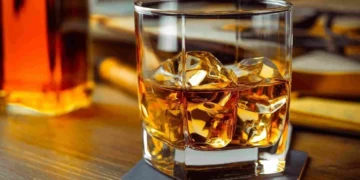
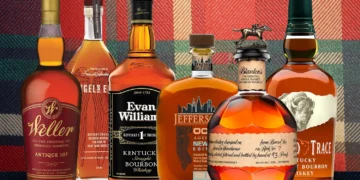
When you walk into a bar or liquor store, it’s easy to be drawn to bottles of whiskey that have a rich, amber-brown hue. It’s almost as if the deeper the color, the better the quality. But does the color of whiskey actually say anything about its flavor, age, or overall quality? The idea that darker whiskey equals superior quality is a commonly held belief, but is it true? In this article, we’ll delve into the factors that contribute to whiskey’s color and quality, the role of aging, and whether or not the color of your drink should guide your purchase decisions.

The Science Behind Whiskey Color

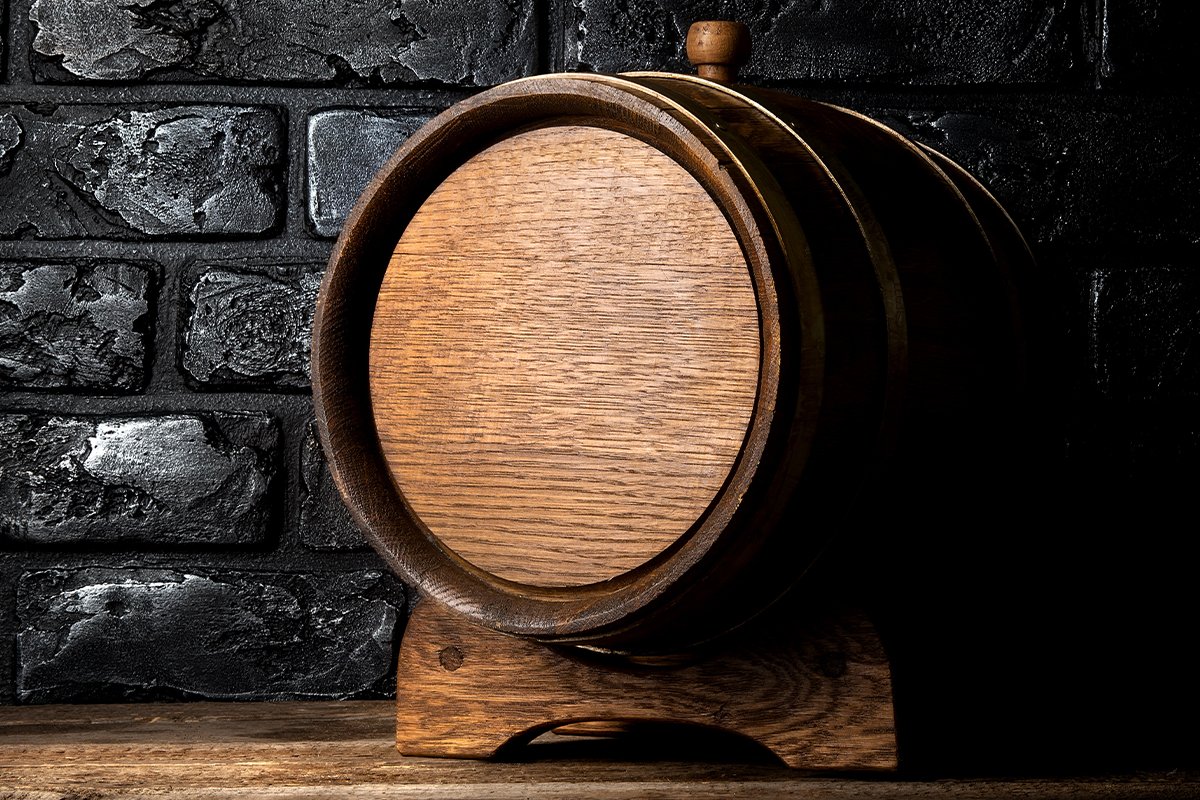
Whiskey color comes from its interaction with wood during aging. Specifically, it’s the result of the chemical compounds that seep from the oak barrel into the spirit. These compounds include tannins, lignins, and caramelized sugars, which all contribute to the whiskey’s visual appeal and flavor profile. As whiskey ages, it takes on more color from the barrel, typically transitioning from pale straw or light gold to deep amber or even mahogany.

But here’s the first key takeaway: color alone is not a definitive measure of quality. The way whiskey ages—especially the environment it ages in—has far more influence on its character than the amount of time it spends in a barrel.

Oak Barrels and Their Role

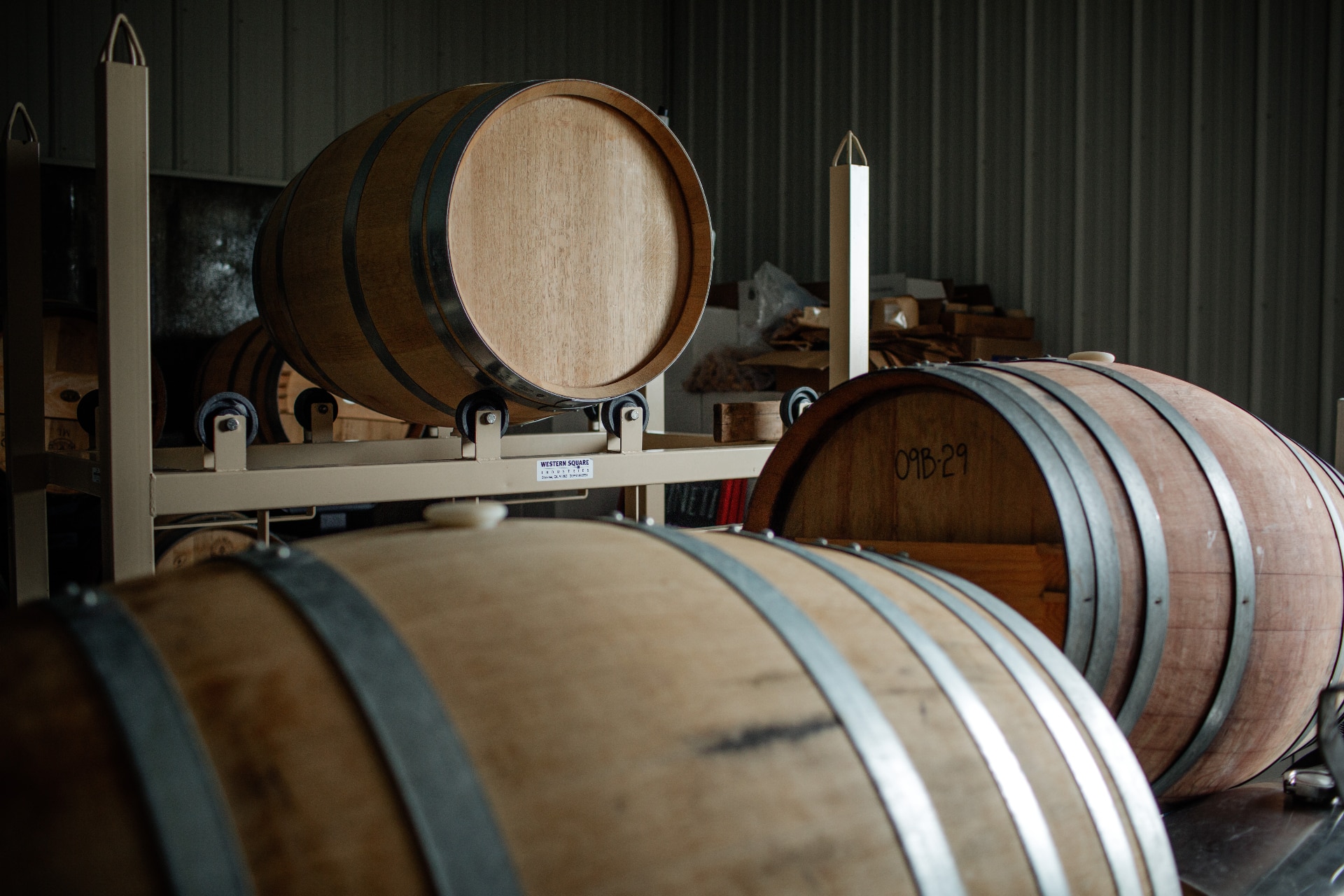
American oak and European oak are the two most common types of barrels used for aging whiskey, and both impart different flavors and colors. European oak, often used in Scotch whisky and some fine bourbons, typically produces a darker whiskey, thanks to the more intense tannins in the wood. American oak barrels, on the other hand, usually give whiskeys a lighter hue, but they are often toasted or charred on the inside, which enhances their vanilla, caramel, and spice flavors.

The barrel’s previous use also impacts color. A new barrel—one that hasn’t been used to store other liquids—will impart a deeper color and stronger flavors. A second-use or third-use barrel won’t give as much color or flavor to the whiskey, but the resulting drink might be more subtle and less intense.

Aging Process and Environment

Aging is one of the key factors influencing whiskey’s color, but it’s the conditions in which whiskey is aged that matter most. The temperature and humidity of the aging environment play a huge role in how the whiskey interacts with the barrel. In hotter climates like Kentucky or the Caribbean, whiskey tends to age faster, which can lead to a deeper color in a shorter amount of time. In colder climates, the aging process slows down, resulting in a lighter whiskey that may require more time to achieve the same depth of color and flavor.

The Role of Caramel Coloring
PA Wine 101: How are Barrels Used in Winemaking?

In many cases, the rich amber color of a whiskey might not be a product of extended aging but rather an added ingredient: caramel coloring. This practice is common, especially in mass-produced whiskeys, where consistency in appearance is desired. Caramel coloring doesn’t affect the taste of the whiskey, but it does make it appear darker, which might lead you to believe the whiskey is older or of higher quality.

Though caramel coloring is harmless, it does raise the question of authenticity. A whiskey that’s artificially darkened doesn’t necessarily represent the true character of the spirit, which could be a disappointment for connoisseurs seeking a more natural profile.

Does Darker Whiskey Mean More Flavor?

It’s easy to assume that a darker whiskey will also have a more intense flavor, but this isn’t always the case. Darker whiskeys can certainly have bold, complex flavors, but this is not a universal truth. The amount of wood interaction—the key to both color and flavor—is just one piece of the puzzle.

The Importance of Distillation and Ingredients

Whiskey’s flavor profile is influenced not only by its aging process but also by its distillation method and ingredients. The type of grain used—whether corn, barley, rye, or wheat—affects the final flavor of the whiskey. For example, a rye whiskey often has a spicier, more peppery flavor, while a bourbon made primarily from corn tends to be sweeter.

In addition, how the whiskey is distilled—whether it’s a pot still or a column still—impacts the final product. Pot stills, often used for smaller batches of high-quality whiskey, produce a richer, more complex flavor, while column stills, used in mass production, typically create a smoother but less nuanced spirit.

The Role of Blending

Blended whiskeys are also a factor in this conversation. A blended whiskey might have a lighter or darker color depending on the whiskeys used to create it, but the blending process itself aims to create a balanced and harmonious flavor profile. This means that a blended whiskey doesn’t necessarily have to be dark to be delicious or high-quality.

The Complexity of Flavor

When it comes to tasting whiskey, the complexity of the flavor should be your primary focus, not the color. Flavors can range from light and floral to rich and smoky, and many factors contribute to this profile: the grain, the yeast, the water, and of course, the aging process. Darker whiskeys might have rich notes of caramel, vanilla, and oak, but lighter whiskeys can have vibrant flavors of fruit, honey, and herbs.

Everything You Need to Host Your Own Scotch Tasting Party

Is Age the True Indicator of Quality?

A common assumption is that older whiskeys are automatically of higher quality, but this is another area where color can be misleading. While age does play a role in the development of a whiskey’s flavor, it doesn’t always guarantee a better experience.

The Goldilocks Zone

In fact, whiskey aging has its limits. As whiskey ages, it continues to absorb compounds from the barrel, but beyond a certain point, the spirit begins to lose its vitality. Over-aging can result in a whiskey that tastes overly woody or tannic, with flavors that overpower the base spirit. The ideal aging time varies depending on the type of whiskey and its aging conditions, but for most whiskeys, it’s usually somewhere between 8 and 15 years.

The Age Debate: A Balancing Act

Some whiskey enthusiasts argue that a whiskey’s age isn’t as important as the quality of the ingredients and the craftsmanship behind it. A younger whiskey that’s well-made and carefully crafted can be just as enjoyable as a much older one. For example, there are many excellent whiskeys on the market that are just a few years old but have complex, well-developed flavors thanks to careful distillation and excellent barrel management.

The Role of Cask Strength and Non-Chill Filtering

One factor that can elevate a whiskey’s quality—regardless of its age or color—is its cask strength and whether it’s been chill-filtered. Cask strength whiskeys are bottled without dilution, meaning they retain more of the intense flavors from the barrel. Non-chill-filtered whiskeys are also considered more “pure,” as the filtration process often removes some of the compounds that contribute to a whiskey’s flavor and mouthfeel.

Should You Choose Whiskey Based on Color?

Now that we’ve explored the relationship between whiskey’s color and its quality, the question remains: should you choose your whiskey based on its color? The answer depends on what you’re looking for in your whiskey experience.

If you’re a casual drinker or new to whiskey, you may be drawn to darker whiskeys because they appear more robust and complex. However, the color should only be a starting point in your exploration. To truly appreciate whiskey, focus more on tasting and smelling it rather than fixating on its hue.

For experienced whiskey drinkers, the color can give you some insight into the aging process, but it’s important to remember that it’s only one piece of the puzzle. It’s much more important to consider the distillation methods, ingredients, aging process, and your own personal preferences when selecting a bottle.

Conclusion

In the end, darker whiskey does not automatically mean better quality. While color can tell you something about the aging process and the type of barrel used, it’s far from the ultimate measure of quality. The flavor, craftsmanship, and balance of the whiskey should always be your primary focus. So next time you’re selecting a bottle, try to let go of the color myth and trust your own palate instead.
Tags: bourbonwhiskey agingwhiskey productionwhiskey tasting
ShareTweetShare

Related Posts

The Art and Science of Whisky: History, Craft, and Innovation
Whiskey

Whisky Innovation, Craft Distilleries, and Future Trends: Shaping the Spirit of Tomorrow

March 30, 2026
The Art and Science of Whisky: History, Craft, and Innovation
Whiskey

Whisky Culture, Lifestyle, and Gastronomy: A Journey Through Taste and Tradition

March 30, 2026
The Art and Science of Whisky: History, Craft, and Innovation
Whiskey

Whisky Market Trends, Collecting, and Investment Strategies

March 30, 2026
The Art and Science of Whisky: History, Craft, and Innovation
Whiskey

Whisky Tasting and Appreciation: From Nose to Palate

March 30, 2026
The Art and Science of Whisky: History, Craft, and Innovation
Whiskey

The Art and Science of Whisky: History, Craft, and Innovation

March 30, 2026
Modern Whisky Trends: How a New Generation Is Redefining Whisky Culture
Whiskey

The World of Whisky: History, Craft, and Global Culture

March 26, 2026
Leave Comment
  • Trending
  • Comments
  • Latest
Role of Terroir in Champagne Production

Role of Terroir in Champagne Production

January 19, 2026
Champagne Can Be Aged in Wood?

Champagne Can Be Aged in Wood?

January 18, 2026
Is Organic Wine Healthier Than Conventional Wine?

Is Organic Wine Healthier Than Conventional Wine?

January 20, 2026
Why Do Some Champagnes Use a High Proportion of Pinot Meunier?

Why Do Some Champagnes Use a High Proportion of Pinot Meunier?

January 20, 2026
The Timeless Elegance of Wine: A Journey Through History and Culture

The Timeless Elegance of Wine: A Journey Through History and Culture

Why Is Château Lafite Rothschild the Pinnacle of Fine Wine?

Why Is Château Lafite Rothschild the Pinnacle of Fine Wine?

How Did Château Lafite Rothschild Become a Global Icon of Luxury?

How Did Château Lafite Rothschild Become a Global Icon of Luxury?

What Makes Chateau Lafite Rothschild the Pinnacle of Bordeaux Wines?

What Makes Chateau Lafite Rothschild the Pinnacle of Bordeaux Wines?

Champagne — The Ultimate Symbol of Elegance, Celebration, and Craft

The Art of Champagne Tasting — A Refined Guide to Elegance, Precision, and Sensory Mastery

April 15, 2026
Champagne — The Ultimate Symbol of Elegance, Celebration, and Craft

The Business of Champagne — Luxury Strategy, Brand Power, and the Economics of Prestige

April 15, 2026
Champagne — The Ultimate Symbol of Elegance, Celebration, and Craft

The Science of Champagne — Bubbles, Pressure, and the Precision Behind Elegance

April 15, 2026
Champagne — The Ultimate Symbol of Elegance, Celebration, and Craft

Champagne Lifestyle — Luxury, Ritual, and the Art of Celebration

April 15, 2026
SipsavorLife

Welcome to our comprehensive beverage guide, where you can explore the fascinating world of alcoholic drinks. From exquisite wines and rich whiskeys to refreshing beers and sparkling champagnes, we provide insights, tips, and recommendations for enthusiasts and casual drinkers alike. Discover your next favorite libation with us!

© 2025 sipsavorlife.com. contacts:sipsavorlife-35376@gmail.com

No Result
View All Result
  • Home
  • Wine
  • Whiskey
  • Beer
  • Grain Spirits
  • Champagne
  • ALL

© 2025 sipsavorlife.com. contacts:sipsavorlife-35376@gmail.com

Welcome Back!

Login to your account below

Forgotten Password?

Retrieve your password

Please enter your username or email address to reset your password.

Log In