SipsavorLife
  • Home
  • Wine
    Wine Pairings: Can They Change the Flavor Profile of a Dish?

    Wine Pairings: Can They Change the Flavor Profile of a Dish?

    How Do Wine Glasses Influence the Tasting Experience?

    How Do Wine Glasses Influence the Tasting Experience?

    Is Organic Wine Healthier Than Conventional Wine?

    Is Organic Wine Healthier Than Conventional Wine?

    Why Do Some Wines Taste Better from Specific Vintages?

    Why Do Some Wines Taste Better from Specific Vintages?

    Wine Tasting: Can It Truly Be an Art Form?

    Wine Tasting: Can It Truly Be an Art Form?

    What Does Terroir Actually Mean for Your Wine?

    What Does Terroir Actually Mean for Your Wine?

  • Whiskey
    Can Beer Be an Effective Ingredient in Culinary Cooking?

    Can Beer Be an Effective Ingredient in Culinary Cooking?

    Second Fermentation in Champagne: Is It Really That Crucial?

    Second Fermentation in Champagne: Is It Really That Crucial?

    How Do Different Grains Impact the Flavor Profile of Distilled Spirits?

    How Do Different Grains Impact the Flavor Profile of Distilled Spirits?

    How Do Whiskey Master Blenders Create Perfection?

    How Do Whiskey Master Blenders Create Perfection?

    Wine Pairings: Can They Change the Flavor Profile of a Dish?

    Wine Pairings: Can They Change the Flavor Profile of a Dish?

    Beer the Ultimate Beverage for Pairing with Spicy Food?

    Beer the Ultimate Beverage for Pairing with Spicy Food?

  • Beer
    Can Beer Be an Effective Ingredient in Culinary Cooking?

    Can Beer Be an Effective Ingredient in Culinary Cooking?

    Beer the Ultimate Beverage for Pairing with Spicy Food?

    Beer the Ultimate Beverage for Pairing with Spicy Food?

    How Did Ancient Civilizations Brew Beer Without Modern Technology?

    How Did Ancient Civilizations Brew Beer Without Modern Technology?

    Is It Possible to Brew a Beer with No Alcohol and No Compromise on Taste?

    Is It Possible to Brew a Beer with No Alcohol and No Compromise on Taste?

    Why Does Beer Taste Different at High Altitudes?

    Why Does Beer Taste Different at High Altitudes?

    Is Hops the Secret Ingredient Behind Beer’s Bold Flavor?

    Is Hops the Secret Ingredient Behind Beer’s Bold Flavor?

  • Grain Spirits
    How Do Different Grains Impact the Flavor Profile of Distilled Spirits?

    How Do Different Grains Impact the Flavor Profile of Distilled Spirits?

    Grain Spirits the Unsung Heroes of Modern Mixology

    Grain Spirits the Unsung Heroes of Modern Mixology

    What Makes Grain-Based Whiskey So Different from Its Peated Cousins?

    What Makes Grain-Based Whiskey So Different from Its Peated Cousins?

    Grain Spirits: Could They Be the Next Big Trend in Craft Cocktails?

    Grain Spirits: Could They Be the Next Big Trend in Craft Cocktails?

    Why Are Grain Spirits Often Overlooked in the World of Fine Liquor?

    Why Are Grain Spirits Often Overlooked in the World of Fine Liquor?

    Is There a Secret Art to Distilling Grain Spirits?

    Is There a Secret Art to Distilling Grain Spirits?

  • Champagne
    Second Fermentation in Champagne: Is It Really That Crucial?

    Second Fermentation in Champagne: Is It Really That Crucial?

    The Science Behind the ‘Bubble Size’ in Champagne

    The Science Behind the ‘Bubble Size’ in Champagne

    Why Do Some Champagnes Use a High Proportion of Pinot Meunier?

    Why Do Some Champagnes Use a High Proportion of Pinot Meunier?

    Role of Terroir in Champagne Production

    Role of Terroir in Champagne Production

    Champagne Can Be Aged in Wood?

    Champagne Can Be Aged in Wood?

    Is There a Difference Between Blanc de Blancs and Blanc de Noirs Champagne?

    Is There a Difference Between Blanc de Blancs and Blanc de Noirs Champagne?

  • ALL
    Can Beer Be an Effective Ingredient in Culinary Cooking?

    Can Beer Be an Effective Ingredient in Culinary Cooking?

    Second Fermentation in Champagne: Is It Really That Crucial?

    Second Fermentation in Champagne: Is It Really That Crucial?

    How Do Different Grains Impact the Flavor Profile of Distilled Spirits?

    How Do Different Grains Impact the Flavor Profile of Distilled Spirits?

    How Do Whiskey Master Blenders Create Perfection?

    How Do Whiskey Master Blenders Create Perfection?

    Wine Pairings: Can They Change the Flavor Profile of a Dish?

    Wine Pairings: Can They Change the Flavor Profile of a Dish?

    Beer the Ultimate Beverage for Pairing with Spicy Food?

    Beer the Ultimate Beverage for Pairing with Spicy Food?

SipsavorLife
  • Home
  • Wine
    Wine Pairings: Can They Change the Flavor Profile of a Dish?

    Wine Pairings: Can They Change the Flavor Profile of a Dish?

    How Do Wine Glasses Influence the Tasting Experience?

    How Do Wine Glasses Influence the Tasting Experience?

    Is Organic Wine Healthier Than Conventional Wine?

    Is Organic Wine Healthier Than Conventional Wine?

    Why Do Some Wines Taste Better from Specific Vintages?

    Why Do Some Wines Taste Better from Specific Vintages?

    Wine Tasting: Can It Truly Be an Art Form?

    Wine Tasting: Can It Truly Be an Art Form?

    What Does Terroir Actually Mean for Your Wine?

    What Does Terroir Actually Mean for Your Wine?

  • Whiskey
    Can Beer Be an Effective Ingredient in Culinary Cooking?

    Can Beer Be an Effective Ingredient in Culinary Cooking?

    Second Fermentation in Champagne: Is It Really That Crucial?

    Second Fermentation in Champagne: Is It Really That Crucial?

    How Do Different Grains Impact the Flavor Profile of Distilled Spirits?

    How Do Different Grains Impact the Flavor Profile of Distilled Spirits?

    How Do Whiskey Master Blenders Create Perfection?

    How Do Whiskey Master Blenders Create Perfection?

    Wine Pairings: Can They Change the Flavor Profile of a Dish?

    Wine Pairings: Can They Change the Flavor Profile of a Dish?

    Beer the Ultimate Beverage for Pairing with Spicy Food?

    Beer the Ultimate Beverage for Pairing with Spicy Food?

  • Beer
    Can Beer Be an Effective Ingredient in Culinary Cooking?

    Can Beer Be an Effective Ingredient in Culinary Cooking?

    Beer the Ultimate Beverage for Pairing with Spicy Food?

    Beer the Ultimate Beverage for Pairing with Spicy Food?

    How Did Ancient Civilizations Brew Beer Without Modern Technology?

    How Did Ancient Civilizations Brew Beer Without Modern Technology?

    Is It Possible to Brew a Beer with No Alcohol and No Compromise on Taste?

    Is It Possible to Brew a Beer with No Alcohol and No Compromise on Taste?

    Why Does Beer Taste Different at High Altitudes?

    Why Does Beer Taste Different at High Altitudes?

    Is Hops the Secret Ingredient Behind Beer’s Bold Flavor?

    Is Hops the Secret Ingredient Behind Beer’s Bold Flavor?

  • Grain Spirits
    How Do Different Grains Impact the Flavor Profile of Distilled Spirits?

    How Do Different Grains Impact the Flavor Profile of Distilled Spirits?

    Grain Spirits the Unsung Heroes of Modern Mixology

    Grain Spirits the Unsung Heroes of Modern Mixology

    What Makes Grain-Based Whiskey So Different from Its Peated Cousins?

    What Makes Grain-Based Whiskey So Different from Its Peated Cousins?

    Grain Spirits: Could They Be the Next Big Trend in Craft Cocktails?

    Grain Spirits: Could They Be the Next Big Trend in Craft Cocktails?

    Why Are Grain Spirits Often Overlooked in the World of Fine Liquor?

    Why Are Grain Spirits Often Overlooked in the World of Fine Liquor?

    Is There a Secret Art to Distilling Grain Spirits?

    Is There a Secret Art to Distilling Grain Spirits?

  • Champagne
    Second Fermentation in Champagne: Is It Really That Crucial?

    Second Fermentation in Champagne: Is It Really That Crucial?

    The Science Behind the ‘Bubble Size’ in Champagne

    The Science Behind the ‘Bubble Size’ in Champagne

    Why Do Some Champagnes Use a High Proportion of Pinot Meunier?

    Why Do Some Champagnes Use a High Proportion of Pinot Meunier?

    Role of Terroir in Champagne Production

    Role of Terroir in Champagne Production

    Champagne Can Be Aged in Wood?

    Champagne Can Be Aged in Wood?

    Is There a Difference Between Blanc de Blancs and Blanc de Noirs Champagne?

    Is There a Difference Between Blanc de Blancs and Blanc de Noirs Champagne?

  • ALL
    Can Beer Be an Effective Ingredient in Culinary Cooking?

    Can Beer Be an Effective Ingredient in Culinary Cooking?

    Second Fermentation in Champagne: Is It Really That Crucial?

    Second Fermentation in Champagne: Is It Really That Crucial?

    How Do Different Grains Impact the Flavor Profile of Distilled Spirits?

    How Do Different Grains Impact the Flavor Profile of Distilled Spirits?

    How Do Whiskey Master Blenders Create Perfection?

    How Do Whiskey Master Blenders Create Perfection?

    Wine Pairings: Can They Change the Flavor Profile of a Dish?

    Wine Pairings: Can They Change the Flavor Profile of a Dish?

    Beer the Ultimate Beverage for Pairing with Spicy Food?

    Beer the Ultimate Beverage for Pairing with Spicy Food?

SipsavorLife
No Result
View All Result
Home ALL

Does Whiskey Truly Have a Sense of Place?

January 6, 2026
in ALL, Whiskey
Does Whiskey Truly Have a Sense of Place?

Whiskey is more than a drink; it is a narrative of place, climate, and culture distilled into liquid form. To say that whiskey has a “sense of place” is to suggest that every sip carries echoes of the soil, water, and air of its origin. From the rolling barley fields of Scotland to the limestone-filtered waters of Kentucky, whiskey captures the character of the land in a way few other spirits can. But how much of this is romantic mythology, and how much is rooted in science, geography, and human craft? Let’s explore the idea of terroir in whiskey, the factors that shape flavor, and whether whiskey really can tell the story of where it comes from.


The Concept of Terroir in Whiskey

The word “terroir” is borrowed from wine, describing how soil, climate, topography, and culture influence the taste of grapes and, ultimately, wine. In whiskey, terroir is less codified but equally compelling. Unlike wine, which ferments and matures within the immediate influence of its vineyard, whiskey begins its journey in a broader set of environmental conditions: the grain, the water, the yeast, and the cask all play roles.

Grain itself is a primary vector for place. Barley grown in the misty Highlands of Scotland develops different starches and enzyme profiles than barley from the sunny plains of Ireland or the Midwest of the United States. Soil composition affects mineral uptake, which subtly influences fermentable sugar content and flavor precursors. Even when distillers use the same barley variety in different locations, the environmental differences create detectable variations in the final spirit.

Water is the silent architect of flavor. Whiskey production requires water for mashing, cooling, and proofing. Scottish distilleries often emphasize the mineral content of local streams, claiming that soft water yields a delicate profile, while harder water produces a more robust character. In contrast, Kentucky bourbon distillers rely on naturally filtered limestone water, rich in calcium, which supports fermentation and contributes to smoothness.

Yeast, the microscopic fermenter, also interacts with place. Some distilleries maintain proprietary strains, passed down for generations, while others embrace wild fermentation influenced by ambient microbes. Even the ambient microflora can differ dramatically between locations, subtly altering the esters, alcohols, and congeners that form the spirit’s flavor fingerprint.


Climate, Season, and the Role of the Barrel

A whiskey’s journey does not end with distillation. Aging in barrels is where the spirit truly absorbs its environment. Temperature swings, humidity, and air pressure all interact with wood, causing the spirit to expand into and contract from the charred oak. In Scotland, coastal warehouses expose whiskey to salty sea air, producing a briny, mineral complexity. In Kentucky, the humid summers and freezing winters push whiskey deep into the wood and then back out, concentrating vanillin and caramelized sugars.

The barrel itself is a product of place. American oak, French oak, and European oak each bring distinctive tannins and lactones. Even within a single oak forest, the soil and rainfall influence the grain of the wood, affecting how whiskey interacts with the cask. Toasting and charring are deliberate manipulations, but the subtle nuances—like the presence of natural vanillin or tannic balance—are echoes of the forest from which the barrel came.
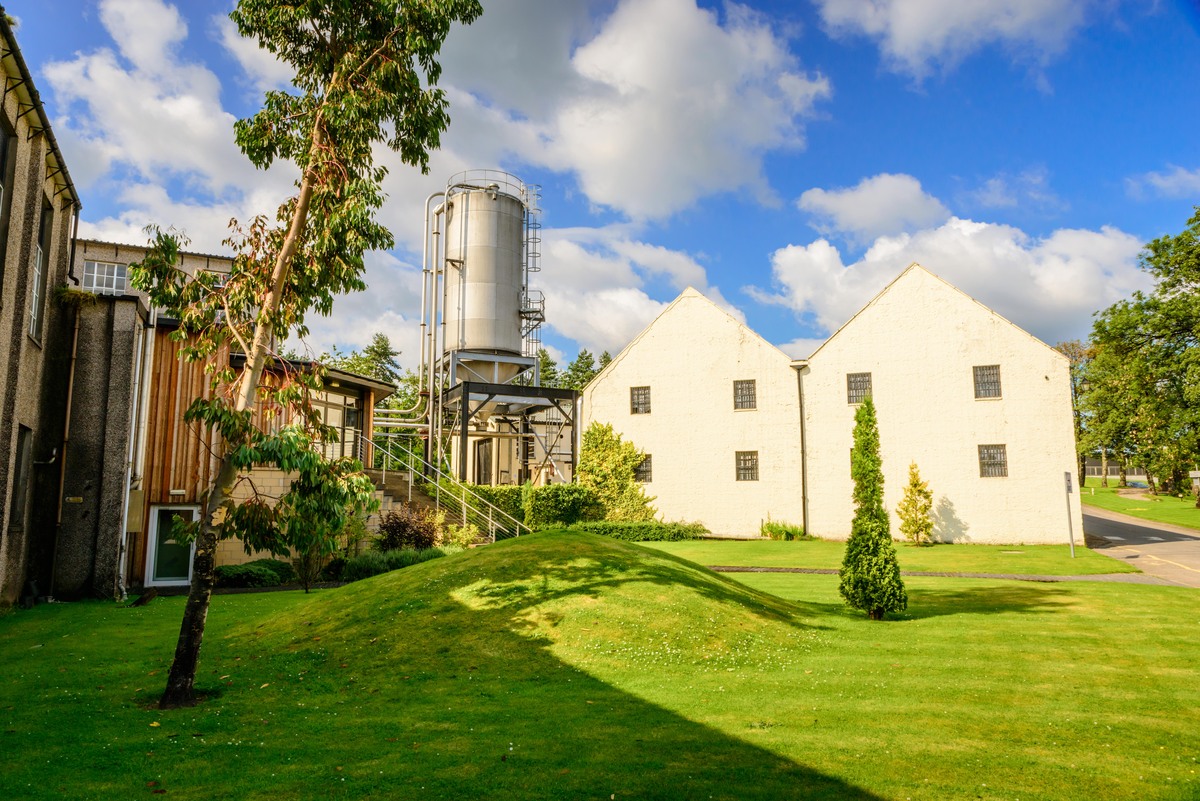
Highland Distilleries - Whisky Tours, Tasting & Information | VisitScotland

The Geography of Distillation

Distillation style, while often dictated by law or tradition, is also shaped by geography. Scottish pot stills are designed to produce a heavier, more oily spirit in some regions, while lighter, fruitier expressions dominate others. In Ireland, triple distillation produces a smoother, almost ethereal character, partially because of the interaction between still shape, local water, and climate. American column stills, with their continuous distillation, favor efficiency and volume, but even then, regional water chemistry and warehouse conditions leave subtle imprints on the flavor.

Airflow and warehouse location play roles too. Highland distilleries often benefit from dry, breezy conditions that mellow whiskey slowly. Lowland distilleries might see quicker maturation, while coastal distilleries capture briny hints. In the U.S., barrel storage on the ground in humid climates accelerates extraction of oak compounds, whereas rickhouses in cooler regions produce a gentler maturation curve. Even orientation of the warehouse relative to sunlight and wind affects evaporation rates, commonly referred to as the “angel’s share,” and thus the final alcohol concentration and flavor profile.


Flavor as Geography

Can you taste the difference? Experienced tasters argue that you can. A peaty Islay malt evokes the windswept shores of western Scotland. A smooth Speyside dram reflects the gentle hills and river valleys of its region. Kentucky bourbon often carries notes of caramel, vanilla, and toasted corn, reflecting both grain choice and climate-driven barrel aging. These are not illusions; chemical analysis confirms measurable differences in congeners and flavor compounds between regions, even when production methods are standardized.

But whiskey is not a literal map. Two distilleries in the same region can taste markedly different due to microclimate, barrel variation, yeast selection, and subtle differences in still operation. Terroir in whiskey is more like a theme with variations rather than a rigid signature. It is a dialogue between place, craft, and chance, rather than a strict formula.


The Role of Tradition and Human Influence

Bourbon Distilleries and Tours: Lexington, Kentucky

Unlike wine, whiskey is distilled, meaning human intervention shapes flavor more profoundly than soil or climate alone. Master distillers make countless decisions: how to mill the grain, how long to ferment, when to cut the heart from heads and tails, and when to bottle. Even the choice of barrel type or warehouse location reflects intentional design. Some argue this dilutes the “sense of place,” but it can also amplify it: skilled distillers interpret the potential of their environment, coaxing terroir from barley, water, and wood.

Cultural practices reinforce sense of place. In Japan, whiskey makers often emulate Scottish techniques but blend them with local ingredients and precise climate control. The result is a spirit that is both global and rooted in Japanese sensibilities, reflecting mountains, humidity, and meticulous craftsmanship. Similarly, American craft distillers experiment with local grains, urban fermentation, and hybrid barrel types, turning whiskey into a canvas of local identity.


Marketing, Myth, and Perception

Part of the sense of place is storytelling. Whiskey brands often emphasize origin stories, local landscapes, and heritage. Is this merely marketing, or is it real? In truth, it is both. Human perception is shaped by narrative. Knowing a whiskey hails from a rugged Scottish island or a sun-drenched Kentucky valley primes tasters to detect salt, smoke, or sweetness. But science shows these flavors can correspond to real differences in environment, technique, and maturation. Storytelling and terroir work together to enhance the drinking experience.


Challenges in Defining Place

While compelling, the notion of whiskey terroir is complex. Globalized production, imported barrels, and shared yeast strains blur regional distinctions. Some distilleries even source water or grain from multiple regions, creating hybrid expressions. Climate change adds another layer: warmer winters, shifting rainfall, and changing humidity levels alter maturation patterns, potentially reshaping flavor profiles that were previously considered signature to a region. Still, even under these challenges, the interplay of natural environment and human craft remains central to whiskey’s identity.


Experimental Approaches to Place

Modern distillers experiment to highlight place. Single-cask expressions, unblended whiskeys, and local grain sourcing are designed to let terroir shine. Some use micro-terroir approaches, planting barley in controlled plots and tracking subtle chemical differences. Others explore barrel-aging in unusual climates, from desert heat to coastal fog, to see how environmental factors interact with oak. These experiments confirm that place matters—but always in conversation with the choices of the distiller.


The Global Palette

The conversation around place extends beyond Scotland, Ireland, and the U.S. Canada, Japan, Taiwan, and India all offer unique interpretations of whiskey, blending local climate, water, and production traditions. Japanese whiskeys often emphasize precision and subtlety, Taiwanese whiskeys explore high-humidity barrel maturation, and Indian whiskeys harness tropical heat to accelerate aging. Each reflects its environment, proving that sense of place is not limited to traditional whiskey heartlands.


Conclusion: A Liquid Sense of Place

Does whiskey truly have a sense of place? The answer is nuanced. It is not as literal or deterministic as wine terroir, yet it is real in measurable, perceptible ways. Barley, water, yeast, climate, barrel, and distiller choices all contribute to a spirit that speaks of its origin. Storytelling amplifies this sense, helping drinkers connect taste to geography and culture. Ultimately, whiskey is a liquid embodiment of environment and craftsmanship—a dialogue between earth, water, wood, and human skill. When we sip a well-made whiskey, we are tasting not just a drink, but a story of place.
Tags: whiskeywhiskey productionwhiskey tasting
ShareTweetShare

Related Posts

Can Beer Be an Effective Ingredient in Culinary Cooking?
ALL

Can Beer Be an Effective Ingredient in Culinary Cooking?

January 22, 2026
Second Fermentation in Champagne: Is It Really That Crucial?
ALL

Second Fermentation in Champagne: Is It Really That Crucial?

January 22, 2026
How Do Different Grains Impact the Flavor Profile of Distilled Spirits?
ALL

How Do Different Grains Impact the Flavor Profile of Distilled Spirits?

January 22, 2026
How Do Whiskey Master Blenders Create Perfection?
ALL

How Do Whiskey Master Blenders Create Perfection?

January 22, 2026
Wine Pairings: Can They Change the Flavor Profile of a Dish?
ALL

Wine Pairings: Can They Change the Flavor Profile of a Dish?

January 22, 2026
Beer the Ultimate Beverage for Pairing with Spicy Food?
ALL

Beer the Ultimate Beverage for Pairing with Spicy Food?

January 21, 2026
Leave Comment
  • Trending
  • Comments
  • Latest
What Hidden Craftsmanship Lies Behind a Bottle of Quality Grain Spirits?

What Hidden Craftsmanship Lies Behind a Bottle of Quality Grain Spirits?

July 3, 2025
How Is Champagne Made? The Secrets Behind the Sparkle

How Is Champagne Made? The Secrets Behind the Sparkle

April 15, 2025
Grain Spirits vs. Traditional Distilled Spirits: Which One Suits Your Taste?

Grain Spirits vs. Traditional Distilled Spirits: Which One Suits Your Taste?

July 3, 2025
Champagne Bubbles: How Do They Perfectly Convey Celebration, Joy, and Luxury?

Champagne Bubbles: How Do They Perfectly Convey Celebration, Joy, and Luxury?

July 2, 2025
The Timeless Elegance of Wine: A Journey Through History and Culture

The Timeless Elegance of Wine: A Journey Through History and Culture

Why Is Château Lafite Rothschild the Pinnacle of Fine Wine?

Why Is Château Lafite Rothschild the Pinnacle of Fine Wine?

How Did Château Lafite Rothschild Become a Global Icon of Luxury?

How Did Château Lafite Rothschild Become a Global Icon of Luxury?

What Makes Chateau Lafite Rothschild the Pinnacle of Bordeaux Wines?

What Makes Chateau Lafite Rothschild the Pinnacle of Bordeaux Wines?

Can Beer Be an Effective Ingredient in Culinary Cooking?

Can Beer Be an Effective Ingredient in Culinary Cooking?

January 22, 2026
Second Fermentation in Champagne: Is It Really That Crucial?

Second Fermentation in Champagne: Is It Really That Crucial?

January 22, 2026
How Do Different Grains Impact the Flavor Profile of Distilled Spirits?

How Do Different Grains Impact the Flavor Profile of Distilled Spirits?

January 22, 2026
How Do Whiskey Master Blenders Create Perfection?

How Do Whiskey Master Blenders Create Perfection?

January 22, 2026
SipsavorLife

Welcome to our comprehensive beverage guide, where you can explore the fascinating world of alcoholic drinks. From exquisite wines and rich whiskeys to refreshing beers and sparkling champagnes, we provide insights, tips, and recommendations for enthusiasts and casual drinkers alike. Discover your next favorite libation with us!

© 2025 sipsavorlife.com. contacts:sipsavorlife-35376@gmail.com

No Result
View All Result
  • Home
  • Wine
  • Whiskey
  • Beer
  • Grain Spirits
  • Champagne
  • ALL

© 2025 sipsavorlife.com. contacts:sipsavorlife-35376@gmail.com

Welcome Back!

Login to your account below

Forgotten Password?

Retrieve your password

Please enter your username or email address to reset your password.

Log In