








SipsavorLife
  • Home
  • Wine
    The History, Culture, and Global Influence of Humanity’s Most Celebrated Beverage

    The Wine Revolution: How Modern Winemaking Transformed a Global Industry

    The History, Culture, and Global Influence of Humanity’s Most Celebrated Beverage

    Wine Styles of the World: A Complete Guide to Red, White, Rosé, Sparkling, and Fortified Wines

    The History, Culture, and Global Influence of Humanity’s Most Celebrated Beverage

    The Global Wine Industry: Markets, Trade, Tourism, and Economic Impact

    The History, Culture, and Global Influence of Humanity’s Most Celebrated Beverage

    The Science of Wine: Grapes, Fermentation, and Flavor Development

    The History, Culture, and Global Influence of Humanity’s Most Celebrated Beverage

    The History, Culture, and Global Influence of Humanity’s Most Celebrated Beverage

    The Cultural History of Wine: From Ancient Rituals to Modern Luxury

    The Psychology of Wine: Why Humans Associate Wine with Emotion, Memory, and Identity

  • Whiskey
    Can Beer Be an Effective Ingredient in Culinary Cooking?

    Can Beer Be an Effective Ingredient in Culinary Cooking?

    Second Fermentation in Champagne: Is It Really That Crucial?

    Second Fermentation in Champagne: Is It Really That Crucial?

    How Do Different Grains Impact the Flavor Profile of Distilled Spirits?

    How Do Different Grains Impact the Flavor Profile of Distilled Spirits?

    How Do Whiskey Master Blenders Create Perfection?

    How Do Whiskey Master Blenders Create Perfection?

    Wine Pairings: Can They Change the Flavor Profile of a Dish?

    Wine Pairings: Can They Change the Flavor Profile of a Dish?

    Beer the Ultimate Beverage for Pairing with Spicy Food?

    Beer the Ultimate Beverage for Pairing with Spicy Food?

  • Beer
    Malt Beer: Why Does Its Sweet Malty Aroma Always Bring Endless Satisfaction?

    The Craft Beer Revolution: How Independent Breweries Changed the World of Beer

    Beer: The World’s Oldest and Most Influential Beverage

    Beer Styles of the World: A Complete Guide to Lager, Ale, Stout, IPA, and Beyond

    Beer: The World’s Oldest and Most Influential Beverage

    The Global Beer Industry: Markets, Brands, and Economic Impact

    Beer: The World’s Oldest and Most Influential Beverage

    The Science of Beer: Ingredients, Fermentation, and Flavor

    Beer: The World’s Oldest and Most Influential Beverage

    Beer: The World’s Oldest and Most Influential Beverage

    Beer as a Cultural and Social Force: From Ancient Brew to Modern Identity

    Women in Brewing: The Untold History and Modern Transformation of Beer Culture

  • Grain Spirits
    Grain Spirits: The Origins, Science, and Global Evolution of Distilled Grain Alcohol

    Bourbon: America’s Native Grain Spirit and the Global Story of Corn, Oak, Fire, and Time

    Grain Spirits: The Origins, Science, and Global Evolution of Distilled Grain Alcohol

    Gin: Botanicals, History, Cocktail Culture, and the Artistic Evolution of the World’s Most Aromatic Grain Spirit

    Grain Spirits: The Origins, Science, and Global Evolution of Distilled Grain Alcohol

    Vodka: The Global Rise of the World’s Most Versatile Grain Spirit

    Grain Spirits: The Origins, Science, and Global Evolution of Distilled Grain Alcohol

    Whiskey and the Soul of Grain Spirits: History, Craftsmanship, Culture, and the Global Rise of the World’s Most Iconic Distilled Grain Beverage

    Grain Spirits: The Origins, Science, and Global Evolution of Distilled Grain Alcohol

    Grain Spirits: The Origins, Science, and Global Evolution of Distilled Grain Alcohol

    Grain Spirits Explained — The Foundation of Global Distillation

    The Future of Grain Spirits — Technology, Sustainability, and the Next Era of Distillation

  • Champagne
    Champagne: The Sparkling Wine That Changed Global Celebration Culture

    Dom Pérignon, Cristal, Krug, and Beyond: The World’s Most Famous Champagne Houses and Their Legacy

    Champagne Beyond Celebration: The History, Craftsmanship, and Global Influence of the World’s Most Iconic Sparkling Wine

    The Future of Champagne: Climate Change, Innovation, Sustainability, and the Next Era of Sparkling Wine

    Champagne Beyond Celebration: The History, Craftsmanship, and Global Influence of the World’s Most Iconic Sparkling Wine

    Champagne and Luxury Culture: How Sparkling Wine Became a Global Symbol of Wealth, Celebration, and Prestige

    Champagne Beyond Celebration: The History, Craftsmanship, and Global Influence of the World’s Most Iconic Sparkling Wine

    The Art of Champagne Production: Inside the Science, Skill, and Tradition Behind Every Bottle

    Champagne Beyond Celebration: The History, Craftsmanship, and Global Influence of the World’s Most Iconic Sparkling Wine

    Champagne Beyond Celebration: The History, Craftsmanship, and Global Influence of the World’s Most Iconic Sparkling Wine

    Champagne: The Sparkling Wine That Changed Global Celebration Culture

    Champagne vs Prosecco vs Cava: How the World’s Sparkling Wines Reflect Culture, Geography, and Taste

  • ALL
    Can Beer Be an Effective Ingredient in Culinary Cooking?

    Can Beer Be an Effective Ingredient in Culinary Cooking?

    Second Fermentation in Champagne: Is It Really That Crucial?

    Second Fermentation in Champagne: Is It Really That Crucial?

    How Do Different Grains Impact the Flavor Profile of Distilled Spirits?

    How Do Different Grains Impact the Flavor Profile of Distilled Spirits?

    How Do Whiskey Master Blenders Create Perfection?

    How Do Whiskey Master Blenders Create Perfection?

    Wine Pairings: Can They Change the Flavor Profile of a Dish?

    Wine Pairings: Can They Change the Flavor Profile of a Dish?

    Beer the Ultimate Beverage for Pairing with Spicy Food?

    Beer the Ultimate Beverage for Pairing with Spicy Food?

SipsavorLife
  • Home
  • Wine
    The History, Culture, and Global Influence of Humanity’s Most Celebrated Beverage

    The Wine Revolution: How Modern Winemaking Transformed a Global Industry

    The History, Culture, and Global Influence of Humanity’s Most Celebrated Beverage

    Wine Styles of the World: A Complete Guide to Red, White, Rosé, Sparkling, and Fortified Wines

    The History, Culture, and Global Influence of Humanity’s Most Celebrated Beverage

    The Global Wine Industry: Markets, Trade, Tourism, and Economic Impact

    The History, Culture, and Global Influence of Humanity’s Most Celebrated Beverage

    The Science of Wine: Grapes, Fermentation, and Flavor Development

    The History, Culture, and Global Influence of Humanity’s Most Celebrated Beverage

    The History, Culture, and Global Influence of Humanity’s Most Celebrated Beverage

    The Cultural History of Wine: From Ancient Rituals to Modern Luxury

    The Psychology of Wine: Why Humans Associate Wine with Emotion, Memory, and Identity

  • Whiskey
    Can Beer Be an Effective Ingredient in Culinary Cooking?

    Can Beer Be an Effective Ingredient in Culinary Cooking?

    Second Fermentation in Champagne: Is It Really That Crucial?

    Second Fermentation in Champagne: Is It Really That Crucial?

    How Do Different Grains Impact the Flavor Profile of Distilled Spirits?

    How Do Different Grains Impact the Flavor Profile of Distilled Spirits?

    How Do Whiskey Master Blenders Create Perfection?

    How Do Whiskey Master Blenders Create Perfection?

    Wine Pairings: Can They Change the Flavor Profile of a Dish?

    Wine Pairings: Can They Change the Flavor Profile of a Dish?

    Beer the Ultimate Beverage for Pairing with Spicy Food?

    Beer the Ultimate Beverage for Pairing with Spicy Food?

  • Beer
    Malt Beer: Why Does Its Sweet Malty Aroma Always Bring Endless Satisfaction?

    The Craft Beer Revolution: How Independent Breweries Changed the World of Beer

    Beer: The World’s Oldest and Most Influential Beverage

    Beer Styles of the World: A Complete Guide to Lager, Ale, Stout, IPA, and Beyond

    Beer: The World’s Oldest and Most Influential Beverage

    The Global Beer Industry: Markets, Brands, and Economic Impact

    Beer: The World’s Oldest and Most Influential Beverage

    The Science of Beer: Ingredients, Fermentation, and Flavor

    Beer: The World’s Oldest and Most Influential Beverage

    Beer: The World’s Oldest and Most Influential Beverage

    Beer as a Cultural and Social Force: From Ancient Brew to Modern Identity

    Women in Brewing: The Untold History and Modern Transformation of Beer Culture

  • Grain Spirits
    Grain Spirits: The Origins, Science, and Global Evolution of Distilled Grain Alcohol

    Bourbon: America’s Native Grain Spirit and the Global Story of Corn, Oak, Fire, and Time

    Grain Spirits: The Origins, Science, and Global Evolution of Distilled Grain Alcohol

    Gin: Botanicals, History, Cocktail Culture, and the Artistic Evolution of the World’s Most Aromatic Grain Spirit

    Grain Spirits: The Origins, Science, and Global Evolution of Distilled Grain Alcohol

    Vodka: The Global Rise of the World’s Most Versatile Grain Spirit

    Grain Spirits: The Origins, Science, and Global Evolution of Distilled Grain Alcohol

    Whiskey and the Soul of Grain Spirits: History, Craftsmanship, Culture, and the Global Rise of the World’s Most Iconic Distilled Grain Beverage

    Grain Spirits: The Origins, Science, and Global Evolution of Distilled Grain Alcohol

    Grain Spirits: The Origins, Science, and Global Evolution of Distilled Grain Alcohol

    Grain Spirits Explained — The Foundation of Global Distillation

    The Future of Grain Spirits — Technology, Sustainability, and the Next Era of Distillation

  • Champagne
    Champagne: The Sparkling Wine That Changed Global Celebration Culture

    Dom Pérignon, Cristal, Krug, and Beyond: The World’s Most Famous Champagne Houses and Their Legacy

    Champagne Beyond Celebration: The History, Craftsmanship, and Global Influence of the World’s Most Iconic Sparkling Wine

    The Future of Champagne: Climate Change, Innovation, Sustainability, and the Next Era of Sparkling Wine

    Champagne Beyond Celebration: The History, Craftsmanship, and Global Influence of the World’s Most Iconic Sparkling Wine

    Champagne and Luxury Culture: How Sparkling Wine Became a Global Symbol of Wealth, Celebration, and Prestige

    Champagne Beyond Celebration: The History, Craftsmanship, and Global Influence of the World’s Most Iconic Sparkling Wine

    The Art of Champagne Production: Inside the Science, Skill, and Tradition Behind Every Bottle

    Champagne Beyond Celebration: The History, Craftsmanship, and Global Influence of the World’s Most Iconic Sparkling Wine

    Champagne Beyond Celebration: The History, Craftsmanship, and Global Influence of the World’s Most Iconic Sparkling Wine

    Champagne: The Sparkling Wine That Changed Global Celebration Culture

    Champagne vs Prosecco vs Cava: How the World’s Sparkling Wines Reflect Culture, Geography, and Taste

  • ALL
    Can Beer Be an Effective Ingredient in Culinary Cooking?

    Can Beer Be an Effective Ingredient in Culinary Cooking?

    Second Fermentation in Champagne: Is It Really That Crucial?

    Second Fermentation in Champagne: Is It Really That Crucial?

    How Do Different Grains Impact the Flavor Profile of Distilled Spirits?

    How Do Different Grains Impact the Flavor Profile of Distilled Spirits?

    How Do Whiskey Master Blenders Create Perfection?

    How Do Whiskey Master Blenders Create Perfection?

    Wine Pairings: Can They Change the Flavor Profile of a Dish?

    Wine Pairings: Can They Change the Flavor Profile of a Dish?

    Beer the Ultimate Beverage for Pairing with Spicy Food?

    Beer the Ultimate Beverage for Pairing with Spicy Food?

SipsavorLife
No Result
View All Result
Home ALL

How Does Whiskey Aging Affect Its Flavor Profile?

March 27, 2025
in ALL, Whiskey
How Does Whiskey Aging Affect Its Flavor Profile?

Whiskey aging is a complex process that significantly impacts the final flavor profile of the spirit. The interaction between the whiskey and the barrel, combined with the time the whiskey spends aging, contributes to the development of rich and varied flavors. These changes occur through a variety of chemical processes, environmental influences, and wood characteristics that collectively shape the whiskey’s taste, aroma, texture, and color.

The Role of Barrels in Whiskey Aging

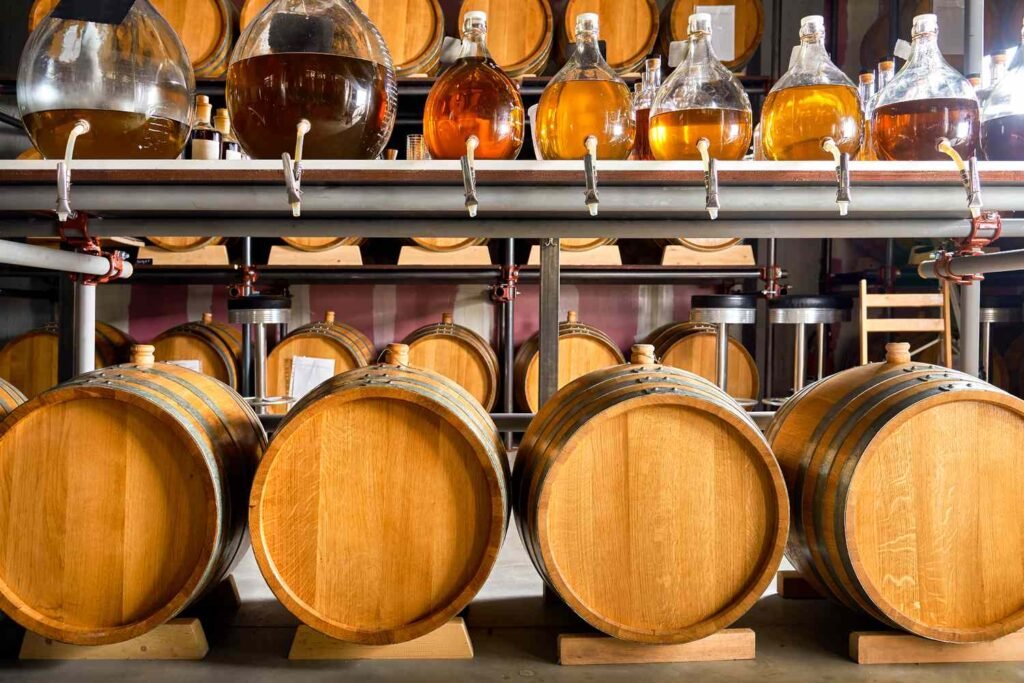
The barrel is a crucial element in the aging process, as whiskey interacts with the wood over time, extracting compounds that influence the flavor profile. Whiskey is typically aged in oak barrels, which are porous and allow for slow, gradual interaction between the liquid and the air inside the barrel. As whiskey ages, it moves in and out of the wood pores due to temperature fluctuations, further enhancing the extraction of flavors from the wood. There are several factors involved in how the barrel itself affects the whiskey’s flavor:

  • Wood Type: The type of oak used—typically American oak, European oak, or Japanese oak—affects the flavor. American oak is known for imparting sweeter, vanilla-like flavors, while European oak can contribute more spiced, fruity, and tannic characteristics.
  • Charring/Toasting: Barrels are often charred or toasted before whiskey is aged in them. Charring caramelizes the sugars in the wood, imparting rich flavors such as caramel, vanilla, and smokiness. Toasting, on the other hand, may bring out softer, woodier flavors with notes of spice and nuttiness.
  • Barrel Size: The size of the barrel affects the aging process. Smaller barrels have a larger surface area relative to their volume, allowing for more contact between the whiskey and the wood, which accelerates aging and results in more intense flavors. Larger barrels, however, result in a slower aging process, often producing subtler and more refined flavors.

Chemical Interactions During Aging

The aging process is not simply a matter of time; it involves complex chemical reactions that transform the whiskey’s composition. Some of the most important interactions occur between the whiskey and the compounds found in the oak, as well as between the whiskey and the air inside the barrel.

  • Lignins and Vanillin: Oak contains lignins, which break down over time, releasing compounds like vanillin—responsible for the sweet, vanilla-like flavor in whiskey.
  • Tannins: These astringent compounds contribute to the mouthfeel of whiskey, adding dryness and structure. Tannins help balance out the sweetness of the whiskey and can provide a touch of bitterness when over-extracted.
  • Hemicelluloses and Caramelization: Hemicelluloses in the oak break down into sugars, which contribute to caramel-like sweetness, adding complexity to the flavor profile. Additionally, the charring process creates caramelized sugars, adding rich toffee and nutty flavors.
  • Oxidation: Exposure to air causes oxidation, which helps mellow harsh flavors and allows more complex aromas to develop. The whiskey’s color deepens as it oxidizes, and over time, this interaction softens the intense notes of alcohol, rounding the whiskey’s flavor.

How Time Affects Whiskey Flavors

Aging time is one of the most important factors influencing the flavor profile of whiskey. As whiskey ages, it undergoes gradual changes. Initially, whiskey has a harsh, alcohol-heavy taste that becomes more refined and mellow with time. Over the course of aging, the whiskey extracts more flavor from the wood, and the balance between the spirit and its barrel becomes more pronounced.

  • Young Whiskey: In its early stages, whiskey tends to have more prominent alcoholic and sharp notes. It may also have a more pronounced grain flavor, especially if it has not been aged for long. These early-stage flavors are often described as raw or fiery.
  • Mid-Aged Whiskey: As whiskey spends more time in the barrel, it begins to smooth out. The harsh alcohol flavors soften, and more complex flavors begin to emerge, such as vanilla, caramel, and toasted wood. This is often the sweet spot for many whiskeys, where the flavors balance well between the influence of the oak and the character of the distillate.
  • Aged Whiskey: With extended aging, whiskey develops deeper flavors. Oak-derived notes like dried fruit, dark chocolate, spices, and tobacco become more pronounced. However, over-aging can lead to the whiskey becoming overly woody or tannic, which may make the spirit less enjoyable if it is left in the barrel too long.
Climate and Location: How the Environment Influences Aging

The location in which whiskey is aged plays a significant role in the aging process. Environmental factors such as temperature and humidity affect how the whiskey interacts with the barrel and its contents. These factors differ widely depending on the geographic region and climate, and they are one of the reasons why whiskeys from different countries or regions can have distinct flavor profiles.

  • Warm Climates: In warmer regions, like Kentucky or Tennessee in the United States, or parts of Japan, whiskey matures more quickly due to higher temperatures and greater humidity fluctuations. These conditions cause the whiskey to expand and contract within the barrel more rapidly, increasing the interaction with the wood. As a result, whiskeys from warmer climates tend to have bolder, more intense flavors, with stronger notes of oak and caramel.
  • Cooler Climates: In cooler climates, such as Scotland or Ireland, whiskey matures more slowly. The lower temperatures and more stable humidity levels slow down the aging process, resulting in whiskeys with more subtle, nuanced flavors. The slower maturation allows for a greater focus on the balance between the spirit’s natural characteristics and the influence of the wood.
  • Altitude: The altitude of the aging location can also impact maturation. Whiskey aged at higher altitudes experiences more significant temperature swings between day and night, which can accelerate the aging process. This often results in whiskeys with richer, more concentrated flavors.

The Impact of Aging on Whiskey’s Flavor Profile

As whiskey matures, its flavor profile evolves significantly. The interaction with the barrel, oxidation, and environmental factors all contribute to the changes in taste. Aging typically results in a smoother, more balanced whiskey, with a complexity that is difficult to achieve in younger spirits. Whiskey that has been aged for many years often develops a deeper, more sophisticated profile with rich flavors and aromas. However, the key to aging whiskey lies in balance—too much aging can cause the whiskey to become overly woody, tannic, or bitter.

In conclusion, whiskey aging is an intricate process that requires careful attention to time, wood, and environmental factors. The combination of these elements creates a spirit that is far more than just a product of its ingredients. Whiskey aging is an art form, and the final product reflects the unique conditions in which it was aged. Whether in a warm climate or a cool one, whether in a small or large barrel, the effects of aging create the diverse and complex flavor profiles that whiskey enthusiasts enjoy worldwide.
Tags: barrel agingoak influencewhiskey agingwhiskey flavor profile
ShareTweetShare

Related Posts

Why Is Bourbon Only Made in the U.S.?
Whiskey

Luxury Whiskey and the Collector Market: Rarity, Investment, and the Global Obsession

May 24, 2026
The Art of Whiskey: Tradition, Craft, and the Global Renaissance
Whiskey

The Science Behind Aging Whiskey: Time, Wood, Chemistry, and Transformation

May 24, 2026
The Art of Whiskey: Tradition, Craft, and the Global Renaissance
Whiskey

Bourbon Culture in America: History, Identity, and the Spirit of the South

May 24, 2026
The Art of Whiskey: Tradition, Craft, and the Global Renaissance
Whiskey

The Rise of Japanese Whisky: Tradition, Precision, and Global Influence

May 24, 2026
The Art of Whiskey: Tradition, Craft, and the Global Renaissance
Whiskey

The Art of Whiskey: Tradition, Craft, and the Global Renaissance

May 24, 2026
The History of Whisky — From Monastic Origins to Global Industry
Whiskey

The Future of Whisky — Innovation, Sustainability, and Global Trends

April 25, 2026
Leave Comment
  • Trending
  • Comments
  • Latest
Role of Terroir in Champagne Production

Role of Terroir in Champagne Production

January 19, 2026
Champagne Can Be Aged in Wood?

Champagne Can Be Aged in Wood?

January 18, 2026
Is Organic Wine Healthier Than Conventional Wine?

Is Organic Wine Healthier Than Conventional Wine?

January 20, 2026
Why Do Some Champagnes Use a High Proportion of Pinot Meunier?

Why Do Some Champagnes Use a High Proportion of Pinot Meunier?

January 20, 2026
The Timeless Elegance of Wine: A Journey Through History and Culture

The Timeless Elegance of Wine: A Journey Through History and Culture

Why Is Château Lafite Rothschild the Pinnacle of Fine Wine?

Why Is Château Lafite Rothschild the Pinnacle of Fine Wine?

How Did Château Lafite Rothschild Become a Global Icon of Luxury?

How Did Château Lafite Rothschild Become a Global Icon of Luxury?

What Makes Chateau Lafite Rothschild the Pinnacle of Bordeaux Wines?

What Makes Chateau Lafite Rothschild the Pinnacle of Bordeaux Wines?

The History, Culture, and Global Influence of Humanity’s Most Celebrated Beverage

The Wine Revolution: How Modern Winemaking Transformed a Global Industry

June 3, 2026
The History, Culture, and Global Influence of Humanity’s Most Celebrated Beverage

Wine Styles of the World: A Complete Guide to Red, White, Rosé, Sparkling, and Fortified Wines

June 3, 2026
The History, Culture, and Global Influence of Humanity’s Most Celebrated Beverage

The Global Wine Industry: Markets, Trade, Tourism, and Economic Impact

June 3, 2026
The History, Culture, and Global Influence of Humanity’s Most Celebrated Beverage

The Science of Wine: Grapes, Fermentation, and Flavor Development

June 3, 2026
SipsavorLife

Welcome to our comprehensive beverage guide, where you can explore the fascinating world of alcoholic drinks. From exquisite wines and rich whiskeys to refreshing beers and sparkling champagnes, we provide insights, tips, and recommendations for enthusiasts and casual drinkers alike. Discover your next favorite libation with us!

© 2025 sipsavorlife.com. contacts:sipsavorlife-35376@gmail.com

No Result
View All Result
  • Home
  • Wine
  • Whiskey
  • Beer
  • Grain Spirits
  • Champagne
  • ALL

© 2025 sipsavorlife.com. contacts:sipsavorlife-35376@gmail.com

Welcome Back!

Login to your account below

Forgotten Password?

Retrieve your password

Please enter your username or email address to reset your password.

Log In