

























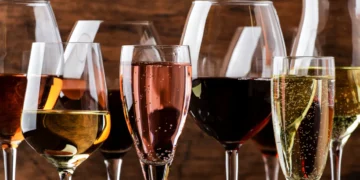


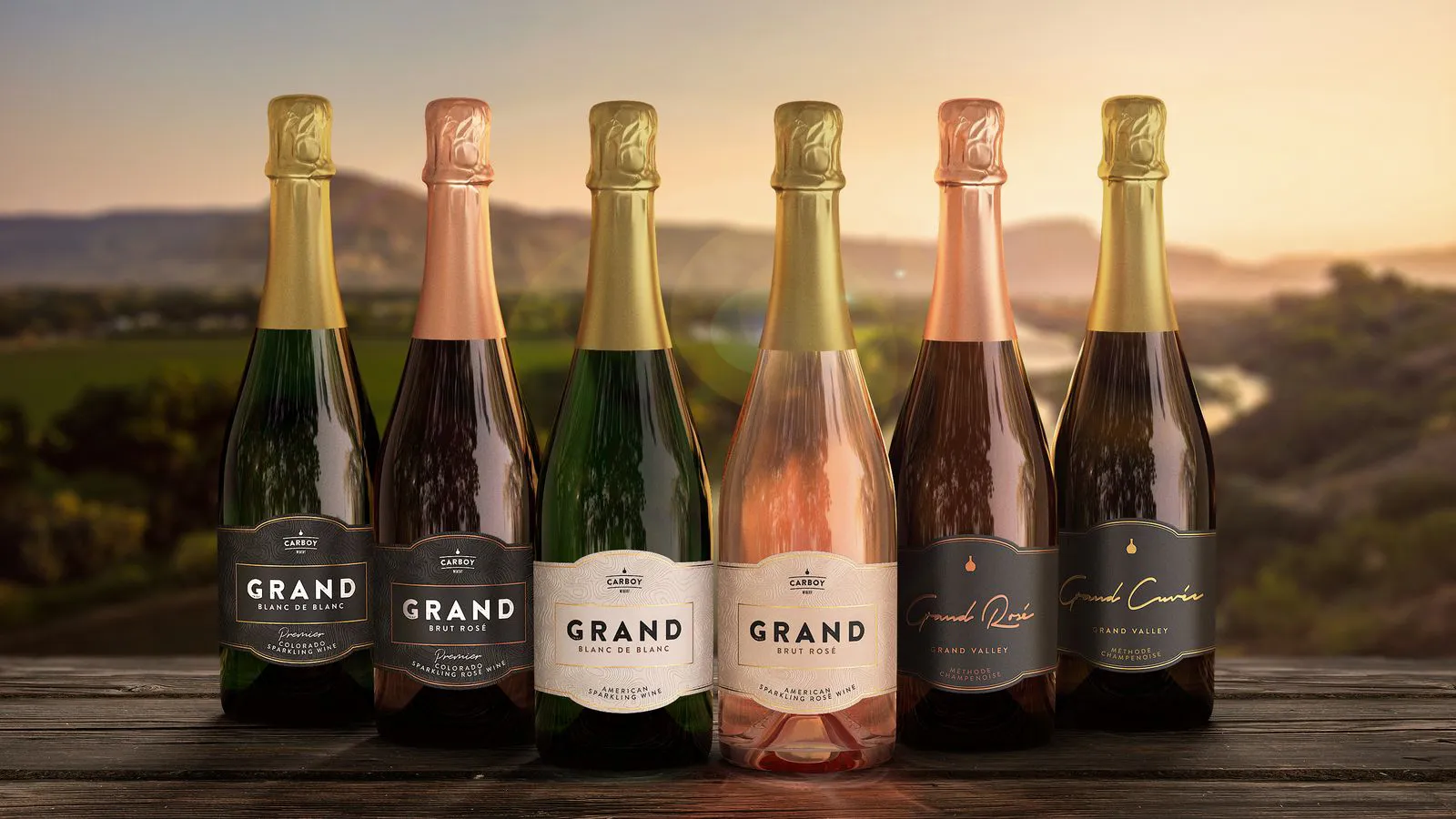
Introduction
Wine is one of the oldest and most culturally significant beverages in human history. For thousands of years, civilizations have cultivated grapes, developed fermentation techniques, and integrated wine into religion, politics, trade, art, and daily life. Unlike many beverages consumed simply for refreshment, wine has consistently carried symbolic meaning. It has represented celebration, spirituality, status, sophistication, and regional identity across numerous societies.
The history of wine is deeply connected to the development of agriculture and civilization itself. Archaeologists have discovered evidence of early winemaking dating back more than 8,000 years in regions surrounding the Caucasus Mountains. From there, viticulture spread throughout the Mediterranean, Europe, Asia, and eventually the entire world.
Today, wine remains both a global industry and a cultural experience. Millions of people study wine with extraordinary seriousness, while wineries attract tourists from every continent. Fine wine auctions sell bottles for astonishing prices, and sommeliers dedicate years to mastering wine knowledge.
Yet despite its luxury reputation, wine’s enduring influence comes from its remarkable ability to connect people through food, storytelling, tradition, and sensory experience.
The Origins of Winemaking
The origins of wine are closely tied to the rise of agriculture. Early human societies discovered that grapes naturally ferment when exposed to wild yeast. Over time, people learned to control fermentation intentionally, creating one of the world’s first alcoholic beverages.
Ancient Georgia, Armenia, and parts of modern Iran are often considered among the earliest winemaking regions. Clay vessels buried underground were used to ferment and store wine.
Wine quickly became associated with religion and ritual. In ancient cultures, fermented beverages were often viewed as gifts from divine powers. Wine symbolized fertility, prosperity, and transformation.
As trade routes expanded, wine production techniques spread throughout neighboring civilizations.
Wine in Ancient Egypt
The Egyptians integrated wine deeply into royal and religious culture.
Wine was consumed primarily by elites because beer remained more accessible to ordinary workers. Pharaohs and nobles frequently included wine in burial rituals, believing it would accompany them into the afterlife.
Ancient Egyptian tomb paintings depict grape harvesting, fermentation, and storage processes. These artworks demonstrate surprisingly advanced winemaking practices.
Wine also became associated with ceremony and political power. Ownership of vineyards represented wealth and influence.
Greek Wine Culture
Ancient Greece transformed wine into a philosophical and social symbol.
Greek symposiums were intellectual gatherings where participants discussed politics, poetry, philosophy, and art while drinking wine.
The Greeks emphasized moderation and civilized behavior in wine consumption. Drinking wine was considered part of educated social life.
Greek mythology reinforced wine’s cultural importance through Dionysus, the god of wine and celebration.
Viticulture expanded dramatically under Greek influence, and wine became a major trade product throughout the Mediterranean.
The Roman Wine Empire
The Romans revolutionized wine production and distribution.
As the Roman Empire expanded, vineyards spread across France, Spain, Germany, and other European regions that remain famous for wine today.
Romans improved vineyard management, storage systems, and transportation infrastructure. Wine became accessible to broader social classes, not only aristocrats.
Roman soldiers often carried wine as part of daily rations, reinforcing its importance within military and civilian life.
The empire’s influence permanently shaped European wine culture.
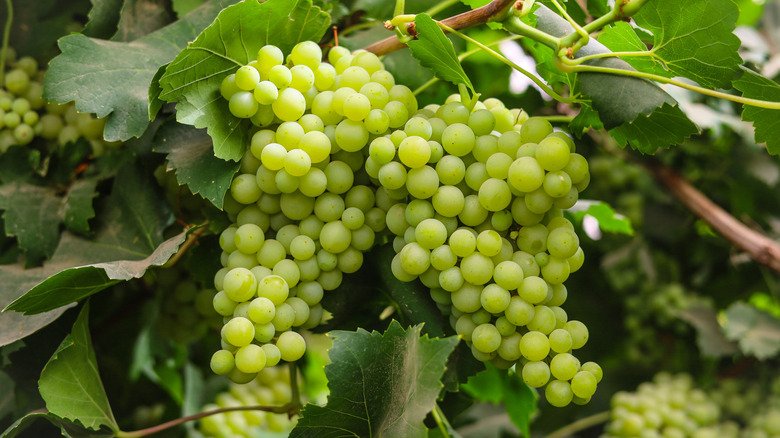
Wine and Religion
Religion played a major role in preserving wine traditions.
Christianity incorporated wine into sacred rituals through the Eucharist. Monasteries across medieval Europe became centers of viticulture and winemaking knowledge.
Monks carefully documented vineyard practices and improved agricultural techniques.
Many famous wine regions, particularly in France, benefited from centuries of monastic cultivation.
Wine therefore became both an agricultural product and a spiritual symbol.
The Rise of French Wine Prestige
France eventually emerged as the world’s most influential wine-producing nation.
Regions such as Bordeaux, Burgundy, Champagne, and the Rhône Valley developed highly respected reputations.
French winemaking emphasized terroir, the concept that geography, soil, climate, and local tradition influence wine character.
This philosophy profoundly shaped global wine culture.
French classification systems and tasting standards later became international benchmarks for quality.
Wine in the Modern Era
Industrialization transformed wine production during the nineteenth and twentieth centuries.
Glass bottles, cork technology, rail transportation, and scientific understanding improved consistency and global distribution.
However, the industry also faced major crises.
The phylloxera epidemic devastated European vineyards in the nineteenth century by destroying grapevine roots. Winemakers responded by grafting European vines onto resistant American rootstocks.
This solution saved much of the global wine industry.
Globalization of Wine
Today, wine production exists on nearly every continent.
Countries such as the United States, Australia, Chile, Argentina, South Africa, and New Zealand became major wine exporters.
Global competition increased innovation while expanding consumer access to diverse wine styles.
Wine education also became more accessible through courses, certifications, documentaries, and tourism.
Consumers increasingly appreciate both traditional European wines and innovative New World approaches.
Wine as a Luxury Product
Fine wine developed into a luxury investment market.
Rare bottles from prestigious vineyards may sell for tens or even hundreds of thousands of dollars.
Collectors often treat wine similarly to art, valuing rarity, provenance, and aging potential.
Luxury branding, exclusive vineyard ownership, and high-end hospitality contribute to wine’s elite reputation.
Yet many wine producers continue emphasizing accessibility and everyday enjoyment.
Wine Tourism and Lifestyle
Wine tourism became a major global industry.
Travelers visit vineyards to experience scenic landscapes, local cuisine, and cultural traditions.
Wine regions often market themselves as lifestyle destinations associated with relaxation, sophistication, and nature.
This tourism supports local economies while strengthening cultural preservation.
Conclusion
Wine’s history reflects humanity’s broader cultural evolution.
Across thousands of years, wine has served as nourishment, ritual, artistic inspiration, trade commodity, and social connector.
Its enduring popularity comes not only from flavor but from the stories, traditions, and emotional experiences associated with it.
Whether enjoyed casually with dinner or studied professionally by sommeliers and collectors, wine continues representing one of the world’s richest cultural traditions.