







SipsavorLife
  • Home
  • Wine
    The History, Culture, and Global Influence of Humanity’s Most Celebrated Beverage

    The Wine Revolution: How Modern Winemaking Transformed a Global Industry

    The History, Culture, and Global Influence of Humanity’s Most Celebrated Beverage

    Wine Styles of the World: A Complete Guide to Red, White, Rosé, Sparkling, and Fortified Wines

    The History, Culture, and Global Influence of Humanity’s Most Celebrated Beverage

    The Global Wine Industry: Markets, Trade, Tourism, and Economic Impact

    The History, Culture, and Global Influence of Humanity’s Most Celebrated Beverage

    The Science of Wine: Grapes, Fermentation, and Flavor Development

    The History, Culture, and Global Influence of Humanity’s Most Celebrated Beverage

    The History, Culture, and Global Influence of Humanity’s Most Celebrated Beverage

    The Cultural History of Wine: From Ancient Rituals to Modern Luxury

    The Psychology of Wine: Why Humans Associate Wine with Emotion, Memory, and Identity

  • Whiskey
    Can Beer Be an Effective Ingredient in Culinary Cooking?

    Can Beer Be an Effective Ingredient in Culinary Cooking?

    Second Fermentation in Champagne: Is It Really That Crucial?

    Second Fermentation in Champagne: Is It Really That Crucial?

    How Do Different Grains Impact the Flavor Profile of Distilled Spirits?

    How Do Different Grains Impact the Flavor Profile of Distilled Spirits?

    How Do Whiskey Master Blenders Create Perfection?

    How Do Whiskey Master Blenders Create Perfection?

    Wine Pairings: Can They Change the Flavor Profile of a Dish?

    Wine Pairings: Can They Change the Flavor Profile of a Dish?

    Beer the Ultimate Beverage for Pairing with Spicy Food?

    Beer the Ultimate Beverage for Pairing with Spicy Food?

  • Beer
    Malt Beer: Why Does Its Sweet Malty Aroma Always Bring Endless Satisfaction?

    The Craft Beer Revolution: How Independent Breweries Changed the World of Beer

    Beer: The World’s Oldest and Most Influential Beverage

    Beer Styles of the World: A Complete Guide to Lager, Ale, Stout, IPA, and Beyond

    Beer: The World’s Oldest and Most Influential Beverage

    The Global Beer Industry: Markets, Brands, and Economic Impact

    Beer: The World’s Oldest and Most Influential Beverage

    The Science of Beer: Ingredients, Fermentation, and Flavor

    Beer: The World’s Oldest and Most Influential Beverage

    Beer: The World’s Oldest and Most Influential Beverage

    Beer as a Cultural and Social Force: From Ancient Brew to Modern Identity

    Women in Brewing: The Untold History and Modern Transformation of Beer Culture

  • Grain Spirits
    Grain Spirits: The Origins, Science, and Global Evolution of Distilled Grain Alcohol

    Bourbon: America’s Native Grain Spirit and the Global Story of Corn, Oak, Fire, and Time

    Grain Spirits: The Origins, Science, and Global Evolution of Distilled Grain Alcohol

    Gin: Botanicals, History, Cocktail Culture, and the Artistic Evolution of the World’s Most Aromatic Grain Spirit

    Grain Spirits: The Origins, Science, and Global Evolution of Distilled Grain Alcohol

    Vodka: The Global Rise of the World’s Most Versatile Grain Spirit

    Grain Spirits: The Origins, Science, and Global Evolution of Distilled Grain Alcohol

    Whiskey and the Soul of Grain Spirits: History, Craftsmanship, Culture, and the Global Rise of the World’s Most Iconic Distilled Grain Beverage

    Grain Spirits: The Origins, Science, and Global Evolution of Distilled Grain Alcohol

    Grain Spirits: The Origins, Science, and Global Evolution of Distilled Grain Alcohol

    Grain Spirits Explained — The Foundation of Global Distillation

    The Future of Grain Spirits — Technology, Sustainability, and the Next Era of Distillation

  • Champagne
    Champagne: The Sparkling Wine That Changed Global Celebration Culture

    Dom Pérignon, Cristal, Krug, and Beyond: The World’s Most Famous Champagne Houses and Their Legacy

    Champagne Beyond Celebration: The History, Craftsmanship, and Global Influence of the World’s Most Iconic Sparkling Wine

    The Future of Champagne: Climate Change, Innovation, Sustainability, and the Next Era of Sparkling Wine

    Champagne Beyond Celebration: The History, Craftsmanship, and Global Influence of the World’s Most Iconic Sparkling Wine

    Champagne and Luxury Culture: How Sparkling Wine Became a Global Symbol of Wealth, Celebration, and Prestige

    Champagne Beyond Celebration: The History, Craftsmanship, and Global Influence of the World’s Most Iconic Sparkling Wine

    The Art of Champagne Production: Inside the Science, Skill, and Tradition Behind Every Bottle

    Champagne Beyond Celebration: The History, Craftsmanship, and Global Influence of the World’s Most Iconic Sparkling Wine

    Champagne Beyond Celebration: The History, Craftsmanship, and Global Influence of the World’s Most Iconic Sparkling Wine

    Champagne: The Sparkling Wine That Changed Global Celebration Culture

    Champagne vs Prosecco vs Cava: How the World’s Sparkling Wines Reflect Culture, Geography, and Taste

  • ALL
    Can Beer Be an Effective Ingredient in Culinary Cooking?

    Can Beer Be an Effective Ingredient in Culinary Cooking?

    Second Fermentation in Champagne: Is It Really That Crucial?

    Second Fermentation in Champagne: Is It Really That Crucial?

    How Do Different Grains Impact the Flavor Profile of Distilled Spirits?

    How Do Different Grains Impact the Flavor Profile of Distilled Spirits?

    How Do Whiskey Master Blenders Create Perfection?

    How Do Whiskey Master Blenders Create Perfection?

    Wine Pairings: Can They Change the Flavor Profile of a Dish?

    Wine Pairings: Can They Change the Flavor Profile of a Dish?

    Beer the Ultimate Beverage for Pairing with Spicy Food?

    Beer the Ultimate Beverage for Pairing with Spicy Food?

SipsavorLife
  • Home
  • Wine
    The History, Culture, and Global Influence of Humanity’s Most Celebrated Beverage

    The Wine Revolution: How Modern Winemaking Transformed a Global Industry

    The History, Culture, and Global Influence of Humanity’s Most Celebrated Beverage

    Wine Styles of the World: A Complete Guide to Red, White, Rosé, Sparkling, and Fortified Wines

    The History, Culture, and Global Influence of Humanity’s Most Celebrated Beverage

    The Global Wine Industry: Markets, Trade, Tourism, and Economic Impact

    The History, Culture, and Global Influence of Humanity’s Most Celebrated Beverage

    The Science of Wine: Grapes, Fermentation, and Flavor Development

    The History, Culture, and Global Influence of Humanity’s Most Celebrated Beverage

    The History, Culture, and Global Influence of Humanity’s Most Celebrated Beverage

    The Cultural History of Wine: From Ancient Rituals to Modern Luxury

    The Psychology of Wine: Why Humans Associate Wine with Emotion, Memory, and Identity

  • Whiskey
    Can Beer Be an Effective Ingredient in Culinary Cooking?

    Can Beer Be an Effective Ingredient in Culinary Cooking?

    Second Fermentation in Champagne: Is It Really That Crucial?

    Second Fermentation in Champagne: Is It Really That Crucial?

    How Do Different Grains Impact the Flavor Profile of Distilled Spirits?

    How Do Different Grains Impact the Flavor Profile of Distilled Spirits?

    How Do Whiskey Master Blenders Create Perfection?

    How Do Whiskey Master Blenders Create Perfection?

    Wine Pairings: Can They Change the Flavor Profile of a Dish?

    Wine Pairings: Can They Change the Flavor Profile of a Dish?

    Beer the Ultimate Beverage for Pairing with Spicy Food?

    Beer the Ultimate Beverage for Pairing with Spicy Food?

  • Beer
    Malt Beer: Why Does Its Sweet Malty Aroma Always Bring Endless Satisfaction?

    The Craft Beer Revolution: How Independent Breweries Changed the World of Beer

    Beer: The World’s Oldest and Most Influential Beverage

    Beer Styles of the World: A Complete Guide to Lager, Ale, Stout, IPA, and Beyond

    Beer: The World’s Oldest and Most Influential Beverage

    The Global Beer Industry: Markets, Brands, and Economic Impact

    Beer: The World’s Oldest and Most Influential Beverage

    The Science of Beer: Ingredients, Fermentation, and Flavor

    Beer: The World’s Oldest and Most Influential Beverage

    Beer: The World’s Oldest and Most Influential Beverage

    Beer as a Cultural and Social Force: From Ancient Brew to Modern Identity

    Women in Brewing: The Untold History and Modern Transformation of Beer Culture

  • Grain Spirits
    Grain Spirits: The Origins, Science, and Global Evolution of Distilled Grain Alcohol

    Bourbon: America’s Native Grain Spirit and the Global Story of Corn, Oak, Fire, and Time

    Grain Spirits: The Origins, Science, and Global Evolution of Distilled Grain Alcohol

    Gin: Botanicals, History, Cocktail Culture, and the Artistic Evolution of the World’s Most Aromatic Grain Spirit

    Grain Spirits: The Origins, Science, and Global Evolution of Distilled Grain Alcohol

    Vodka: The Global Rise of the World’s Most Versatile Grain Spirit

    Grain Spirits: The Origins, Science, and Global Evolution of Distilled Grain Alcohol

    Whiskey and the Soul of Grain Spirits: History, Craftsmanship, Culture, and the Global Rise of the World’s Most Iconic Distilled Grain Beverage

    Grain Spirits: The Origins, Science, and Global Evolution of Distilled Grain Alcohol

    Grain Spirits: The Origins, Science, and Global Evolution of Distilled Grain Alcohol

    Grain Spirits Explained — The Foundation of Global Distillation

    The Future of Grain Spirits — Technology, Sustainability, and the Next Era of Distillation

  • Champagne
    Champagne: The Sparkling Wine That Changed Global Celebration Culture

    Dom Pérignon, Cristal, Krug, and Beyond: The World’s Most Famous Champagne Houses and Their Legacy

    Champagne Beyond Celebration: The History, Craftsmanship, and Global Influence of the World’s Most Iconic Sparkling Wine

    The Future of Champagne: Climate Change, Innovation, Sustainability, and the Next Era of Sparkling Wine

    Champagne Beyond Celebration: The History, Craftsmanship, and Global Influence of the World’s Most Iconic Sparkling Wine

    Champagne and Luxury Culture: How Sparkling Wine Became a Global Symbol of Wealth, Celebration, and Prestige

    Champagne Beyond Celebration: The History, Craftsmanship, and Global Influence of the World’s Most Iconic Sparkling Wine

    The Art of Champagne Production: Inside the Science, Skill, and Tradition Behind Every Bottle

    Champagne Beyond Celebration: The History, Craftsmanship, and Global Influence of the World’s Most Iconic Sparkling Wine

    Champagne Beyond Celebration: The History, Craftsmanship, and Global Influence of the World’s Most Iconic Sparkling Wine

    Champagne: The Sparkling Wine That Changed Global Celebration Culture

    Champagne vs Prosecco vs Cava: How the World’s Sparkling Wines Reflect Culture, Geography, and Taste

  • ALL
    Can Beer Be an Effective Ingredient in Culinary Cooking?

    Can Beer Be an Effective Ingredient in Culinary Cooking?

    Second Fermentation in Champagne: Is It Really That Crucial?

    Second Fermentation in Champagne: Is It Really That Crucial?

    How Do Different Grains Impact the Flavor Profile of Distilled Spirits?

    How Do Different Grains Impact the Flavor Profile of Distilled Spirits?

    How Do Whiskey Master Blenders Create Perfection?

    How Do Whiskey Master Blenders Create Perfection?

    Wine Pairings: Can They Change the Flavor Profile of a Dish?

    Wine Pairings: Can They Change the Flavor Profile of a Dish?

    Beer the Ultimate Beverage for Pairing with Spicy Food?

    Beer the Ultimate Beverage for Pairing with Spicy Food?

SipsavorLife
No Result
View All Result
Home ALL

Can the Aroma Layers of Whisky Be Unleashed Through Different Drinking Methods?

July 1, 2025
in ALL, Whiskey
Can the Aroma Layers of Whisky Be Unleashed Through Different Drinking Methods?

Whisky is often celebrated for its complexity—a symphony of flavors, aromas, and textures that evolve with each sip. One of the most intriguing aspects of whisky is its aromatic complexity, which can reveal different nuances depending on how it’s enjoyed. For many whisky enthusiasts, the aroma is as important as the flavor, if not more so. After all, the nose plays a key role in our overall perception of taste. But can we truly unlock different layers of aroma in whisky by changing the way we drink it?

In this article, we’ll explore the impact that different drinking methods—whether neat, with water, on the rocks, or in cocktails—can have on the aromatic experience of whisky. We’ll also dive into the science behind how the release of aromatic compounds can be influenced by these factors, and offer tips on how to optimize your whisky-tasting experience.

1. Understanding the Aromatic Complexity of Whisky

Before we examine how different drinking methods influence the aroma of whisky, it’s important to understand why whisky has such a complex aromatic profile in the first place. A whisky’s aroma is primarily the result of:

  • The raw materials: The type of grain (barley, corn, rye, wheat) used and the malt process contribute to the foundation of its aromatic characteristics.
  • Fermentation and distillation: During fermentation, yeast breaks down sugars, producing a wide range of aromatic compounds, including esters, aldehydes, and phenols. Distillation then concentrates these compounds, helping to shape the final aromatic profile.
  • Maturation: As whisky ages in oak casks, it interacts with the wood, drawing out compounds like vanillin, lignin, and tannins, which contribute to the aroma. The type of cask (e.g., sherry, bourbon, port, or wine) and the environmental conditions (temperature, humidity, etc.) further influence the aromas that emerge.

Whisky aromas can include a vast range of notes, from fruity and floral to smoky, spicy, and woody. Depending on the style of whisky and the aging process, you might find scents like dried fruits, chocolate, spice rack herbs, or even tobacco and leather.

2. Drinking Whisky Neat: Maximizing Aroma Focus

Drinking whisky neat (without any dilution) is the most direct way to experience its full aromatic complexity. When whisky is served neat, it retains its original strength, allowing you to fully appreciate the natural aromas that have developed during fermentation, distillation, and aging.

How the Aroma Layering Works When Neat:

  • Volatility of Aromatic Compounds: Whisky’s high alcohol content (typically between 40% and 60% ABV) helps to release volatile aromatic compounds into the air. The higher the ABV, the more intense the aroma can be. However, an excessively high ABV can also be overpowering to the senses, masking some of the more delicate aromas.
  • Concentration of Aromas: Since no water or ice is added, the whisky remains more concentrated, allowing the various aromatic notes—be they smoky, spicy, or fruity—to shine through without being diluted or softened by external factors.

The Experience:

When you drink whisky neat, the nose is the first place you’ll experience the layers of aroma. By swirling the whisky gently in the glass, you allow the liquid to come into contact with the air, which helps to release those volatile compounds. Take a moment to inhale deeply and try to identify the different layers. Do you smell vanilla, oak, or citrus fruits? Are there hints of smoke, charred wood, or spices? The lack of dilution means you’re experiencing the whisky as the distiller intended.

Tips:

  • Use a tulip-shaped glass (like a Glencairn glass) to focus the aromas. This shape helps direct the aromas towards your nose.
  • Swirl gently to aerate the whisky without spilling it. The act of swirling can help release more aroma molecules.

3. Adding Water: Unlocking Hidden Aromas

Adding a small amount of water to whisky is a common practice that many whisky enthusiasts swear by. The purpose is to open up the whisky, allowing it to breathe and often unlocking aromas that were previously hidden due to the high alcohol content. The water doesn’t dilute the whisky excessively; instead, it changes the structure of the whisky, allowing different aromatic compounds to be released.

How Water Affects Aroma:

  • Reducing Alcohol Sharpness: High ABV whiskies can sometimes have a harsh or burning sensation on the nose, which may mask subtler aromas. By adding water, you lower the intensity of the alcohol, which allows more delicate and nuanced aromas to come to the forefront.
  • Solubility of Aromas: Water helps to release aromatic compounds that are more soluble in water than alcohol, particularly those that give whisky a fruity, floral, or herbal quality. Water can also bring out more spice and sweetness, especially in whiskies aged in sherry casks or those with a rich oak influence.
  • Balance: By adding just a few drops of water, you can create a more balanced aroma, where the woody or smoky notes may be softened, allowing fruity or floral qualities to emerge. However, adding too much water can dilute the whisky to the point where you lose the richness of its original flavor.

The Experience:

When you add water, take a moment to swirl the whisky again and inhale. You may notice that the whisky opens up and reveals new layers, like dried fruits, spices, or even floral notes that were previously hidden. You’ll also likely notice a smoother, more rounded aroma.

Tips:

  • Add just a few drops of water at a time. You can always add more, but you can’t take it out once it’s added.
  • If you’re unsure how much water to add, start small—it’s easier to add more than to dilute it too much.
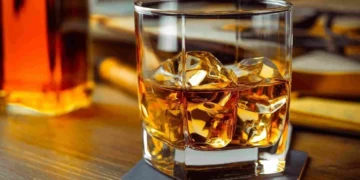
4. Drinking Whisky on the Rocks: A Chilled, Subtle Aroma Experience

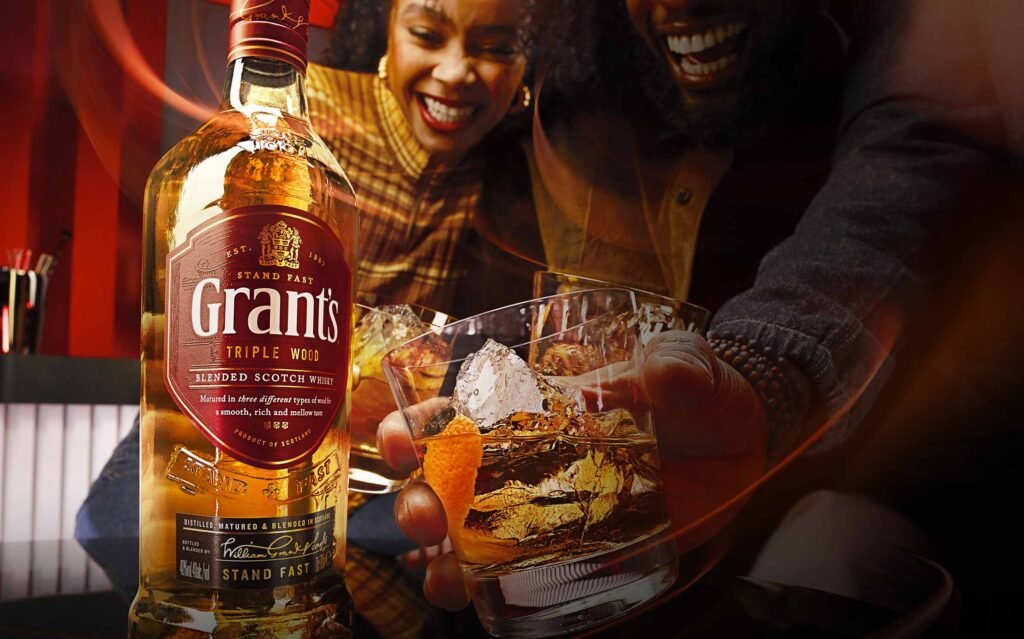
Drinking whisky on the rocks (with ice) is another popular method, especially for those who prefer a cooler, more refreshing drinking experience. However, this method has a significant impact on the whisky’s aroma.

How Ice Affects Aroma:

  • Lowering Temperature: When you add ice to whisky, the temperature of the whisky drops significantly. This can suppress some of the more volatile compounds that contribute to the whisky’s aroma. Cold temperatures reduce the evaporation of aromatic molecules, meaning that many of the delicate or subtle notes may be harder to detect.
  • Dilution: As the ice melts, it dilutes the whisky, softening the intensity of the alcohol and making the whisky easier to drink. However, this may also reduce the strength of some of the whisky’s more robust aromas, particularly those that are spicy or peaty.

The Experience:

While whisky on the rocks can be refreshing, you may find that the complex layers of aroma are less pronounced. The more delicate and sophisticated aromas may be masked by the coolness and the melting ice, leaving behind a more neutral and refreshing whisky flavor.

Tips:

  • If you prefer whisky on the rocks, try using large ice cubes or whiskey stones. This will slow down the dilution and allow you to enjoy the whisky for a longer period of time.
  • Keep in mind that this method is best suited for whiskies with lighter profiles, such as grain whiskies or lightly aged malts, where dilution won’t overpower the flavor.

5. Whisky in Cocktails: Blending Aromas for a New Experience

Whisky plays a central role in many classic cocktails, like the Old Fashioned, Whiskey Sour, or Mint Julep. When whisky is used in cocktails, it interacts with other ingredients (such as sugar, bitters, and citrus) to create a completely different aromatic experience.

How Cocktails Affect Aroma:

  • Mixing Flavors: Cocktails combine the whisky’s aroma with other ingredients, creating new layers of aroma. For example, a Whiskey Sour will combine the whisky’s woody, spicy notes with the citrusy brightness of lemon and the sweetness of sugar.
  • Aromas of Garnishes: Cocktails often involve garnishes like mint leaves, orange peels, or cherry, which add additional aromatic layers to the drink. A Mint Julep will carry the strong minty aroma, which can mask or complement the whisky’s natural notes.

The Experience:

Whisky cocktails often present a more simplified aromatic profile, as the base whisky is paired with other ingredients to create a harmonious blend. While the whisky’s complexity is still present, it’s altered by the other elements in the cocktail.

Tips:

  • Choose high-quality whisky for cocktails to ensure that the whisky’s aroma shines through, even when mixed with other ingredients.
  • Experiment with different cocktail recipes to explore how different combinations of flavors can bring out unique aromatic aspects of the whisky.

Conclusion: Maximizing the Aroma Layers of Whisky

The way you drink whisky has a significant impact on the aromatic experience. Drinking whisky neat allows you to experience its full and undiluted aromatic complexity, while adding water can unlock hidden layers of flavor. On the rocks offers a chilled experience, and cocktails offer a blended exploration of different aromas. Ultimately, the key to enjoying whisky’s aromatic layers is to experiment with different methods and discover how the aromas evolve with each sip.

The next time you pour a glass of whisky, consider how the method you choose can help you explore its rich and varied aromatic layers. Cheers to discovering the subtleties in every dram!
Tags: CultureFamous brand wineHealthHistoryInnovationluxurytastewhiskey
ShareTweetShare

Related Posts

Why Is Bourbon Only Made in the U.S.?
Whiskey

Luxury Whiskey and the Collector Market: Rarity, Investment, and the Global Obsession

May 24, 2026
The Art of Whiskey: Tradition, Craft, and the Global Renaissance
Whiskey

The Science Behind Aging Whiskey: Time, Wood, Chemistry, and Transformation

May 24, 2026
The Art of Whiskey: Tradition, Craft, and the Global Renaissance
Whiskey

Bourbon Culture in America: History, Identity, and the Spirit of the South

May 24, 2026
The Art of Whiskey: Tradition, Craft, and the Global Renaissance
Whiskey

The Rise of Japanese Whisky: Tradition, Precision, and Global Influence

May 24, 2026
The Art of Whiskey: Tradition, Craft, and the Global Renaissance
Whiskey

The Art of Whiskey: Tradition, Craft, and the Global Renaissance

May 24, 2026
The History of Whisky — From Monastic Origins to Global Industry
Whiskey

The Future of Whisky — Innovation, Sustainability, and Global Trends

April 25, 2026
Leave Comment
  • Trending
  • Comments
  • Latest
Role of Terroir in Champagne Production

Role of Terroir in Champagne Production

January 19, 2026
Champagne Can Be Aged in Wood?

Champagne Can Be Aged in Wood?

January 18, 2026
Is Organic Wine Healthier Than Conventional Wine?

Is Organic Wine Healthier Than Conventional Wine?

January 20, 2026
Why Do Some Champagnes Use a High Proportion of Pinot Meunier?

Why Do Some Champagnes Use a High Proportion of Pinot Meunier?

January 20, 2026
The Timeless Elegance of Wine: A Journey Through History and Culture

The Timeless Elegance of Wine: A Journey Through History and Culture

Why Is Château Lafite Rothschild the Pinnacle of Fine Wine?

Why Is Château Lafite Rothschild the Pinnacle of Fine Wine?

How Did Château Lafite Rothschild Become a Global Icon of Luxury?

How Did Château Lafite Rothschild Become a Global Icon of Luxury?

What Makes Chateau Lafite Rothschild the Pinnacle of Bordeaux Wines?

What Makes Chateau Lafite Rothschild the Pinnacle of Bordeaux Wines?

The History, Culture, and Global Influence of Humanity’s Most Celebrated Beverage

The Wine Revolution: How Modern Winemaking Transformed a Global Industry

June 3, 2026
The History, Culture, and Global Influence of Humanity’s Most Celebrated Beverage

Wine Styles of the World: A Complete Guide to Red, White, Rosé, Sparkling, and Fortified Wines

June 3, 2026
The History, Culture, and Global Influence of Humanity’s Most Celebrated Beverage

The Global Wine Industry: Markets, Trade, Tourism, and Economic Impact

June 3, 2026
The History, Culture, and Global Influence of Humanity’s Most Celebrated Beverage

The Science of Wine: Grapes, Fermentation, and Flavor Development

June 3, 2026
SipsavorLife

Welcome to our comprehensive beverage guide, where you can explore the fascinating world of alcoholic drinks. From exquisite wines and rich whiskeys to refreshing beers and sparkling champagnes, we provide insights, tips, and recommendations for enthusiasts and casual drinkers alike. Discover your next favorite libation with us!

© 2025 sipsavorlife.com. contacts:sipsavorlife-35376@gmail.com

No Result
View All Result
  • Home
  • Wine
  • Whiskey
  • Beer
  • Grain Spirits
  • Champagne
  • ALL

© 2025 sipsavorlife.com. contacts:sipsavorlife-35376@gmail.com

Welcome Back!

Login to your account below

Forgotten Password?

Retrieve your password

Please enter your username or email address to reset your password.

Log In