












SipsavorLife
  • Home
  • Wine
    The History, Culture, and Global Influence of Humanity’s Most Celebrated Beverage

    The Wine Revolution: How Modern Winemaking Transformed a Global Industry

    The History, Culture, and Global Influence of Humanity’s Most Celebrated Beverage

    Wine Styles of the World: A Complete Guide to Red, White, Rosé, Sparkling, and Fortified Wines

    The History, Culture, and Global Influence of Humanity’s Most Celebrated Beverage

    The Global Wine Industry: Markets, Trade, Tourism, and Economic Impact

    The History, Culture, and Global Influence of Humanity’s Most Celebrated Beverage

    The Science of Wine: Grapes, Fermentation, and Flavor Development

    The History, Culture, and Global Influence of Humanity’s Most Celebrated Beverage

    The History, Culture, and Global Influence of Humanity’s Most Celebrated Beverage

    The Cultural History of Wine: From Ancient Rituals to Modern Luxury

    The Psychology of Wine: Why Humans Associate Wine with Emotion, Memory, and Identity

  • Whiskey
    Can Beer Be an Effective Ingredient in Culinary Cooking?

    Can Beer Be an Effective Ingredient in Culinary Cooking?

    Second Fermentation in Champagne: Is It Really That Crucial?

    Second Fermentation in Champagne: Is It Really That Crucial?

    How Do Different Grains Impact the Flavor Profile of Distilled Spirits?

    How Do Different Grains Impact the Flavor Profile of Distilled Spirits?

    How Do Whiskey Master Blenders Create Perfection?

    How Do Whiskey Master Blenders Create Perfection?

    Wine Pairings: Can They Change the Flavor Profile of a Dish?

    Wine Pairings: Can They Change the Flavor Profile of a Dish?

    Beer the Ultimate Beverage for Pairing with Spicy Food?

    Beer the Ultimate Beverage for Pairing with Spicy Food?

  • Beer
    Malt Beer: Why Does Its Sweet Malty Aroma Always Bring Endless Satisfaction?

    The Craft Beer Revolution: How Independent Breweries Changed the World of Beer

    Beer: The World’s Oldest and Most Influential Beverage

    Beer Styles of the World: A Complete Guide to Lager, Ale, Stout, IPA, and Beyond

    Beer: The World’s Oldest and Most Influential Beverage

    The Global Beer Industry: Markets, Brands, and Economic Impact

    Beer: The World’s Oldest and Most Influential Beverage

    The Science of Beer: Ingredients, Fermentation, and Flavor

    Beer: The World’s Oldest and Most Influential Beverage

    Beer: The World’s Oldest and Most Influential Beverage

    Beer as a Cultural and Social Force: From Ancient Brew to Modern Identity

    Women in Brewing: The Untold History and Modern Transformation of Beer Culture

  • Grain Spirits
    Grain Spirits: The Origins, Science, and Global Evolution of Distilled Grain Alcohol

    Bourbon: America’s Native Grain Spirit and the Global Story of Corn, Oak, Fire, and Time

    Grain Spirits: The Origins, Science, and Global Evolution of Distilled Grain Alcohol

    Gin: Botanicals, History, Cocktail Culture, and the Artistic Evolution of the World’s Most Aromatic Grain Spirit

    Grain Spirits: The Origins, Science, and Global Evolution of Distilled Grain Alcohol

    Vodka: The Global Rise of the World’s Most Versatile Grain Spirit

    Grain Spirits: The Origins, Science, and Global Evolution of Distilled Grain Alcohol

    Whiskey and the Soul of Grain Spirits: History, Craftsmanship, Culture, and the Global Rise of the World’s Most Iconic Distilled Grain Beverage

    Grain Spirits: The Origins, Science, and Global Evolution of Distilled Grain Alcohol

    Grain Spirits: The Origins, Science, and Global Evolution of Distilled Grain Alcohol

    Grain Spirits Explained — The Foundation of Global Distillation

    The Future of Grain Spirits — Technology, Sustainability, and the Next Era of Distillation

  • Champagne
    Champagne: The Sparkling Wine That Changed Global Celebration Culture

    Dom Pérignon, Cristal, Krug, and Beyond: The World’s Most Famous Champagne Houses and Their Legacy

    Champagne Beyond Celebration: The History, Craftsmanship, and Global Influence of the World’s Most Iconic Sparkling Wine

    The Future of Champagne: Climate Change, Innovation, Sustainability, and the Next Era of Sparkling Wine

    Champagne Beyond Celebration: The History, Craftsmanship, and Global Influence of the World’s Most Iconic Sparkling Wine

    Champagne and Luxury Culture: How Sparkling Wine Became a Global Symbol of Wealth, Celebration, and Prestige

    Champagne Beyond Celebration: The History, Craftsmanship, and Global Influence of the World’s Most Iconic Sparkling Wine

    The Art of Champagne Production: Inside the Science, Skill, and Tradition Behind Every Bottle

    Champagne Beyond Celebration: The History, Craftsmanship, and Global Influence of the World’s Most Iconic Sparkling Wine

    Champagne Beyond Celebration: The History, Craftsmanship, and Global Influence of the World’s Most Iconic Sparkling Wine

    Champagne: The Sparkling Wine That Changed Global Celebration Culture

    Champagne vs Prosecco vs Cava: How the World’s Sparkling Wines Reflect Culture, Geography, and Taste

  • ALL
    Can Beer Be an Effective Ingredient in Culinary Cooking?

    Can Beer Be an Effective Ingredient in Culinary Cooking?

    Second Fermentation in Champagne: Is It Really That Crucial?

    Second Fermentation in Champagne: Is It Really That Crucial?

    How Do Different Grains Impact the Flavor Profile of Distilled Spirits?

    How Do Different Grains Impact the Flavor Profile of Distilled Spirits?

    How Do Whiskey Master Blenders Create Perfection?

    How Do Whiskey Master Blenders Create Perfection?

    Wine Pairings: Can They Change the Flavor Profile of a Dish?

    Wine Pairings: Can They Change the Flavor Profile of a Dish?

    Beer the Ultimate Beverage for Pairing with Spicy Food?

    Beer the Ultimate Beverage for Pairing with Spicy Food?

SipsavorLife
  • Home
  • Wine
    The History, Culture, and Global Influence of Humanity’s Most Celebrated Beverage

    The Wine Revolution: How Modern Winemaking Transformed a Global Industry

    The History, Culture, and Global Influence of Humanity’s Most Celebrated Beverage

    Wine Styles of the World: A Complete Guide to Red, White, Rosé, Sparkling, and Fortified Wines

    The History, Culture, and Global Influence of Humanity’s Most Celebrated Beverage

    The Global Wine Industry: Markets, Trade, Tourism, and Economic Impact

    The History, Culture, and Global Influence of Humanity’s Most Celebrated Beverage

    The Science of Wine: Grapes, Fermentation, and Flavor Development

    The History, Culture, and Global Influence of Humanity’s Most Celebrated Beverage

    The History, Culture, and Global Influence of Humanity’s Most Celebrated Beverage

    The Cultural History of Wine: From Ancient Rituals to Modern Luxury

    The Psychology of Wine: Why Humans Associate Wine with Emotion, Memory, and Identity

  • Whiskey
    Can Beer Be an Effective Ingredient in Culinary Cooking?

    Can Beer Be an Effective Ingredient in Culinary Cooking?

    Second Fermentation in Champagne: Is It Really That Crucial?

    Second Fermentation in Champagne: Is It Really That Crucial?

    How Do Different Grains Impact the Flavor Profile of Distilled Spirits?

    How Do Different Grains Impact the Flavor Profile of Distilled Spirits?

    How Do Whiskey Master Blenders Create Perfection?

    How Do Whiskey Master Blenders Create Perfection?

    Wine Pairings: Can They Change the Flavor Profile of a Dish?

    Wine Pairings: Can They Change the Flavor Profile of a Dish?

    Beer the Ultimate Beverage for Pairing with Spicy Food?

    Beer the Ultimate Beverage for Pairing with Spicy Food?

  • Beer
    Malt Beer: Why Does Its Sweet Malty Aroma Always Bring Endless Satisfaction?

    The Craft Beer Revolution: How Independent Breweries Changed the World of Beer

    Beer: The World’s Oldest and Most Influential Beverage

    Beer Styles of the World: A Complete Guide to Lager, Ale, Stout, IPA, and Beyond

    Beer: The World’s Oldest and Most Influential Beverage

    The Global Beer Industry: Markets, Brands, and Economic Impact

    Beer: The World’s Oldest and Most Influential Beverage

    The Science of Beer: Ingredients, Fermentation, and Flavor

    Beer: The World’s Oldest and Most Influential Beverage

    Beer: The World’s Oldest and Most Influential Beverage

    Beer as a Cultural and Social Force: From Ancient Brew to Modern Identity

    Women in Brewing: The Untold History and Modern Transformation of Beer Culture

  • Grain Spirits
    Grain Spirits: The Origins, Science, and Global Evolution of Distilled Grain Alcohol

    Bourbon: America’s Native Grain Spirit and the Global Story of Corn, Oak, Fire, and Time

    Grain Spirits: The Origins, Science, and Global Evolution of Distilled Grain Alcohol

    Gin: Botanicals, History, Cocktail Culture, and the Artistic Evolution of the World’s Most Aromatic Grain Spirit

    Grain Spirits: The Origins, Science, and Global Evolution of Distilled Grain Alcohol

    Vodka: The Global Rise of the World’s Most Versatile Grain Spirit

    Grain Spirits: The Origins, Science, and Global Evolution of Distilled Grain Alcohol

    Whiskey and the Soul of Grain Spirits: History, Craftsmanship, Culture, and the Global Rise of the World’s Most Iconic Distilled Grain Beverage

    Grain Spirits: The Origins, Science, and Global Evolution of Distilled Grain Alcohol

    Grain Spirits: The Origins, Science, and Global Evolution of Distilled Grain Alcohol

    Grain Spirits Explained — The Foundation of Global Distillation

    The Future of Grain Spirits — Technology, Sustainability, and the Next Era of Distillation

  • Champagne
    Champagne: The Sparkling Wine That Changed Global Celebration Culture

    Dom Pérignon, Cristal, Krug, and Beyond: The World’s Most Famous Champagne Houses and Their Legacy

    Champagne Beyond Celebration: The History, Craftsmanship, and Global Influence of the World’s Most Iconic Sparkling Wine

    The Future of Champagne: Climate Change, Innovation, Sustainability, and the Next Era of Sparkling Wine

    Champagne Beyond Celebration: The History, Craftsmanship, and Global Influence of the World’s Most Iconic Sparkling Wine

    Champagne and Luxury Culture: How Sparkling Wine Became a Global Symbol of Wealth, Celebration, and Prestige

    Champagne Beyond Celebration: The History, Craftsmanship, and Global Influence of the World’s Most Iconic Sparkling Wine

    The Art of Champagne Production: Inside the Science, Skill, and Tradition Behind Every Bottle

    Champagne Beyond Celebration: The History, Craftsmanship, and Global Influence of the World’s Most Iconic Sparkling Wine

    Champagne Beyond Celebration: The History, Craftsmanship, and Global Influence of the World’s Most Iconic Sparkling Wine

    Champagne: The Sparkling Wine That Changed Global Celebration Culture

    Champagne vs Prosecco vs Cava: How the World’s Sparkling Wines Reflect Culture, Geography, and Taste

  • ALL
    Can Beer Be an Effective Ingredient in Culinary Cooking?

    Can Beer Be an Effective Ingredient in Culinary Cooking?

    Second Fermentation in Champagne: Is It Really That Crucial?

    Second Fermentation in Champagne: Is It Really That Crucial?

    How Do Different Grains Impact the Flavor Profile of Distilled Spirits?

    How Do Different Grains Impact the Flavor Profile of Distilled Spirits?

    How Do Whiskey Master Blenders Create Perfection?

    How Do Whiskey Master Blenders Create Perfection?

    Wine Pairings: Can They Change the Flavor Profile of a Dish?

    Wine Pairings: Can They Change the Flavor Profile of a Dish?

    Beer the Ultimate Beverage for Pairing with Spicy Food?

    Beer the Ultimate Beverage for Pairing with Spicy Food?

SipsavorLife
No Result
View All Result
Home ALL

Can You Distinguish the Origin and Style of Whisky Through Taste?

June 30, 2025
in ALL, Whiskey
Can You Distinguish the Origin and Style of Whisky Through Taste?

Whisky, like wine, is deeply influenced by its origin and the style in which it’s made. Each whisky-producing region has its own unique methods of production, climate, and local traditions, all of which contribute to the spirit’s flavor profile. For whisky connoisseurs, being able to discern where a whisky comes from and what style it embodies is an exciting and rewarding challenge. But is it possible to truly differentiate a whisky’s origin and style based solely on taste? Let’s explore how the characteristics of a whisky’s birthplace, its ingredients, and the process of distillation impact its taste, and whether you can pinpoint these elements through a careful tasting.

1. The Importance of Origin: How Geography Shapes Whisky

Whisky’s flavor is profoundly shaped by the climate, soil, and geography of the region where it is produced. Much like how wine is influenced by terroir, whisky’s development is impacted by environmental factors. These factors can range from the type of water used in the distillation process to the conditions under which the whisky ages in its barrels.

Scotland: The Home of Scotch Whisky

Scotland is home to many distinct whisky styles, from single malts to blended whiskies, each carrying regional characteristics shaped by the country’s diverse terroirs. Here’s what you can expect:

  • Highland Whisky: Often considered robust and full-bodied, Highland whiskies tend to feature flavors of heather, spices, and a gentle smoke. The climate here is temperate, and the whiskies benefit from long aging in oak barrels.
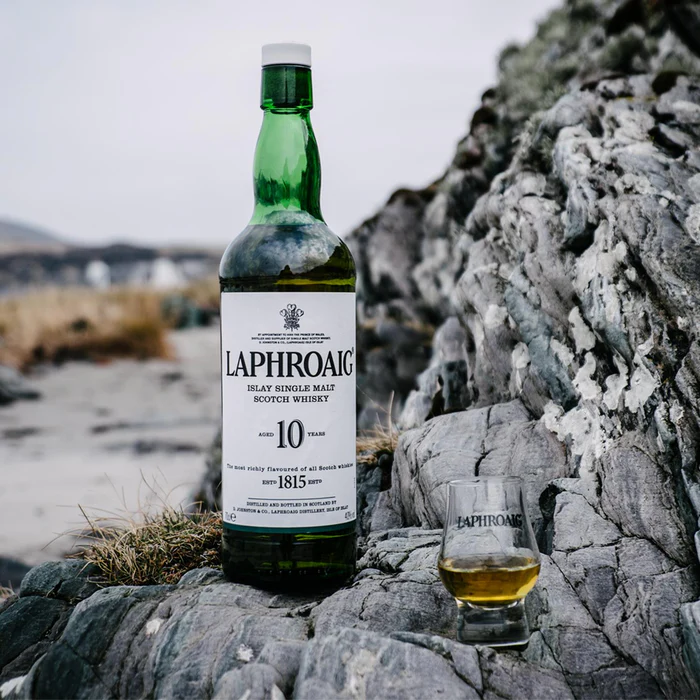
  • Islay Whisky: Known for its peaty, smoky character, Islay whiskies are some of the most distinctive. The proximity of Islay’s distilleries to the sea means that sea air influences the flavor, creating notes of brine and iodine, as well as the characteristic smoky flavor from the use of peat in the malting process.
  • Speyside Whisky: Known for its fruity, sweet notes, Speyside whiskies tend to be lighter in body with flavors of apples, pears, and honey. The region’s cool, stable climate and abundant water sources allow for a long aging process that enhances the delicate flavors.
  • Lowland Whisky: These are generally light and floral, with subtle citrus and herbal notes. The lowlands have a mild climate, and the whiskies produced here tend to be easy-drinking and accessible.

Ireland: Smooth and Lighter Styles

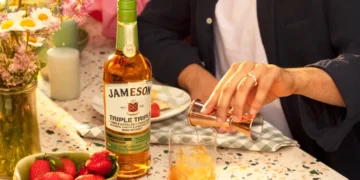
Irish whiskies, especially single pot still whiskies, are generally smoother, with a lighter, more approachable character. The climate and soil conditions, along with the practice of triple distillation, give Irish whiskies a distinctively smooth, creamy profile. You might encounter flavors of vanilla, green apple, and honey with a slight touch of spice.

  • Pot Still Whiskey: The unique use of both malted and unmalted barley in the distillation process contributes to a full-bodied, spicy, and slightly grassy flavor profile.
  • Blended Irish Whiskey: This style tends to be smooth and easy to drink, with subtle flavors like caramel, fruit, and floral notes.

United States: Bold and Sweet

American whiskies, including Bourbon, Rye, and Tennessee whiskey, have distinct flavors, influenced by the corn content, climate, and the use of new charred oak barrels for aging.

  • Bourbon: With a predominant use of corn (at least 51%), American bourbon is known for its sweet, caramel-like flavors. The new oak barrels contribute strong vanilla, oak, and spice notes, giving it a rich and sweet profile.
  • Rye Whiskey: Made with at least 51% rye, this whisky has a spicier and often more herbaceous flavor. Rye whiskies tend to be drier than bourbons, with notes of pepper, fruit, and cloves.

Canada: Subtle and Smooth

Canadian whiskies are known for their smoothness, often incorporating rye into the mix, but with a lighter touch compared to American rye. Canadian whiskies are often blended and have a subtle, balanced flavor, with notes of vanilla, caramel, and a slight spicy kick from the rye.


2. Tasting for Whisky Styles: How to Identify Them Through Flavor

Each whisky-producing country or region has its own distinct style. By tasting a whisky carefully, you can begin to identify certain traits that are indicative of the style and origin of the spirit.

How to Taste and Identify Regional Flavors

  • Color: The color of whisky can give you clues about its age and the type of cask used for maturation. Whiskies that have been aged in sherry casks often have a deeper, reddish-brown hue, while those aged in American oak tend to be lighter and more golden.
  • Nose: Swirl the whisky and take a gentle sniff. Do you smell smoke and peat (Islay)? Or perhaps hints of fruit and spice (Speyside)? The nose can often give away the region and style of the whisky before you even taste it.
  • Palate: Take a small sip and let the whisky coat your tongue. Does it feel rich and sweet (Bourbon)? Is it spicy with herbal or peppery notes (Rye)? Perhaps it’s smooth and creamy (Irish Whiskey)? The texture and mouthfeel can also help determine the whisky’s origin.
  • Finish: The way a whisky finishes—its lingering aftertaste—can also provide insight into its style. A long, peaty finish is often associated with Islay whiskies, while a shorter, sweet finish might indicate a Bourbon or a Speyside.

Identifying Key Tasting Notes

  • Peat and Smoke: Found most notably in Islay whiskies, peat imparts a smoky, earthy flavor that can range from subtle to intense. Some whiskies may also have a briny or iodine-like quality, characteristic of the coastal influences of Islay.
  • Fruity and Sweet: Whiskies from Speyside tend to have fruity, floral, and sweet notes. Expect flavors like apple, pear, honey, and vanilla.
  • Spicy and Bold: Rye whiskies from the U.S. and Canada have a spicy, often peppery flavor. You might also encounter flavors like clove, cinnamon, or even ginger.
  • Rich and Caramelized: Bourbon whisky, made with corn, is often known for its sweet, caramel, and vanilla flavors, thanks to the high corn content and aging in new charred oak barrels.
3. The Challenge of Identifying Whisky by Taste

While it is possible to learn how to distinguish between various whisky styles and regions, it’s important to remember that whisky tasting is a subjective experience, and certain factors like age, maturation conditions, and the use of different cask types can affect a whisky’s final flavor profile. That being said, with practice, you can develop the ability to recognize distinct regional characteristics.

Factors That Influence the Taste

  • Maturation: The type of cask used (e.g., sherry cask, American oak) can dramatically alter the flavor profile. Whisky aged in sherry casks might have richer, darker fruit and spice flavors, while bourbon casks tend to add vanilla and caramel notes.
  • Distillation Process: How the whisky is distilled—whether it undergoes single pot still distillation (like many Irish whiskies) or column still distillation (common in Bourbon)—can also impact the final flavor. Pot stills tend to produce a richer, fuller-bodied spirit, while column stills often create a cleaner, lighter spirit.
  • Age: Older whiskies tend to be smoother, with more complex flavors due to the extended maturation process, while younger whiskies often have more pronounced alcohol and raw grain notes.

4. Conclusion: Unlocking the Mystery of Whisky Origins and Styles

While identifying a whisky’s origin and style through taste is certainly achievable with practice, it requires a refined palate and a good understanding of the common characteristics associated with each region and style. The interplay of climate, water, barrels, and distillation methods creates a distinct fingerprint for each whisky, which can be picked up by an experienced taster.

In summary, whisky tasting is not just about enjoying the flavors; it’s also about dissecting them and appreciating how the environment and tradition of the whisky’s origin have shaped its final form. So next time you have a glass of whisky, take the time to truly engage with it—not just by savoring the taste but by trying to unravel the mystery of where it comes from and how its characteristics reflect the unique region and style it represents. With enough practice, you might just be able to identify the whisky’s origin and style based on a single sip.
Tags: CultureFamous brand wineHealthHistoryInnovationluxurytastewhiskey
ShareTweetShare

Related Posts

Why Is Bourbon Only Made in the U.S.?
Whiskey

Luxury Whiskey and the Collector Market: Rarity, Investment, and the Global Obsession

May 24, 2026
The Art of Whiskey: Tradition, Craft, and the Global Renaissance
Whiskey

The Science Behind Aging Whiskey: Time, Wood, Chemistry, and Transformation

May 24, 2026
The Art of Whiskey: Tradition, Craft, and the Global Renaissance
Whiskey

Bourbon Culture in America: History, Identity, and the Spirit of the South

May 24, 2026
The Art of Whiskey: Tradition, Craft, and the Global Renaissance
Whiskey

The Rise of Japanese Whisky: Tradition, Precision, and Global Influence

May 24, 2026
The Art of Whiskey: Tradition, Craft, and the Global Renaissance
Whiskey

The Art of Whiskey: Tradition, Craft, and the Global Renaissance

May 24, 2026
The History of Whisky — From Monastic Origins to Global Industry
Whiskey

The Future of Whisky — Innovation, Sustainability, and Global Trends

April 25, 2026
Leave Comment
  • Trending
  • Comments
  • Latest
Role of Terroir in Champagne Production

Role of Terroir in Champagne Production

January 19, 2026
Champagne Can Be Aged in Wood?

Champagne Can Be Aged in Wood?

January 18, 2026
Is Organic Wine Healthier Than Conventional Wine?

Is Organic Wine Healthier Than Conventional Wine?

January 20, 2026
Why Do Some Champagnes Use a High Proportion of Pinot Meunier?

Why Do Some Champagnes Use a High Proportion of Pinot Meunier?

January 20, 2026
The Timeless Elegance of Wine: A Journey Through History and Culture

The Timeless Elegance of Wine: A Journey Through History and Culture

Why Is Château Lafite Rothschild the Pinnacle of Fine Wine?

Why Is Château Lafite Rothschild the Pinnacle of Fine Wine?

How Did Château Lafite Rothschild Become a Global Icon of Luxury?

How Did Château Lafite Rothschild Become a Global Icon of Luxury?

What Makes Chateau Lafite Rothschild the Pinnacle of Bordeaux Wines?

What Makes Chateau Lafite Rothschild the Pinnacle of Bordeaux Wines?

The History, Culture, and Global Influence of Humanity’s Most Celebrated Beverage

The Wine Revolution: How Modern Winemaking Transformed a Global Industry

June 3, 2026
The History, Culture, and Global Influence of Humanity’s Most Celebrated Beverage

Wine Styles of the World: A Complete Guide to Red, White, Rosé, Sparkling, and Fortified Wines

June 3, 2026
The History, Culture, and Global Influence of Humanity’s Most Celebrated Beverage

The Global Wine Industry: Markets, Trade, Tourism, and Economic Impact

June 3, 2026
The History, Culture, and Global Influence of Humanity’s Most Celebrated Beverage

The Science of Wine: Grapes, Fermentation, and Flavor Development

June 3, 2026
SipsavorLife

Welcome to our comprehensive beverage guide, where you can explore the fascinating world of alcoholic drinks. From exquisite wines and rich whiskeys to refreshing beers and sparkling champagnes, we provide insights, tips, and recommendations for enthusiasts and casual drinkers alike. Discover your next favorite libation with us!

© 2025 sipsavorlife.com. contacts:sipsavorlife-35376@gmail.com

No Result
View All Result
  • Home
  • Wine
  • Whiskey
  • Beer
  • Grain Spirits
  • Champagne
  • ALL

© 2025 sipsavorlife.com. contacts:sipsavorlife-35376@gmail.com

Welcome Back!

Login to your account below

Forgotten Password?

Retrieve your password

Please enter your username or email address to reset your password.

Log In