




























When we raise a glass, the journey of the spirit inside often begins long before it reaches our lips. The cultivation of grain plays a fundamental role in the creation of some of the world’s most beloved beverages, from whiskey and vodka to gin and rum. But could it be that the future of spirits—especially in terms of innovation, sustainability, and flavor—truly starts in the grain field?
Grains, after all, are the unsung heroes of the spirit industry. While many of us may think of barley, corn, rye, and wheat merely as the ingredients in our drinks, these humble crops are at the very heart of an entire ecosystem of innovation, from farming practices to distilling techniques, and the broader world of fermentation. In the next few decades, as the world faces new challenges—whether climate change, evolving consumer tastes, or shifts in global markets—what happens in the grain field could shape the next frontier of spirits. Let’s explore how.
The Roots of Distillation: Where It All Begins
To understand where the future of spirits might be going, it’s useful to first appreciate the legacy of grain in distillation. Distilling grains into spirits has been a human endeavor for centuries, with distillers using these crops as the source of fermentable sugars. These sugars are turned into alcohol through fermentation, and the resulting liquids are distilled into everything from the smoothest whiskey to the sharpest gin.
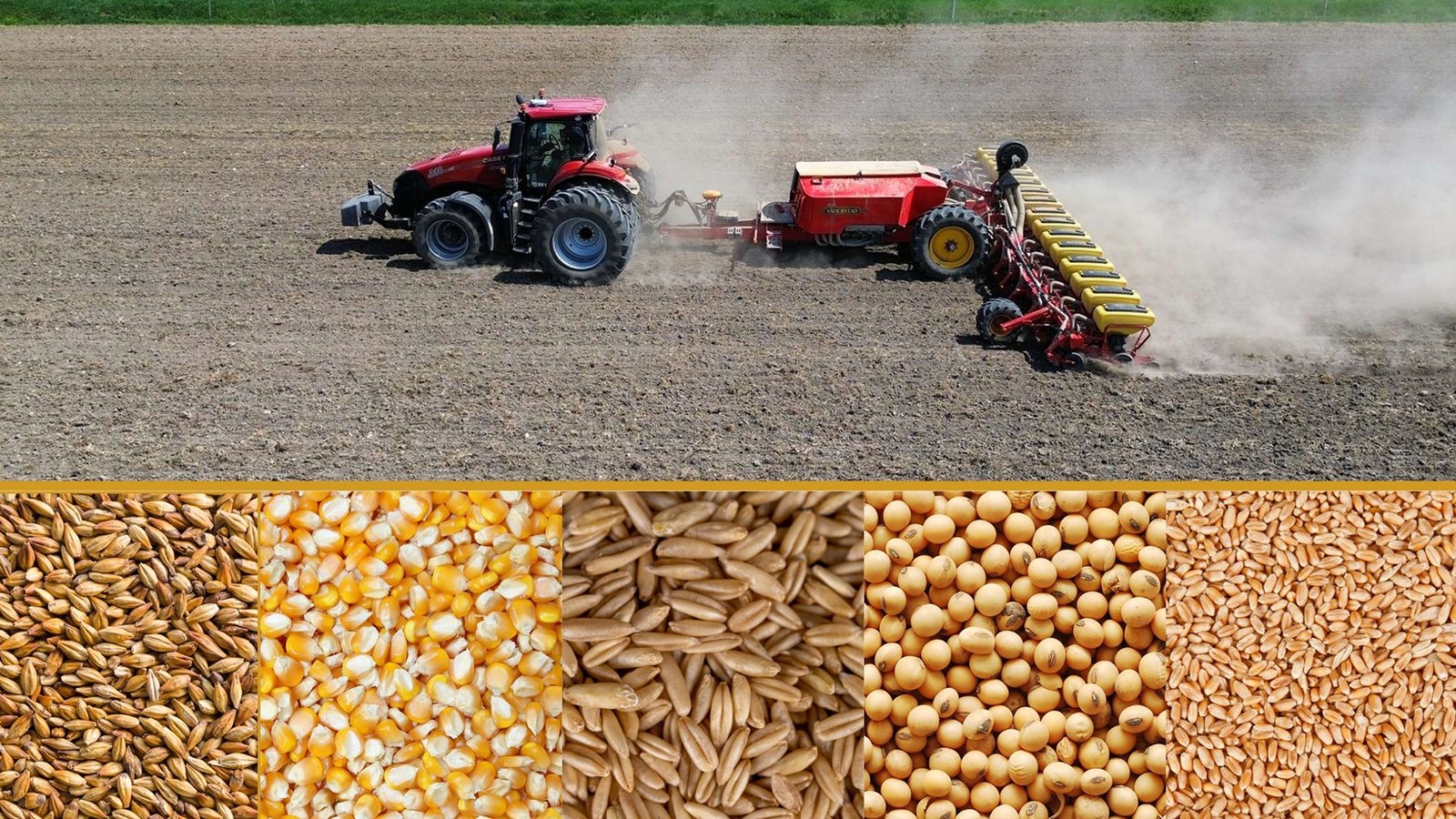
The relationship between grain and alcohol isn’t just about transforming raw materials into a product. Grains provide the distinct flavors, textures, and character that define different spirits. Corn, for example, tends to lend sweetness to bourbon, while rye introduces a spicier, sharper edge to rye whiskey. Barley, in contrast, is a staple for Scotch whisky, contributing rich, malty flavors that form the backbone of this classic spirit.
Yet, the field in which these grains are grown can influence the very profile of the spirits they create. Terroir, the unique set of environmental factors that affect a crop—such as climate, soil, and farming methods—also impacts the flavor and qualities of the resulting spirits. Whether it’s the cool, damp soils of Scotland nurturing barley or the warm, sun-drenched fields of the American Midwest cultivating corn, the origin of the grain plays a crucial role.
Changing Climate and the Shift in Farming
As the world grapples with the increasing effects of climate change, the agriculture behind spirit production is beginning to face new challenges. Changing weather patterns, shifts in precipitation, and rising temperatures are forcing farmers to rethink how they grow their crops. For example, barley farmers in Scotland may find that warmer temperatures affect barley yields, while corn farmers in the U.S. may experience droughts that lower production rates.
This climate-driven volatility is already shaping the future of grain spirits. For distilleries, sustainability and sourcing have become top priorities. As such, many distillers are turning to more resilient crops, innovative farming practices, and sustainable agricultural methods to ensure consistent, high-quality grain production. Some distilleries are even experimenting with new grain varieties that are more drought-resistant or can thrive in less-than-ideal soil conditions.
Moreover, innovations like regenerative farming, which focuses on rebuilding soil health, are gaining traction. Regenerative farming practices promote biodiversity, reduce carbon emissions, and encourage soil retention—all of which are beneficial not just for farmers but for the spirits they produce. These methods could result in grains that are not only more environmentally friendly but also imbue spirits with subtle yet distinctive characteristics.
Innovation in the Field: New Varieties and Hybrid Crops
The world of grain spirits is not immune to the disruptive forces of innovation. One of the most exciting frontiers is the development of new hybrid crops designed specifically for distillation. These hybrid grains combine the best attributes of various species—whether it’s the resilience of one variety, the flavor profile of another, or the yield of a third.
For example, researchers are experimenting with hybrid grains that are both high-yielding and resistant to disease, pests, and fluctuating temperatures. These crops could be the key to ensuring a stable supply of grain even as traditional farming faces more difficulties. On top of that, hybrids may provide the potential for new and exciting flavor profiles that could redefine familiar spirits. Imagine a whiskey with a completely new character—distinctly smooth, yet with a fresh burst of earthy flavors never before experienced.
Additionally, some distilleries are focusing on heirloom grains, which have been cultivated for centuries but are not as widely used in modern agriculture. These ancient varieties, which include rare types of barley, wheat, and corn, offer a unique flavor experience that cannot be replicated by mass-market grains. They are also an important part of preserving biodiversity in agriculture, creating a deeper connection between the land, the distillery, and the product.
The Quest for Unique Flavors: From Grain to Glass
While climate change and innovation in farming practices are vital to the future of grain-based spirits, the core of this evolution lies in flavor. Spirits are all about taste—how they hit the palate, how they interact with food, and how they evolve over time in the glass. The rise of craft distilleries and the growing interest in small-batch, artisanal spirits has driven a renaissance in flavor exploration, and much of this experimentation is rooted in the grains used.
Take whiskey, for instance. In recent years, there has been a renewed interest in rye whiskey, which had somewhat fallen out of favor in the 20th century in favor of sweeter corn-based bourbons. Rye, however, has made a comeback due to its peppery, spicy kick that adds a level of complexity to the spirit. This revival has spurred new distilleries to experiment with different types of rye, such as “winter rye” or “red rye,” each contributing distinct flavors to the final product.
Gin, too, has undergone a dramatic evolution in recent years. Traditionally flavored with juniper berries, many modern gins are now incorporating a wider range of botanicals, from lavender and citrus peels to exotic spices and herbs. But at its core, gin remains a spirit driven by the quality of its grain base, whether it’s wheat, barley, or rye. The grain provides the backbone, and it’s the choice of botanicals and distilling technique that unlocks the spirit’s full potential.
These changes in flavor preference and innovation speak to a broader shift in the spirits industry. Consumers are now more interested than ever in how their drinks are made, where they come from, and what makes them unique. They want spirits that tell a story—whether it’s about the grain used, the terroir of the land, or the creative choices made by the distiller.
Sustainability and the Grain-to-Spirit Supply Chain
In addition to farming methods, sustainability is also playing a crucial role in the future of spirits. With rising global demand for more eco-friendly products, distilleries are increasingly focused on reducing their environmental impact. This means minimizing water usage, lowering carbon footprints, and ensuring ethical labor practices throughout the supply chain.

One exciting development is the rise of circular economies within the spirits industry. Circular economies aim to reduce waste by reusing byproducts in creative ways. For example, leftover grain mash—traditionally a byproduct of distillation—can be repurposed into animal feed, compost, or even energy. Some distilleries are also using surplus grain to produce ethanol for biofuels, turning what would have been waste into a valuable resource.
This approach not only minimizes waste but also helps distilleries build a more sustainable and resilient business model. In turn, it’s likely to appeal to a growing segment of eco-conscious consumers who value transparency and sustainability in the products they choose.
The Intersection of Technology and Tradition
In the world of spirits, there’s a delicate balance between tradition and innovation. While some distilleries pride themselves on staying true to centuries-old techniques, others are embracing new technology to improve their processes. From advanced distillation methods to data-driven farming practices, technology is playing a key role in shaping the future of grain-based spirits.
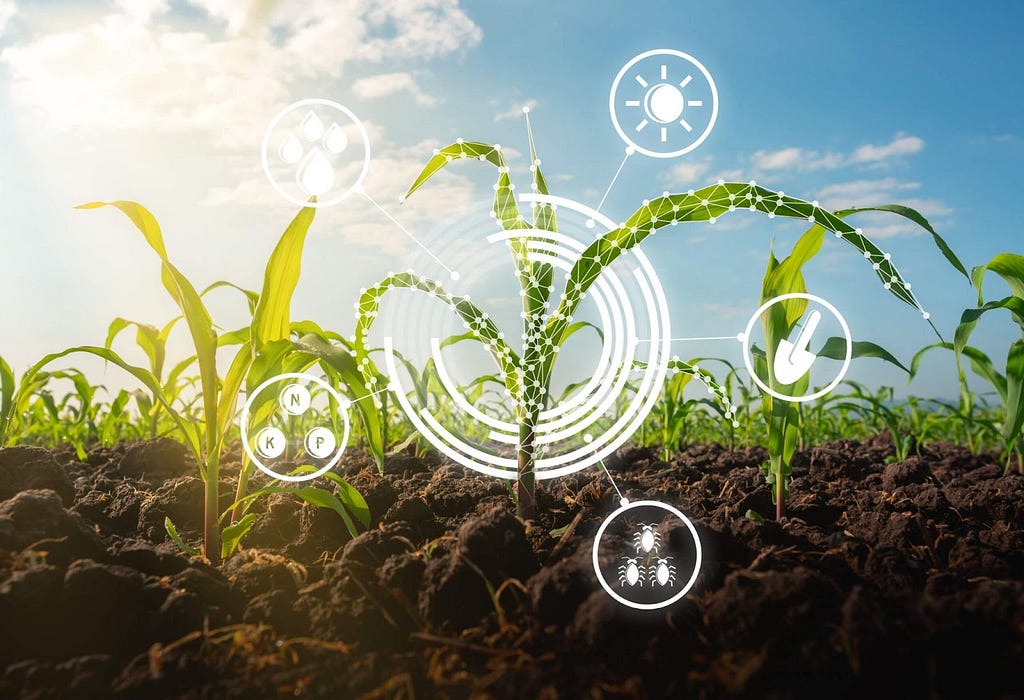
One area of technological innovation is precision agriculture. Using GPS, drones, and soil sensors, farmers can optimize crop yields while minimizing environmental impact. This data-driven approach ensures that grains are grown under the most favorable conditions, which ultimately results in better-quality spirits. Similarly, distilleries are using technology to better control fermentation and aging processes, ensuring that each batch meets their exacting standards.
As these new technologies continue to develop, they will likely open up even more opportunities for innovation in the grain-to-glass journey. However, the challenge will be maintaining the authenticity and craftsmanship that makes spirits like whiskey and gin so beloved by connoisseurs. In this regard, tradition and technology may not be adversaries but collaborators—each enhancing the other to create new and exciting possibilities.
Conclusion: A Field of Opportunities
The future of spirits is more intertwined with the grain field than we might realize. From innovations in farming practices to the quest for new flavors, the grain-to-glass journey is undergoing a profound transformation. As the world faces new challenges in agriculture, sustainability, and consumer tastes, the grain field offers endless opportunities for innovation, experimentation, and growth.
What once seemed like a simple agricultural product—barley, rye, corn, or wheat—is now poised to be the cornerstone of an entire new era in spirit production. The intersection of sustainable farming, flavor exploration, and technological advancements is creating a rich landscape where new and exciting spirits can thrive. And in that future, the grain field will undoubtedly remain the birthplace of some of the world’s most celebrated and cutting-edge spirits.