


























Champagne, the epitome of celebration and luxury, is cherished not only for its effervescence but also for its complex mouthfeel. It’s a beverage that conveys prestige, a drink where the bubbles aren’t just bubbles—they’re the heart of the experience. But, as much as the general public revels in the sparkle, few realize that the very pressure levels at which Champagne is produced can dramatically influence the texture, taste, and overall mouthfeel of the drink. Is it the high pressure of the bottle that causes the bubbles to dance more energetically on the tongue? Or do lower pressures evoke a softer, more subtle feel? This article explores the science and art of Champagne pressure and its intimate relationship with mouthfeel.
Understanding Champagne’s Pressure Dynamics
To comprehend how pressure affects Champagne, one must first appreciate the mechanics behind it. Champagne is made using the traditional method (méthode champenoise), which involves a secondary fermentation in the bottle. This fermentation produces carbon dioxide, which dissolves into the liquid, creating bubbles when released. During this stage, the wine is sealed in the bottle with a crown cap, trapping the carbon dioxide inside.
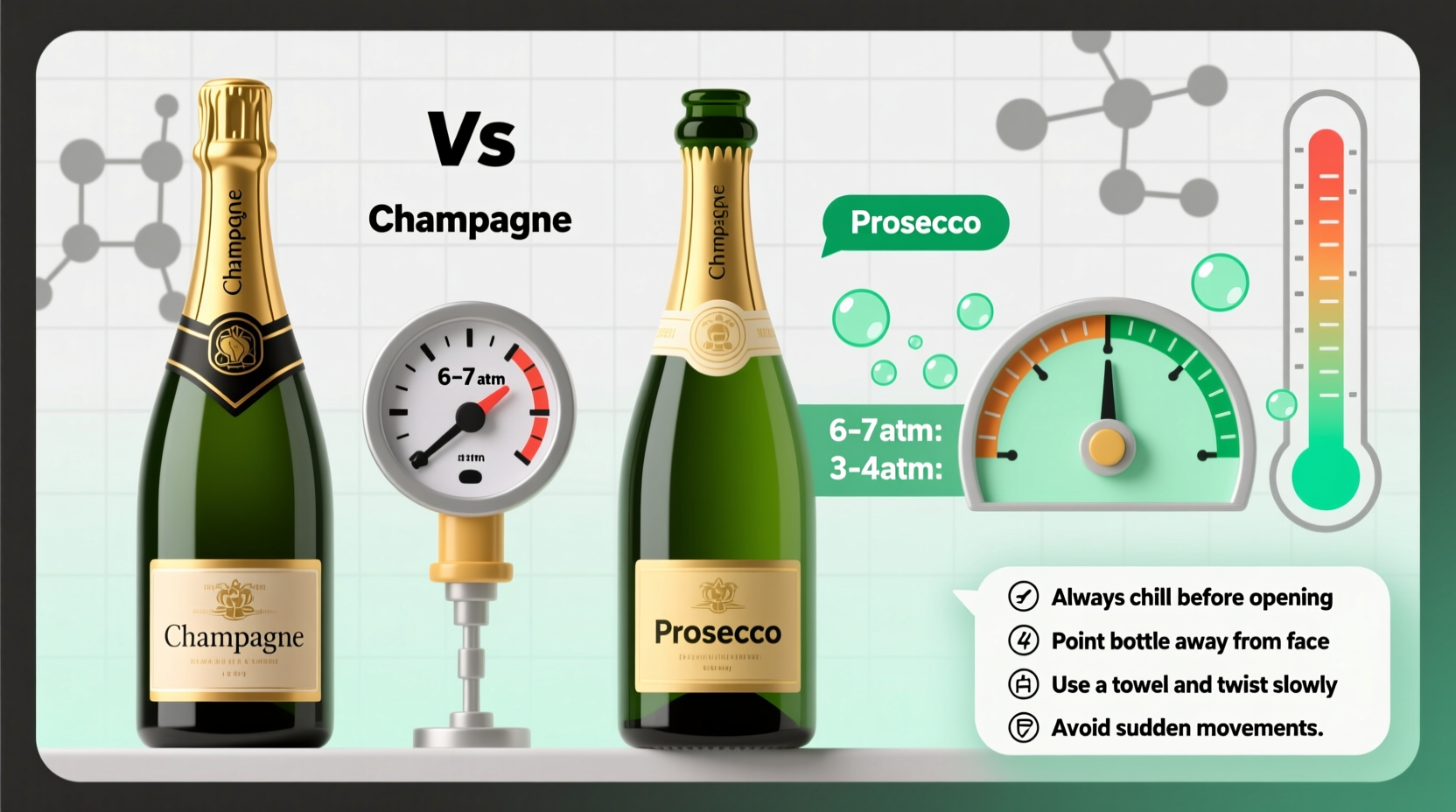
Pressure in the bottle can reach up to 6 bars, or 90 pounds per square inch, compared to about 1 bar in a typical soda can. This higher level of pressure contributes to the intensity and size of the bubbles, two factors that play a key role in shaping Champagne’s mouthfeel.
Pressure and Bubble Size: The Direct Connection
At the heart of Champagne’s mouthfeel is the interaction between its bubbles and your palate. Higher pressure levels typically result in smaller bubbles. Smaller bubbles tend to produce a smoother, more velvety mouthfeel, as they release carbon dioxide more slowly. This slow release provides a more continuous sensation of effervescence, making the Champagne feel more refined and integrated on the tongue.
Conversely, lower pressures generally lead to larger bubbles. While larger bubbles are more pronounced and create an immediate burst of effervescence, they tend to dissipate quicker, which can result in a lighter, more fleeting mouthfeel. This difference can have a significant effect on how the Champagne is experienced, particularly when paired with food or consumed in different settings.
The Role of Time in Pressure Levels
Pressure is not the only factor that influences the Champagne’s mouthfeel—time also plays a critical role. During the aging process, the carbon dioxide gas dissolves into the wine over time, which gradually reduces the overall pressure in the bottle. This is why vintage Champagnes, which are often aged for several years, tend to have a finer, less aggressive effervescence than non-vintage bottles.
A well-aged Champagne, while maintaining a high pressure level during fermentation, will present a much more refined and gentle mouthfeel. The gradual softening of bubbles over time makes the Champagne feel richer, rounder, and more harmonious, as opposed to the sharp, energetic fizz of a young, fresher bottle.
How the Pressure Affects Taste Perception
The physical sensation of bubbles on the palate is not only about texture—it’s also connected to the taste experience itself. The interaction between the carbon dioxide and the tongue can influence how we perceive the flavors in Champagne. This connection is particularly important when it comes to the acidity and sweetness of the wine.
Higher pressure levels are linked to a more intense bubble formation, which can sharpen the acidity of Champagne. This higher acidity might lead to a more crisp, zesty mouthfeel that many consumers associate with the “bite” of a good Champagne. The acidity, coupled with the fine bubbles, can enhance the perception of freshness and even increase the perceived dryness of the wine, which is why high-pressure Champagnes often feel more lively.
On the other hand, lower pressure levels tend to produce a smoother, creamier mouthfeel. With larger bubbles, the sensation on the tongue is less sharp, and the Champagne can appear rounder and more generous. These softer bubbles allow for a more balanced integration of sugar and acidity, giving the Champagne a richer, more complex taste experience. This is why Champagnes with lower pressures are often described as having a “creamy” or “silky” mouthfeel, making them perfect for food pairings that require finesse.
The Influence of Dosage on Mouthfeel and Pressure
The dosage is the final step in Champagne production, where a mixture of sugar and wine (liqueur d’expédition) is added to the bottle just before the cork is inserted. This process can slightly alter the pressure within the bottle, depending on the level of sugar added. A higher dosage can increase the Champagne’s smoothness, softening its overall mouthfeel, while a lower dosage will emphasize the crisp, lively bubbles and the freshness of the acidity.
The dosage also plays a role in balancing the Champagne’s mouthfeel by affecting the perception of sweetness and acidity. A well-balanced dosage can enhance the creamy, round sensation of the Champagne, complementing the bubble structure and giving the wine an overall refined mouthfeel.
Champagne Pressure and Style: Vintage vs. Non-Vintage
The style of Champagne also influences how pressure manifests in the mouthfeel. Non-vintage Champagnes, which are designed to be consistent in taste year after year, generally undergo a shorter aging period. The younger the Champagne, the sharper and more pronounced the bubbles tend to be, giving it a fresher, livelier mouthfeel.
In contrast, vintage Champagnes are aged for a longer period, often resulting in a more subdued, integrated bubble structure. Over time, the bubbles become finer, and the Champagne’s pressure level softens. The longer aging period allows the Champagne to develop greater complexity, with a mouthfeel that can range from silky to creamy, offering a rich textural experience that is perfect for more luxurious occasions.
Environmental Factors and Production Techniques
In Champagne production, factors such as ambient temperature, grape quality, and the winemaker’s techniques all influence the final product’s pressure and mouthfeel. For instance, cooler climates tend to produce grapes with higher acidity, which can further enhance the zesty mouthfeel created by higher pressure. A warmer climate, on the other hand, can lead to a more rounded, smooth Champagne, even if the pressure levels are higher.
The choice of grape variety—whether it’s Pinot Noir, Pinot Meunier, or Chardonnay—also plays a role in shaping the Champagne’s texture and pressure relationship. Each grape variety imparts different levels of acidity and fruitiness, which combine with the pressure-induced effervescence to create a distinct mouthfeel.
Conclusion: The Art and Science of Champagne Pressure
Pressure levels undeniably influence the mouthfeel of Champagne, making it a fascinating blend of art and science. While higher pressures generally lead to smaller, more refined bubbles, softer pressures produce larger, livelier bubbles. The interplay of these factors results in a rich diversity of textures and sensations, which is part of what makes Champagne such a dynamic and exciting wine to experience.
From the crisp, zesty bubbles of a young, non-vintage bottle to the silky, rounded texture of a vintage Champagne, the pressure inside the bottle is a key player in determining how the wine interacts with your palate. Understanding these dynamics adds a layer of appreciation to every sip, transforming the simple act of drinking Champagne into a multisensory experience.