






























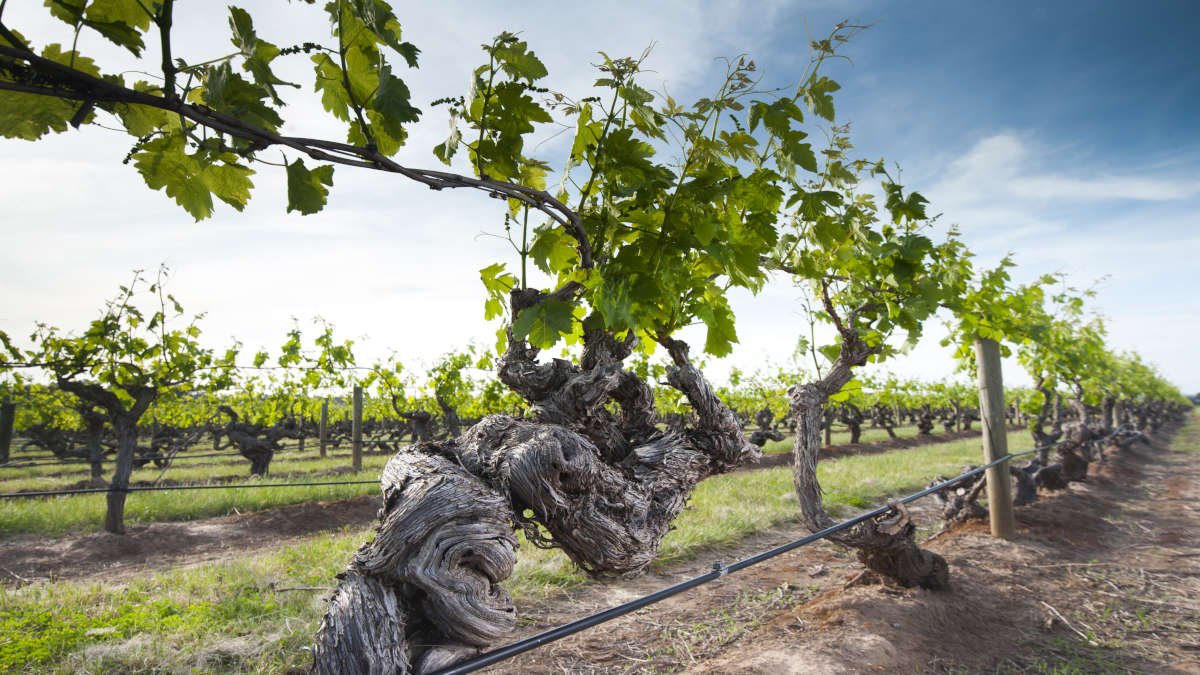
The allure of old vines in the wine world is undeniable. For centuries, the notion has persisted that wines made from older vines possess a distinct, superior quality compared to their younger counterparts. But is this reputation well-earned? Does age really translate to better wine, or is it simply a matter of producing fewer, yet more concentrated, grapes? In this article, we’ll explore the science, myths, and history behind the phrase “old vines,” and dive into whether they indeed offer a higher-quality wine—or if it’s more a matter of limited production.
The Mystique of Old Vines: A Brief Overview
In the wine industry, the term “old vines” refers to grapevines that have been cultivated for many years, often several decades or even more than a century. These vines are said to produce wines that reflect a deeper, more complex character, with nuanced flavors and a sense of “terroir” that younger vines cannot match.
However, there’s no hard-and-fast rule about what qualifies as an “old vine.” In some regions, 30-year-old vines might be considered old, while in others, vines that are over 50 or even 100 years old are seen as true “ancient” specimens. The variability comes from the fact that climate, vine variety, and soil all play a role in how well a vine ages and how its fruit develops over time.
Despite the romantic appeal of ancient vines, it’s essential to understand that older vines don’t necessarily guarantee better wine. The quality of wine is influenced by numerous factors beyond vine age, including climate, soil composition, winemaking techniques, and even the philosophy of the winemaker.
Vine Age: The Science Behind the Myth
At first glance, older vines might seem like they would automatically produce superior fruit, but the reality is more complex. Let’s break down the science of how vine age impacts wine.
1. Yield vs. Quality
As grapevines age, their production tends to decrease. Young vines, which are still actively growing and expanding, produce a high volume of grapes. However, this quantity can come at the expense of quality. Older vines, on the other hand, yield fewer grapes, but these are often more concentrated in flavor. This reduced yield is one of the main reasons why wines made from older vines are often more expensive—there’s simply less fruit to go around.
That said, the lower yield isn’t always a guarantee of better quality. In fact, some winemakers may find that their older vines become more difficult to manage, and if neglected, these vines can struggle to produce good fruit. There is also the possibility that the vines may become “tired,” producing fruit that lacks the vibrancy and balance needed for great wine.
2. Root Depth and Soil Interaction
Older vines tend to develop deeper root systems, allowing them to access water and nutrients from a larger area of soil. This can result in more complex flavors in the grapes, as the vines are able to draw from a wider variety of minerals and elements present in the soil. The theory is that these complex flavor profiles are translated into the wine, giving it greater depth and complexity.
However, this process isn’t without its challenges. The deeper the roots, the harder it is for the vine to receive a consistent amount of nutrients. In some cases, this can lead to imbalances in the wine, with flavors that are too concentrated or not well integrated.
3. Climate Adaptation
Old vines are often better adapted to their environment than young vines. Over the years, they’ve learned to cope with the local climate, including temperature fluctuations, rainfall, and even drought conditions. This natural adaptation can result in a better balance of sugars, acidity, and phenolic compounds in the grapes, which ultimately contributes to the overall quality of the wine.
That said, climate change is posing new challenges for even the most seasoned vines. Increased temperatures and erratic weather patterns can disrupt the delicate balance that older vines have achieved over the years, leading to inconsistencies in quality from year to year.
Why Do Old Vines Produce Fewer Grapes?
One of the defining characteristics of old vines is their reduced yield. But why do older vines produce fewer grapes in the first place? There are several reasons for this, some of which are related to the biological aging process of the vine, while others stem from vineyard management practices.
1. Vine Maturity
As vines age, their ability to produce new shoots diminishes. This means that older vines have fewer branches and less foliage, which results in a smaller crop of grapes. The older the vine, the less energy it has to devote to producing fruit, and more of its resources are focused on maintaining the existing root structure and vine architecture.
2. Increased Stress and Adaptation
Older vines are often more resilient and can adapt to environmental stresses better than younger vines. However, this ability to endure stress doesn’t mean they can produce the same high yields. In fact, the more stressed the vine is, the fewer grapes it will produce, as it prioritizes the production of high-quality fruit rather than quantity.
3. Vineyard Management Practices
Many vineyards that produce wine from older vines have a philosophy that emphasizes minimal intervention. This can include practices like dry farming (not irrigating), using organic or biodynamic methods, and allowing the vines to grow naturally without excessive pruning or manipulation. These methods can contribute to lower yields but often lead to higher quality fruit.
The Wine Tasting Experience: What’s the Difference?
When it comes to tasting wine from older vines, many sommeliers and wine enthusiasts claim that there’s a distinct difference in quality. Old-vine wines are often described as being more complex, with deeper layers of flavor that develop as the wine ages. But what exactly does this mean?
1. Intensity and Concentration
Because older vines produce fewer grapes, the remaining fruit tends to be more concentrated. This means the flavors are often more intense, with a higher concentration of tannins, acidity, and other compounds that contribute to the wine’s structure and aging potential.
2. Terroir Expression

Old vines are better at expressing the terroir of the vineyard—meaning the specific combination of soil, climate, and topography that influences the flavor profile of the wine. Because older vines have spent more time in the ground, they’ve had more opportunity to interact with the soil, and this is often reflected in the wine’s character. Some winemakers even claim that old vines are better at “speaking” the language of the land, producing wines that more accurately reflect the unique qualities of their growing region.
3. Complexity and Subtlety
Old-vine wines tend to be more subtle, with intricate layers of flavor that develop over time. These wines often have a more refined, balanced quality compared to younger wines, which can sometimes be more “raw” or aggressive. The result is a smoother, more harmonious drinking experience that appeals to those who appreciate the nuances of fine wine.
4. Ageability
Wines made from older vines tend to have better aging potential. Their concentration and complexity allow them to evolve gracefully over time, developing new flavors and aromas as they age. While not all old-vine wines are suitable for long-term cellaring, many have the potential to improve and become more enjoyable as they age in the bottle.
Old Vines vs. New Vines: A Trade-Off?
The debate between old vines and new vines ultimately comes down to a trade-off between quantity and quality. New vines typically produce more fruit, but the quality may not be as high, especially if the vines are not yet fully established. Older vines, by contrast, produce less fruit, but the wine made from that fruit is often more concentrated and complex.
For winemakers, this can mean balancing the desire for higher yields with the quest for premium wine. Some regions, like Bordeaux, may favor old vines for their nuanced, age-worthy wines, while others, like Napa Valley, often embrace new vines to ensure a consistent supply of fruit for their more accessible, fruit-forward styles of wine.
The Financial Side of Old Vines
Old-vine wines are often more expensive due to their rarity and the reduced yield. However, this doesn’t always translate into a better value for consumers. Many winemakers find that the price of old-vine wines is not always justified by their quality, especially if the vineyard management practices are subpar or the weather has been unpredictable.
That said, old-vine wines tend to have a strong market position in the luxury segment, and their scarcity can make them highly sought after by collectors and connoisseurs. For these consumers, the appeal of owning a bottle from ancient vines far outweighs any price premium.
Conclusion: Is the Old-Vine Myth True?
So, do old vines really produce better wine—or just less? The truth lies somewhere in the middle. While it’s undeniable that old vines can contribute to wines with greater concentration, complexity, and a unique sense of terroir, it’s important to recognize that they don’t automatically produce superior wine. Factors such as climate, vineyard management, and winemaking techniques all play crucial roles in determining the final quality of the wine.
Ultimately, the term “old vine” carries a certain mystique, and it’s up to the consumer to decide whether the wines made from these vines are worth the investment. Whether or not old vines make better wine is a question that can only be answered with a sip—and perhaps with a little bit of personal taste.










