













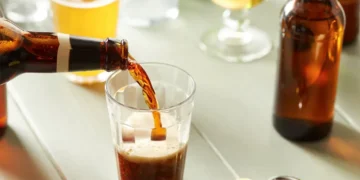
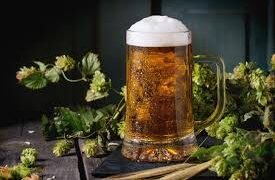












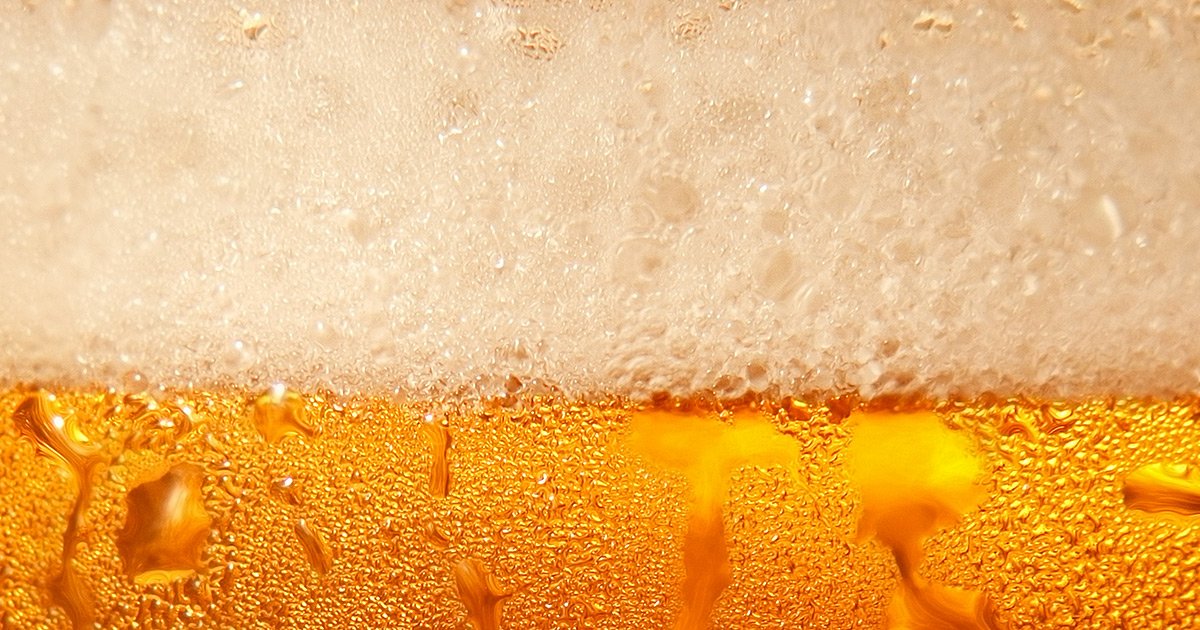
When you pour a glass of beer, champagne, or any other carbonated beverage, one of the first things you notice is the foam that forms on the surface. Whether it’s the thick, frothy head on your freshly poured beer or the delicate, effervescent bubbles rising in your glass of sparkling wine, foam bubbles seem to be a natural part of the drinking experience. But here’s the question: Are foam bubbles a sign of quality or just an element of marketing? In this article, we’ll explore the science behind foam, how it affects our perception of drinks, and whether it really indicates the quality of what’s in your glass or is just an illusion used by brands to make their products look more appealing.
The Science of Foam
At its core, foam is simply a collection of gas bubbles trapped in a liquid. In beverages like beer and sparkling wine, carbon dioxide (CO2) is responsible for the bubbles. When these drinks are bottled or poured, the gas is released and forms bubbles, which rise to the surface due to the differences in density between the gas and the liquid.
The formation of foam is influenced by several factors, including the amount of carbonation in the drink, the composition of the liquid, and the surface tension of the liquid. In beer, for example, the proteins from the grains (such as barley) and the hop oils contribute to the stability and texture of the foam. Similarly, in champagne or sparkling wines, the method of fermentation (such as the traditional “Méthode Champenoise” used in premium sparkling wines) affects how the bubbles are formed and maintained.
One of the most interesting properties of foam is its relationship to surface tension. Surface tension is what keeps the liquid together, allowing the bubbles to form and hold their shape. The more stable the foam, the better it is at trapping CO2 and preventing it from escaping too quickly. High-quality beers and sparkling wines often have a dense, lasting foam, which can be an indicator of how well the drink was made.
The Role of Foam in Perception
Foam is not just an aesthetic feature of a drink; it can also influence our perception of its quality. For many people, a drink with a thick, creamy foam head suggests a high-quality beverage. This is especially true for beer, where the appearance of the foam can be a quick indicator of freshness and craftsmanship. A beer with a flat head might be perceived as stale or poorly brewed, even if it tastes perfectly fine.
The foam on a drink also affects how we experience its flavor. The aroma of a beer or sparkling wine is released more readily when the bubbles in the foam pop, allowing us to take in the fragrance before we even take a sip. For beer, the foam helps preserve the hops’ aroma, which is crucial to the overall flavor profile. Similarly, in champagne and other sparkling wines, the bubbles release aromatic compounds that contribute to the drink’s complexity. Without a good foam, some of these delicate aromas might be lost.
But does the foam itself indicate the actual quality of the drink? Not necessarily. While a lasting foam is often associated with high-quality ingredients and careful production, it’s not always a foolproof sign of a better drink. Sometimes, manufacturers can use additives or alter brewing processes to artificially enhance the foam without improving the overall flavor. This is where the line between quality and marketing starts to blur.
Foam and Marketing: The Illusion of Quality
It’s no secret that foam can be used as a marketing tool. In the world of beer, for instance, some breweries may intentionally design their packaging and presentation methods to make their beer foam more impressive, even if the liquid inside doesn’t match up in quality. This has led to the rise of “foam enhancers”—substances added to beer to make the foam appear more robust and longer-lasting. While these additives may improve the appearance, they don’t necessarily improve the flavor or overall drinking experience.
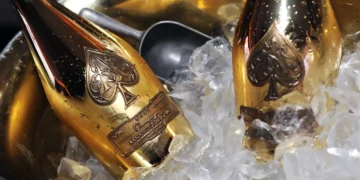
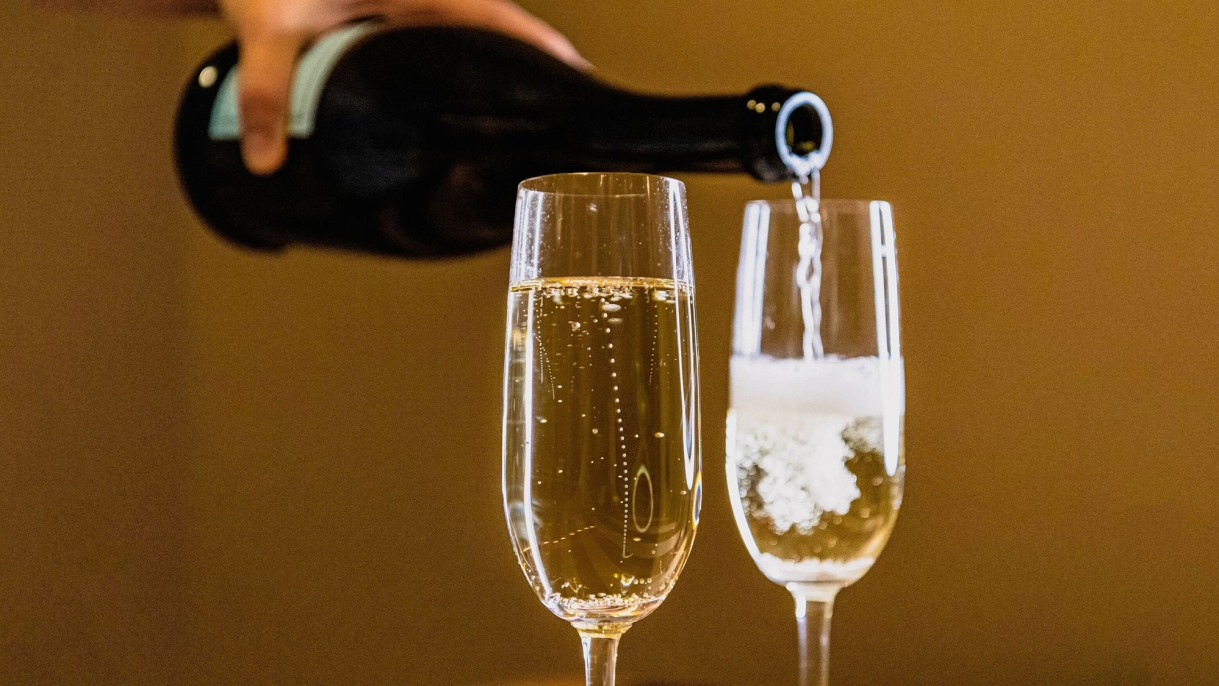
For sparkling wines, especially those marketed as luxury or premium products, the size and stability of the bubbles can be used to suggest a higher-quality product. Champagne producers, for example, have long used the visual appeal of fine bubbles as a selling point, often emphasizing the elegance of their bubbles in marketing campaigns. The “pop” of a champagne cork, with its frothy foam spilling over, is a highly marketable image that plays into the idea of celebration and luxury. But once again, this visual appeal doesn’t always reflect the true quality of the wine.
Foam Quality and Beer Styles
The type of foam you see in your glass can tell you a lot about the beer style. Different beer styles often come with different foam characteristics, which can help distinguish one from another. For example:
- Lagers: Generally have a lighter, less persistent foam due to their cleaner fermentation process. The foam on a lager may dissipate faster than that of a craft ale.
- Ales: Often have thicker, creamier foam that lasts longer. This is due to the higher protein content from the grains used in the brewing process.
- Stouts: Known for their rich, creamy head, stouts (such as Guinness) are famous for their dense foam, which can last longer than that of many other beers. This foam is a result of both the brewing process and the nitrogen used to carbonate many stouts.
- Wheat Beers: Known for having a very thick, fluffy head due to the high protein content in wheat. The foam here is often long-lasting and plays a big role in the overall sensory experience of the beer.
For beer lovers, the appearance of the foam can be a quick, albeit superficial, indicator of how the beer was brewed and whether it aligns with the style’s expectations. But again, the quality of the foam is not always a reflection of the beer’s flavor or overall craftsmanship.
Sparkling Wine: Bubbles as a Symbol of Prestige
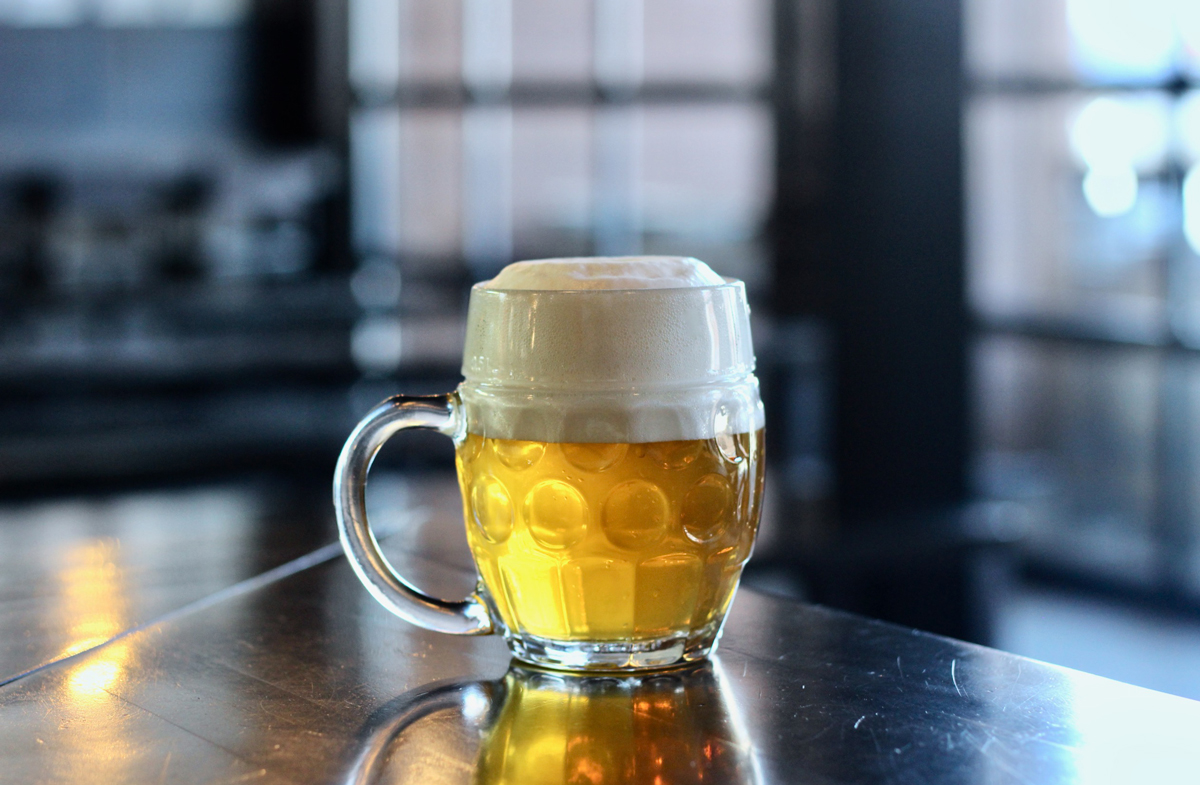
When it comes to sparkling wines like champagne, Prosecco, and Cava, the importance of bubbles cannot be overstated. In fact, the process by which the bubbles are formed can be just as important as the grapes themselves. Sparkling wines made through the traditional method (like Champagne) undergo a secondary fermentation in the bottle, which produces finer, more persistent bubbles that are considered a hallmark of quality. These tiny, delicate bubbles are highly prized because they contribute to a smoother mouthfeel and more complex flavors.
The bubbles in sparkling wines are often associated with luxury and celebration. A large, persistent mousse (the foam on top of a glass of sparkling wine) is often seen as a sign of a high-end product. However, much like beer foam, this too can be influenced by marketing. Champagne houses may emphasize the size and finesse of their bubbles in their promotional material, even though the quality of the wine itself may not always justify such claims.
Foam and Its Impact on Health and Flavor
It’s worth noting that foam can also have a minor impact on health—particularly for those who are sensitive to the carbonation in beverages. Foam helps release some of the carbon dioxide in the drink, which can reduce the overall fizz. However, excessive foam might actually trap some of the CO2, causing a more intense carbonated sensation when you drink, which could be uncomfortable for some people.
Additionally, foam can affect how much we drink and how we enjoy the drink. A frothy, inviting beer or glass of sparkling wine may prompt us to drink faster or take larger sips, potentially leading to quicker intoxication. The visual appeal of foam often creates the illusion of a lighter, less alcoholic beverage, even if the drink is relatively strong.
Conclusion: Foam Bubbles—Quality Indicator or Marketing Gimmick?
Foam bubbles in beer, champagne, and other beverages can certainly play a role in our perception of quality. They can enhance the aroma, preserve flavor, and provide a visual cue that we associate with freshness and craftsmanship. However, foam alone cannot be used to definitively judge the quality of a drink. Some products may rely heavily on foam-enhancing additives or artificial processes to create a certain appearance, without offering an equally impressive drinking experience.
Ultimately, the true quality of a beverage lies in its flavor, aroma, and the craftsmanship behind its production. While foam can be an important element of this experience, it’s important to look beyond the bubbles and focus on the full sensory experience when evaluating a drink. Foam is just one of many factors that influence our enjoyment—and while it can enhance a drink’s appeal, it’s not a foolproof indicator of quality.