








SipsavorLife
  • Home
  • Wine
    Wine Pairings: Can They Change the Flavor Profile of a Dish?

    Wine Pairings: Can They Change the Flavor Profile of a Dish?

    How Do Wine Glasses Influence the Tasting Experience?

    How Do Wine Glasses Influence the Tasting Experience?

    Is Organic Wine Healthier Than Conventional Wine?

    Is Organic Wine Healthier Than Conventional Wine?

    Why Do Some Wines Taste Better from Specific Vintages?

    Why Do Some Wines Taste Better from Specific Vintages?

    Wine Tasting: Can It Truly Be an Art Form?

    Wine Tasting: Can It Truly Be an Art Form?

    What Does Terroir Actually Mean for Your Wine?

    What Does Terroir Actually Mean for Your Wine?

  • Whiskey
    Can Beer Be an Effective Ingredient in Culinary Cooking?

    Can Beer Be an Effective Ingredient in Culinary Cooking?

    Second Fermentation in Champagne: Is It Really That Crucial?

    Second Fermentation in Champagne: Is It Really That Crucial?

    How Do Different Grains Impact the Flavor Profile of Distilled Spirits?

    How Do Different Grains Impact the Flavor Profile of Distilled Spirits?

    How Do Whiskey Master Blenders Create Perfection?

    How Do Whiskey Master Blenders Create Perfection?

    Wine Pairings: Can They Change the Flavor Profile of a Dish?

    Wine Pairings: Can They Change the Flavor Profile of a Dish?

    Beer the Ultimate Beverage for Pairing with Spicy Food?

    Beer the Ultimate Beverage for Pairing with Spicy Food?

  • Beer
    Can Beer Be an Effective Ingredient in Culinary Cooking?

    Can Beer Be an Effective Ingredient in Culinary Cooking?

    Beer the Ultimate Beverage for Pairing with Spicy Food?

    Beer the Ultimate Beverage for Pairing with Spicy Food?

    How Did Ancient Civilizations Brew Beer Without Modern Technology?

    How Did Ancient Civilizations Brew Beer Without Modern Technology?

    Is It Possible to Brew a Beer with No Alcohol and No Compromise on Taste?

    Is It Possible to Brew a Beer with No Alcohol and No Compromise on Taste?

    Why Does Beer Taste Different at High Altitudes?

    Why Does Beer Taste Different at High Altitudes?

    Is Hops the Secret Ingredient Behind Beer’s Bold Flavor?

    Is Hops the Secret Ingredient Behind Beer’s Bold Flavor?

  • Grain Spirits
    How Do Different Grains Impact the Flavor Profile of Distilled Spirits?

    How Do Different Grains Impact the Flavor Profile of Distilled Spirits?

    Grain Spirits the Unsung Heroes of Modern Mixology

    Grain Spirits the Unsung Heroes of Modern Mixology

    What Makes Grain-Based Whiskey So Different from Its Peated Cousins?

    What Makes Grain-Based Whiskey So Different from Its Peated Cousins?

    Grain Spirits: Could They Be the Next Big Trend in Craft Cocktails?

    Grain Spirits: Could They Be the Next Big Trend in Craft Cocktails?

    Why Are Grain Spirits Often Overlooked in the World of Fine Liquor?

    Why Are Grain Spirits Often Overlooked in the World of Fine Liquor?

    Is There a Secret Art to Distilling Grain Spirits?

    Is There a Secret Art to Distilling Grain Spirits?

  • Champagne
    Second Fermentation in Champagne: Is It Really That Crucial?

    Second Fermentation in Champagne: Is It Really That Crucial?

    The Science Behind the ‘Bubble Size’ in Champagne

    The Science Behind the ‘Bubble Size’ in Champagne

    Why Do Some Champagnes Use a High Proportion of Pinot Meunier?

    Why Do Some Champagnes Use a High Proportion of Pinot Meunier?

    Role of Terroir in Champagne Production

    Role of Terroir in Champagne Production

    Champagne Can Be Aged in Wood?

    Champagne Can Be Aged in Wood?

    Is There a Difference Between Blanc de Blancs and Blanc de Noirs Champagne?

    Is There a Difference Between Blanc de Blancs and Blanc de Noirs Champagne?

  • ALL
    Can Beer Be an Effective Ingredient in Culinary Cooking?

    Can Beer Be an Effective Ingredient in Culinary Cooking?

    Second Fermentation in Champagne: Is It Really That Crucial?

    Second Fermentation in Champagne: Is It Really That Crucial?

    How Do Different Grains Impact the Flavor Profile of Distilled Spirits?

    How Do Different Grains Impact the Flavor Profile of Distilled Spirits?

    How Do Whiskey Master Blenders Create Perfection?

    How Do Whiskey Master Blenders Create Perfection?

    Wine Pairings: Can They Change the Flavor Profile of a Dish?

    Wine Pairings: Can They Change the Flavor Profile of a Dish?

    Beer the Ultimate Beverage for Pairing with Spicy Food?

    Beer the Ultimate Beverage for Pairing with Spicy Food?

SipsavorLife
  • Home
  • Wine
    Wine Pairings: Can They Change the Flavor Profile of a Dish?

    Wine Pairings: Can They Change the Flavor Profile of a Dish?

    How Do Wine Glasses Influence the Tasting Experience?

    How Do Wine Glasses Influence the Tasting Experience?

    Is Organic Wine Healthier Than Conventional Wine?

    Is Organic Wine Healthier Than Conventional Wine?

    Why Do Some Wines Taste Better from Specific Vintages?

    Why Do Some Wines Taste Better from Specific Vintages?

    Wine Tasting: Can It Truly Be an Art Form?

    Wine Tasting: Can It Truly Be an Art Form?

    What Does Terroir Actually Mean for Your Wine?

    What Does Terroir Actually Mean for Your Wine?

  • Whiskey
    Can Beer Be an Effective Ingredient in Culinary Cooking?

    Can Beer Be an Effective Ingredient in Culinary Cooking?

    Second Fermentation in Champagne: Is It Really That Crucial?

    Second Fermentation in Champagne: Is It Really That Crucial?

    How Do Different Grains Impact the Flavor Profile of Distilled Spirits?

    How Do Different Grains Impact the Flavor Profile of Distilled Spirits?

    How Do Whiskey Master Blenders Create Perfection?

    How Do Whiskey Master Blenders Create Perfection?

    Wine Pairings: Can They Change the Flavor Profile of a Dish?

    Wine Pairings: Can They Change the Flavor Profile of a Dish?

    Beer the Ultimate Beverage for Pairing with Spicy Food?

    Beer the Ultimate Beverage for Pairing with Spicy Food?

  • Beer
    Can Beer Be an Effective Ingredient in Culinary Cooking?

    Can Beer Be an Effective Ingredient in Culinary Cooking?

    Beer the Ultimate Beverage for Pairing with Spicy Food?

    Beer the Ultimate Beverage for Pairing with Spicy Food?

    How Did Ancient Civilizations Brew Beer Without Modern Technology?

    How Did Ancient Civilizations Brew Beer Without Modern Technology?

    Is It Possible to Brew a Beer with No Alcohol and No Compromise on Taste?

    Is It Possible to Brew a Beer with No Alcohol and No Compromise on Taste?

    Why Does Beer Taste Different at High Altitudes?

    Why Does Beer Taste Different at High Altitudes?

    Is Hops the Secret Ingredient Behind Beer’s Bold Flavor?

    Is Hops the Secret Ingredient Behind Beer’s Bold Flavor?

  • Grain Spirits
    How Do Different Grains Impact the Flavor Profile of Distilled Spirits?

    How Do Different Grains Impact the Flavor Profile of Distilled Spirits?

    Grain Spirits the Unsung Heroes of Modern Mixology

    Grain Spirits the Unsung Heroes of Modern Mixology

    What Makes Grain-Based Whiskey So Different from Its Peated Cousins?

    What Makes Grain-Based Whiskey So Different from Its Peated Cousins?

    Grain Spirits: Could They Be the Next Big Trend in Craft Cocktails?

    Grain Spirits: Could They Be the Next Big Trend in Craft Cocktails?

    Why Are Grain Spirits Often Overlooked in the World of Fine Liquor?

    Why Are Grain Spirits Often Overlooked in the World of Fine Liquor?

    Is There a Secret Art to Distilling Grain Spirits?

    Is There a Secret Art to Distilling Grain Spirits?

  • Champagne
    Second Fermentation in Champagne: Is It Really That Crucial?

    Second Fermentation in Champagne: Is It Really That Crucial?

    The Science Behind the ‘Bubble Size’ in Champagne

    The Science Behind the ‘Bubble Size’ in Champagne

    Why Do Some Champagnes Use a High Proportion of Pinot Meunier?

    Why Do Some Champagnes Use a High Proportion of Pinot Meunier?

    Role of Terroir in Champagne Production

    Role of Terroir in Champagne Production

    Champagne Can Be Aged in Wood?

    Champagne Can Be Aged in Wood?

    Is There a Difference Between Blanc de Blancs and Blanc de Noirs Champagne?

    Is There a Difference Between Blanc de Blancs and Blanc de Noirs Champagne?

  • ALL
    Can Beer Be an Effective Ingredient in Culinary Cooking?

    Can Beer Be an Effective Ingredient in Culinary Cooking?

    Second Fermentation in Champagne: Is It Really That Crucial?

    Second Fermentation in Champagne: Is It Really That Crucial?

    How Do Different Grains Impact the Flavor Profile of Distilled Spirits?

    How Do Different Grains Impact the Flavor Profile of Distilled Spirits?

    How Do Whiskey Master Blenders Create Perfection?

    How Do Whiskey Master Blenders Create Perfection?

    Wine Pairings: Can They Change the Flavor Profile of a Dish?

    Wine Pairings: Can They Change the Flavor Profile of a Dish?

    Beer the Ultimate Beverage for Pairing with Spicy Food?

    Beer the Ultimate Beverage for Pairing with Spicy Food?

SipsavorLife
No Result
View All Result
Home ALL

The Origins of “Malt Flavor” in Grain Spirits: How It Shapes the Taste of Whiskey and Beyond

July 2, 2025
in ALL, Grain Spirits
The Origins of “Malt Flavor” in Grain Spirits: How It Shapes the Taste of Whiskey and Beyond

In the world of grain spirits, the “malt flavor” is a defining characteristic, especially in whiskeys like Scotch, Irish whiskey, bourbon, and various craft spirits. But where does this distinctive maltiness come from, and how does it develop during the production process?

The “malt flavor” in spirits is primarily a result of the malting process—a vital first step in the creation of spirits like whiskey. From the initial germination of barley to the fermentation, distillation, and even aging, each stage contributes to the unique malt flavor. In this article, we will explore the journey of maltiness in grain spirits and how it influences the flavor profile of the final product.


1. What is Malt Flavor?

Malt flavor is typically characterized by a rich, sweet, and often biscuity, nutty, or caramel-like taste. It is a primary feature in many whiskeys, particularly those made with barley as the base grain, such as Scotch whisky and Irish whiskey. While “malt flavor” is commonly associated with sweetness and complexity, its precise taste can vary significantly depending on the specific grains used, the production methods, and the aging conditions.

  • Malty sweetness: A core feature of malt flavor is its sweetness, often described as toasty or biscuity. This sweetness comes from the breakdown of starches into fermentable sugars during the malting process.
  • Nutty flavors: Some malt whiskies also have a nutty flavor profile, especially when aged in certain types of wood or matured for longer periods.
  • Caramelized notes: Particularly in heavily roasted or smoked malts, you might experience caramelized or chocolate-like notes, adding richness and depth to the flavor.

2. The Malting Process: The First Step in Developing Malt Flavor

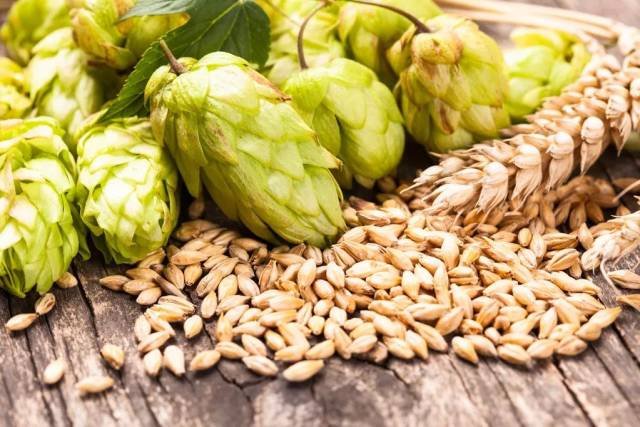
At the heart of malt flavor lies the malting process, a multi-stage procedure that starts with soaking grains (usually barley) in water to allow them to germinate. The process itself triggers a chain reaction that forms the core of the flavors in the finished spirit.

  • Germination: In the malting process, grains are soaked in water to begin germination, activating natural enzymes in the barley. These enzymes break down the starch in the barley into simpler sugars, mainly maltose, which is essential for fermentation. This is the key moment when malt flavor begins to develop, as the sugars formed during this process are the building blocks for the sweetness and complexity we associate with maltiness.
  • Drying: After germination, the barley is dried in a kiln to halt the process and preserve the sugars. The degree to which the barley is dried, and whether it is smoked, affects the depth and richness of the malt flavor. For example, peated Scotch whiskies use peat fires to smoke the barley, adding a distinct earthy, smoky element to the malt flavor.

3. Fermentation: The Transformation of Malt Sugars into Alcohol

Once the barley is malted, it is combined with water to create a mixture called mash. This is where the next stage of the process begins—the conversion of malt sugars into alcohol. Yeast is added to the mash during fermentation, and the sugars are transformed into ethanol (alcohol) and carbon dioxide. This process further enhances and develops the malt flavor.

  • Yeast’s Role: The specific strain of yeast used in fermentation plays a key role in shaping the flavor profile of the spirit. Yeast strains produce various compounds during fermentation, including esters, which contribute fruity or floral notes, and higher alcohols (such as fusel oils) that add complexity and warmth to the flavor. These compounds interact with the malt sugars and contribute to the overall maltiness of the finished spirit.
  • Fermentation Time: The length of fermentation also influences the malt flavor. Longer fermentations generally result in a richer, more complex profile, while shorter fermentations tend to result in a cleaner, more refined flavor.
4. Distillation: Refining and Concentrating the Malt Flavor

The next key step in the production of grain spirits is distillation, where the fermented liquid is heated to separate the alcohol from the other components, such as water, esters, and fusel oils. The process of distillation further refines and concentrates the malt flavor.

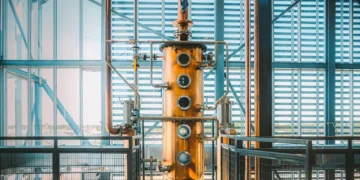
  • Pot Still Distillation: In traditional pot still distillation, which is commonly used for whiskeys, the malt flavor is further enhanced and refined. Pot stills are known for creating spirits with a fuller body, allowing more flavors and aromas to remain in the final product. This method preserves the grain-forward, malt-rich qualities of the spirit.
  • Column Still Distillation: Column stills typically produce a more neutral, clean spirit. While some malt character remains, the process tends to strip away much of the grain flavors. However, column stills can be used to create lighter spirits that still showcase some of the malt sweetness.
  • Heads, Hearts, and Tails: During distillation, the spirit is separated into heads, hearts, and tails. The hearts contain the cleanest, most desirable alcohol, which will carry the malt flavor most distinctly. The heads and tails, on the other hand, contain unwanted compounds that can impart undesirable flavors.

5. Aging: Wood’s Influence on Malt Flavors

For many grain spirits, especially whiskeys, the aging process is where the malt flavor can either deepen or evolve in interesting ways. The wood in which the spirit is aged plays a crucial role in this transformation.

  • Oak Barrels: The majority of spirits like whiskey are aged in oak barrels, which impart additional flavors, such as vanilla, caramel, and spice, into the spirit. Over time, the interaction between the spirit and the wood enhances the maltiness and can create more complex flavors. For instance, aging in charred oak can bring out notes of smoky caramel, while sherry casks or bourbon barrels can add fruity or spicy undertones to the malt.
  • Aging Duration: The length of aging also matters. In general, the longer the whiskey is aged, the more mature and rounded the malt flavors will become. A longer maturation period in oak barrels can allow the malt flavors to evolve, taking on deeper nutty, toasty, and richly caramelized notes.
  • Climate: The aging process is also influenced by the climate in which the spirit is stored. In warmer climates, the whiskey may mature faster, extracting more wood flavors that enhance the maltiness. In cooler climates, the maturation process may be slower, allowing more subtle malt flavors to develop over time.

6. Conclusion: The Evolution of Malt Flavor in Grain Spirits

The “malt flavor” in grain spirits is the result of a series of interconnected processes, starting with the malting of the grain, followed by fermentation, distillation, and aging. Each step contributes to the development and refinement of the maltiness in the final spirit.

  • Malting lays the foundation by breaking down starches into sugars, which impart sweetness and complexity.
  • Fermentation helps develop fruity and spicy notes that complement the malt.
  • Distillation refines the malt flavor, concentrating the desirable characteristics.
  • Aging in wood barrels allows the malt flavor to evolve, picking up additional nuances from the wood.

Ultimately, the malt flavor in a grain spirit is shaped by a combination of raw materials, production techniques, and maturation conditions. This complexity is what makes malt-based spirits like whiskey so interesting, offering a diverse array of flavors and textures for aficionados to explore.

By understanding the origins of malt flavor, we can better appreciate the subtle complexities that these spirits offer and begin to identify the nuances that make each expression unique.
Tags: CultureFamous brand winegrain spiritsHealthHistoryInnovationluxurytaste
ShareTweetShare

Related Posts

Can Beer Be an Effective Ingredient in Culinary Cooking?
ALL

Can Beer Be an Effective Ingredient in Culinary Cooking?

January 22, 2026
Second Fermentation in Champagne: Is It Really That Crucial?
ALL

Second Fermentation in Champagne: Is It Really That Crucial?

January 22, 2026
How Do Different Grains Impact the Flavor Profile of Distilled Spirits?
ALL

How Do Different Grains Impact the Flavor Profile of Distilled Spirits?

January 22, 2026
How Do Whiskey Master Blenders Create Perfection?
ALL

How Do Whiskey Master Blenders Create Perfection?

January 22, 2026
Wine Pairings: Can They Change the Flavor Profile of a Dish?
ALL

Wine Pairings: Can They Change the Flavor Profile of a Dish?

January 22, 2026
Beer the Ultimate Beverage for Pairing with Spicy Food?
ALL

Beer the Ultimate Beverage for Pairing with Spicy Food?

January 21, 2026
Leave Comment
  • Trending
  • Comments
  • Latest
What Hidden Craftsmanship Lies Behind a Bottle of Quality Grain Spirits?

What Hidden Craftsmanship Lies Behind a Bottle of Quality Grain Spirits?

July 3, 2025
How Is Champagne Made? The Secrets Behind the Sparkle

How Is Champagne Made? The Secrets Behind the Sparkle

April 15, 2025
Grain Spirits vs. Traditional Distilled Spirits: Which One Suits Your Taste?

Grain Spirits vs. Traditional Distilled Spirits: Which One Suits Your Taste?

July 3, 2025
Champagne Bubbles: How Do They Perfectly Convey Celebration, Joy, and Luxury?

Champagne Bubbles: How Do They Perfectly Convey Celebration, Joy, and Luxury?

July 2, 2025
The Timeless Elegance of Wine: A Journey Through History and Culture

The Timeless Elegance of Wine: A Journey Through History and Culture

Why Is Château Lafite Rothschild the Pinnacle of Fine Wine?

Why Is Château Lafite Rothschild the Pinnacle of Fine Wine?

How Did Château Lafite Rothschild Become a Global Icon of Luxury?

How Did Château Lafite Rothschild Become a Global Icon of Luxury?

What Makes Chateau Lafite Rothschild the Pinnacle of Bordeaux Wines?

What Makes Chateau Lafite Rothschild the Pinnacle of Bordeaux Wines?

Can Beer Be an Effective Ingredient in Culinary Cooking?

Can Beer Be an Effective Ingredient in Culinary Cooking?

January 22, 2026
Second Fermentation in Champagne: Is It Really That Crucial?

Second Fermentation in Champagne: Is It Really That Crucial?

January 22, 2026
How Do Different Grains Impact the Flavor Profile of Distilled Spirits?

How Do Different Grains Impact the Flavor Profile of Distilled Spirits?

January 22, 2026
How Do Whiskey Master Blenders Create Perfection?

How Do Whiskey Master Blenders Create Perfection?

January 22, 2026
SipsavorLife

Welcome to our comprehensive beverage guide, where you can explore the fascinating world of alcoholic drinks. From exquisite wines and rich whiskeys to refreshing beers and sparkling champagnes, we provide insights, tips, and recommendations for enthusiasts and casual drinkers alike. Discover your next favorite libation with us!

© 2025 sipsavorlife.com. contacts:sipsavorlife-35376@gmail.com

No Result
View All Result
  • Home
  • Wine
  • Whiskey
  • Beer
  • Grain Spirits
  • Champagne
  • ALL

© 2025 sipsavorlife.com. contacts:sipsavorlife-35376@gmail.com

Welcome Back!

Login to your account below

Forgotten Password?

Retrieve your password

Please enter your username or email address to reset your password.

Log In