
















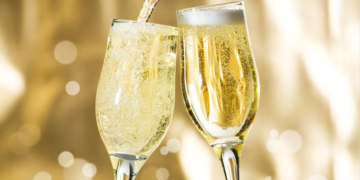

Champagne has long been a symbol of celebration, often associated with toasts, special occasions, and appetizers. Its light, bubbly effervescence and crisp flavor have made it a go-to drink for starting a meal or marking a festive moment. However, Champagne’s versatility goes far beyond its traditional role as an aperitif. As the world of food and drink continues to evolve, so too does the role Champagne can play in pairing with various types of meals. In this article, we’ll explore the possibility of pairing Champagne with a wide array of dishes, from seafood and sushi to even rich chocolate desserts. Let’s delve into why Champagne is much more than just a drink for finger foods and discover how it can be paired with meals to elevate the dining experience.
Champagne Beyond Appetizers: A Shift in Pairing Philosophy
Historically, Champagne has been enjoyed primarily as an aperitif, served with finger foods such as cheese, pâté, olives, or smoked salmon. The high acidity and effervescence of Champagne were thought to stimulate the appetite and provide a refreshing contrast to rich or salty snacks. However, in recent years, there has been a growing trend in the culinary world to treat Champagne as a versatile wine that can be paired with a wide range of dishes, not just appetizers.
Champagne’s balance of acidity, effervescence, and complex flavors makes it a surprisingly adaptable partner for many different types of food. The lightness of Champagne can cut through rich, fatty dishes, while its complexity can complement delicate flavors. This newfound appreciation for Champagne as a versatile pairing choice is driving more innovative and adventurous pairings.
Champagne with Seafood: A Natural Pairing
One of the most popular and classic pairings with Champagne is seafood. The crispness and freshness of Champagne beautifully complement the delicate and often briny flavors of seafood, creating a harmonious balance of textures and tastes. From oysters to lobster, Champagne has the acidity and effervescence to pair perfectly with a variety of seafood dishes.
1. Oysters and Champagne: The Quintessential Pairing
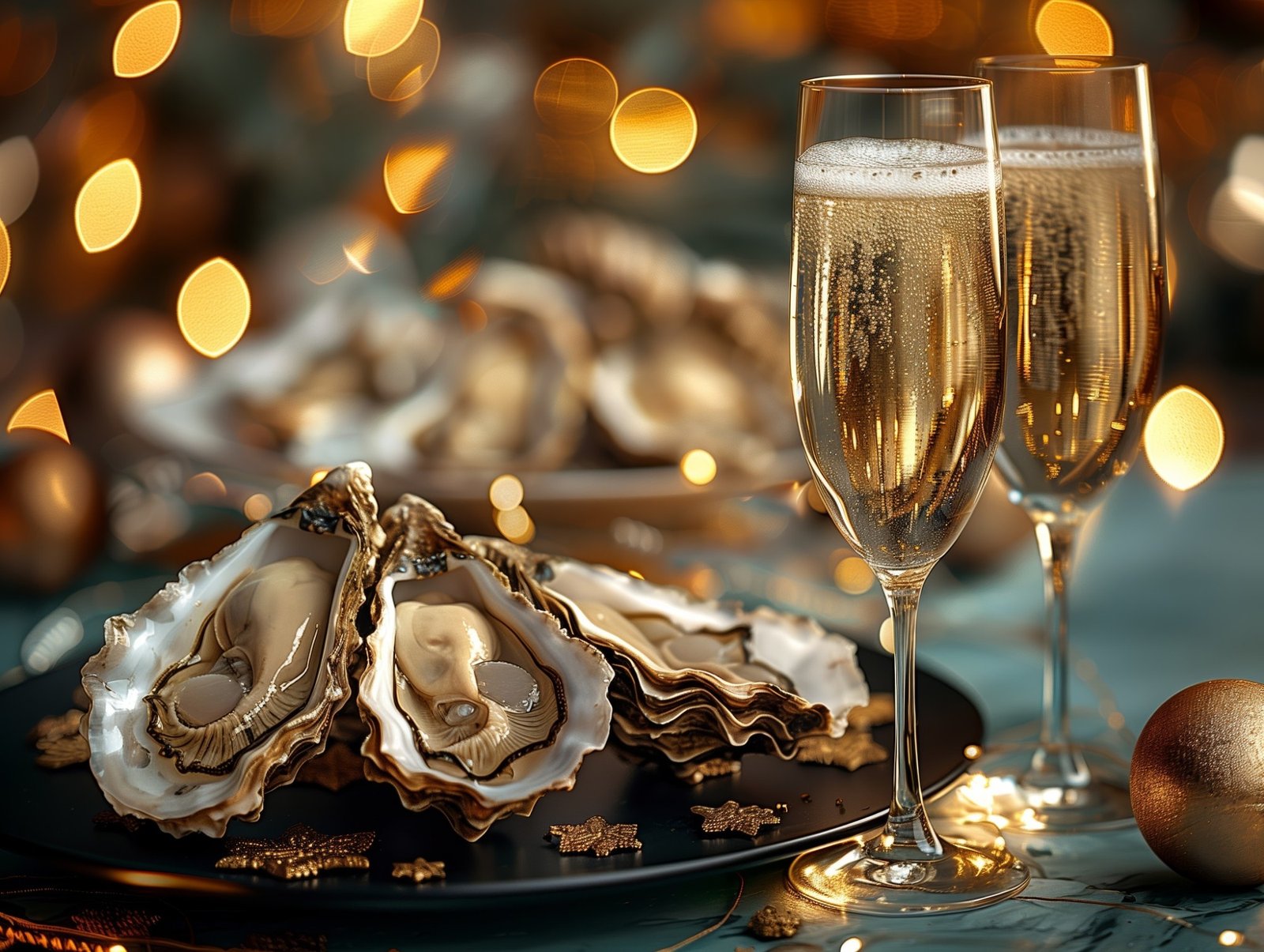
Oysters are often considered the epitome of luxury and indulgence, and Champagne is their natural companion. The briny, mineral quality of oysters is beautifully offset by the crisp acidity of Champagne. The effervescence also works to cleanse the palate between bites, enhancing the enjoyment of both the oysters and the drink.
Champagnes with higher acidity, such as Brut or Extra Brut, work best with oysters, as their crispness helps to balance the oceanic flavors of the seafood. Classic combinations, such as oysters served with a squeeze of lemon or a touch of mignonette sauce, are enhanced by a well-chosen Champagne.
2. Lobster and Champagne: A Decadent Duo
Lobster, with its rich and buttery texture, pairs wonderfully with Champagne, especially those with a touch of sweetness. The richness of lobster is complemented by the effervescence of the Champagne, while the acidity of the wine helps cut through the lobster’s natural fat, creating a delightful balance.
For lobster dishes served with butter or cream sauces, a Champagne with a slightly higher dosage (such as a Demi-Sec) can work beautifully to enhance the sweetness of the dish. Alternatively, a Blanc de Blancs Champagne, made from 100% Chardonnay, offers a more delicate and nuanced pairing that highlights the lobster’s natural sweetness without overpowering it.
3. Sushi and Champagne: A Fusion of Flavors
Sushi, particularly those featuring fish such as tuna, salmon, and yellowtail, pairs surprisingly well with Champagne. The clean, fresh flavors of sushi are complemented by the crispness and effervescence of Champagne, creating a light and refreshing contrast.
For sushi, a Brut or Extra Brut Champagne is the best choice, as it enhances the delicate flavors of the fish without overwhelming them. The slight sweetness in some Champagne styles can also complement the umami of soy sauce, making the pairing feel balanced and refined.
Champagne with Richer Dishes: Surprising Pairings
While Champagne is often associated with light and delicate foods, it can also be paired with more substantial, rich dishes. The wine’s effervescence and acidity make it an ideal partner for fatty, heavy foods, as it cuts through richness and refreshes the palate between bites. Here are a few unexpected pairings that challenge the traditional notion of Champagne as an appetizer-only beverage.
1. Champagne with Fried Foods: A Crispy Delight
Fried foods are often difficult to pair with wine because the oil and batter can overwhelm most beverages. However, Champagne’s high acidity and bubbles make it a surprisingly perfect match for crispy, fried dishes. Whether it’s fried chicken, tempura, or even French fries, Champagne’s effervescence helps to break through the greasiness, providing a refreshing contrast.
For fried dishes, a Brut Champagne with a good amount of acidity is ideal. It will cut through the fat and provide balance, while the effervescence helps refresh the palate. The lightness of Champagne also prevents the pairing from becoming too heavy, allowing the flavors of the fried food to shine.
2. Champagne with Charcuterie: An Elevated Experience
Charcuterie boards, which typically include a variety of cured meats, cheeses, and pickled vegetables, are a popular pairing for Champagne. The combination of salty, fatty, and tangy flavors found in charcuterie works beautifully with Champagne’s crisp acidity and refreshing bubbles.
For a more elevated pairing experience, try pairing Champagne with a rich pâté or a charcuterie board that includes aged cheeses like Comté, Gruyère, or Manchego. A Brut or Extra Brut Champagne complements the savory elements of the meats and cheeses while cutting through the richness. Additionally, the acidity of the Champagne enhances the tanginess of the pickles and mustard, rounding out the pairing.
3. Champagne with Cheese: More Than Just Brie
While Brie and other soft cheeses are well-known Champagne pairings, the versatility of Champagne means it can be paired with a wide range of cheeses, from creamy to blue. The key to a successful cheese and Champagne pairing is to consider the richness and texture of the cheese as well as the Champagne style.
For example, a dry Champagne like Brut works wonderfully with aged cheeses such as Parmigiano-Reggiano or Comté, where the wine’s acidity complements the savory, nutty flavors of the cheese. For blue cheeses like Roquefort or Stilton, a sweeter Champagne like Demi-Sec can be used to balance the pungency and saltiness of the cheese. The effervescence also helps cleanse the palate between bites, making the pairing more enjoyable.
Champagne with Dessert: A Sweet and Elegant Finale
Champagne is often thought of as a celebratory drink, and what better way to cap off a special meal than with a Champagne dessert pairing? While many people automatically reach for red wine with chocolate or port with cheese, Champagne offers a refreshing and elegant alternative when it comes to dessert pairings.
1. Champagne with Chocolate: A Luxurious Combination
Chocolate and Champagne might seem like an unlikely pairing, but the two can complement each other beautifully. The rich, complex flavors of dark chocolate are perfectly balanced by the light, effervescent nature of Champagne, while the wine’s acidity cuts through the sweetness of milk chocolate or the bitterness of dark chocolate.
For a perfect pairing, try a Demi-Sec or Sec Champagne with milk chocolate, as the slight sweetness of the Champagne enhances the chocolate’s creamy texture. For dark chocolate, a Brut Champagne is ideal, as the wine’s acidity helps balance the bitterness and brings out the chocolate’s deep flavors.
2. Champagne with Fruit-Based Desserts: A Refreshing Touch
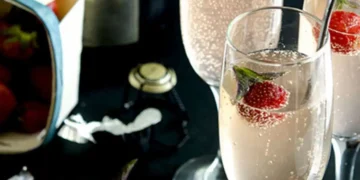
Fruit-based desserts, such as tarts, sorbets, or fresh berries, pair wonderfully with Champagne. The wine’s crisp acidity and bubbles enhance the fresh, natural sweetness of the fruit while providing a refreshing contrast to any creamy elements of the dessert.
For fruit-based desserts, a Brut or Extra Brut Champagne is the best choice. Its high acidity will complement the tartness of fruits like raspberries, citrus, or apples, while the effervescence will cleanse the palate between bites, allowing you to savor the flavors of the dish.
Champagne: A Versatile Drink for Every Meal
As we have seen, Champagne is much more than just an aperitif or a drink for finger foods. Its effervescence, acidity, and complexity make it an incredibly versatile beverage that can enhance a wide variety of dishes, from seafood and sushi to fried foods, cheese, and even dessert. With its ability to balance rich, fatty flavors and complement delicate, light dishes, Champagne is an excellent choice for any meal or occasion.
Whether you are hosting a dinner party or simply enjoying a quiet meal at home, Champagne offers endless possibilities for pairing. It’s time to think beyond the appetizers and explore the full range of pairings that Champagne can offer. From the first course to the final bite, Champagne can elevate any dining experience with its elegance, effervescence, and versatility.