Introduction: A Spirit in Transition
For generations, whisky was defined by tradition.
It was associated with older consumers, formal rituals, and a sense of seriousness that often made it feel inaccessible to newcomers. The image was clear: dimly lit rooms, slow sipping, and an almost reverent approach to drinking.
Today, that image is changing.
A new generation of consumers is entering the whisky world—and they are not simply adopting existing traditions. They are reshaping them.
Whisky is evolving from a symbol of tradition into a dynamic, lifestyle-driven product. It is becoming more approachable, more diverse, and more aligned with modern ways of living.
From Tradition to Lifestyle
Historically, whisky consumption followed a structured pattern:
- Neat pours
- Formal settings
- Established etiquette
Younger consumers are moving away from rigid rules.
Instead, they prioritize:
- Personal enjoyment
- Flexibility
- Social experience
Whisky is no longer confined to tradition—it is integrated into everyday life.
The Influence of Social Media
Platforms like TikTok and Instagram have transformed whisky culture.
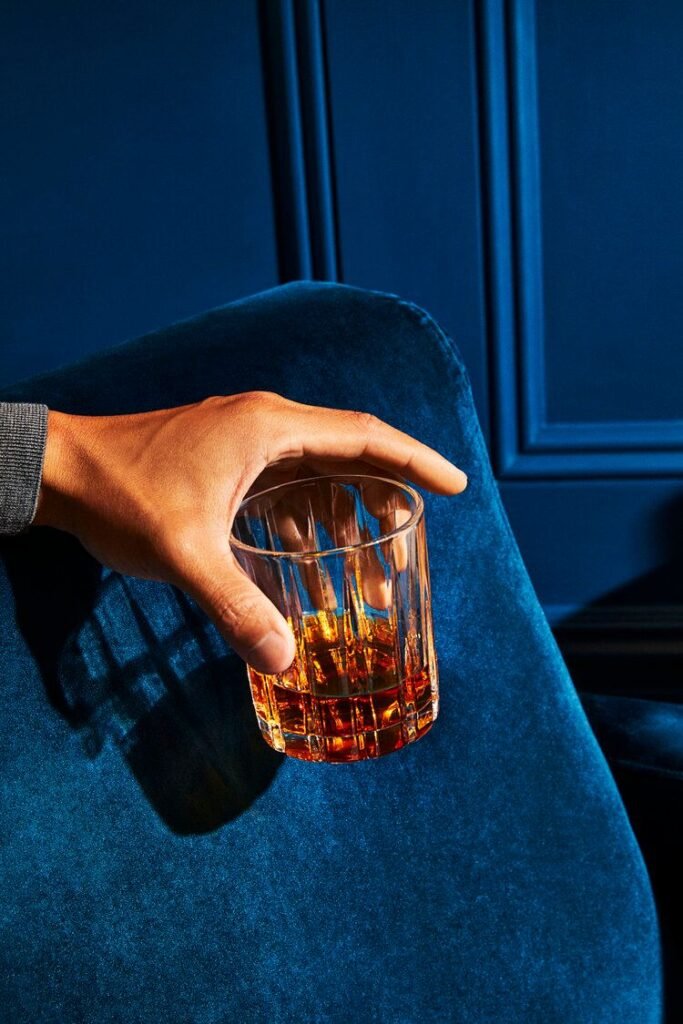
Whisky is no longer just tasted—it is presented, shared, and experienced visually.
Key changes include:
- Aesthetic presentation of bottles and glasses
- Short-form educational content
- Lifestyle storytelling
This shift has made whisky more accessible to younger audiences.
The Rise of Whisky Content Creators
Traditionally, whisky knowledge was controlled by experts and institutions.
Now, content creators are redefining education.
They:
- Simplify complex topics
- Share personal experiences
- Remove intimidation
This democratization allows more people to engage with whisky without feeling excluded.
Changing Taste Preferences
Younger consumers are exploring different flavor profiles.
Trends include:
- Preference for smoother, more approachable styles
- Interest in unique and experimental flavors
- Openness to global whisky varieties
Taste is becoming more diverse and less constrained by tradition.
The Cocktail Renaissance
Whisky is no longer limited to neat drinking.
It is increasingly used in cocktails.
This shift:
- Expands its versatility
- Attracts new consumers
- Reduces intimidation
Classic and modern cocktails alike are introducing whisky to broader audiences.
Premiumization and Accessibility
Interestingly, two opposing trends are happening simultaneously:
1. Premiumization
Consumers are willing to spend more on:
- High-quality products
- Unique releases
- Limited editions
2. Accessibility
At the same time, there is demand for:
- Affordable options
- Entry-level products
- Transparent pricing
Brands must balance exclusivity with inclusivity.
Sustainability and Ethical Consumption
Sustainability is becoming increasingly important.
Consumers are paying attention to:
- Production methods
- Environmental impact
- Packaging
Brands that align with these values gain trust and loyalty.
Packaging Innovation
Traditional whisky packaging is evolving.
New approaches include:
- Minimalist design
- Eco-friendly materials
- Portable formats
Packaging is no longer just functional—it is part of the brand experience.
Whisky as Identity
For younger consumers, whisky is more than a drink.
It is a form of self-expression.
Choices reflect:
- Personal taste
- Lifestyle
- Values
This transforms consumption into identity signaling.
Breaking the Intimidation Barrier
One of the most important shifts is the removal of intimidation.
Modern whisky culture emphasizes:
- Inclusivity
- Simplicity
- Exploration
This invites new consumers into the category.
The Role of Price Sensitivity
Younger consumers are more price-aware.
They seek:
- Value for money
- Honest branding
- Clear positioning
This challenges traditional pricing strategies.
Digital Commerce and Discovery
Online platforms have transformed how whisky is discovered and purchased.
Consumers can:
- Research products
- Compare options
- Buy directly
This reduces dependence on traditional retail.
The Experience Economy
Whisky is increasingly tied to experiences:
- Tastings
- Events
- Travel
Consumers value moments, not just products.
Globalization of Whisky Culture
Exposure to international whisky styles is growing.
Consumers are exploring:
- Different regions
- New flavor profiles
- Diverse production methods
This broadens the category.
Challenges for the Industry
Despite growth, challenges remain:
1. Competition
Other beverages compete for attention.
2. Changing Drinking Habits
Younger generations may drink less overall.
3. Maintaining Authenticity
Balancing innovation with tradition is complex.
Opportunities for Brands
To succeed, brands must:
- Communicate clearly
- Engage digitally
- Offer authentic stories
- Innovate responsibly
Understanding the modern consumer is essential.
Whisky Content as a Business Opportunity
The transformation of whisky culture creates opportunities beyond production.
Content creators can build platforms around:
- Education
- Reviews
- Lifestyle integration
Monetization options include:
- Affiliate marketing
- Brand partnerships
- Digital products
The Future of Whisky
Whisky is becoming:
- More inclusive
- More flexible
- More experience-driven
Tradition will remain—but it will evolve.
Conclusion: A New Era of Whisky
Whisky is no longer defined solely by its past.
A new generation is shaping its future.
They are making whisky:
- More accessible
- More personal
- More relevant
And in doing so, they are ensuring that whisky remains not just a legacy—
But a living, evolving culture.