







SipsavorLife
  • Home
  • Wine
    The History, Culture, and Global Influence of Humanity’s Most Celebrated Beverage

    The Wine Revolution: How Modern Winemaking Transformed a Global Industry

    The History, Culture, and Global Influence of Humanity’s Most Celebrated Beverage

    Wine Styles of the World: A Complete Guide to Red, White, Rosé, Sparkling, and Fortified Wines

    The History, Culture, and Global Influence of Humanity’s Most Celebrated Beverage

    The Global Wine Industry: Markets, Trade, Tourism, and Economic Impact

    The History, Culture, and Global Influence of Humanity’s Most Celebrated Beverage

    The Science of Wine: Grapes, Fermentation, and Flavor Development

    The History, Culture, and Global Influence of Humanity’s Most Celebrated Beverage

    The History, Culture, and Global Influence of Humanity’s Most Celebrated Beverage

    The Cultural History of Wine: From Ancient Rituals to Modern Luxury

    The Psychology of Wine: Why Humans Associate Wine with Emotion, Memory, and Identity

  • Whiskey
    Can Beer Be an Effective Ingredient in Culinary Cooking?

    Can Beer Be an Effective Ingredient in Culinary Cooking?

    Second Fermentation in Champagne: Is It Really That Crucial?

    Second Fermentation in Champagne: Is It Really That Crucial?

    How Do Different Grains Impact the Flavor Profile of Distilled Spirits?

    How Do Different Grains Impact the Flavor Profile of Distilled Spirits?

    How Do Whiskey Master Blenders Create Perfection?

    How Do Whiskey Master Blenders Create Perfection?

    Wine Pairings: Can They Change the Flavor Profile of a Dish?

    Wine Pairings: Can They Change the Flavor Profile of a Dish?

    Beer the Ultimate Beverage for Pairing with Spicy Food?

    Beer the Ultimate Beverage for Pairing with Spicy Food?

  • Beer
    Malt Beer: Why Does Its Sweet Malty Aroma Always Bring Endless Satisfaction?

    The Craft Beer Revolution: How Independent Breweries Changed the World of Beer

    Beer: The World’s Oldest and Most Influential Beverage

    Beer Styles of the World: A Complete Guide to Lager, Ale, Stout, IPA, and Beyond

    Beer: The World’s Oldest and Most Influential Beverage

    The Global Beer Industry: Markets, Brands, and Economic Impact

    Beer: The World’s Oldest and Most Influential Beverage

    The Science of Beer: Ingredients, Fermentation, and Flavor

    Beer: The World’s Oldest and Most Influential Beverage

    Beer: The World’s Oldest and Most Influential Beverage

    Beer as a Cultural and Social Force: From Ancient Brew to Modern Identity

    Women in Brewing: The Untold History and Modern Transformation of Beer Culture

  • Grain Spirits
    Grain Spirits: The Origins, Science, and Global Evolution of Distilled Grain Alcohol

    Bourbon: America’s Native Grain Spirit and the Global Story of Corn, Oak, Fire, and Time

    Grain Spirits: The Origins, Science, and Global Evolution of Distilled Grain Alcohol

    Gin: Botanicals, History, Cocktail Culture, and the Artistic Evolution of the World’s Most Aromatic Grain Spirit

    Grain Spirits: The Origins, Science, and Global Evolution of Distilled Grain Alcohol

    Vodka: The Global Rise of the World’s Most Versatile Grain Spirit

    Grain Spirits: The Origins, Science, and Global Evolution of Distilled Grain Alcohol

    Whiskey and the Soul of Grain Spirits: History, Craftsmanship, Culture, and the Global Rise of the World’s Most Iconic Distilled Grain Beverage

    Grain Spirits: The Origins, Science, and Global Evolution of Distilled Grain Alcohol

    Grain Spirits: The Origins, Science, and Global Evolution of Distilled Grain Alcohol

    Grain Spirits Explained — The Foundation of Global Distillation

    The Future of Grain Spirits — Technology, Sustainability, and the Next Era of Distillation

  • Champagne
    Champagne: The Sparkling Wine That Changed Global Celebration Culture

    Dom Pérignon, Cristal, Krug, and Beyond: The World’s Most Famous Champagne Houses and Their Legacy

    Champagne Beyond Celebration: The History, Craftsmanship, and Global Influence of the World’s Most Iconic Sparkling Wine

    The Future of Champagne: Climate Change, Innovation, Sustainability, and the Next Era of Sparkling Wine

    Champagne Beyond Celebration: The History, Craftsmanship, and Global Influence of the World’s Most Iconic Sparkling Wine

    Champagne and Luxury Culture: How Sparkling Wine Became a Global Symbol of Wealth, Celebration, and Prestige

    Champagne Beyond Celebration: The History, Craftsmanship, and Global Influence of the World’s Most Iconic Sparkling Wine

    The Art of Champagne Production: Inside the Science, Skill, and Tradition Behind Every Bottle

    Champagne Beyond Celebration: The History, Craftsmanship, and Global Influence of the World’s Most Iconic Sparkling Wine

    Champagne Beyond Celebration: The History, Craftsmanship, and Global Influence of the World’s Most Iconic Sparkling Wine

    Champagne: The Sparkling Wine That Changed Global Celebration Culture

    Champagne vs Prosecco vs Cava: How the World’s Sparkling Wines Reflect Culture, Geography, and Taste

  • ALL
    Can Beer Be an Effective Ingredient in Culinary Cooking?

    Can Beer Be an Effective Ingredient in Culinary Cooking?

    Second Fermentation in Champagne: Is It Really That Crucial?

    Second Fermentation in Champagne: Is It Really That Crucial?

    How Do Different Grains Impact the Flavor Profile of Distilled Spirits?

    How Do Different Grains Impact the Flavor Profile of Distilled Spirits?

    How Do Whiskey Master Blenders Create Perfection?

    How Do Whiskey Master Blenders Create Perfection?

    Wine Pairings: Can They Change the Flavor Profile of a Dish?

    Wine Pairings: Can They Change the Flavor Profile of a Dish?

    Beer the Ultimate Beverage for Pairing with Spicy Food?

    Beer the Ultimate Beverage for Pairing with Spicy Food?

SipsavorLife
  • Home
  • Wine
    The History, Culture, and Global Influence of Humanity’s Most Celebrated Beverage

    The Wine Revolution: How Modern Winemaking Transformed a Global Industry

    The History, Culture, and Global Influence of Humanity’s Most Celebrated Beverage

    Wine Styles of the World: A Complete Guide to Red, White, Rosé, Sparkling, and Fortified Wines

    The History, Culture, and Global Influence of Humanity’s Most Celebrated Beverage

    The Global Wine Industry: Markets, Trade, Tourism, and Economic Impact

    The History, Culture, and Global Influence of Humanity’s Most Celebrated Beverage

    The Science of Wine: Grapes, Fermentation, and Flavor Development

    The History, Culture, and Global Influence of Humanity’s Most Celebrated Beverage

    The History, Culture, and Global Influence of Humanity’s Most Celebrated Beverage

    The Cultural History of Wine: From Ancient Rituals to Modern Luxury

    The Psychology of Wine: Why Humans Associate Wine with Emotion, Memory, and Identity

  • Whiskey
    Can Beer Be an Effective Ingredient in Culinary Cooking?

    Can Beer Be an Effective Ingredient in Culinary Cooking?

    Second Fermentation in Champagne: Is It Really That Crucial?

    Second Fermentation in Champagne: Is It Really That Crucial?

    How Do Different Grains Impact the Flavor Profile of Distilled Spirits?

    How Do Different Grains Impact the Flavor Profile of Distilled Spirits?

    How Do Whiskey Master Blenders Create Perfection?

    How Do Whiskey Master Blenders Create Perfection?

    Wine Pairings: Can They Change the Flavor Profile of a Dish?

    Wine Pairings: Can They Change the Flavor Profile of a Dish?

    Beer the Ultimate Beverage for Pairing with Spicy Food?

    Beer the Ultimate Beverage for Pairing with Spicy Food?

  • Beer
    Malt Beer: Why Does Its Sweet Malty Aroma Always Bring Endless Satisfaction?

    The Craft Beer Revolution: How Independent Breweries Changed the World of Beer

    Beer: The World’s Oldest and Most Influential Beverage

    Beer Styles of the World: A Complete Guide to Lager, Ale, Stout, IPA, and Beyond

    Beer: The World’s Oldest and Most Influential Beverage

    The Global Beer Industry: Markets, Brands, and Economic Impact

    Beer: The World’s Oldest and Most Influential Beverage

    The Science of Beer: Ingredients, Fermentation, and Flavor

    Beer: The World’s Oldest and Most Influential Beverage

    Beer: The World’s Oldest and Most Influential Beverage

    Beer as a Cultural and Social Force: From Ancient Brew to Modern Identity

    Women in Brewing: The Untold History and Modern Transformation of Beer Culture

  • Grain Spirits
    Grain Spirits: The Origins, Science, and Global Evolution of Distilled Grain Alcohol

    Bourbon: America’s Native Grain Spirit and the Global Story of Corn, Oak, Fire, and Time

    Grain Spirits: The Origins, Science, and Global Evolution of Distilled Grain Alcohol

    Gin: Botanicals, History, Cocktail Culture, and the Artistic Evolution of the World’s Most Aromatic Grain Spirit

    Grain Spirits: The Origins, Science, and Global Evolution of Distilled Grain Alcohol

    Vodka: The Global Rise of the World’s Most Versatile Grain Spirit

    Grain Spirits: The Origins, Science, and Global Evolution of Distilled Grain Alcohol

    Whiskey and the Soul of Grain Spirits: History, Craftsmanship, Culture, and the Global Rise of the World’s Most Iconic Distilled Grain Beverage

    Grain Spirits: The Origins, Science, and Global Evolution of Distilled Grain Alcohol

    Grain Spirits: The Origins, Science, and Global Evolution of Distilled Grain Alcohol

    Grain Spirits Explained — The Foundation of Global Distillation

    The Future of Grain Spirits — Technology, Sustainability, and the Next Era of Distillation

  • Champagne
    Champagne: The Sparkling Wine That Changed Global Celebration Culture

    Dom Pérignon, Cristal, Krug, and Beyond: The World’s Most Famous Champagne Houses and Their Legacy

    Champagne Beyond Celebration: The History, Craftsmanship, and Global Influence of the World’s Most Iconic Sparkling Wine

    The Future of Champagne: Climate Change, Innovation, Sustainability, and the Next Era of Sparkling Wine

    Champagne Beyond Celebration: The History, Craftsmanship, and Global Influence of the World’s Most Iconic Sparkling Wine

    Champagne and Luxury Culture: How Sparkling Wine Became a Global Symbol of Wealth, Celebration, and Prestige

    Champagne Beyond Celebration: The History, Craftsmanship, and Global Influence of the World’s Most Iconic Sparkling Wine

    The Art of Champagne Production: Inside the Science, Skill, and Tradition Behind Every Bottle

    Champagne Beyond Celebration: The History, Craftsmanship, and Global Influence of the World’s Most Iconic Sparkling Wine

    Champagne Beyond Celebration: The History, Craftsmanship, and Global Influence of the World’s Most Iconic Sparkling Wine

    Champagne: The Sparkling Wine That Changed Global Celebration Culture

    Champagne vs Prosecco vs Cava: How the World’s Sparkling Wines Reflect Culture, Geography, and Taste

  • ALL
    Can Beer Be an Effective Ingredient in Culinary Cooking?

    Can Beer Be an Effective Ingredient in Culinary Cooking?

    Second Fermentation in Champagne: Is It Really That Crucial?

    Second Fermentation in Champagne: Is It Really That Crucial?

    How Do Different Grains Impact the Flavor Profile of Distilled Spirits?

    How Do Different Grains Impact the Flavor Profile of Distilled Spirits?

    How Do Whiskey Master Blenders Create Perfection?

    How Do Whiskey Master Blenders Create Perfection?

    Wine Pairings: Can They Change the Flavor Profile of a Dish?

    Wine Pairings: Can They Change the Flavor Profile of a Dish?

    Beer the Ultimate Beverage for Pairing with Spicy Food?

    Beer the Ultimate Beverage for Pairing with Spicy Food?

SipsavorLife
No Result
View All Result
Home ALL

Is Whiskey Really Better with Age?

January 16, 2026
in ALL, Whiskey
Is Whiskey Really Better with Age?

Whiskey. Just saying the word evokes a sense of warmth, craftsmanship, and centuries-old tradition. Whether it’s poured neat, sipped over ice, or stirred into a classic cocktail, whiskey has a reputation that precedes it. And perhaps one of the most enduring beliefs in the world of spirits is that whiskey gets better with age. But is that really true? Can we confidently say that a 30-year-old Scotch is universally superior to a 10-year-old? Or is aging more myth than magic? Let’s take a deep dive into the science, art, and lore behind whiskey aging to uncover the truth.


The Origins of Whiskey Aging

To understand why aging matters—or might not—we first need a brief history lesson. Whiskey, in its earliest form, was a product of necessity: a distilled spirit intended to preserve grains and produce something potent and long-lasting. The first written records of whiskey appear in Ireland and Scotland in the 15th century, but the distillation techniques likely go back even further.

Originally, whiskey was stored in whatever barrels were available—often reused wine or sherry casks. Distillers soon noticed that the spirit changed over time. The harsh bite of freshly distilled alcohol softened, taking on a richer aroma and deeper color. This observation marked the beginning of whiskey aging as we know it.

Aging became not just a necessity but a hallmark of quality. Over decades, distillers refined the art of selecting barrels, controlling warehouse conditions, and monitoring the subtle chemical changes that occur as whiskey matures.


The Science Behind Aging

At its core, whiskey aging is a chemical evolution in a wooden barrel. When whiskey enters a cask, it’s a raw, fiery spirit—typically 60–70% alcohol by volume (ABV) for new make spirits. Over time, interaction with the wood and oxygen transforms it into something more complex and palatable.

Wood and Compounds

Most whiskey barrels are made of oak, prized for its strength, porosity, and ability to impart flavor. The wood contains compounds like lignin, tannins, and hemicellulose, which slowly migrate into the liquid over time. Lignin contributes vanillin—a compound that smells like vanilla—while tannins add structure and astringency, and hemicellulose breaks down into sugars that caramelize, giving those signature notes of toffee, caramel, and honey.

Oxidation

Oxidation is another critical factor. As whiskey sits in the barrel, tiny amounts of oxygen seep through the wood, reacting with alcohol and congeners (flavor compounds) to create new aromas. These reactions can enhance fruity, nutty, and floral notes. The slower the oxidation, the more subtle the transformation, which is why climate matters.

Evaporation: The Angel’s Share

During aging, whiskey loses some volume to evaporation—a phenomenon famously called the angel’s share. In cooler climates like Scotland, the annual loss is modest, around 2% per year. In warmer regions, such as Kentucky, it can reach 5–10% per year. Evaporation doesn’t just reduce volume—it concentrates flavors and alcohol, intensifying the character of the spirit.


Does Age Always Mean Better?

Here’s where myths start to collide with reality. While aging can transform whiskey dramatically, older is not automatically better. There are several reasons why:

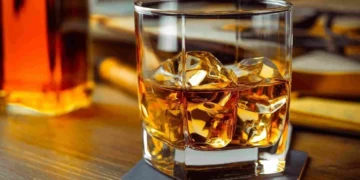
Whiskey tasting glasses – a comparison – The Amber Glass
  1. Over-oaking: After a certain point, the influence of the wood can dominate the spirit, overwhelming delicate flavors. A 25-year-old whiskey might taste heavy or bitter compared to a younger one that is perfectly balanced.
  2. Climate and Storage: Warm climates accelerate chemical reactions. A 10-year-old bourbon from Kentucky may be richer than a 15-year-old Scotch from the cooler Highlands, simply because the environmental conditions change the aging process.
  3. Cask Selection: Not all barrels are equal. A first-fill sherry cask imparts more flavor than a refill bourbon barrel. Two whiskeys of the same age can taste completely different depending on barrel history.
  4. Type of Whiskey: Some styles are meant to be vibrant and youthful. Japanese whiskey, for example, often emphasizes delicate floral notes and may peak earlier than a robust Highland Scotch. Similarly, bourbon’s charred barrels interact differently than the lightly toasted casks often used for single malts.
  5. Personal Taste: Ultimately, “better” is subjective. Some enthusiasts prefer the bold punch of a younger, high-proof whiskey, while others enjoy the subtle nuances that come with decades in the barrel.

Comparing Whiskey by Age: Case Studies

Let’s look at some real-world examples.

Scotch Whisky

Single malt Scotch often carries age statements: 12, 18, 25 years, or more. A 12-year-old malt might exhibit fresh fruit, vanilla, and gentle oak, while an 18-year-old can show rich dried fruit, tobacco, and complex spice. Beyond 25 years, some whiskies develop almost resinous intensity, appealing to a niche audience but not universally loved.

Bourbon

Bourbon often peaks around 8–12 years. Prolonged aging can result in overpowering wood flavors, masking the sweeter corn-based notes that make bourbon unique. Many distillers intentionally release younger expressions to capture bright, lively characteristics.

Rye Whiskey

Rye’s spiciness often benefits from aging, but too much wood can clash with the signature peppery profile. A balanced 6–8-year-old rye can outperform a 15-year-old if the older cask dominates.

Japanese Whiskey

Japanese distillers focus on precision. Age statements are common, but the nuanced interplay of grain, yeast, and wood is often optimized at younger ages. A 10-year-old Japanese whiskey may show elegance that surpasses a 20-year-old one in complexity without heaviness.


Factors That Truly Affect Whiskey Quality

So if age isn’t the only determinant of quality, what else matters?

  1. Distillation Method: Pot stills versus column stills, number of distillations, and cuts all influence flavor intensity and smoothness.
  2. Grain Selection: The type of grain—barley, rye, wheat, or corn—provides the foundation for the spirit’s profile.
  3. Fermentation and Yeast: Different yeast strains generate diverse esters and congeners, which profoundly shape aroma and taste.
  4. Water Source: Subtle mineral content can affect fermentation and mouthfeel.
  5. Blending Skills: Master blenders can combine different ages and casks to create a balanced, complex final product.
  6. Barrel Management: Toast level, char intensity, and reuse strategy can make as much difference as an additional decade in the warehouse.

How to Judge If a Whiskey is Good, Regardless of Age

Instead of relying solely on age statements, whiskey enthusiasts should consider a few key evaluation criteria:

  1. Nose: Swirl gently and inhale. Look for balance between wood, spice, fruit, and floral notes. Too much wood may signal over-aging.
  2. Palate: Take a sip and allow it to coat your mouth. Consider sweetness, bitterness, and spice. Does the whiskey evolve as it lingers?
  3. Finish: The aftertaste reveals much about craftsmanship. A long, integrated finish usually signals careful maturation, not just time.
  4. Complexity: Layered flavors that reveal themselves in stages often indicate thoughtful cask selection and blending.
  5. Harmony: Age should complement, not dominate, the whiskey. Harmony between wood, spirit, and flavor is the ultimate marker of excellence.
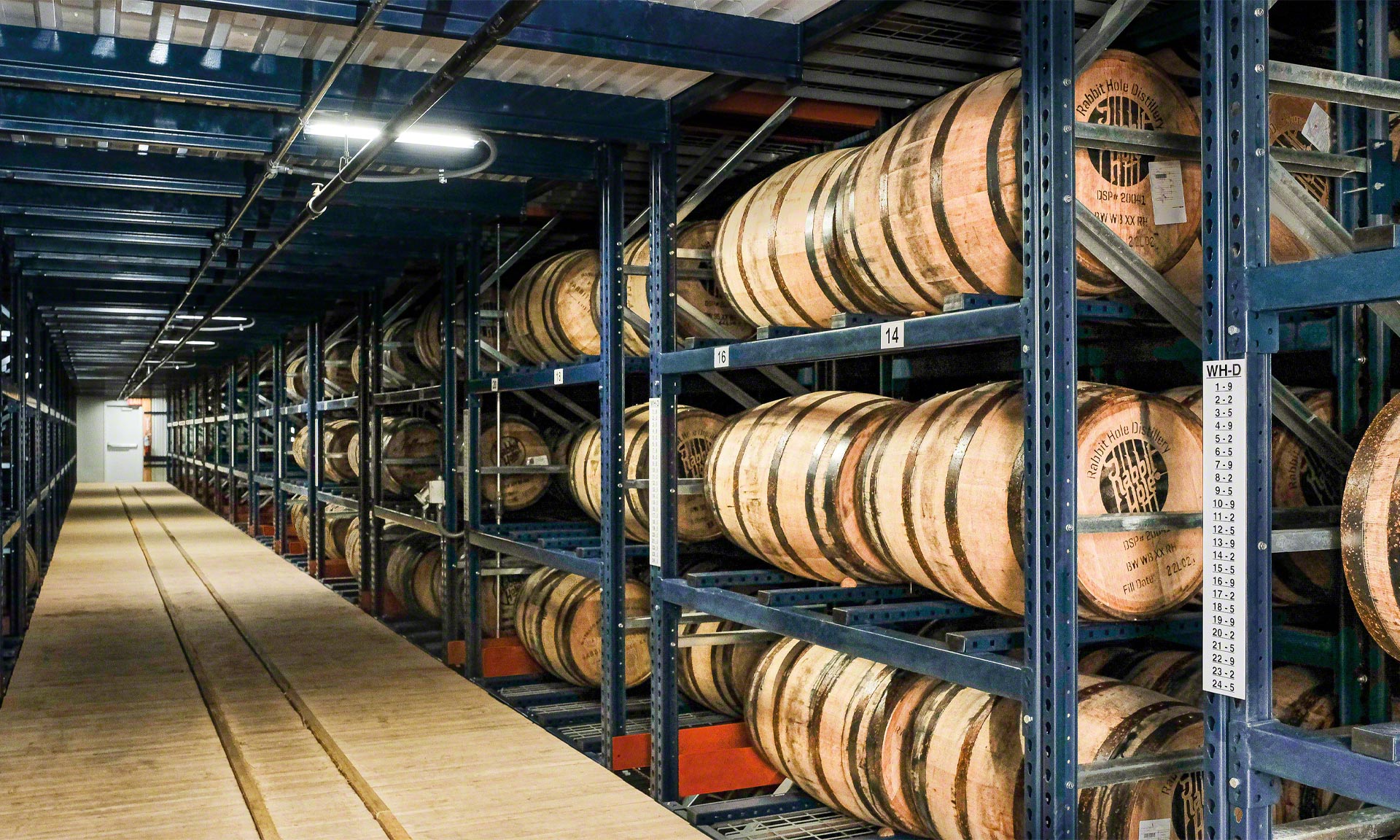
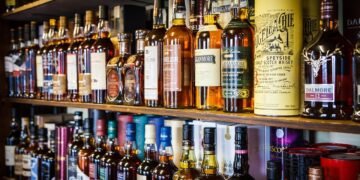
Rabbit Hole's whiskey warehouse - Interlake Mecalux

The Myth of the Age Statement

Many consumers equate higher age with higher quality, partly because marketing reinforces the idea. Age statements can provide a guideline, but they don’t guarantee superiority.

Some distilleries now embrace non-age-statement (NAS) whiskies, blending multiple ages to create balance without being restricted by numbers. NAS whiskies can surprise skeptics with vibrancy and complexity that rival older expressions, challenging the assumption that age equals excellence.


Whiskey Aging Around the World

Different regions approach aging uniquely.

  • Scotland: Cooler climate, slower oxidation, traditional oak casks, emphasis on nuanced complexity.
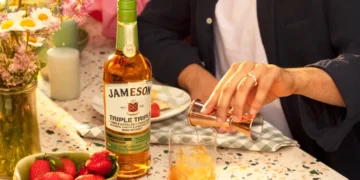
  • Ireland: Often triple-distilled, smooth spirit, typically aged 5–12 years in bourbon or sherry casks.
  • United States: Higher warehouse temperatures accelerate interaction with charred barrels, favoring bold, sweet bourbon profiles.
  • Japan: Innovative cask types, precision-controlled climate, often favors elegance over sheer age.
  • Canada: Generally lighter, rye-forward, often aged in barrels with a focus on smoothness.

Each region demonstrates that environmental factors and distillery philosophy can outweigh pure age when defining quality.


When Age Truly Makes a Difference

Despite the caveats, there are scenarios where age enhances whiskey:

  1. Complexity: Decades in a barrel can develop flavors impossible to replicate in younger spirits.
  2. Smoothness: Harsh alcohol notes mellow over time, creating a silky mouthfeel.
  3. Prestige and Rarity: Older bottles are scarce and collectible, often appreciated for their historical and cultural significance.

But even here, the “right” amount of aging is crucial. More is not always better; there’s a sweet spot where whiskey sings.


Fun Experiments to Try at Home

If you want to explore the age debate personally, here are a few experiments:

  1. Blind Tasting: Compare a 10-year-old, 15-year-old, and 20-year-old whiskey of the same brand without knowing their age. Many tasters are surprised by which they prefer.
  2. Mix with Water: Younger whiskey may open up with a splash of water, revealing hidden layers, while older whiskey can become muted if diluted too much.
  3. Food Pairing: Pair younger whiskey with spicy foods or chocolate to highlight vibrancy; older whiskey pairs well with desserts, nuts, or cheese to emphasize subtlety.

Conclusion: Age is a Factor, Not a Guarantee

So, is whiskey really better with age? The honest answer: sometimes yes, sometimes no. Age influences flavor, smoothness, and aroma, but it’s just one ingredient in a complex equation that includes barrel type, climate, distillation method, grain, yeast, and blending expertise.

Whiskey is ultimately about balance and personal preference. A younger bourbon may thrill a palate with bold corn sweetness and spice, while a 25-year-old Scotch may captivate with layers of dried fruit, oak, and tobacco. Both are valid expressions of craftsmanship.

Instead of chasing the highest age statement, drink what delights you. Explore different regions, styles, and casks. Appreciate the alchemy of wood, spirit, and time, and remember: sometimes a younger whiskey can surprise you more than an ancient one. After all, in whiskey as in life, experience is invaluable—but so is taste.
Tags: bourbonScotch whiskywhiskey agingwhiskey tasting
ShareTweetShare

Related Posts

Why Is Bourbon Only Made in the U.S.?
Whiskey

Luxury Whiskey and the Collector Market: Rarity, Investment, and the Global Obsession

May 24, 2026
The Art of Whiskey: Tradition, Craft, and the Global Renaissance
Whiskey

The Science Behind Aging Whiskey: Time, Wood, Chemistry, and Transformation

May 24, 2026
The Art of Whiskey: Tradition, Craft, and the Global Renaissance
Whiskey

Bourbon Culture in America: History, Identity, and the Spirit of the South

May 24, 2026
The Art of Whiskey: Tradition, Craft, and the Global Renaissance
Whiskey

The Rise of Japanese Whisky: Tradition, Precision, and Global Influence

May 24, 2026
The Art of Whiskey: Tradition, Craft, and the Global Renaissance
Whiskey

The Art of Whiskey: Tradition, Craft, and the Global Renaissance

May 24, 2026
The History of Whisky — From Monastic Origins to Global Industry
Whiskey

The Future of Whisky — Innovation, Sustainability, and Global Trends

April 25, 2026
Leave Comment
  • Trending
  • Comments
  • Latest
Role of Terroir in Champagne Production

Role of Terroir in Champagne Production

January 19, 2026
Champagne Can Be Aged in Wood?

Champagne Can Be Aged in Wood?

January 18, 2026
Is Organic Wine Healthier Than Conventional Wine?

Is Organic Wine Healthier Than Conventional Wine?

January 20, 2026
Why Do Some Champagnes Use a High Proportion of Pinot Meunier?

Why Do Some Champagnes Use a High Proportion of Pinot Meunier?

January 20, 2026
The Timeless Elegance of Wine: A Journey Through History and Culture

The Timeless Elegance of Wine: A Journey Through History and Culture

Why Is Château Lafite Rothschild the Pinnacle of Fine Wine?

Why Is Château Lafite Rothschild the Pinnacle of Fine Wine?

How Did Château Lafite Rothschild Become a Global Icon of Luxury?

How Did Château Lafite Rothschild Become a Global Icon of Luxury?

What Makes Chateau Lafite Rothschild the Pinnacle of Bordeaux Wines?

What Makes Chateau Lafite Rothschild the Pinnacle of Bordeaux Wines?

The History, Culture, and Global Influence of Humanity’s Most Celebrated Beverage

The Wine Revolution: How Modern Winemaking Transformed a Global Industry

June 3, 2026
The History, Culture, and Global Influence of Humanity’s Most Celebrated Beverage

Wine Styles of the World: A Complete Guide to Red, White, Rosé, Sparkling, and Fortified Wines

June 3, 2026
The History, Culture, and Global Influence of Humanity’s Most Celebrated Beverage

The Global Wine Industry: Markets, Trade, Tourism, and Economic Impact

June 3, 2026
The History, Culture, and Global Influence of Humanity’s Most Celebrated Beverage

The Science of Wine: Grapes, Fermentation, and Flavor Development

June 3, 2026
SipsavorLife

Welcome to our comprehensive beverage guide, where you can explore the fascinating world of alcoholic drinks. From exquisite wines and rich whiskeys to refreshing beers and sparkling champagnes, we provide insights, tips, and recommendations for enthusiasts and casual drinkers alike. Discover your next favorite libation with us!

© 2025 sipsavorlife.com. contacts:sipsavorlife-35376@gmail.com

No Result
View All Result
  • Home
  • Wine
  • Whiskey
  • Beer
  • Grain Spirits
  • Champagne
  • ALL

© 2025 sipsavorlife.com. contacts:sipsavorlife-35376@gmail.com

Welcome Back!

Login to your account below

Forgotten Password?

Retrieve your password

Please enter your username or email address to reset your password.

Log In