






























Champagne is synonymous with celebration, glamour, and luxury. Its sparkling effervescence, golden hues, and distinctive cork pop have made it a fixture in moments of joy, from weddings to New Year’s Eve parties. However, in the rush to emphasize the bubbly nature of Champagne, we may overlook one of the most important aspects of this iconic beverage: its identity as a wine first. Understanding Champagne in this context—wine before sparkle—unlocks a deeper appreciation for both its craftsmanship and the complex history behind it.
The Birth of Champagne: A Wine Story
Champagne, a region in northeastern France, is the birthplace of the sparkling wine we call by its namesake. The area’s historical relationship with wine dates back to Roman times, when vines were first planted in the fertile soils of this region. However, the effervescent nature we associate with Champagne today was a later discovery. It wasn’t intentional at first—natural carbonation occurred due to fermentation in the bottle, a phenomenon that was initially considered a flaw.
As the 17th century unfolded, French winemakers began to refine the production process. While the wines produced in the Champagne region were traditionally still wines, it was the introduction of secondary fermentation—often accidentally caused by the cold weather, which slowed fermentation—that gave birth to sparkling Champagne. This process was perfected over time, most notably by pioneers such as Dom Pérignon, who is often mythologized as the inventor of Champagne. In reality, his contributions were more about refining the wine and managing the complex process of fermentation rather than inventing the sparkling phenomenon itself.
Despite its early hiccups, Champagne gradually became associated with higher-quality wines. The region’s terroir—the combination of soil, climate, and human expertise—provided the ideal foundation for producing world-class wine. It was only later, after Champagne was established as a premier wine-producing region, that the characteristic bubbles were recognized as an asset rather than an anomaly.
The Process of Making Champagne: Wine Making First, Sparkling Second
To understand Champagne as wine first, it’s important to look at the methods behind its production. Champagne is made using the traditional method (méthode champenoise), which involves two fermentations. The first is a standard fermentation, where yeast converts sugars into alcohol, resulting in a base wine. Afterward, a secondary fermentation occurs inside the bottle, where yeast and sugar are added to encourage the creation of bubbles. These bubbles are what give Champagne its signature effervescence.
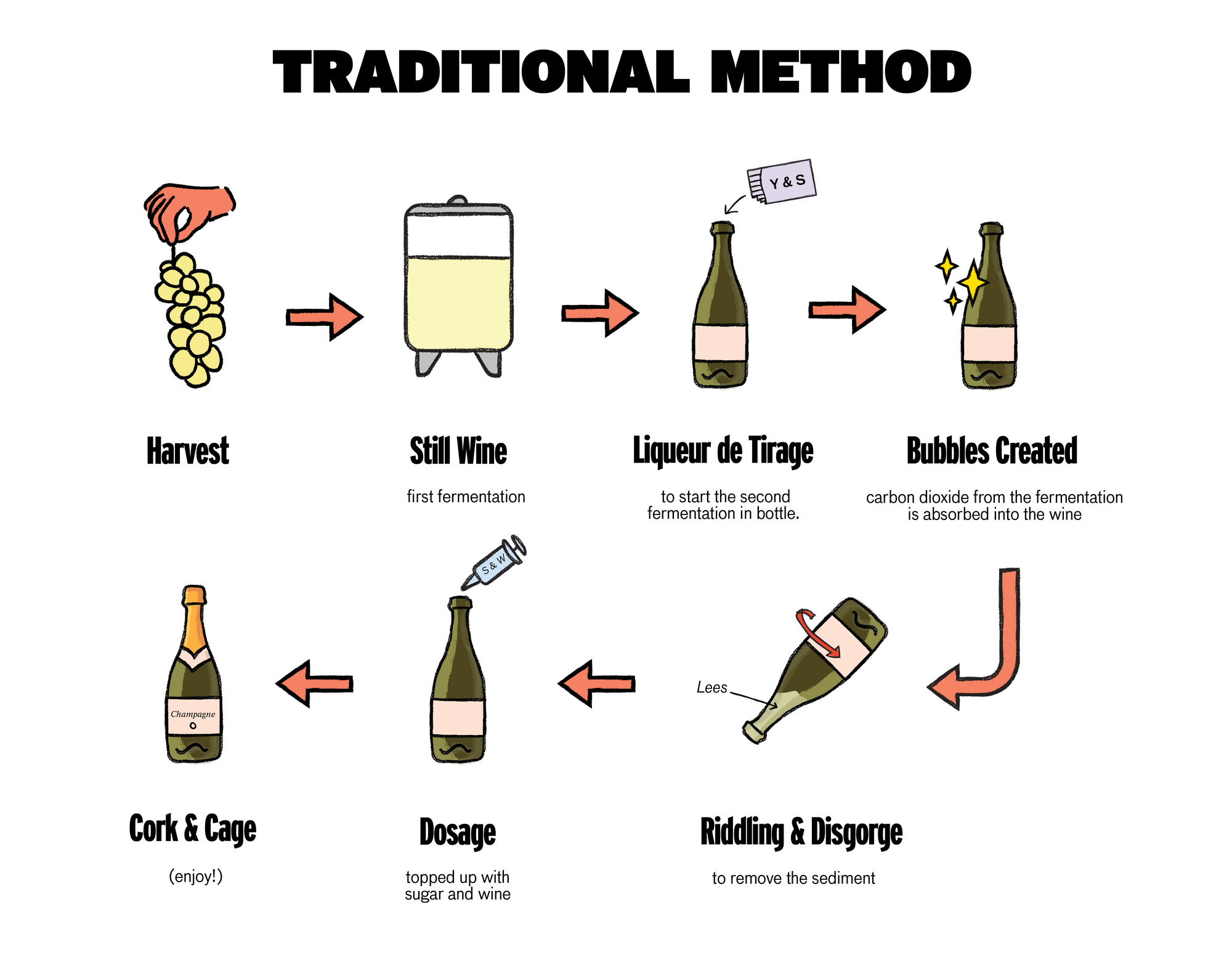
But this sparkling process is not merely a gimmick. The bubbles contribute to the wine’s texture, complexity, and aroma. In fact, the presence of carbon dioxide from the second fermentation helps integrate the flavors and enhances the overall drinking experience. The aging process, which often takes several years, allows the wine to develop a rich array of flavors, from fruity and floral notes to more complex, bready, and toasty characteristics. The texture of the bubbles, too, is a key element in Champagne’s appeal, adding a sense of lightness and sophistication to the wine.
From the careful selection of grape varieties (primarily Pinot Noir, Pinot Meunier, and Chardonnay) to the meticulous blending of different vintages, the focus remains on creating a wine of exceptional quality. The sparkle is merely the finishing touch that elevates the wine’s natural beauty.
Champagne’s Terroir: The Wine’s Role in Its Flavor Profile
The notion that Champagne is “wine first” is also crucial when considering its terroir. Terroir refers to the unique characteristics of a region’s soil, climate, and topography that influence the taste of the wines produced there. Champagne’s terroir plays a significant role in shaping the flavor profiles of its wines.
The region’s cool climate is a defining feature, ensuring that the grapes maintain high acidity, which is essential for creating a fresh, crisp wine. The chalky soil found in Champagne is another key component, providing excellent drainage and reflecting sunlight onto the vines, which contributes to the grapes’ ripening process. The combination of these factors gives Champagne its trademark balance of acidity, minerality, and fruitiness.
Moreover, the Champagne region is home to numerous sub-regions with distinct microclimates. This variability allows for the production of a wide range of Champagnes, from the fresh, citrusy styles of the Montagne de Reims to the fuller, richer expressions found in the Côte des Blancs. When understood as wine, these differences are critical in appreciating the full spectrum of Champagne’s flavor palette.
The Sparkle Factor: How Bubbles Elevate the Wine Experience
While the winemaking process is at the core of Champagne’s identity, it’s hard to ignore the sparkle that makes this wine so captivating. The effervescence is not merely decorative; it plays an important role in enhancing Champagne’s aromatic profile. As the bubbles rise, they carry aromatic compounds to the surface of the wine, allowing the drinker to experience the fragrance in a way that still wines cannot match. The sensation of the bubbles themselves adds a tactile element to the tasting experience, giving Champagne a light, effervescent texture that’s unlike any other wine.

The size and persistence of the bubbles also contribute to the wine’s perceived quality. Champagne with fine, persistent bubbles is considered a mark of excellence. This is why the method of production, particularly the length of time the wine spends in contact with the yeast during secondary fermentation, has such a significant impact on the final product. The longer Champagne ages, the finer and more integrated the bubbles become, creating a smoother, more elegant mouthfeel.
Furthermore, the bubbles act as a natural stimulant for the palate, refreshing the drinker and enhancing the wine’s capacity to pair with food. Champagne’s effervescence makes it an incredibly versatile wine, able to complement a wide range of dishes, from salty snacks and delicate seafood to rich, creamy foods.
Champagne’s Role in Culture and Luxury
While Champagne’s sparkle is integral to its modern-day image, it is the wine’s rich cultural significance that elevates it beyond mere luxury. Champagne has long been a symbol of wealth and status, reserved for life’s most important celebrations. Its association with royalty, heads of state, and global luminaries has cemented its place as the drink of choice for marking special occasions. In a world where luxury goods often come and go, Champagne remains a symbol of refinement, tradition, and indulgence.
The production of Champagne is also deeply tied to a sense of place. The Champagne producers take immense pride in their craftsmanship and the heritage of their region. Many Champagne houses have been in operation for centuries, and their cellars are often steeped in history. Visiting a Champagne house is like taking a journey through time, where the expertise of the winemakers is passed down through generations.
In today’s modern world, Champagne continues to be a luxury product, but it is no longer reserved only for the elite. With the rise of Prosecco and other sparkling wines, Champagne has found a wider audience, yet it retains its status as the benchmark for quality and sophistication in sparkling wines.
Why Wine First? The Case for Reclaiming Champagne’s True Essence
So, why is it essential to consider Champagne as wine first and sparkle second? The answer lies in recognizing the true artistry involved in Champagne production. While the sparkle certainly adds to the wine’s allure, it’s the craftsmanship, terroir, and meticulous process of winemaking that ultimately define its character. By focusing on Champagne’s status as a wine, we return to the roots of its creation—an artisanal beverage made from carefully tended vines, lovingly harvested grapes, and time-honored techniques.
Embracing Champagne as wine first also deepens our understanding of its versatility. As a wine, it can be appreciated on its own merit, with its complex layers of flavor and aroma. The sparkle is simply the finishing touch, enhancing the experience rather than defining it.
Furthermore, this perspective encourages a more nuanced approach to enjoying Champagne. We are invited to savor its richness, its nuances, and its ability to reflect the land from which it originates. Whether enjoyed alone or paired with food, Champagne has much to offer those who are willing to look beyond the bubbles and appreciate it as the exceptional wine it truly is.










