





SipsavorLife
  • Home
  • Wine
    The History, Culture, and Global Influence of Humanity’s Most Celebrated Beverage

    The Wine Revolution: How Modern Winemaking Transformed a Global Industry

    The History, Culture, and Global Influence of Humanity’s Most Celebrated Beverage

    Wine Styles of the World: A Complete Guide to Red, White, Rosé, Sparkling, and Fortified Wines

    The History, Culture, and Global Influence of Humanity’s Most Celebrated Beverage

    The Global Wine Industry: Markets, Trade, Tourism, and Economic Impact

    The History, Culture, and Global Influence of Humanity’s Most Celebrated Beverage

    The Science of Wine: Grapes, Fermentation, and Flavor Development

    The History, Culture, and Global Influence of Humanity’s Most Celebrated Beverage

    The History, Culture, and Global Influence of Humanity’s Most Celebrated Beverage

    The Cultural History of Wine: From Ancient Rituals to Modern Luxury

    The Psychology of Wine: Why Humans Associate Wine with Emotion, Memory, and Identity

  • Whiskey
    Can Beer Be an Effective Ingredient in Culinary Cooking?

    Can Beer Be an Effective Ingredient in Culinary Cooking?

    Second Fermentation in Champagne: Is It Really That Crucial?

    Second Fermentation in Champagne: Is It Really That Crucial?

    How Do Different Grains Impact the Flavor Profile of Distilled Spirits?

    How Do Different Grains Impact the Flavor Profile of Distilled Spirits?

    How Do Whiskey Master Blenders Create Perfection?

    How Do Whiskey Master Blenders Create Perfection?

    Wine Pairings: Can They Change the Flavor Profile of a Dish?

    Wine Pairings: Can They Change the Flavor Profile of a Dish?

    Beer the Ultimate Beverage for Pairing with Spicy Food?

    Beer the Ultimate Beverage for Pairing with Spicy Food?

  • Beer
    Malt Beer: Why Does Its Sweet Malty Aroma Always Bring Endless Satisfaction?

    The Craft Beer Revolution: How Independent Breweries Changed the World of Beer

    Beer: The World’s Oldest and Most Influential Beverage

    Beer Styles of the World: A Complete Guide to Lager, Ale, Stout, IPA, and Beyond

    Beer: The World’s Oldest and Most Influential Beverage

    The Global Beer Industry: Markets, Brands, and Economic Impact

    Beer: The World’s Oldest and Most Influential Beverage

    The Science of Beer: Ingredients, Fermentation, and Flavor

    Beer: The World’s Oldest and Most Influential Beverage

    Beer: The World’s Oldest and Most Influential Beverage

    Beer as a Cultural and Social Force: From Ancient Brew to Modern Identity

    Women in Brewing: The Untold History and Modern Transformation of Beer Culture

  • Grain Spirits
    Grain Spirits: The Origins, Science, and Global Evolution of Distilled Grain Alcohol

    Bourbon: America’s Native Grain Spirit and the Global Story of Corn, Oak, Fire, and Time

    Grain Spirits: The Origins, Science, and Global Evolution of Distilled Grain Alcohol

    Gin: Botanicals, History, Cocktail Culture, and the Artistic Evolution of the World’s Most Aromatic Grain Spirit

    Grain Spirits: The Origins, Science, and Global Evolution of Distilled Grain Alcohol

    Vodka: The Global Rise of the World’s Most Versatile Grain Spirit

    Grain Spirits: The Origins, Science, and Global Evolution of Distilled Grain Alcohol

    Whiskey and the Soul of Grain Spirits: History, Craftsmanship, Culture, and the Global Rise of the World’s Most Iconic Distilled Grain Beverage

    Grain Spirits: The Origins, Science, and Global Evolution of Distilled Grain Alcohol

    Grain Spirits: The Origins, Science, and Global Evolution of Distilled Grain Alcohol

    Grain Spirits Explained — The Foundation of Global Distillation

    The Future of Grain Spirits — Technology, Sustainability, and the Next Era of Distillation

  • Champagne
    Champagne: The Sparkling Wine That Changed Global Celebration Culture

    Dom Pérignon, Cristal, Krug, and Beyond: The World’s Most Famous Champagne Houses and Their Legacy

    Champagne Beyond Celebration: The History, Craftsmanship, and Global Influence of the World’s Most Iconic Sparkling Wine

    The Future of Champagne: Climate Change, Innovation, Sustainability, and the Next Era of Sparkling Wine

    Champagne Beyond Celebration: The History, Craftsmanship, and Global Influence of the World’s Most Iconic Sparkling Wine

    Champagne and Luxury Culture: How Sparkling Wine Became a Global Symbol of Wealth, Celebration, and Prestige

    Champagne Beyond Celebration: The History, Craftsmanship, and Global Influence of the World’s Most Iconic Sparkling Wine

    The Art of Champagne Production: Inside the Science, Skill, and Tradition Behind Every Bottle

    Champagne Beyond Celebration: The History, Craftsmanship, and Global Influence of the World’s Most Iconic Sparkling Wine

    Champagne Beyond Celebration: The History, Craftsmanship, and Global Influence of the World’s Most Iconic Sparkling Wine

    Champagne: The Sparkling Wine That Changed Global Celebration Culture

    Champagne vs Prosecco vs Cava: How the World’s Sparkling Wines Reflect Culture, Geography, and Taste

  • ALL
    Can Beer Be an Effective Ingredient in Culinary Cooking?

    Can Beer Be an Effective Ingredient in Culinary Cooking?

    Second Fermentation in Champagne: Is It Really That Crucial?

    Second Fermentation in Champagne: Is It Really That Crucial?

    How Do Different Grains Impact the Flavor Profile of Distilled Spirits?

    How Do Different Grains Impact the Flavor Profile of Distilled Spirits?

    How Do Whiskey Master Blenders Create Perfection?

    How Do Whiskey Master Blenders Create Perfection?

    Wine Pairings: Can They Change the Flavor Profile of a Dish?

    Wine Pairings: Can They Change the Flavor Profile of a Dish?

    Beer the Ultimate Beverage for Pairing with Spicy Food?

    Beer the Ultimate Beverage for Pairing with Spicy Food?

SipsavorLife
  • Home
  • Wine
    The History, Culture, and Global Influence of Humanity’s Most Celebrated Beverage

    The Wine Revolution: How Modern Winemaking Transformed a Global Industry

    The History, Culture, and Global Influence of Humanity’s Most Celebrated Beverage

    Wine Styles of the World: A Complete Guide to Red, White, Rosé, Sparkling, and Fortified Wines

    The History, Culture, and Global Influence of Humanity’s Most Celebrated Beverage

    The Global Wine Industry: Markets, Trade, Tourism, and Economic Impact

    The History, Culture, and Global Influence of Humanity’s Most Celebrated Beverage

    The Science of Wine: Grapes, Fermentation, and Flavor Development

    The History, Culture, and Global Influence of Humanity’s Most Celebrated Beverage

    The History, Culture, and Global Influence of Humanity’s Most Celebrated Beverage

    The Cultural History of Wine: From Ancient Rituals to Modern Luxury

    The Psychology of Wine: Why Humans Associate Wine with Emotion, Memory, and Identity

  • Whiskey
    Can Beer Be an Effective Ingredient in Culinary Cooking?

    Can Beer Be an Effective Ingredient in Culinary Cooking?

    Second Fermentation in Champagne: Is It Really That Crucial?

    Second Fermentation in Champagne: Is It Really That Crucial?

    How Do Different Grains Impact the Flavor Profile of Distilled Spirits?

    How Do Different Grains Impact the Flavor Profile of Distilled Spirits?

    How Do Whiskey Master Blenders Create Perfection?

    How Do Whiskey Master Blenders Create Perfection?

    Wine Pairings: Can They Change the Flavor Profile of a Dish?

    Wine Pairings: Can They Change the Flavor Profile of a Dish?

    Beer the Ultimate Beverage for Pairing with Spicy Food?

    Beer the Ultimate Beverage for Pairing with Spicy Food?

  • Beer
    Malt Beer: Why Does Its Sweet Malty Aroma Always Bring Endless Satisfaction?

    The Craft Beer Revolution: How Independent Breweries Changed the World of Beer

    Beer: The World’s Oldest and Most Influential Beverage

    Beer Styles of the World: A Complete Guide to Lager, Ale, Stout, IPA, and Beyond

    Beer: The World’s Oldest and Most Influential Beverage

    The Global Beer Industry: Markets, Brands, and Economic Impact

    Beer: The World’s Oldest and Most Influential Beverage

    The Science of Beer: Ingredients, Fermentation, and Flavor

    Beer: The World’s Oldest and Most Influential Beverage

    Beer: The World’s Oldest and Most Influential Beverage

    Beer as a Cultural and Social Force: From Ancient Brew to Modern Identity

    Women in Brewing: The Untold History and Modern Transformation of Beer Culture

  • Grain Spirits
    Grain Spirits: The Origins, Science, and Global Evolution of Distilled Grain Alcohol

    Bourbon: America’s Native Grain Spirit and the Global Story of Corn, Oak, Fire, and Time

    Grain Spirits: The Origins, Science, and Global Evolution of Distilled Grain Alcohol

    Gin: Botanicals, History, Cocktail Culture, and the Artistic Evolution of the World’s Most Aromatic Grain Spirit

    Grain Spirits: The Origins, Science, and Global Evolution of Distilled Grain Alcohol

    Vodka: The Global Rise of the World’s Most Versatile Grain Spirit

    Grain Spirits: The Origins, Science, and Global Evolution of Distilled Grain Alcohol

    Whiskey and the Soul of Grain Spirits: History, Craftsmanship, Culture, and the Global Rise of the World’s Most Iconic Distilled Grain Beverage

    Grain Spirits: The Origins, Science, and Global Evolution of Distilled Grain Alcohol

    Grain Spirits: The Origins, Science, and Global Evolution of Distilled Grain Alcohol

    Grain Spirits Explained — The Foundation of Global Distillation

    The Future of Grain Spirits — Technology, Sustainability, and the Next Era of Distillation

  • Champagne
    Champagne: The Sparkling Wine That Changed Global Celebration Culture

    Dom Pérignon, Cristal, Krug, and Beyond: The World’s Most Famous Champagne Houses and Their Legacy

    Champagne Beyond Celebration: The History, Craftsmanship, and Global Influence of the World’s Most Iconic Sparkling Wine

    The Future of Champagne: Climate Change, Innovation, Sustainability, and the Next Era of Sparkling Wine

    Champagne Beyond Celebration: The History, Craftsmanship, and Global Influence of the World’s Most Iconic Sparkling Wine

    Champagne and Luxury Culture: How Sparkling Wine Became a Global Symbol of Wealth, Celebration, and Prestige

    Champagne Beyond Celebration: The History, Craftsmanship, and Global Influence of the World’s Most Iconic Sparkling Wine

    The Art of Champagne Production: Inside the Science, Skill, and Tradition Behind Every Bottle

    Champagne Beyond Celebration: The History, Craftsmanship, and Global Influence of the World’s Most Iconic Sparkling Wine

    Champagne Beyond Celebration: The History, Craftsmanship, and Global Influence of the World’s Most Iconic Sparkling Wine

    Champagne: The Sparkling Wine That Changed Global Celebration Culture

    Champagne vs Prosecco vs Cava: How the World’s Sparkling Wines Reflect Culture, Geography, and Taste

  • ALL
    Can Beer Be an Effective Ingredient in Culinary Cooking?

    Can Beer Be an Effective Ingredient in Culinary Cooking?

    Second Fermentation in Champagne: Is It Really That Crucial?

    Second Fermentation in Champagne: Is It Really That Crucial?

    How Do Different Grains Impact the Flavor Profile of Distilled Spirits?

    How Do Different Grains Impact the Flavor Profile of Distilled Spirits?

    How Do Whiskey Master Blenders Create Perfection?

    How Do Whiskey Master Blenders Create Perfection?

    Wine Pairings: Can They Change the Flavor Profile of a Dish?

    Wine Pairings: Can They Change the Flavor Profile of a Dish?

    Beer the Ultimate Beverage for Pairing with Spicy Food?

    Beer the Ultimate Beverage for Pairing with Spicy Food?

SipsavorLife
No Result
View All Result
Home ALL

What’s the Best Way to Drink Whiskey?

April 15, 2025
in ALL, Whiskey
What’s the Best Way to Drink Whiskey?

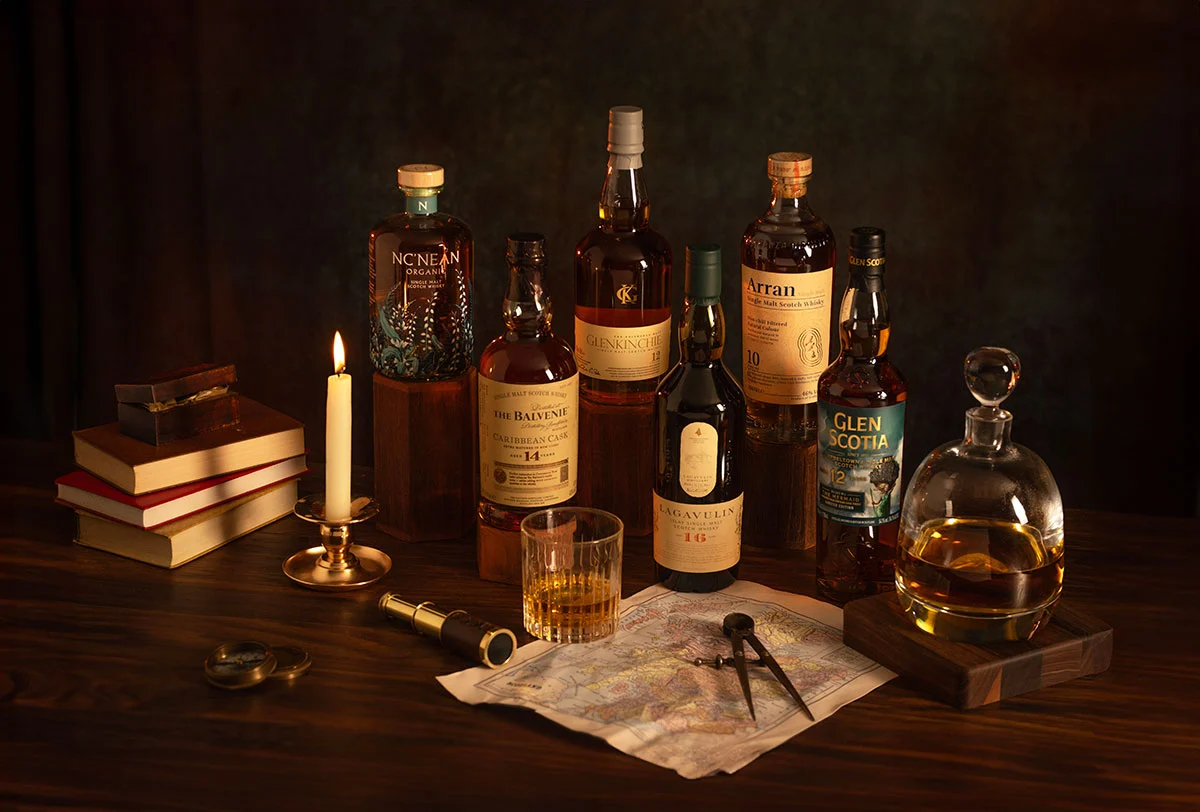
Whiskey is one of the most beloved spirits worldwide, and how you enjoy it can significantly affect the experience. Whether you’re a seasoned whiskey drinker or new to the spirit, understanding the best ways to drink whiskey can elevate your tasting experience and help you appreciate the complexities of this timeless drink. From neat pours to cocktails, whiskey offers a vast range of possibilities for the discerning drinker. But what’s the best way to drink whiskey? This guide will explore various whiskey tasting methods, tips on how to enjoy whiskey at its best, and the factors that influence the flavor profile of the drink.

In this article, we will delve into the different ways to drink whiskey, the importance of glassware, the effects of adding water or ice, and the rituals that enhance your whiskey-tasting experience. Whether you’re savoring a rare single malt or enjoying a classic bourbon, learning how to drink whiskey properly is a journey that will enrich your appreciation of the spirit.

Why the Way You Drink Whiskey Matters

The experience of drinking whiskey involves much more than just consuming alcohol—it’s about savoring the aromas, flavors, and textures of the spirit. The way whiskey is served and consumed can influence its taste and your overall enjoyment. Factors like temperature, dilution, and even glassware play a crucial role in unlocking the full potential of the whiskey you’re drinking.

For many people, whiskey is more than just a drink; it’s an experience to be savored, much like fine wine. From the rich aromas to the deep, complex flavors, whiskey has a lot to offer those who take the time to appreciate its nuances. By understanding how best to drink whiskey, you can unlock an entirely new world of enjoyment.

Different Ways to Drink Whiskey: Neat, On the Rocks, or With Water?

There are many ways to drink whiskey, and each method brings out different aspects of the spirit’s flavor profile. Let’s take a look at some of the most common ways to enjoy whiskey and how each method affects your tasting experience.

Neat: The Purist’s Approach

Drinking whiskey neat is often considered the best way to experience the full range of flavors and aromas in the spirit. When you pour whiskey neat, it’s served at room temperature without any ice, water, or mixers. This allows the full intensity of the whiskey to shine through.

What to Expect: When drinking whiskey neat, the first thing you’ll notice is the strength of the alcohol. However, a good whiskey will also offer a range of flavors that evolve as you sip it. Depending on the type of whiskey (bourbon, Scotch, rye, etc.), you may detect notes of caramel, vanilla, spice, fruit, and even smokiness. The key to enjoying whiskey neat is to take your time and allow the flavors to unfold as the whiskey interacts with your palate.

Why It’s Best for Tasting: Drinking whiskey neat is the ideal way to assess the true characteristics of the spirit. Without the distraction of ice or mixers, you can fully appreciate the aromas, mouthfeel, and taste. Whiskey connoisseurs often prefer this method for tasting because it reveals the complexity and depth of the drink.

On the Rocks: Chilled and Diluted for a Softer Experience

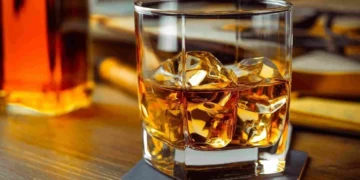
For many whiskey drinkers, adding ice—also known as drinking whiskey “on the rocks”—is a popular choice. Ice chills the whiskey and slightly dilutes it, which can soften the alcohol’s bite and make the drink more approachable.

What to Expect: As the ice melts, the whiskey becomes more diluted, which can mellow out the stronger flavors and bring out more subtle notes. Some people find that the cold helps reduce the intensity of alcohol and enhances the smoothness of the whiskey. Additionally, some whiskeys, especially those that are high-proof or have a strong alcohol presence, can taste more balanced when served on the rocks.

Why It’s Best for Casual Drinking: Drinking whiskey on the rocks is a great option for people who enjoy whiskey but don’t want the alcohol to overwhelm their senses. The ice makes the drink more refreshing, and the gradual dilution changes the whiskey’s flavor profile as you sip, providing a new experience over time.

With Water: Unlocking Hidden Flavors

Adding a small amount of water to your whiskey is a method often used by whiskey enthusiasts and connoisseurs to unlock more delicate flavors. Water can help “open up” the whiskey, releasing aromas and flavors that may not be as apparent when the spirit is consumed neat.

What to Expect: When you add a few drops of water, you’ll notice the whiskey’s flavors may become more nuanced. The addition of water can release the whiskey’s volatile compounds, which means you might begin to notice floral, fruity, or spicy notes that were previously hidden. The water also dilutes the alcohol, making it easier to identify the different flavor components without the burn of high-proof spirits.

Why It’s Best for Complex Whiskeys: Adding water is particularly helpful for high-proof whiskeys, such as cask-strength expressions or whiskeys with a higher alcohol content. These whiskeys can be overpowering when served neat, so adding a few drops of water can help soften the intensity and make the whiskey more approachable without masking the complex flavors.

Whiskey Cocktails: Mixing Flavors for New Experiences

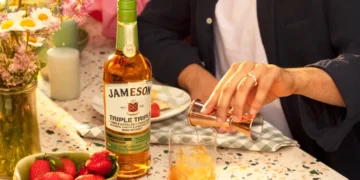
While sipping whiskey straight is an excellent way to appreciate its unique flavors, whiskey also makes a fantastic base for cocktails. Classic whiskey cocktails, such as the Old Fashioned, Manhattan, or Whiskey Sour, combine whiskey with mixers and other ingredients to create a well-rounded drink that highlights different aspects of the spirit.

What to Expect: Cocktails are a fun way to experiment with whiskey, as the combination of flavors can create a more approachable drink for those who may not enjoy whiskey neat or on the rocks. The sweetness from syrups, the acidity from citrus, and the complexity of bitters can all complement the whiskey, creating a harmonious and enjoyable drink.

Why It’s Best for Social Drinking: Whiskey cocktails are great for social occasions because they offer a different experience than sipping whiskey neat or on the rocks. These drinks can be customized to your taste, and the flavor profile can be adjusted by varying the proportions of ingredients.
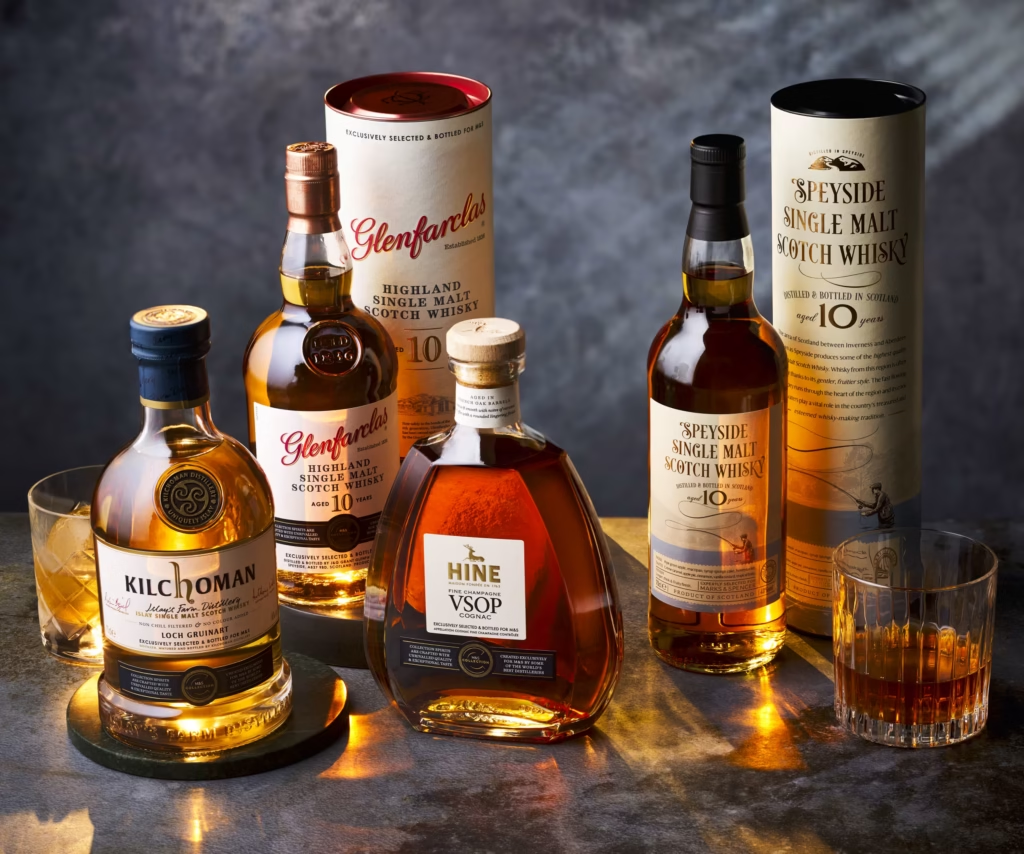
Glassware Matters: The Right Glass for Your Whiskey

The type of glass you use can have a significant impact on your whiskey-drinking experience. The right glass enhances the aroma and helps concentrate the flavors, allowing you to savor the whiskey at its best.

The Glencairn Glass: The Whiskey Taster’s Favorite

The Glencairn glass is the preferred choice for whiskey enthusiasts and connoisseurs. Its tulip shape helps concentrate the aromas at the rim, allowing you to fully appreciate the whiskey’s bouquet. The broad bowl also allows the whiskey to breathe, enhancing the overall tasting experience.

Why It’s Best: The Glencairn glass is designed specifically for whiskey tasting, making it the best option for those who want to experience the spirit in its purest form. The shape encourages you to nose the whiskey deeply, which is essential for identifying the complex aromas.

The Whiskey Tumbler: A Casual Option for On the Rocks

The traditional whiskey tumbler, also known as an old-fashioned glass, is perfect for drinking whiskey on the rocks. The wide mouth and sturdy base make it ideal for holding ice, and it provides ample space for swirling the whiskey, allowing the aromas to escape.

Why It’s Best: If you prefer to drink your whiskey chilled or diluted with ice, the whiskey tumbler is a great choice. Its design allows you to comfortably hold the glass while sipping, and the wider base provides a stable foundation for ice cubes.

The Highball Glass: For Whiskey Cocktails

If you enjoy whiskey cocktails, such as a Whiskey Sour or a Whiskey Ginger, the highball glass is a great choice. Its tall, slender design allows for easy mixing and provides enough room for the whiskey, mixers, and ice.

Why It’s Best: The highball glass is versatile and works well with a variety of whiskey cocktails. Its size allows for generous servings of whiskey and mixers, making it the perfect glass for refreshing, longer drinks.

The Ritual of Whiskey Tasting: A Full Sensory Experience

Whiskey tasting is a full sensory experience that involves more than just tasting the liquid. The ritual of whiskey tasting encourages you to slow down and appreciate the drink’s color, aroma, and flavor.

Step 1: Look at the Whiskey

Before you taste your whiskey, take a moment to examine its appearance. Hold the glass up to the light and observe its color. The color can tell you a lot about the whiskey’s age and maturation process. Darker whiskeys, for example, are often aged in charred oak barrels, which impart rich amber hues.

Step 2: Smell the Whiskey

Nosing the whiskey is an essential part of the tasting process. Gently swirl the whiskey in the glass and inhale the aromas. Try to identify the different scents, from fruity and floral to spicy and smoky. This step helps prepare your palate for the tasting and can reveal a lot about the complexity of the whiskey.

Step 3: Take a Sip

Take a small sip and let the whiskey roll over your tongue. Pay attention to the mouthfeel, the sweetness, the spiciness, and the finish. How does the whiskey feel in your mouth? Is it smooth or rough? Is it sweet, dry, or bitter? Take your time and let the flavors develop as you savor each sip.

Step 4: Evaluate the Finish

The finish is the lingering taste that remains after you swallow the whiskey. A good whiskey will have a long, pleasant finish, while a lesser-quality whiskey might have a harsh or bitter aftertaste. The finish can provide clues about the aging process and the quality of the ingredients.

Conclusion: Enjoying Whiskey to the Fullest

The best way to drink whiskey depends on your preferences and the specific whiskey you’re enjoying. Whether you prefer it neat, on the rocks, with a splash of water, or in a cocktail, the key to enjoying whiskey is taking the time to savor it. The way you drink whiskey can influence your experience, so experiment with different methods and find the one that works best for you.

By following the right tasting methods, using the proper glassware, and paying attention to the ritual of whiskey tasting, you’ll be able to enhance your enjoyment and fully appreciate the complexity and character of this iconic spirit.
Tags: drinking whiskeywhiskey tastingwhiskey tasting methods
ShareTweetShare

Related Posts

Why Is Bourbon Only Made in the U.S.?
Whiskey

Luxury Whiskey and the Collector Market: Rarity, Investment, and the Global Obsession

May 24, 2026
The Art of Whiskey: Tradition, Craft, and the Global Renaissance
Whiskey

The Science Behind Aging Whiskey: Time, Wood, Chemistry, and Transformation

May 24, 2026
The Art of Whiskey: Tradition, Craft, and the Global Renaissance
Whiskey

Bourbon Culture in America: History, Identity, and the Spirit of the South

May 24, 2026
The Art of Whiskey: Tradition, Craft, and the Global Renaissance
Whiskey

The Rise of Japanese Whisky: Tradition, Precision, and Global Influence

May 24, 2026
The Art of Whiskey: Tradition, Craft, and the Global Renaissance
Whiskey

The Art of Whiskey: Tradition, Craft, and the Global Renaissance

May 24, 2026
The History of Whisky — From Monastic Origins to Global Industry
Whiskey

The Future of Whisky — Innovation, Sustainability, and Global Trends

April 25, 2026
Leave Comment
  • Trending
  • Comments
  • Latest
Role of Terroir in Champagne Production

Role of Terroir in Champagne Production

January 19, 2026
Champagne Can Be Aged in Wood?

Champagne Can Be Aged in Wood?

January 18, 2026
Is Organic Wine Healthier Than Conventional Wine?

Is Organic Wine Healthier Than Conventional Wine?

January 20, 2026
Why Do Some Champagnes Use a High Proportion of Pinot Meunier?

Why Do Some Champagnes Use a High Proportion of Pinot Meunier?

January 20, 2026
The Timeless Elegance of Wine: A Journey Through History and Culture

The Timeless Elegance of Wine: A Journey Through History and Culture

Why Is Château Lafite Rothschild the Pinnacle of Fine Wine?

Why Is Château Lafite Rothschild the Pinnacle of Fine Wine?

How Did Château Lafite Rothschild Become a Global Icon of Luxury?

How Did Château Lafite Rothschild Become a Global Icon of Luxury?

What Makes Chateau Lafite Rothschild the Pinnacle of Bordeaux Wines?

What Makes Chateau Lafite Rothschild the Pinnacle of Bordeaux Wines?

The History, Culture, and Global Influence of Humanity’s Most Celebrated Beverage

The Wine Revolution: How Modern Winemaking Transformed a Global Industry

June 3, 2026
The History, Culture, and Global Influence of Humanity’s Most Celebrated Beverage

Wine Styles of the World: A Complete Guide to Red, White, Rosé, Sparkling, and Fortified Wines

June 3, 2026
The History, Culture, and Global Influence of Humanity’s Most Celebrated Beverage

The Global Wine Industry: Markets, Trade, Tourism, and Economic Impact

June 3, 2026
The History, Culture, and Global Influence of Humanity’s Most Celebrated Beverage

The Science of Wine: Grapes, Fermentation, and Flavor Development

June 3, 2026
SipsavorLife

Welcome to our comprehensive beverage guide, where you can explore the fascinating world of alcoholic drinks. From exquisite wines and rich whiskeys to refreshing beers and sparkling champagnes, we provide insights, tips, and recommendations for enthusiasts and casual drinkers alike. Discover your next favorite libation with us!

© 2025 sipsavorlife.com. contacts:sipsavorlife-35376@gmail.com

No Result
View All Result
  • Home
  • Wine
  • Whiskey
  • Beer
  • Grain Spirits
  • Champagne
  • ALL

© 2025 sipsavorlife.com. contacts:sipsavorlife-35376@gmail.com

Welcome Back!

Login to your account below

Forgotten Password?

Retrieve your password

Please enter your username or email address to reset your password.

Log In