SipsavorLife
  • Home
  • Wine
    The History, Culture, and Global Influence of Humanity’s Most Celebrated Beverage

    The Wine Revolution: How Modern Winemaking Transformed a Global Industry

    The History, Culture, and Global Influence of Humanity’s Most Celebrated Beverage

    Wine Styles of the World: A Complete Guide to Red, White, Rosé, Sparkling, and Fortified Wines

    The History, Culture, and Global Influence of Humanity’s Most Celebrated Beverage

    The Global Wine Industry: Markets, Trade, Tourism, and Economic Impact

    The History, Culture, and Global Influence of Humanity’s Most Celebrated Beverage

    The Science of Wine: Grapes, Fermentation, and Flavor Development

    The History, Culture, and Global Influence of Humanity’s Most Celebrated Beverage

    The History, Culture, and Global Influence of Humanity’s Most Celebrated Beverage

    The Cultural History of Wine: From Ancient Rituals to Modern Luxury

    The Psychology of Wine: Why Humans Associate Wine with Emotion, Memory, and Identity

  • Whiskey
    Can Beer Be an Effective Ingredient in Culinary Cooking?

    Can Beer Be an Effective Ingredient in Culinary Cooking?

    Second Fermentation in Champagne: Is It Really That Crucial?

    Second Fermentation in Champagne: Is It Really That Crucial?

    How Do Different Grains Impact the Flavor Profile of Distilled Spirits?

    How Do Different Grains Impact the Flavor Profile of Distilled Spirits?

    How Do Whiskey Master Blenders Create Perfection?

    How Do Whiskey Master Blenders Create Perfection?

    Wine Pairings: Can They Change the Flavor Profile of a Dish?

    Wine Pairings: Can They Change the Flavor Profile of a Dish?

    Beer the Ultimate Beverage for Pairing with Spicy Food?

    Beer the Ultimate Beverage for Pairing with Spicy Food?

  • Beer
    Malt Beer: Why Does Its Sweet Malty Aroma Always Bring Endless Satisfaction?

    The Craft Beer Revolution: How Independent Breweries Changed the World of Beer

    Beer: The World’s Oldest and Most Influential Beverage

    Beer Styles of the World: A Complete Guide to Lager, Ale, Stout, IPA, and Beyond

    Beer: The World’s Oldest and Most Influential Beverage

    The Global Beer Industry: Markets, Brands, and Economic Impact

    Beer: The World’s Oldest and Most Influential Beverage

    The Science of Beer: Ingredients, Fermentation, and Flavor

    Beer: The World’s Oldest and Most Influential Beverage

    Beer: The World’s Oldest and Most Influential Beverage

    Beer as a Cultural and Social Force: From Ancient Brew to Modern Identity

    Women in Brewing: The Untold History and Modern Transformation of Beer Culture

  • Grain Spirits
    Grain Spirits: The Origins, Science, and Global Evolution of Distilled Grain Alcohol

    Bourbon: America’s Native Grain Spirit and the Global Story of Corn, Oak, Fire, and Time

    Grain Spirits: The Origins, Science, and Global Evolution of Distilled Grain Alcohol

    Gin: Botanicals, History, Cocktail Culture, and the Artistic Evolution of the World’s Most Aromatic Grain Spirit

    Grain Spirits: The Origins, Science, and Global Evolution of Distilled Grain Alcohol

    Vodka: The Global Rise of the World’s Most Versatile Grain Spirit

    Grain Spirits: The Origins, Science, and Global Evolution of Distilled Grain Alcohol

    Whiskey and the Soul of Grain Spirits: History, Craftsmanship, Culture, and the Global Rise of the World’s Most Iconic Distilled Grain Beverage

    Grain Spirits: The Origins, Science, and Global Evolution of Distilled Grain Alcohol

    Grain Spirits: The Origins, Science, and Global Evolution of Distilled Grain Alcohol

    Grain Spirits Explained — The Foundation of Global Distillation

    The Future of Grain Spirits — Technology, Sustainability, and the Next Era of Distillation

  • Champagne
    Champagne: The Sparkling Wine That Changed Global Celebration Culture

    Dom Pérignon, Cristal, Krug, and Beyond: The World’s Most Famous Champagne Houses and Their Legacy

    Champagne Beyond Celebration: The History, Craftsmanship, and Global Influence of the World’s Most Iconic Sparkling Wine

    The Future of Champagne: Climate Change, Innovation, Sustainability, and the Next Era of Sparkling Wine

    Champagne Beyond Celebration: The History, Craftsmanship, and Global Influence of the World’s Most Iconic Sparkling Wine

    Champagne and Luxury Culture: How Sparkling Wine Became a Global Symbol of Wealth, Celebration, and Prestige

    Champagne Beyond Celebration: The History, Craftsmanship, and Global Influence of the World’s Most Iconic Sparkling Wine

    The Art of Champagne Production: Inside the Science, Skill, and Tradition Behind Every Bottle

    Champagne Beyond Celebration: The History, Craftsmanship, and Global Influence of the World’s Most Iconic Sparkling Wine

    Champagne Beyond Celebration: The History, Craftsmanship, and Global Influence of the World’s Most Iconic Sparkling Wine

    Champagne: The Sparkling Wine That Changed Global Celebration Culture

    Champagne vs Prosecco vs Cava: How the World’s Sparkling Wines Reflect Culture, Geography, and Taste

  • ALL
    Can Beer Be an Effective Ingredient in Culinary Cooking?

    Can Beer Be an Effective Ingredient in Culinary Cooking?

    Second Fermentation in Champagne: Is It Really That Crucial?

    Second Fermentation in Champagne: Is It Really That Crucial?

    How Do Different Grains Impact the Flavor Profile of Distilled Spirits?

    How Do Different Grains Impact the Flavor Profile of Distilled Spirits?

    How Do Whiskey Master Blenders Create Perfection?

    How Do Whiskey Master Blenders Create Perfection?

    Wine Pairings: Can They Change the Flavor Profile of a Dish?

    Wine Pairings: Can They Change the Flavor Profile of a Dish?

    Beer the Ultimate Beverage for Pairing with Spicy Food?

    Beer the Ultimate Beverage for Pairing with Spicy Food?

SipsavorLife
  • Home
  • Wine
    The History, Culture, and Global Influence of Humanity’s Most Celebrated Beverage

    The Wine Revolution: How Modern Winemaking Transformed a Global Industry

    The History, Culture, and Global Influence of Humanity’s Most Celebrated Beverage

    Wine Styles of the World: A Complete Guide to Red, White, Rosé, Sparkling, and Fortified Wines

    The History, Culture, and Global Influence of Humanity’s Most Celebrated Beverage

    The Global Wine Industry: Markets, Trade, Tourism, and Economic Impact

    The History, Culture, and Global Influence of Humanity’s Most Celebrated Beverage

    The Science of Wine: Grapes, Fermentation, and Flavor Development

    The History, Culture, and Global Influence of Humanity’s Most Celebrated Beverage

    The History, Culture, and Global Influence of Humanity’s Most Celebrated Beverage

    The Cultural History of Wine: From Ancient Rituals to Modern Luxury

    The Psychology of Wine: Why Humans Associate Wine with Emotion, Memory, and Identity

  • Whiskey
    Can Beer Be an Effective Ingredient in Culinary Cooking?

    Can Beer Be an Effective Ingredient in Culinary Cooking?

    Second Fermentation in Champagne: Is It Really That Crucial?

    Second Fermentation in Champagne: Is It Really That Crucial?

    How Do Different Grains Impact the Flavor Profile of Distilled Spirits?

    How Do Different Grains Impact the Flavor Profile of Distilled Spirits?

    How Do Whiskey Master Blenders Create Perfection?

    How Do Whiskey Master Blenders Create Perfection?

    Wine Pairings: Can They Change the Flavor Profile of a Dish?

    Wine Pairings: Can They Change the Flavor Profile of a Dish?

    Beer the Ultimate Beverage for Pairing with Spicy Food?

    Beer the Ultimate Beverage for Pairing with Spicy Food?

  • Beer
    Malt Beer: Why Does Its Sweet Malty Aroma Always Bring Endless Satisfaction?

    The Craft Beer Revolution: How Independent Breweries Changed the World of Beer

    Beer: The World’s Oldest and Most Influential Beverage

    Beer Styles of the World: A Complete Guide to Lager, Ale, Stout, IPA, and Beyond

    Beer: The World’s Oldest and Most Influential Beverage

    The Global Beer Industry: Markets, Brands, and Economic Impact

    Beer: The World’s Oldest and Most Influential Beverage

    The Science of Beer: Ingredients, Fermentation, and Flavor

    Beer: The World’s Oldest and Most Influential Beverage

    Beer: The World’s Oldest and Most Influential Beverage

    Beer as a Cultural and Social Force: From Ancient Brew to Modern Identity

    Women in Brewing: The Untold History and Modern Transformation of Beer Culture

  • Grain Spirits
    Grain Spirits: The Origins, Science, and Global Evolution of Distilled Grain Alcohol

    Bourbon: America’s Native Grain Spirit and the Global Story of Corn, Oak, Fire, and Time

    Grain Spirits: The Origins, Science, and Global Evolution of Distilled Grain Alcohol

    Gin: Botanicals, History, Cocktail Culture, and the Artistic Evolution of the World’s Most Aromatic Grain Spirit

    Grain Spirits: The Origins, Science, and Global Evolution of Distilled Grain Alcohol

    Vodka: The Global Rise of the World’s Most Versatile Grain Spirit

    Grain Spirits: The Origins, Science, and Global Evolution of Distilled Grain Alcohol

    Whiskey and the Soul of Grain Spirits: History, Craftsmanship, Culture, and the Global Rise of the World’s Most Iconic Distilled Grain Beverage

    Grain Spirits: The Origins, Science, and Global Evolution of Distilled Grain Alcohol

    Grain Spirits: The Origins, Science, and Global Evolution of Distilled Grain Alcohol

    Grain Spirits Explained — The Foundation of Global Distillation

    The Future of Grain Spirits — Technology, Sustainability, and the Next Era of Distillation

  • Champagne
    Champagne: The Sparkling Wine That Changed Global Celebration Culture

    Dom Pérignon, Cristal, Krug, and Beyond: The World’s Most Famous Champagne Houses and Their Legacy

    Champagne Beyond Celebration: The History, Craftsmanship, and Global Influence of the World’s Most Iconic Sparkling Wine

    The Future of Champagne: Climate Change, Innovation, Sustainability, and the Next Era of Sparkling Wine

    Champagne Beyond Celebration: The History, Craftsmanship, and Global Influence of the World’s Most Iconic Sparkling Wine

    Champagne and Luxury Culture: How Sparkling Wine Became a Global Symbol of Wealth, Celebration, and Prestige

    Champagne Beyond Celebration: The History, Craftsmanship, and Global Influence of the World’s Most Iconic Sparkling Wine

    The Art of Champagne Production: Inside the Science, Skill, and Tradition Behind Every Bottle

    Champagne Beyond Celebration: The History, Craftsmanship, and Global Influence of the World’s Most Iconic Sparkling Wine

    Champagne Beyond Celebration: The History, Craftsmanship, and Global Influence of the World’s Most Iconic Sparkling Wine

    Champagne: The Sparkling Wine That Changed Global Celebration Culture

    Champagne vs Prosecco vs Cava: How the World’s Sparkling Wines Reflect Culture, Geography, and Taste

  • ALL
    Can Beer Be an Effective Ingredient in Culinary Cooking?

    Can Beer Be an Effective Ingredient in Culinary Cooking?

    Second Fermentation in Champagne: Is It Really That Crucial?

    Second Fermentation in Champagne: Is It Really That Crucial?

    How Do Different Grains Impact the Flavor Profile of Distilled Spirits?

    How Do Different Grains Impact the Flavor Profile of Distilled Spirits?

    How Do Whiskey Master Blenders Create Perfection?

    How Do Whiskey Master Blenders Create Perfection?

    Wine Pairings: Can They Change the Flavor Profile of a Dish?

    Wine Pairings: Can They Change the Flavor Profile of a Dish?

    Beer the Ultimate Beverage for Pairing with Spicy Food?

    Beer the Ultimate Beverage for Pairing with Spicy Food?

SipsavorLife
No Result
View All Result
Home ALL

Why Is Bourbon Only Made in the U.S.?

April 11, 2025
in ALL, Whiskey
Why Is Bourbon Only Made in the U.S.?

Bourbon whiskey is one of the most iconic spirits in the world, often thought of as the quintessential American drink. Known for its rich flavors, amber color, and distinct sweetness, bourbon carries with it centuries of tradition and history. But why is bourbon exclusively made in the United States? In this article, we’ll explore the historical, cultural, and legal reasons behind bourbon’s uniquely American status, unpacking the elements that make it both a product of tradition and a symbol of the country’s craft spirit industry.

The Origins of Bourbon: A Historical Perspective

To understand why bourbon is only made in the U.S., we first need to look at its origins. The history of bourbon dates back to the 18th century, when early American settlers began distilling whiskey using locally abundant grains, particularly corn. While whiskey itself has been made in many parts of the world for centuries, the American version evolved into what we now know as bourbon over time.

Early American Distilling Practices

When European settlers arrived in North America, they brought their distilling knowledge with them, applying it to the grains that were readily available in the New World. Corn was a popular choice, as it was abundant and could be easily cultivated in the U.S. The first American-made whiskey was likely a corn-based spirit, but it wasn’t until the 18th century that this style began to develop into a distinct product, later to be known as bourbon.

The exact timeline of bourbon’s creation is shrouded in mystery, but it is believed that the name “bourbon” came from Bourbon County, Kentucky, in the late 18th century. Kentucky, with its fertile soil and abundance of corn, became the center of American whiskey production. This region’s limestone-filtered water and climate made it an ideal location for distilling whiskey, and the practice flourished.

The Influence of French Trade

One theory about the origin of the name “bourbon” is that it was linked to French aristocrats, particularly the House of Bourbon, who were highly influential in the late 18th century. After the American Revolution, French exports were essential to the new American economy, and it’s thought that the name bourbon was a nod to the French connection with American goods. In any case, the spirit itself began to develop its distinctive characteristics in Kentucky and surrounding areas, and by the early 19th century, it was becoming widely known as bourbon.
The Birth of Legal Standards for Bourbon

In the early days of bourbon production, there were few regulations or guidelines governing how the spirit should be made. However, as the popularity of bourbon grew, so did the need for formal standards to ensure the quality and consistency of the product. The key legal moment for bourbon came in the 1960s, when the U.S. government officially defined bourbon whiskey in law.

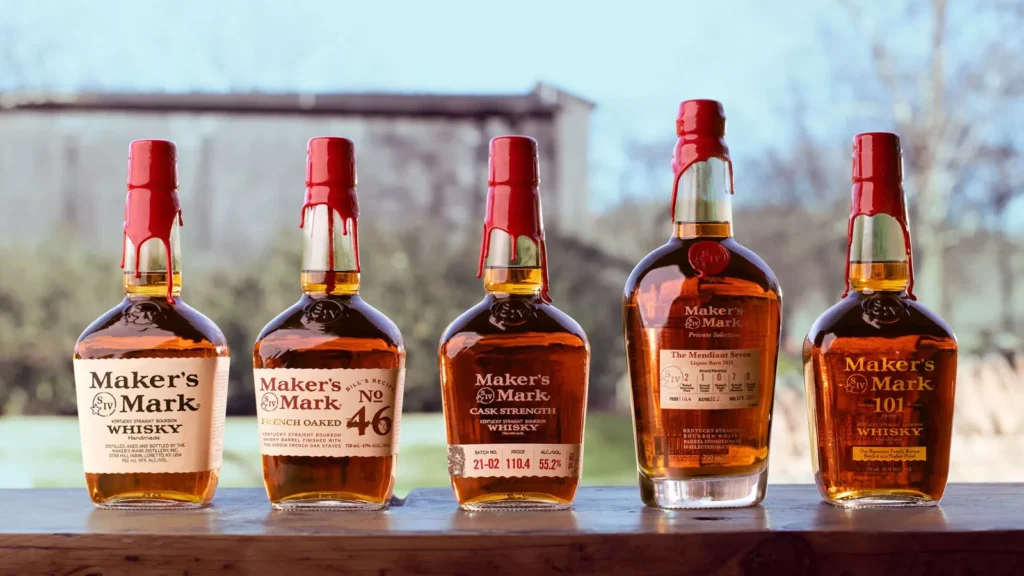
The Bottled in Bond Act of 1897

Though not specifically focused on bourbon, one of the first pieces of legislation to influence American whiskey was the Bottled in Bond Act of 1897. This law was passed to regulate the production and labeling of distilled spirits, including bourbon, to ensure quality and prevent fraud. Under the Act, whiskey could only be labeled as “bonded” if it was produced in a specific manner: distilled in a single distilling season by a single distiller, stored in a federally bonded warehouse for at least four years, and bottled at 100 proof.

While the Bottled in Bond Act did not create the legal definition of bourbon, it set a precedent for regulating American whiskey and paved the way for future legislation regarding bourbon.

The Federal Standards of Identity for Distilled Spirits

In 1964, Congress passed a landmark piece of legislation known as the Federal Standards of Identity for Distilled Spirits. This law formally defined what constitutes bourbon whiskey, setting strict guidelines that make it distinctly American. According to this law, in order for a whiskey to be labeled as bourbon, it must meet the following criteria:

  • Made in the U.S.: Bourbon must be produced within the United States, with the majority of production concentrated in Kentucky, although it can be made anywhere in the country.
  • At least 51% Corn: The mash bill, or grain mixture, must contain at least 51% corn. The remaining percentage can be made up of other grains such as rye, barley, or wheat.
  • Aged in New Charred Oak Barrels: The whiskey must be aged in new, charred oak barrels. This is a key part of bourbon’s distinct flavor profile, as the charring process infuses the whiskey with rich caramel, vanilla, and toasted oak flavors.
  • No Additives: Bourbon must not contain any additives or flavoring agents. It is required to be made only from grains, water, and yeast.
  • Distilled to No More Than 160 Proof: The whiskey must be distilled to no more than 160 proof (80% alcohol by volume) to ensure that the spirit retains the flavors from the grain.
  • Entered the Barrel at No More Than 125 Proof: The whiskey must be placed in the barrel at no more than 125 proof, which allows the distillation process to slowly interact with the oak barrel to impart flavors.
  • Bottled at No Less Than 80 Proof: The finished product must be bottled at no less than 80 proof (40% alcohol by volume).

These legal guidelines are what set bourbon apart from other whiskies around the world and ensure that it remains a distinct product that can only be made in the U.S.

Bourbon’s Regional Influence and the Role of Kentucky

While bourbon can technically be made anywhere in the U.S., it is intrinsically linked to Kentucky, a state that is home to about 95% of all bourbon production. The region’s limestone-rich water, favorable climate, and abundance of corn made it the perfect location for early distillers. Kentucky’s fertile soil and natural resources helped establish it as the hub of bourbon production, and even today, many of the world’s most famous bourbon distilleries are located there.

Limestone Water

One of the key elements that make Kentucky’s water ideal for bourbon production is its high concentration of limestone. Limestone naturally filters out impurities like iron, which can negatively affect the taste of the whiskey. The water in Kentucky is naturally soft, with a perfect balance of minerals that allow the grains to ferment more efficiently, creating the ideal foundation for bourbon.

The Role of Climate

The climate in Kentucky also plays a major role in bourbon production. The region experiences a wide temperature range throughout the year, which causes the whiskey to expand and contract within the barrels. This cycle of expansion and contraction enhances the interaction between the whiskey and the oak, allowing the spirit to take on deeper, more complex flavors over time.

The Bourbon Heritage of Kentucky

Kentucky is not only the birthplace of bourbon, but it also carries a rich heritage and culture around the spirit. Bourbon festivals, distillery tours, and tasting events are common in the region, and the state’s economy is closely tied to bourbon production. Over the years, Kentucky has become synonymous with bourbon, attracting whiskey lovers and connoisseurs from around the world.

Why Bourbon Can Only Be Made in the U.S.

So, why is bourbon restricted to production in the U.S.? The reasons are both historical and legal. The defining characteristics of bourbon, from its ingredients to its aging process, were developed in the U.S., particularly in Kentucky, and are protected by law. The U.S. government’s legislation, specifically the Federal Standards of Identity for Distilled Spirits, ensures that only whiskey produced under these strict guidelines can be labeled as bourbon.

Additionally, the tradition and culture of bourbon are deeply embedded in American history. Bourbon is a product of American ingenuity, craftsmanship, and resourcefulness. It is an expression of the country’s agricultural roots and its history of distillation.

The Global Influence of Bourbon

Despite its strict geographic origins, bourbon has become a global phenomenon. Today, bourbon is enjoyed all over the world, with international drinkers appreciating its unique taste and history. While bourbon can only be made in the U.S., its popularity has helped spur the development of whiskey industries in other countries, such as Canada, Japan, and Ireland, which produce their own unique styles of whiskey.

Conclusion: Bourbon as a Distinctly American Tradition

Bourbon is not just a drink; it’s a symbol of American culture, history, and craftsmanship. From its early beginnings in the 18th century to its current status as a global favorite, bourbon represents the innovation and determination of the American spirit. The strict laws that govern its production ensure that bourbon remains a distinctly American whiskey, one that can only be made within the borders of the United States.

Bourbon’s link to Kentucky, its legal requirements, and its role in American history all contribute to its reputation as the spirit of the U.S. Whether sipped slowly in a fine glass or enjoyed in a classic cocktail, bourbon continues to embody the heritage and flavor of America, ensuring its place in the hearts and glasses of drinkers for generations to come.
Tags: American whiskeybourbon whiskeywhiskey laws
ShareTweetShare

Related Posts

Why Is Bourbon Only Made in the U.S.?
Whiskey

Luxury Whiskey and the Collector Market: Rarity, Investment, and the Global Obsession

May 24, 2026
The Art of Whiskey: Tradition, Craft, and the Global Renaissance
Whiskey

The Science Behind Aging Whiskey: Time, Wood, Chemistry, and Transformation

May 24, 2026
The Art of Whiskey: Tradition, Craft, and the Global Renaissance
Whiskey

Bourbon Culture in America: History, Identity, and the Spirit of the South

May 24, 2026
The Art of Whiskey: Tradition, Craft, and the Global Renaissance
Whiskey

The Rise of Japanese Whisky: Tradition, Precision, and Global Influence

May 24, 2026
The Art of Whiskey: Tradition, Craft, and the Global Renaissance
Whiskey

The Art of Whiskey: Tradition, Craft, and the Global Renaissance

May 24, 2026
The History of Whisky — From Monastic Origins to Global Industry
Whiskey

The Future of Whisky — Innovation, Sustainability, and Global Trends

April 25, 2026
Leave Comment
  • Trending
  • Comments
  • Latest
Role of Terroir in Champagne Production

Role of Terroir in Champagne Production

January 19, 2026
Champagne Can Be Aged in Wood?

Champagne Can Be Aged in Wood?

January 18, 2026
Is Organic Wine Healthier Than Conventional Wine?

Is Organic Wine Healthier Than Conventional Wine?

January 20, 2026
Why Do Some Champagnes Use a High Proportion of Pinot Meunier?

Why Do Some Champagnes Use a High Proportion of Pinot Meunier?

January 20, 2026
The Timeless Elegance of Wine: A Journey Through History and Culture

The Timeless Elegance of Wine: A Journey Through History and Culture

Why Is Château Lafite Rothschild the Pinnacle of Fine Wine?

Why Is Château Lafite Rothschild the Pinnacle of Fine Wine?

How Did Château Lafite Rothschild Become a Global Icon of Luxury?

How Did Château Lafite Rothschild Become a Global Icon of Luxury?

What Makes Chateau Lafite Rothschild the Pinnacle of Bordeaux Wines?

What Makes Chateau Lafite Rothschild the Pinnacle of Bordeaux Wines?

The History, Culture, and Global Influence of Humanity’s Most Celebrated Beverage

The Wine Revolution: How Modern Winemaking Transformed a Global Industry

June 3, 2026
The History, Culture, and Global Influence of Humanity’s Most Celebrated Beverage

Wine Styles of the World: A Complete Guide to Red, White, Rosé, Sparkling, and Fortified Wines

June 3, 2026
The History, Culture, and Global Influence of Humanity’s Most Celebrated Beverage

The Global Wine Industry: Markets, Trade, Tourism, and Economic Impact

June 3, 2026
The History, Culture, and Global Influence of Humanity’s Most Celebrated Beverage

The Science of Wine: Grapes, Fermentation, and Flavor Development

June 3, 2026
SipsavorLife

Welcome to our comprehensive beverage guide, where you can explore the fascinating world of alcoholic drinks. From exquisite wines and rich whiskeys to refreshing beers and sparkling champagnes, we provide insights, tips, and recommendations for enthusiasts and casual drinkers alike. Discover your next favorite libation with us!

© 2025 sipsavorlife.com. contacts:sipsavorlife-35376@gmail.com

No Result
View All Result
  • Home
  • Wine
  • Whiskey
  • Beer
  • Grain Spirits
  • Champagne
  • ALL

© 2025 sipsavorlife.com. contacts:sipsavorlife-35376@gmail.com

Welcome Back!

Login to your account below

Forgotten Password?

Retrieve your password

Please enter your username or email address to reset your password.

Log In