










SipsavorLife
  • Home
  • Wine
    The History, Culture, and Global Influence of Humanity’s Most Celebrated Beverage

    The Wine Revolution: How Modern Winemaking Transformed a Global Industry

    The History, Culture, and Global Influence of Humanity’s Most Celebrated Beverage

    Wine Styles of the World: A Complete Guide to Red, White, Rosé, Sparkling, and Fortified Wines

    The History, Culture, and Global Influence of Humanity’s Most Celebrated Beverage

    The Global Wine Industry: Markets, Trade, Tourism, and Economic Impact

    The History, Culture, and Global Influence of Humanity’s Most Celebrated Beverage

    The Science of Wine: Grapes, Fermentation, and Flavor Development

    The History, Culture, and Global Influence of Humanity’s Most Celebrated Beverage

    The History, Culture, and Global Influence of Humanity’s Most Celebrated Beverage

    The Cultural History of Wine: From Ancient Rituals to Modern Luxury

    The Psychology of Wine: Why Humans Associate Wine with Emotion, Memory, and Identity

  • Whiskey
    Can Beer Be an Effective Ingredient in Culinary Cooking?

    Can Beer Be an Effective Ingredient in Culinary Cooking?

    Second Fermentation in Champagne: Is It Really That Crucial?

    Second Fermentation in Champagne: Is It Really That Crucial?

    How Do Different Grains Impact the Flavor Profile of Distilled Spirits?

    How Do Different Grains Impact the Flavor Profile of Distilled Spirits?

    How Do Whiskey Master Blenders Create Perfection?

    How Do Whiskey Master Blenders Create Perfection?

    Wine Pairings: Can They Change the Flavor Profile of a Dish?

    Wine Pairings: Can They Change the Flavor Profile of a Dish?

    Beer the Ultimate Beverage for Pairing with Spicy Food?

    Beer the Ultimate Beverage for Pairing with Spicy Food?

  • Beer
    Malt Beer: Why Does Its Sweet Malty Aroma Always Bring Endless Satisfaction?

    The Craft Beer Revolution: How Independent Breweries Changed the World of Beer

    Beer: The World’s Oldest and Most Influential Beverage

    Beer Styles of the World: A Complete Guide to Lager, Ale, Stout, IPA, and Beyond

    Beer: The World’s Oldest and Most Influential Beverage

    The Global Beer Industry: Markets, Brands, and Economic Impact

    Beer: The World’s Oldest and Most Influential Beverage

    The Science of Beer: Ingredients, Fermentation, and Flavor

    Beer: The World’s Oldest and Most Influential Beverage

    Beer: The World’s Oldest and Most Influential Beverage

    Beer as a Cultural and Social Force: From Ancient Brew to Modern Identity

    Women in Brewing: The Untold History and Modern Transformation of Beer Culture

  • Grain Spirits
    Grain Spirits: The Origins, Science, and Global Evolution of Distilled Grain Alcohol

    Bourbon: America’s Native Grain Spirit and the Global Story of Corn, Oak, Fire, and Time

    Grain Spirits: The Origins, Science, and Global Evolution of Distilled Grain Alcohol

    Gin: Botanicals, History, Cocktail Culture, and the Artistic Evolution of the World’s Most Aromatic Grain Spirit

    Grain Spirits: The Origins, Science, and Global Evolution of Distilled Grain Alcohol

    Vodka: The Global Rise of the World’s Most Versatile Grain Spirit

    Grain Spirits: The Origins, Science, and Global Evolution of Distilled Grain Alcohol

    Whiskey and the Soul of Grain Spirits: History, Craftsmanship, Culture, and the Global Rise of the World’s Most Iconic Distilled Grain Beverage

    Grain Spirits: The Origins, Science, and Global Evolution of Distilled Grain Alcohol

    Grain Spirits: The Origins, Science, and Global Evolution of Distilled Grain Alcohol

    Grain Spirits Explained — The Foundation of Global Distillation

    The Future of Grain Spirits — Technology, Sustainability, and the Next Era of Distillation

  • Champagne
    Champagne: The Sparkling Wine That Changed Global Celebration Culture

    Dom Pérignon, Cristal, Krug, and Beyond: The World’s Most Famous Champagne Houses and Their Legacy

    Champagne Beyond Celebration: The History, Craftsmanship, and Global Influence of the World’s Most Iconic Sparkling Wine

    The Future of Champagne: Climate Change, Innovation, Sustainability, and the Next Era of Sparkling Wine

    Champagne Beyond Celebration: The History, Craftsmanship, and Global Influence of the World’s Most Iconic Sparkling Wine

    Champagne and Luxury Culture: How Sparkling Wine Became a Global Symbol of Wealth, Celebration, and Prestige

    Champagne Beyond Celebration: The History, Craftsmanship, and Global Influence of the World’s Most Iconic Sparkling Wine

    The Art of Champagne Production: Inside the Science, Skill, and Tradition Behind Every Bottle

    Champagne Beyond Celebration: The History, Craftsmanship, and Global Influence of the World’s Most Iconic Sparkling Wine

    Champagne Beyond Celebration: The History, Craftsmanship, and Global Influence of the World’s Most Iconic Sparkling Wine

    Champagne: The Sparkling Wine That Changed Global Celebration Culture

    Champagne vs Prosecco vs Cava: How the World’s Sparkling Wines Reflect Culture, Geography, and Taste

  • ALL
    Can Beer Be an Effective Ingredient in Culinary Cooking?

    Can Beer Be an Effective Ingredient in Culinary Cooking?

    Second Fermentation in Champagne: Is It Really That Crucial?

    Second Fermentation in Champagne: Is It Really That Crucial?

    How Do Different Grains Impact the Flavor Profile of Distilled Spirits?

    How Do Different Grains Impact the Flavor Profile of Distilled Spirits?

    How Do Whiskey Master Blenders Create Perfection?

    How Do Whiskey Master Blenders Create Perfection?

    Wine Pairings: Can They Change the Flavor Profile of a Dish?

    Wine Pairings: Can They Change the Flavor Profile of a Dish?

    Beer the Ultimate Beverage for Pairing with Spicy Food?

    Beer the Ultimate Beverage for Pairing with Spicy Food?

SipsavorLife
  • Home
  • Wine
    The History, Culture, and Global Influence of Humanity’s Most Celebrated Beverage

    The Wine Revolution: How Modern Winemaking Transformed a Global Industry

    The History, Culture, and Global Influence of Humanity’s Most Celebrated Beverage

    Wine Styles of the World: A Complete Guide to Red, White, Rosé, Sparkling, and Fortified Wines

    The History, Culture, and Global Influence of Humanity’s Most Celebrated Beverage

    The Global Wine Industry: Markets, Trade, Tourism, and Economic Impact

    The History, Culture, and Global Influence of Humanity’s Most Celebrated Beverage

    The Science of Wine: Grapes, Fermentation, and Flavor Development

    The History, Culture, and Global Influence of Humanity’s Most Celebrated Beverage

    The History, Culture, and Global Influence of Humanity’s Most Celebrated Beverage

    The Cultural History of Wine: From Ancient Rituals to Modern Luxury

    The Psychology of Wine: Why Humans Associate Wine with Emotion, Memory, and Identity

  • Whiskey
    Can Beer Be an Effective Ingredient in Culinary Cooking?

    Can Beer Be an Effective Ingredient in Culinary Cooking?

    Second Fermentation in Champagne: Is It Really That Crucial?

    Second Fermentation in Champagne: Is It Really That Crucial?

    How Do Different Grains Impact the Flavor Profile of Distilled Spirits?

    How Do Different Grains Impact the Flavor Profile of Distilled Spirits?

    How Do Whiskey Master Blenders Create Perfection?

    How Do Whiskey Master Blenders Create Perfection?

    Wine Pairings: Can They Change the Flavor Profile of a Dish?

    Wine Pairings: Can They Change the Flavor Profile of a Dish?

    Beer the Ultimate Beverage for Pairing with Spicy Food?

    Beer the Ultimate Beverage for Pairing with Spicy Food?

  • Beer
    Malt Beer: Why Does Its Sweet Malty Aroma Always Bring Endless Satisfaction?

    The Craft Beer Revolution: How Independent Breweries Changed the World of Beer

    Beer: The World’s Oldest and Most Influential Beverage

    Beer Styles of the World: A Complete Guide to Lager, Ale, Stout, IPA, and Beyond

    Beer: The World’s Oldest and Most Influential Beverage

    The Global Beer Industry: Markets, Brands, and Economic Impact

    Beer: The World’s Oldest and Most Influential Beverage

    The Science of Beer: Ingredients, Fermentation, and Flavor

    Beer: The World’s Oldest and Most Influential Beverage

    Beer: The World’s Oldest and Most Influential Beverage

    Beer as a Cultural and Social Force: From Ancient Brew to Modern Identity

    Women in Brewing: The Untold History and Modern Transformation of Beer Culture

  • Grain Spirits
    Grain Spirits: The Origins, Science, and Global Evolution of Distilled Grain Alcohol

    Bourbon: America’s Native Grain Spirit and the Global Story of Corn, Oak, Fire, and Time

    Grain Spirits: The Origins, Science, and Global Evolution of Distilled Grain Alcohol

    Gin: Botanicals, History, Cocktail Culture, and the Artistic Evolution of the World’s Most Aromatic Grain Spirit

    Grain Spirits: The Origins, Science, and Global Evolution of Distilled Grain Alcohol

    Vodka: The Global Rise of the World’s Most Versatile Grain Spirit

    Grain Spirits: The Origins, Science, and Global Evolution of Distilled Grain Alcohol

    Whiskey and the Soul of Grain Spirits: History, Craftsmanship, Culture, and the Global Rise of the World’s Most Iconic Distilled Grain Beverage

    Grain Spirits: The Origins, Science, and Global Evolution of Distilled Grain Alcohol

    Grain Spirits: The Origins, Science, and Global Evolution of Distilled Grain Alcohol

    Grain Spirits Explained — The Foundation of Global Distillation

    The Future of Grain Spirits — Technology, Sustainability, and the Next Era of Distillation

  • Champagne
    Champagne: The Sparkling Wine That Changed Global Celebration Culture

    Dom Pérignon, Cristal, Krug, and Beyond: The World’s Most Famous Champagne Houses and Their Legacy

    Champagne Beyond Celebration: The History, Craftsmanship, and Global Influence of the World’s Most Iconic Sparkling Wine

    The Future of Champagne: Climate Change, Innovation, Sustainability, and the Next Era of Sparkling Wine

    Champagne Beyond Celebration: The History, Craftsmanship, and Global Influence of the World’s Most Iconic Sparkling Wine

    Champagne and Luxury Culture: How Sparkling Wine Became a Global Symbol of Wealth, Celebration, and Prestige

    Champagne Beyond Celebration: The History, Craftsmanship, and Global Influence of the World’s Most Iconic Sparkling Wine

    The Art of Champagne Production: Inside the Science, Skill, and Tradition Behind Every Bottle

    Champagne Beyond Celebration: The History, Craftsmanship, and Global Influence of the World’s Most Iconic Sparkling Wine

    Champagne Beyond Celebration: The History, Craftsmanship, and Global Influence of the World’s Most Iconic Sparkling Wine

    Champagne: The Sparkling Wine That Changed Global Celebration Culture

    Champagne vs Prosecco vs Cava: How the World’s Sparkling Wines Reflect Culture, Geography, and Taste

  • ALL
    Can Beer Be an Effective Ingredient in Culinary Cooking?

    Can Beer Be an Effective Ingredient in Culinary Cooking?

    Second Fermentation in Champagne: Is It Really That Crucial?

    Second Fermentation in Champagne: Is It Really That Crucial?

    How Do Different Grains Impact the Flavor Profile of Distilled Spirits?

    How Do Different Grains Impact the Flavor Profile of Distilled Spirits?

    How Do Whiskey Master Blenders Create Perfection?

    How Do Whiskey Master Blenders Create Perfection?

    Wine Pairings: Can They Change the Flavor Profile of a Dish?

    Wine Pairings: Can They Change the Flavor Profile of a Dish?

    Beer the Ultimate Beverage for Pairing with Spicy Food?

    Beer the Ultimate Beverage for Pairing with Spicy Food?

SipsavorLife
No Result
View All Result
Home ALL

How Do Different Whiskey Distillation Techniques Influence Flavor?

March 31, 2025
in ALL, Whiskey
How Do Different Whiskey Distillation Techniques Influence Flavor?

Whiskey production is an intricate process that involves a delicate balance of ingredients, techniques, and time. One of the most crucial stages in whiskey-making is distillation, where the fermented mash is converted into high-proof alcohol. The type of distillation technique used—whether pot still or column still—can have a profound impact on the flavor, texture, and overall character of the final whiskey. In this article, we will explore the differences between pot still and column still distillation, how they influence whiskey flavor, and the role of distillation cuts in shaping the aroma and taste of whiskey.

The Basics of Distillation

Distillation is the process through which alcohol is separated from the fermented mash. It takes advantage of the differing boiling points of water and alcohol to separate the two. In the first stage of distillation, the wash (fermented mash) is heated in a still. The alcohol vaporizes at a lower temperature than the water, and the vapor is then condensed back into liquid form. This process increases the alcohol content of the liquid, concentrating the alcohol and other volatile compounds that contribute to flavor.

There are various types of stills used in distillation, but the two primary methods that have a significant impact on whiskey production are pot stills and column stills. The choice of still influences not only the alcohol concentration but also the flavor profile and mouthfeel of the final spirit.

Pot Still Distillation: Traditional and Flavorful

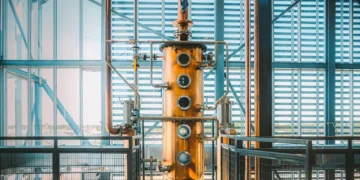
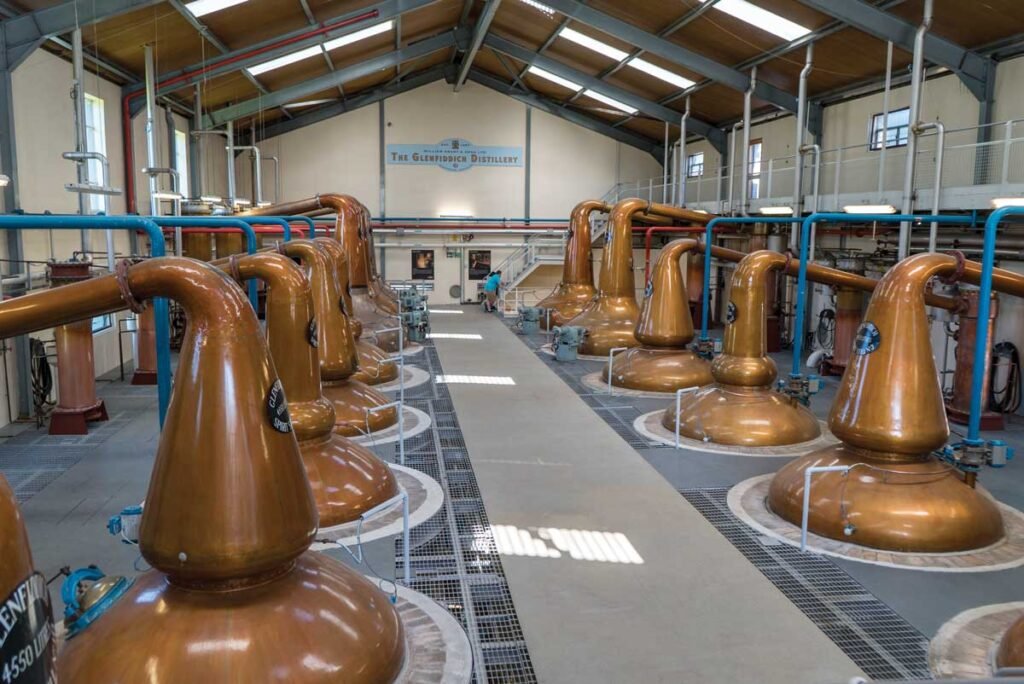
Pot stills are the traditional distillation method used in many of the world’s most famous whiskey-producing regions, particularly in Scotland and Ireland. The pot still is a large, bulbous copper vessel with a long neck that gradually narrows to a smaller opening. The shape of the pot still and the slow, controlled distillation process are key to its influence on the whiskey’s flavor.

1. How Pot Still Distillation Works

In pot still distillation, the wash is placed into the pot still and heated to a boil. As the temperature increases, the alcohol begins to vaporize. The vapor rises up the neck of the still and passes through a condenser, where it cools and returns to liquid form. In a typical pot still, distillation occurs in two or more stages, where the wash is distilled twice (or sometimes more), producing a more refined and concentrated spirit.

The pot still method is typically slower and more labor-intensive than column still distillation. This slower pace allows for more control over the distillation process, which ultimately impacts the final flavor of the whiskey. Pot stills are often favored for their ability to preserve complex flavors, resulting in whiskeys that are rich, full-bodied, and nuanced.

2. Flavor Impact of Pot Still Distillation

Pot still distillation allows for the retention of a broader range of compounds, including esters, aldehydes, and congeners, all of which contribute to the flavor and aroma of the whiskey. These compounds add depth, complexity, and a distinctive character that is often described as “pot still character.”

The use of pot stills also allows for a higher concentration of heavier flavors. For example, pot still whiskies tend to have a fuller mouthfeel, with richer and more complex flavors such as fruits, spices, and malt. This is particularly true for whiskies made in Scotland (such as single malt Scotch) and Ireland (such as pot still Irish whiskey), where the method has been refined for centuries. The shape of the pot still itself—especially the long neck—helps remove volatile compounds, leaving behind a smoother, more refined product.

3. Examples of Pot Still Whiskies

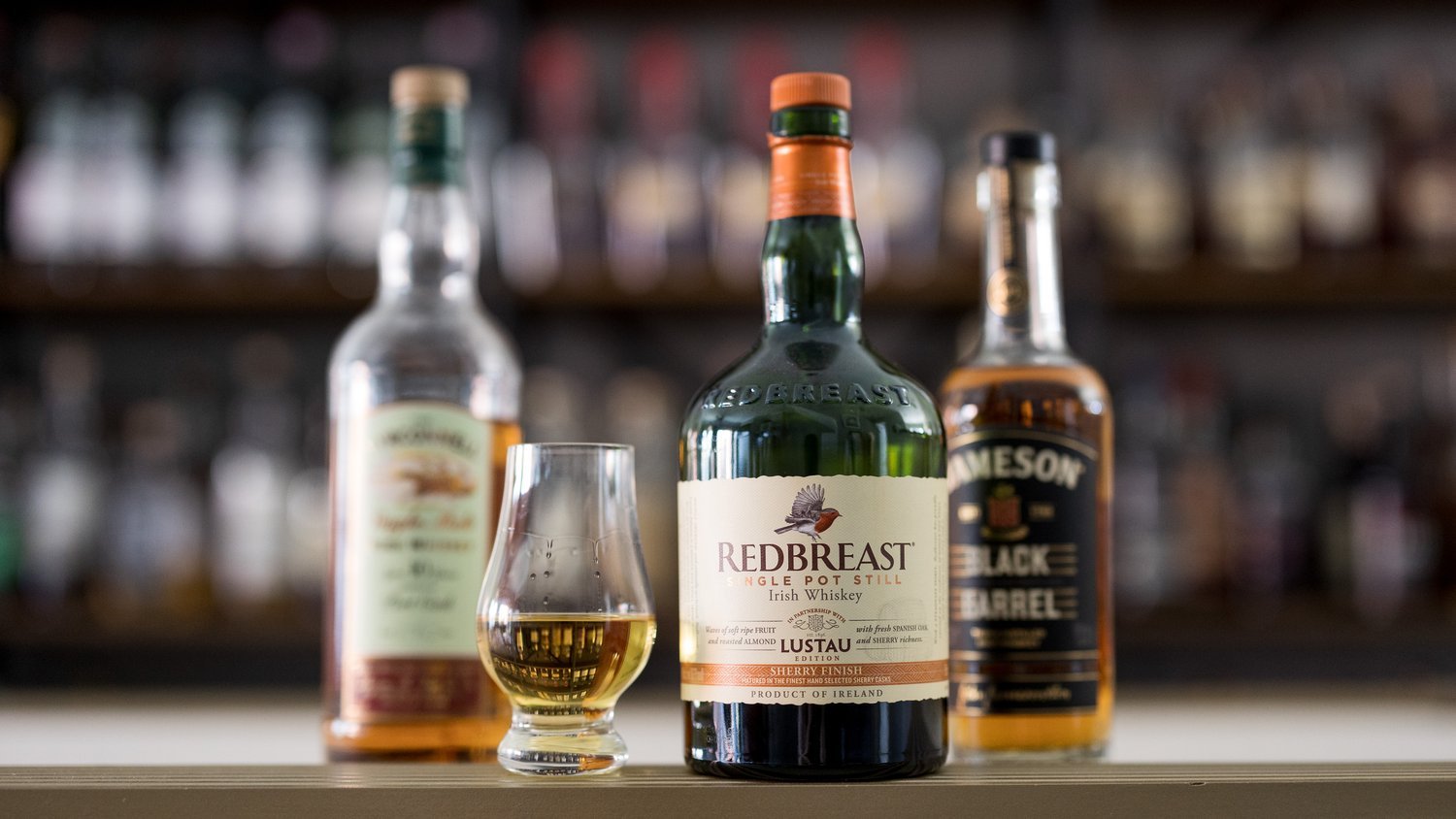
Many traditional and iconic whiskies are distilled in pot stills. Some of the most well-known examples include Glenfiddich, Lagavulin, and Talisker from Scotland, as well as Redbreast and Midleton from Ireland. These whiskies are often characterized by rich and robust flavors with a balance of fruit, malt, and sometimes a touch of smoke or spice.

Column Still Distillation: Efficient and Lighter

Column stills, also known as continuous stills, are a more modern and efficient form of distillation. They are typically used in large-scale whiskey production due to their ability to produce large quantities of high-proof alcohol in a shorter amount of time. Column stills are tall, cylindrical columns that contain a series of trays or plates that allow for continuous vaporization and condensation.

1. How Column Still Distillation Works

Column still distillation works by continuously feeding the wash into the top of the column, where it is heated. The alcohol in the wash rises through the column, where it passes over a series of trays that allow for repeated condensation and vaporization. As the alcohol rises, the concentration of alcohol increases, and the vapor is eventually condensed into a high-proof liquid.

Unlike pot still distillation, which operates in batches, column stills continuously distill the wash without the need for stopping and starting. This process allows for higher efficiency, as it can produce large quantities of high-proof alcohol continuously. Column stills are also able to produce a much more refined, clean, and higher-proof distillate.

2. Flavor Impact of Column Still Distillation

Column still distillation is typically associated with lighter, cleaner spirits. Since the continuous distillation process strips away more impurities and congeners compared to pot still distillation, the resulting whiskey tends to have a smoother, more neutral flavor profile. While this can result in a high-quality product, it lacks the rich, complex flavors found in pot still-distilled whiskeys.

Whiskeys made using column stills are often described as having a more delicate, less intense flavor. They tend to be more straightforward, with a focus on grain and sweetness, and can sometimes lack the depth and character associated with pot still whiskies. The higher purity of the alcohol results in a smoother mouthfeel but may also miss some of the heavier, more distinctive flavors present in pot still whiskies.

Column stills are particularly favored in the production of American whiskey (like bourbon) and Canadian whisky, as well as in some blended Scotch whiskies where smoothness and consistency are prioritized.

3. Examples of Column Still Whiskies

Some of the most famous whiskies produced using column stills include Jim Beam, Jack Daniel’s, and Canadian Club. These brands produce whiskies that are known for their smooth, approachable character and are often used in cocktails or consumed as easy-drinking spirits.
The Influence of Distillation Cuts on Flavor and Aroma

In both pot still and column still distillation, there are key moments during the distillation process known as the “cuts.” These cuts divide the distillation process into three parts: the “heads,” the “hearts,” and the “tails.”

1. Heads: The First Cut

The heads are the initial portion of the distillation run. These are the most volatile compounds in the distillate and are often discarded because they can contain harmful substances like methanol. The heads typically have a sharp, pungent, and often unpleasant smell, and they are not used in the final whiskey product. However, in some cases, very small amounts of heads may be blended into the final product for a unique flavor characteristic.

2. Hearts: The Best Part of the Run

The hearts are the central portion of the distillation run, and this is the part that is retained and used to make whiskey. The hearts contain the highest concentration of ethanol, along with desirable flavor compounds that contribute to the whiskey’s aroma and taste. The quality and composition of the hearts directly impact the final whiskey, so the distiller’s skill in identifying the precise moment to make the cut is crucial.

The hearts typically contain a harmonious balance of the spirit’s essential flavors, such as sweetness, spice, fruit, and malt, depending on the type of whiskey being produced. In pot still distillation, the hearts can be particularly rich and complex, while in column still distillation, the hearts are often cleaner and lighter.

3. Tails: The Last Cut

The tails are the final portion of the distillation run. They contain heavier compounds like fusel oils and are generally discarded or redistilled for future use. The tails often have a muddy or oily character and can contribute unpleasant flavors. Some distilleries may collect the tails and combine them with the hearts for future distillation runs, but they are typically not included in the final product.

4. The Influence of Cuts on Flavor

The way a distiller makes the cuts between heads, hearts, and tails has a direct impact on the flavor of the whiskey. A more refined, precise cut will result in a cleaner and more balanced whiskey, while a less careful cut may result in a spirit that is too harsh or unrefined. The timing of the cuts is often a matter of experience, and it is one of the factors that separates good distillers from great ones.

For example, in pot still distillation, the hearts may have a fuller range of flavors due to the presence of congeners, which contribute to the richness of the whiskey. In contrast, column still distillation typically results in a more neutral, clean cut, which leads to a smoother but less complex whiskey.

Conclusion

The distillation technique used in whiskey production plays a vital role in shaping the final flavor profile of the spirit. Pot still distillation, with its slower process and ability to retain a wide range of congeners, tends to produce rich, full-bodied whiskies with complex flavors. In contrast, column still distillation is faster and more efficient, resulting in lighter, cleaner whiskies that prioritize smoothness over complexity.

The distillation cuts—heads, hearts, and tails—are also crucial in determining the flavor and aroma of the whiskey. A skilled distiller’s ability to make precise cuts ensures that the final product is harmonious, well-balanced, and reflective of the distillation process.

Ultimately, the choice of distillation method, along with the skill of the distiller, determines the character of the whiskey and influences its appeal to different palates. Whether you prefer the bold, rich flavors of pot still whiskies or the smooth, approachable character of column still whiskies, understanding the distillation process adds an extra layer of appreciation to the craft of whiskey-making.
Tags: column still whiskeypot still whiskeywhiskey distillationwhiskey production techniques
ShareTweetShare

Related Posts

Why Is Bourbon Only Made in the U.S.?
Whiskey

Luxury Whiskey and the Collector Market: Rarity, Investment, and the Global Obsession

May 24, 2026
The Art of Whiskey: Tradition, Craft, and the Global Renaissance
Whiskey

The Science Behind Aging Whiskey: Time, Wood, Chemistry, and Transformation

May 24, 2026
The Art of Whiskey: Tradition, Craft, and the Global Renaissance
Whiskey

Bourbon Culture in America: History, Identity, and the Spirit of the South

May 24, 2026
The Art of Whiskey: Tradition, Craft, and the Global Renaissance
Whiskey

The Rise of Japanese Whisky: Tradition, Precision, and Global Influence

May 24, 2026
The Art of Whiskey: Tradition, Craft, and the Global Renaissance
Whiskey

The Art of Whiskey: Tradition, Craft, and the Global Renaissance

May 24, 2026
The History of Whisky — From Monastic Origins to Global Industry
Whiskey

The Future of Whisky — Innovation, Sustainability, and Global Trends

April 25, 2026
Leave Comment
  • Trending
  • Comments
  • Latest
Role of Terroir in Champagne Production

Role of Terroir in Champagne Production

January 19, 2026
Champagne Can Be Aged in Wood?

Champagne Can Be Aged in Wood?

January 18, 2026
Is Organic Wine Healthier Than Conventional Wine?

Is Organic Wine Healthier Than Conventional Wine?

January 20, 2026
Why Do Some Champagnes Use a High Proportion of Pinot Meunier?

Why Do Some Champagnes Use a High Proportion of Pinot Meunier?

January 20, 2026
The Timeless Elegance of Wine: A Journey Through History and Culture

The Timeless Elegance of Wine: A Journey Through History and Culture

Why Is Château Lafite Rothschild the Pinnacle of Fine Wine?

Why Is Château Lafite Rothschild the Pinnacle of Fine Wine?

How Did Château Lafite Rothschild Become a Global Icon of Luxury?

How Did Château Lafite Rothschild Become a Global Icon of Luxury?

What Makes Chateau Lafite Rothschild the Pinnacle of Bordeaux Wines?

What Makes Chateau Lafite Rothschild the Pinnacle of Bordeaux Wines?

The History, Culture, and Global Influence of Humanity’s Most Celebrated Beverage

The Wine Revolution: How Modern Winemaking Transformed a Global Industry

June 3, 2026
The History, Culture, and Global Influence of Humanity’s Most Celebrated Beverage

Wine Styles of the World: A Complete Guide to Red, White, Rosé, Sparkling, and Fortified Wines

June 3, 2026
The History, Culture, and Global Influence of Humanity’s Most Celebrated Beverage

The Global Wine Industry: Markets, Trade, Tourism, and Economic Impact

June 3, 2026
The History, Culture, and Global Influence of Humanity’s Most Celebrated Beverage

The Science of Wine: Grapes, Fermentation, and Flavor Development

June 3, 2026
SipsavorLife

Welcome to our comprehensive beverage guide, where you can explore the fascinating world of alcoholic drinks. From exquisite wines and rich whiskeys to refreshing beers and sparkling champagnes, we provide insights, tips, and recommendations for enthusiasts and casual drinkers alike. Discover your next favorite libation with us!

© 2025 sipsavorlife.com. contacts:sipsavorlife-35376@gmail.com

No Result
View All Result
  • Home
  • Wine
  • Whiskey
  • Beer
  • Grain Spirits
  • Champagne
  • ALL

© 2025 sipsavorlife.com. contacts:sipsavorlife-35376@gmail.com

Welcome Back!

Login to your account below

Forgotten Password?

Retrieve your password

Please enter your username or email address to reset your password.

Log In