









SipsavorLife
  • Home
  • Wine
    Wine Pairings: Can They Change the Flavor Profile of a Dish?

    Wine Pairings: Can They Change the Flavor Profile of a Dish?

    How Do Wine Glasses Influence the Tasting Experience?

    How Do Wine Glasses Influence the Tasting Experience?

    Is Organic Wine Healthier Than Conventional Wine?

    Is Organic Wine Healthier Than Conventional Wine?

    Why Do Some Wines Taste Better from Specific Vintages?

    Why Do Some Wines Taste Better from Specific Vintages?

    Wine Tasting: Can It Truly Be an Art Form?

    Wine Tasting: Can It Truly Be an Art Form?

    What Does Terroir Actually Mean for Your Wine?

    What Does Terroir Actually Mean for Your Wine?

  • Whiskey
    Can Beer Be an Effective Ingredient in Culinary Cooking?

    Can Beer Be an Effective Ingredient in Culinary Cooking?

    Second Fermentation in Champagne: Is It Really That Crucial?

    Second Fermentation in Champagne: Is It Really That Crucial?

    How Do Different Grains Impact the Flavor Profile of Distilled Spirits?

    How Do Different Grains Impact the Flavor Profile of Distilled Spirits?

    How Do Whiskey Master Blenders Create Perfection?

    How Do Whiskey Master Blenders Create Perfection?

    Wine Pairings: Can They Change the Flavor Profile of a Dish?

    Wine Pairings: Can They Change the Flavor Profile of a Dish?

    Beer the Ultimate Beverage for Pairing with Spicy Food?

    Beer the Ultimate Beverage for Pairing with Spicy Food?

  • Beer
    Can Beer Be an Effective Ingredient in Culinary Cooking?

    Can Beer Be an Effective Ingredient in Culinary Cooking?

    Beer the Ultimate Beverage for Pairing with Spicy Food?

    Beer the Ultimate Beverage for Pairing with Spicy Food?

    How Did Ancient Civilizations Brew Beer Without Modern Technology?

    How Did Ancient Civilizations Brew Beer Without Modern Technology?

    Is It Possible to Brew a Beer with No Alcohol and No Compromise on Taste?

    Is It Possible to Brew a Beer with No Alcohol and No Compromise on Taste?

    Why Does Beer Taste Different at High Altitudes?

    Why Does Beer Taste Different at High Altitudes?

    Is Hops the Secret Ingredient Behind Beer’s Bold Flavor?

    Is Hops the Secret Ingredient Behind Beer’s Bold Flavor?

  • Grain Spirits
    How Do Different Grains Impact the Flavor Profile of Distilled Spirits?

    How Do Different Grains Impact the Flavor Profile of Distilled Spirits?

    Grain Spirits the Unsung Heroes of Modern Mixology

    Grain Spirits the Unsung Heroes of Modern Mixology

    What Makes Grain-Based Whiskey So Different from Its Peated Cousins?

    What Makes Grain-Based Whiskey So Different from Its Peated Cousins?

    Grain Spirits: Could They Be the Next Big Trend in Craft Cocktails?

    Grain Spirits: Could They Be the Next Big Trend in Craft Cocktails?

    Why Are Grain Spirits Often Overlooked in the World of Fine Liquor?

    Why Are Grain Spirits Often Overlooked in the World of Fine Liquor?

    Is There a Secret Art to Distilling Grain Spirits?

    Is There a Secret Art to Distilling Grain Spirits?

  • Champagne
    Second Fermentation in Champagne: Is It Really That Crucial?

    Second Fermentation in Champagne: Is It Really That Crucial?

    The Science Behind the ‘Bubble Size’ in Champagne

    The Science Behind the ‘Bubble Size’ in Champagne

    Why Do Some Champagnes Use a High Proportion of Pinot Meunier?

    Why Do Some Champagnes Use a High Proportion of Pinot Meunier?

    Role of Terroir in Champagne Production

    Role of Terroir in Champagne Production

    Champagne Can Be Aged in Wood?

    Champagne Can Be Aged in Wood?

    Is There a Difference Between Blanc de Blancs and Blanc de Noirs Champagne?

    Is There a Difference Between Blanc de Blancs and Blanc de Noirs Champagne?

  • ALL
    Can Beer Be an Effective Ingredient in Culinary Cooking?

    Can Beer Be an Effective Ingredient in Culinary Cooking?

    Second Fermentation in Champagne: Is It Really That Crucial?

    Second Fermentation in Champagne: Is It Really That Crucial?

    How Do Different Grains Impact the Flavor Profile of Distilled Spirits?

    How Do Different Grains Impact the Flavor Profile of Distilled Spirits?

    How Do Whiskey Master Blenders Create Perfection?

    How Do Whiskey Master Blenders Create Perfection?

    Wine Pairings: Can They Change the Flavor Profile of a Dish?

    Wine Pairings: Can They Change the Flavor Profile of a Dish?

    Beer the Ultimate Beverage for Pairing with Spicy Food?

    Beer the Ultimate Beverage for Pairing with Spicy Food?

SipsavorLife
  • Home
  • Wine
    Wine Pairings: Can They Change the Flavor Profile of a Dish?

    Wine Pairings: Can They Change the Flavor Profile of a Dish?

    How Do Wine Glasses Influence the Tasting Experience?

    How Do Wine Glasses Influence the Tasting Experience?

    Is Organic Wine Healthier Than Conventional Wine?

    Is Organic Wine Healthier Than Conventional Wine?

    Why Do Some Wines Taste Better from Specific Vintages?

    Why Do Some Wines Taste Better from Specific Vintages?

    Wine Tasting: Can It Truly Be an Art Form?

    Wine Tasting: Can It Truly Be an Art Form?

    What Does Terroir Actually Mean for Your Wine?

    What Does Terroir Actually Mean for Your Wine?

  • Whiskey
    Can Beer Be an Effective Ingredient in Culinary Cooking?

    Can Beer Be an Effective Ingredient in Culinary Cooking?

    Second Fermentation in Champagne: Is It Really That Crucial?

    Second Fermentation in Champagne: Is It Really That Crucial?

    How Do Different Grains Impact the Flavor Profile of Distilled Spirits?

    How Do Different Grains Impact the Flavor Profile of Distilled Spirits?

    How Do Whiskey Master Blenders Create Perfection?

    How Do Whiskey Master Blenders Create Perfection?

    Wine Pairings: Can They Change the Flavor Profile of a Dish?

    Wine Pairings: Can They Change the Flavor Profile of a Dish?

    Beer the Ultimate Beverage for Pairing with Spicy Food?

    Beer the Ultimate Beverage for Pairing with Spicy Food?

  • Beer
    Can Beer Be an Effective Ingredient in Culinary Cooking?

    Can Beer Be an Effective Ingredient in Culinary Cooking?

    Beer the Ultimate Beverage for Pairing with Spicy Food?

    Beer the Ultimate Beverage for Pairing with Spicy Food?

    How Did Ancient Civilizations Brew Beer Without Modern Technology?

    How Did Ancient Civilizations Brew Beer Without Modern Technology?

    Is It Possible to Brew a Beer with No Alcohol and No Compromise on Taste?

    Is It Possible to Brew a Beer with No Alcohol and No Compromise on Taste?

    Why Does Beer Taste Different at High Altitudes?

    Why Does Beer Taste Different at High Altitudes?

    Is Hops the Secret Ingredient Behind Beer’s Bold Flavor?

    Is Hops the Secret Ingredient Behind Beer’s Bold Flavor?

  • Grain Spirits
    How Do Different Grains Impact the Flavor Profile of Distilled Spirits?

    How Do Different Grains Impact the Flavor Profile of Distilled Spirits?

    Grain Spirits the Unsung Heroes of Modern Mixology

    Grain Spirits the Unsung Heroes of Modern Mixology

    What Makes Grain-Based Whiskey So Different from Its Peated Cousins?

    What Makes Grain-Based Whiskey So Different from Its Peated Cousins?

    Grain Spirits: Could They Be the Next Big Trend in Craft Cocktails?

    Grain Spirits: Could They Be the Next Big Trend in Craft Cocktails?

    Why Are Grain Spirits Often Overlooked in the World of Fine Liquor?

    Why Are Grain Spirits Often Overlooked in the World of Fine Liquor?

    Is There a Secret Art to Distilling Grain Spirits?

    Is There a Secret Art to Distilling Grain Spirits?

  • Champagne
    Second Fermentation in Champagne: Is It Really That Crucial?

    Second Fermentation in Champagne: Is It Really That Crucial?

    The Science Behind the ‘Bubble Size’ in Champagne

    The Science Behind the ‘Bubble Size’ in Champagne

    Why Do Some Champagnes Use a High Proportion of Pinot Meunier?

    Why Do Some Champagnes Use a High Proportion of Pinot Meunier?

    Role of Terroir in Champagne Production

    Role of Terroir in Champagne Production

    Champagne Can Be Aged in Wood?

    Champagne Can Be Aged in Wood?

    Is There a Difference Between Blanc de Blancs and Blanc de Noirs Champagne?

    Is There a Difference Between Blanc de Blancs and Blanc de Noirs Champagne?

  • ALL
    Can Beer Be an Effective Ingredient in Culinary Cooking?

    Can Beer Be an Effective Ingredient in Culinary Cooking?

    Second Fermentation in Champagne: Is It Really That Crucial?

    Second Fermentation in Champagne: Is It Really That Crucial?

    How Do Different Grains Impact the Flavor Profile of Distilled Spirits?

    How Do Different Grains Impact the Flavor Profile of Distilled Spirits?

    How Do Whiskey Master Blenders Create Perfection?

    How Do Whiskey Master Blenders Create Perfection?

    Wine Pairings: Can They Change the Flavor Profile of a Dish?

    Wine Pairings: Can They Change the Flavor Profile of a Dish?

    Beer the Ultimate Beverage for Pairing with Spicy Food?

    Beer the Ultimate Beverage for Pairing with Spicy Food?

SipsavorLife
No Result
View All Result
Home ALL

Is There Such a Thing as Perfect Whiskey? Experts Weigh In!

February 27, 2025
in ALL, Whiskey
Is There Such a Thing as Perfect Whiskey? Experts Weigh In!

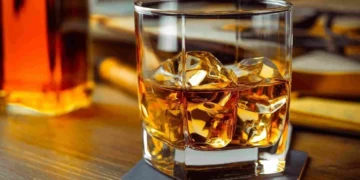
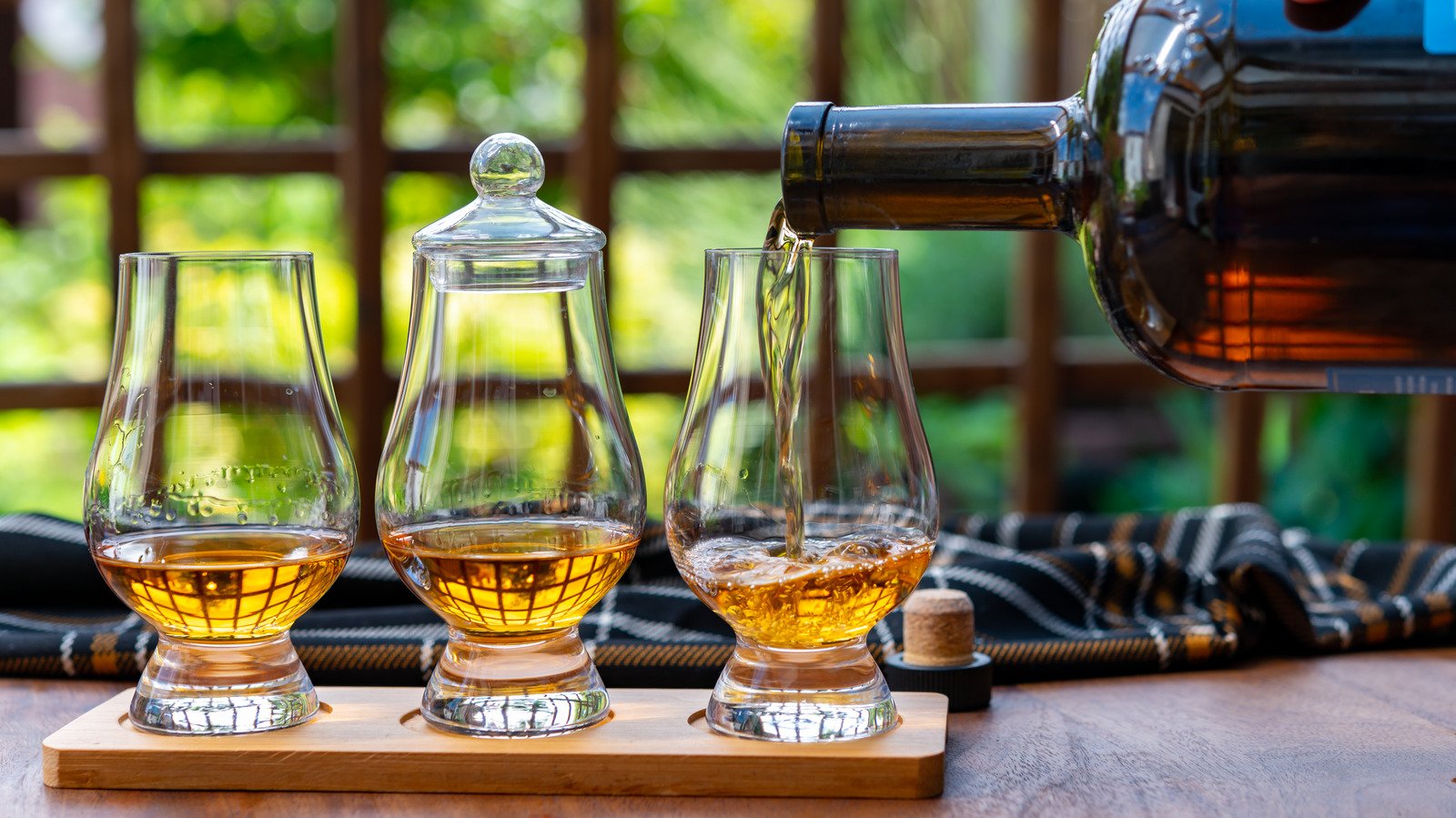
Tasting of different Scotch whisky drinks in traditional old British house with wooden windows

When it comes to whiskey, one question continues to spark debate among enthusiasts, connoisseurs, and even distillers themselves: Is there such a thing as perfect whiskey? While some may argue that perfection is an objective measure, the reality is that the answer is highly subjective. Whiskey, like art or music, touches people in different ways. A particular whiskey may be a personal favorite to one person while another might find it less appealing. So, what truly defines the “perfect” whiskey? In this article, we will explore the subjectivity of whiskey preferences, the various factors that contribute to a whiskey being considered “perfect,” and the professional tasting techniques used to evaluate whiskey quality.

The Subjectivity of Whiskey Preferences

Whiskey is a personal experience, and what may be “perfect” to one person might not resonate with another. The concept of perfection in whiskey is, in essence, shaped by individual preferences that vary greatly based on a variety of factors such as age, palate, cultural influences, and even mood. Here are some key factors that make whiskey preferences highly subjective:

1. Flavor Profile
One of the most significant contributors to the subjective nature of whiskey is its flavor profile. Some whiskey drinkers might prefer a rich, smoky flavor from a peated Scotch, while others may favor the sweet, caramel-forward notes of a Kentucky Bourbon. The balance of sweetness, bitterness, spiciness, and smokiness found in whiskey all contribute to individual taste preferences.

2. Sensory Experience
Whiskey can be enjoyed in many different ways, whether neat, on the rocks, or mixed in cocktails. The sensory experience of the whiskey—its appearance, aroma, mouthfeel, and finish—can all contribute to how a person perceives its quality. For example, some people might appreciate the mouthfeel of a rich, oily whiskey, while others might prefer a more delicate and lighter texture.

3. Personal Associations and Memories
Some whiskey enthusiasts might develop a deep connection to a particular whiskey based on memories or experiences tied to that bottle. Perhaps it’s the whiskey that was enjoyed during a celebratory occasion or a favorite dram shared with close friends. These personal associations and emotional connections can elevate the perception of a whiskey to the point where it feels perfect, even if it may not meet everyone else’s expectations.

Factors That Contribute to “Perfect” Whiskey

While the concept of “perfect whiskey” may be subjective, there are certain characteristics that experts commonly agree upon when evaluating the quality of a whiskey. These factors often serve as the criteria for what can be considered “near perfect” whiskey, though opinions may vary based on personal taste. Let’s break down some of the factors that contribute to a whiskey’s quality:

1. Balance
A perfect whiskey is often defined by its balance. This means that all the elements—sweetness, bitterness, acidity, spice, and alcohol—are in harmony. No one flavor should overpower the others, and the whiskey should feel cohesive and well-rounded. For example, a whiskey that is too sweet may feel cloying, while one that’s too bitter might be unpalatable. The perfect whiskey strikes a balance where all elements complement each other.

2. Complexity
Whiskey lovers often seek a level of complexity in their drinks. A complex whiskey will offer multiple layers of flavor, allowing the drinker to uncover new notes with each sip. For instance, a well-aged whiskey might evolve over time, with flavors like vanilla, oak, dried fruit, and spice opening up as it sits on the palate. A complex whiskey will hold your attention and engage the senses without being overwhelming.

3. Finish
The finish is the lingering taste that remains in the mouth after swallowing. A long, smooth finish is often considered a sign of quality in whiskey. A good whiskey will have a finish that is pleasant, leaving a warm, satisfying aftertaste. A short or overly harsh finish may indicate that the whiskey lacks depth or refinement.

4. Age and Maturation
Age plays a crucial role in the development of whiskey, but it isn’t the sole determinant of quality. While many people associate older whiskeys with higher quality, it’s important to note that the aging process needs to be balanced with the right environmental conditions and cask type. A whiskey that’s been over-aged might lose its vibrancy, while a younger whiskey can still be incredibly high quality if it has been well-matured in the right barrels.

5. Authenticity
The best whiskeys often reflect the heritage and craftsmanship of the distillery and its region. Whether it’s a Scotch whisky made with traditional methods in the Highlands or a Bourbon produced in the heart of Kentucky, the authenticity of the whiskey—both in terms of its ingredients and production methods—can be a key factor in its perceived perfection.

Professional Tasting Techniques for Evaluating Whiskey Quality

While whiskey appreciation is undoubtedly subjective, professionals in the industry use specific tasting techniques to evaluate the quality of a whiskey. These methods allow for a more objective and detailed assessment of the whiskey’s characteristics. Here are some of the most commonly used techniques by whiskey experts:

1. The “Four S’s” Tasting Method
The “Four S’s” method is a standard approach to tasting whiskey that involves four distinct steps: See, Swirl, Smell, and Sip. This method allows tasters to evaluate the whiskey visually, assess its aroma, and finally taste it for balance, complexity, and other key attributes.

  • See: Examine the color of the whiskey, which can give clues about its age and the type of casks used for aging. A whiskey with a darker hue might have spent more time in oak barrels.
  • Swirl: Gently swirl the whiskey in the glass to release its aromas. This step allows you to assess the whiskey’s viscosity (how it moves in the glass) and can give insight into its mouthfeel.
  • Smell: Take a deep sniff and inhale the aromas. The nose of a whiskey can reveal much about its character, from fruity and floral to smoky or spicy. The complexity of the aroma can give early clues about the whiskey’s depth.
  • Sip: Take a small sip and let the whiskey coat your mouth. Pay attention to the balance of flavors, the smoothness of the texture, and the finish. Is it smooth and velvety, or harsh and astringent? Does it evolve over time as you taste it?

2. Blind Tasting
Blind tasting is a technique used to eliminate bias when evaluating whiskey. Tasters are presented with samples without knowing their brand, age, or origin. This method allows tasters to focus solely on the quality of the whiskey without any preconceived notions. It can be especially helpful in comparing different expressions of whiskey to identify the one that stands out in terms of balance, complexity, and overall appeal.

3. Scoring Systems
Some professional whiskey tasters and organizations use scoring systems to evaluate whiskey. These scoring systems often include categories such as appearance, nose, palate, finish, and overall impression. A whiskey that scores highly across all categories is generally considered to be of exceptional quality. Some organizations, such as the Whisky Advocate and Jim Murray’s Whisky Bible, have extensive rating systems that help guide enthusiasts toward high-quality whiskeys.

Conclusion

Ultimately, the question of whether there is such a thing as perfect whiskey depends on how you define perfection. While certain qualities like balance, complexity, and smoothness are universally appreciated, the subjective nature of whiskey tasting means that what one person considers “perfect” may differ greatly from someone else’s preference. The beauty of whiskey lies in its diversity—its ability to offer something for every palate, every mood, and every occasion.

Whether you’re a novice looking to find your perfect whiskey or a seasoned connoisseur searching for the ultimate dram, remember that perfection in whiskey isn’t an absolute standard, but rather a personal and ever-evolving journey of discovery. So, raise your glass, enjoy the nuances, and embrace the individuality of whiskey.
Tags: perfect whiskeywhiskey balancewhiskey complexitywhiskey tasting techniques
ShareTweetShare

Related Posts

Can Beer Be an Effective Ingredient in Culinary Cooking?
ALL

Can Beer Be an Effective Ingredient in Culinary Cooking?

January 22, 2026
Second Fermentation in Champagne: Is It Really That Crucial?
ALL

Second Fermentation in Champagne: Is It Really That Crucial?

January 22, 2026
How Do Different Grains Impact the Flavor Profile of Distilled Spirits?
ALL

How Do Different Grains Impact the Flavor Profile of Distilled Spirits?

January 22, 2026
How Do Whiskey Master Blenders Create Perfection?
ALL

How Do Whiskey Master Blenders Create Perfection?

January 22, 2026
Wine Pairings: Can They Change the Flavor Profile of a Dish?
ALL

Wine Pairings: Can They Change the Flavor Profile of a Dish?

January 22, 2026
Beer the Ultimate Beverage for Pairing with Spicy Food?
ALL

Beer the Ultimate Beverage for Pairing with Spicy Food?

January 21, 2026
Leave Comment
  • Trending
  • Comments
  • Latest
Role of Terroir in Champagne Production

Role of Terroir in Champagne Production

January 19, 2026
Champagne Can Be Aged in Wood?

Champagne Can Be Aged in Wood?

January 18, 2026
What Hidden Craftsmanship Lies Behind a Bottle of Quality Grain Spirits?

What Hidden Craftsmanship Lies Behind a Bottle of Quality Grain Spirits?

July 3, 2025
Is Organic Wine Healthier Than Conventional Wine?

Is Organic Wine Healthier Than Conventional Wine?

January 20, 2026
The Timeless Elegance of Wine: A Journey Through History and Culture

The Timeless Elegance of Wine: A Journey Through History and Culture

Why Is Château Lafite Rothschild the Pinnacle of Fine Wine?

Why Is Château Lafite Rothschild the Pinnacle of Fine Wine?

How Did Château Lafite Rothschild Become a Global Icon of Luxury?

How Did Château Lafite Rothschild Become a Global Icon of Luxury?

What Makes Chateau Lafite Rothschild the Pinnacle of Bordeaux Wines?

What Makes Chateau Lafite Rothschild the Pinnacle of Bordeaux Wines?

Can Beer Be an Effective Ingredient in Culinary Cooking?

Can Beer Be an Effective Ingredient in Culinary Cooking?

January 22, 2026
Second Fermentation in Champagne: Is It Really That Crucial?

Second Fermentation in Champagne: Is It Really That Crucial?

January 22, 2026
How Do Different Grains Impact the Flavor Profile of Distilled Spirits?

How Do Different Grains Impact the Flavor Profile of Distilled Spirits?

January 22, 2026
How Do Whiskey Master Blenders Create Perfection?

How Do Whiskey Master Blenders Create Perfection?

January 22, 2026
SipsavorLife

Welcome to our comprehensive beverage guide, where you can explore the fascinating world of alcoholic drinks. From exquisite wines and rich whiskeys to refreshing beers and sparkling champagnes, we provide insights, tips, and recommendations for enthusiasts and casual drinkers alike. Discover your next favorite libation with us!

© 2025 sipsavorlife.com. contacts:sipsavorlife-35376@gmail.com

No Result
View All Result
  • Home
  • Wine
  • Whiskey
  • Beer
  • Grain Spirits
  • Champagne
  • ALL

© 2025 sipsavorlife.com. contacts:sipsavorlife-35376@gmail.com

Welcome Back!

Login to your account below

Forgotten Password?

Retrieve your password

Please enter your username or email address to reset your password.

Log In