





SipsavorLife
  • Home
  • Wine
    Wine as a Cultural Artifact: History, Identity, and the Evolution of Taste

    The Art and Science of Wine & Food Pairing: How to Create Perfect Matches Every Time

    Wine as a Cultural Artifact: History, Identity, and the Evolution of Taste

    A Complete Guide to Wine Styles and Grape Varieties: From Cabernet Sauvignon to Riesling

    Wine as a Cultural Artifact: History, Identity, and the Evolution of Taste

    The Global Wine Industry: Economics, Markets, and the Future of Consumption

    Wine as a Cultural Artifact: History, Identity, and the Evolution of Taste

    The Science of Wine Tasting: How Chemistry, Biology, and Perception Shape Flavor

    Wine as a Cultural Artifact: History, Identity, and the Evolution of Taste

    Wine as a Cultural Artifact: History, Identity, and the Evolution of Taste

    Red Wine — The Liquid Expression of Land, Time, and Human Intention

    The Future of Red Wine — Climate Change, Technology, and the Evolution of Taste

  • Whiskey
    Can Beer Be an Effective Ingredient in Culinary Cooking?

    Can Beer Be an Effective Ingredient in Culinary Cooking?

    Second Fermentation in Champagne: Is It Really That Crucial?

    Second Fermentation in Champagne: Is It Really That Crucial?

    How Do Different Grains Impact the Flavor Profile of Distilled Spirits?

    How Do Different Grains Impact the Flavor Profile of Distilled Spirits?

    How Do Whiskey Master Blenders Create Perfection?

    How Do Whiskey Master Blenders Create Perfection?

    Wine Pairings: Can They Change the Flavor Profile of a Dish?

    Wine Pairings: Can They Change the Flavor Profile of a Dish?

    Beer the Ultimate Beverage for Pairing with Spicy Food?

    Beer the Ultimate Beverage for Pairing with Spicy Food?

  • Beer
    Beer as a Cultural and Social Force: From Ancient Brew to Modern Identity

    The Art of Beer & Food Pairing: Unlocking Flavor Through Balance, Contrast, and Texture

    Beer as a Cultural and Social Force: From Ancient Brew to Modern Identity

    A Complete Guide to Beer Styles: From Lager to Stout, Understanding Flavor, Body, and Character

    Beer as a Cultural and Social Force: From Ancient Brew to Modern Identity

    The Global Beer Industry: Craft Revolution, Market Forces, and the Future of Brewing

    Beer as a Cultural and Social Force: From Ancient Brew to Modern Identity

    The Science of Beer: Brewing Process, Ingredients, and the Chemistry of Flavor

    Beer as a Cultural and Social Force: From Ancient Brew to Modern Identity

    Beer as a Cultural and Social Force: From Ancient Brew to Modern Identity

    The Evolution of Beer — From Ancient Brews to the Craft Revolution

    The Future of Beer — Innovation, Sustainability, and Emerging Trends

  • Grain Spirits
    Grain Spirits Explained — The Foundation of Global Distillation

    The Future of Grain Spirits — Technology, Sustainability, and the Next Era of Distillation

    Grain Spirits Explained — The Foundation of Global Distillation

    Grain Spirits Around the World — Vodka, Whisky Bases, and Industrial Applications

    Grain Spirits Explained — The Foundation of Global Distillation

    Distillation Systems — Pot Still vs Column Still, and the Balance Between Efficiency and Flavor

    Grain Spirits Explained — The Foundation of Global Distillation

    Grain Selection and Fermentation Science — How Raw Ingredients Shape Grain Spirits

    Grain Spirits Explained — The Foundation of Global Distillation

    Grain Spirits Explained — The Foundation of Global Distillation

    Grain Spirits and the Industrial Birth of Neutral Alcohol

    The Future of Grain Spirits — AI Distillation, Sustainability, and the Post-Flavor Alcohol Industry

  • Champagne
    The History of Champagne — From Accidental Sparkle to Global Luxury

    The Future of Champagne — Climate Change, Innovation, and Industry Evolution

    The History of Champagne — From Accidental Sparkle to Global Luxury

    The Culture of Champagne — Luxury, Celebration, and Global Influence

    The History of Champagne — From Accidental Sparkle to Global Luxury

    Champagne Styles Explained — Brut, Rosé, Vintage, and Beyond

    The History of Champagne — From Accidental Sparkle to Global Luxury

    The Craft of Champagne — Terroir, Grapes, and the Méthode Traditionnelle

    The History of Champagne — From Accidental Sparkle to Global Luxury

    The History of Champagne — From Accidental Sparkle to Global Luxury

    The Future of Champagne — Climate Change, Innovation, and the Evolution of Sparkling Wine

    The Future of Champagne — Climate Change, Innovation, and the Evolution of Sparkling Wine

  • ALL
    Can Beer Be an Effective Ingredient in Culinary Cooking?

    Can Beer Be an Effective Ingredient in Culinary Cooking?

    Second Fermentation in Champagne: Is It Really That Crucial?

    Second Fermentation in Champagne: Is It Really That Crucial?

    How Do Different Grains Impact the Flavor Profile of Distilled Spirits?

    How Do Different Grains Impact the Flavor Profile of Distilled Spirits?

    How Do Whiskey Master Blenders Create Perfection?

    How Do Whiskey Master Blenders Create Perfection?

    Wine Pairings: Can They Change the Flavor Profile of a Dish?

    Wine Pairings: Can They Change the Flavor Profile of a Dish?

    Beer the Ultimate Beverage for Pairing with Spicy Food?

    Beer the Ultimate Beverage for Pairing with Spicy Food?

SipsavorLife
  • Home
  • Wine
    Wine as a Cultural Artifact: History, Identity, and the Evolution of Taste

    The Art and Science of Wine & Food Pairing: How to Create Perfect Matches Every Time

    Wine as a Cultural Artifact: History, Identity, and the Evolution of Taste

    A Complete Guide to Wine Styles and Grape Varieties: From Cabernet Sauvignon to Riesling

    Wine as a Cultural Artifact: History, Identity, and the Evolution of Taste

    The Global Wine Industry: Economics, Markets, and the Future of Consumption

    Wine as a Cultural Artifact: History, Identity, and the Evolution of Taste

    The Science of Wine Tasting: How Chemistry, Biology, and Perception Shape Flavor

    Wine as a Cultural Artifact: History, Identity, and the Evolution of Taste

    Wine as a Cultural Artifact: History, Identity, and the Evolution of Taste

    Red Wine — The Liquid Expression of Land, Time, and Human Intention

    The Future of Red Wine — Climate Change, Technology, and the Evolution of Taste

  • Whiskey
    Can Beer Be an Effective Ingredient in Culinary Cooking?

    Can Beer Be an Effective Ingredient in Culinary Cooking?

    Second Fermentation in Champagne: Is It Really That Crucial?

    Second Fermentation in Champagne: Is It Really That Crucial?

    How Do Different Grains Impact the Flavor Profile of Distilled Spirits?

    How Do Different Grains Impact the Flavor Profile of Distilled Spirits?

    How Do Whiskey Master Blenders Create Perfection?

    How Do Whiskey Master Blenders Create Perfection?

    Wine Pairings: Can They Change the Flavor Profile of a Dish?

    Wine Pairings: Can They Change the Flavor Profile of a Dish?

    Beer the Ultimate Beverage for Pairing with Spicy Food?

    Beer the Ultimate Beverage for Pairing with Spicy Food?

  • Beer
    Beer as a Cultural and Social Force: From Ancient Brew to Modern Identity

    The Art of Beer & Food Pairing: Unlocking Flavor Through Balance, Contrast, and Texture

    Beer as a Cultural and Social Force: From Ancient Brew to Modern Identity

    A Complete Guide to Beer Styles: From Lager to Stout, Understanding Flavor, Body, and Character

    Beer as a Cultural and Social Force: From Ancient Brew to Modern Identity

    The Global Beer Industry: Craft Revolution, Market Forces, and the Future of Brewing

    Beer as a Cultural and Social Force: From Ancient Brew to Modern Identity

    The Science of Beer: Brewing Process, Ingredients, and the Chemistry of Flavor

    Beer as a Cultural and Social Force: From Ancient Brew to Modern Identity

    Beer as a Cultural and Social Force: From Ancient Brew to Modern Identity

    The Evolution of Beer — From Ancient Brews to the Craft Revolution

    The Future of Beer — Innovation, Sustainability, and Emerging Trends

  • Grain Spirits
    Grain Spirits Explained — The Foundation of Global Distillation

    The Future of Grain Spirits — Technology, Sustainability, and the Next Era of Distillation

    Grain Spirits Explained — The Foundation of Global Distillation

    Grain Spirits Around the World — Vodka, Whisky Bases, and Industrial Applications

    Grain Spirits Explained — The Foundation of Global Distillation

    Distillation Systems — Pot Still vs Column Still, and the Balance Between Efficiency and Flavor

    Grain Spirits Explained — The Foundation of Global Distillation

    Grain Selection and Fermentation Science — How Raw Ingredients Shape Grain Spirits

    Grain Spirits Explained — The Foundation of Global Distillation

    Grain Spirits Explained — The Foundation of Global Distillation

    Grain Spirits and the Industrial Birth of Neutral Alcohol

    The Future of Grain Spirits — AI Distillation, Sustainability, and the Post-Flavor Alcohol Industry

  • Champagne
    The History of Champagne — From Accidental Sparkle to Global Luxury

    The Future of Champagne — Climate Change, Innovation, and Industry Evolution

    The History of Champagne — From Accidental Sparkle to Global Luxury

    The Culture of Champagne — Luxury, Celebration, and Global Influence

    The History of Champagne — From Accidental Sparkle to Global Luxury

    Champagne Styles Explained — Brut, Rosé, Vintage, and Beyond

    The History of Champagne — From Accidental Sparkle to Global Luxury

    The Craft of Champagne — Terroir, Grapes, and the Méthode Traditionnelle

    The History of Champagne — From Accidental Sparkle to Global Luxury

    The History of Champagne — From Accidental Sparkle to Global Luxury

    The Future of Champagne — Climate Change, Innovation, and the Evolution of Sparkling Wine

    The Future of Champagne — Climate Change, Innovation, and the Evolution of Sparkling Wine

  • ALL
    Can Beer Be an Effective Ingredient in Culinary Cooking?

    Can Beer Be an Effective Ingredient in Culinary Cooking?

    Second Fermentation in Champagne: Is It Really That Crucial?

    Second Fermentation in Champagne: Is It Really That Crucial?

    How Do Different Grains Impact the Flavor Profile of Distilled Spirits?

    How Do Different Grains Impact the Flavor Profile of Distilled Spirits?

    How Do Whiskey Master Blenders Create Perfection?

    How Do Whiskey Master Blenders Create Perfection?

    Wine Pairings: Can They Change the Flavor Profile of a Dish?

    Wine Pairings: Can They Change the Flavor Profile of a Dish?

    Beer the Ultimate Beverage for Pairing with Spicy Food?

    Beer the Ultimate Beverage for Pairing with Spicy Food?

SipsavorLife
No Result
View All Result
Home ALL

What Happens When Whiskey Goes Beyond Oak? Exploring Unique Aging Techniques!

February 28, 2025
in ALL, Whiskey
What Happens When Whiskey Goes Beyond Oak? Exploring Unique Aging Techniques!

Aging is one of the most critical steps in whiskey production, traditionally done in oak barrels. However, as the whiskey world evolves, distillers are experimenting with a wide range of non-traditional aging casks and techniques to push the boundaries of flavor. From using different types of wood to innovative methods like finishing whiskey in unique casks, these experiments are yielding exciting new flavors and characteristics that are reshaping the whiskey industry. In this article, we’ll explore these alternative aging methods, how they impact whiskey flavor, and highlight some distilleries leading the charge with unconventional barrel-aging techniques.

Exploring Non-Traditional Aging Casks and Techniques

The art of aging whiskey in barrels is nothing new, but the idea of aging whiskey in non-traditional casks is a relatively modern innovation that has garnered attention. While oak has long been the wood of choice due to its ability to impart rich flavors, distillers are now looking beyond oak to create complex, multifaceted whiskeys. The use of various woods and casks can dramatically influence the taste, aroma, and texture of whiskey, resulting in distinctive flavor profiles that challenge traditional whiskey norms.

1. The Role of Alternative Casks
While oak casks remain the industry standard for aging whiskey, alternative wood types are making their mark. These include exotic woods such as cherry, chestnut, maple, and even Japanese Mizunara oak. Each of these woods imparts unique characteristics to the whiskey, which can add depth and nuance to the final product. Aging whiskey in different types of wood offers new possibilities for flavor profiles, allowing distillers to craft whiskeys that are unlike anything produced through traditional methods.

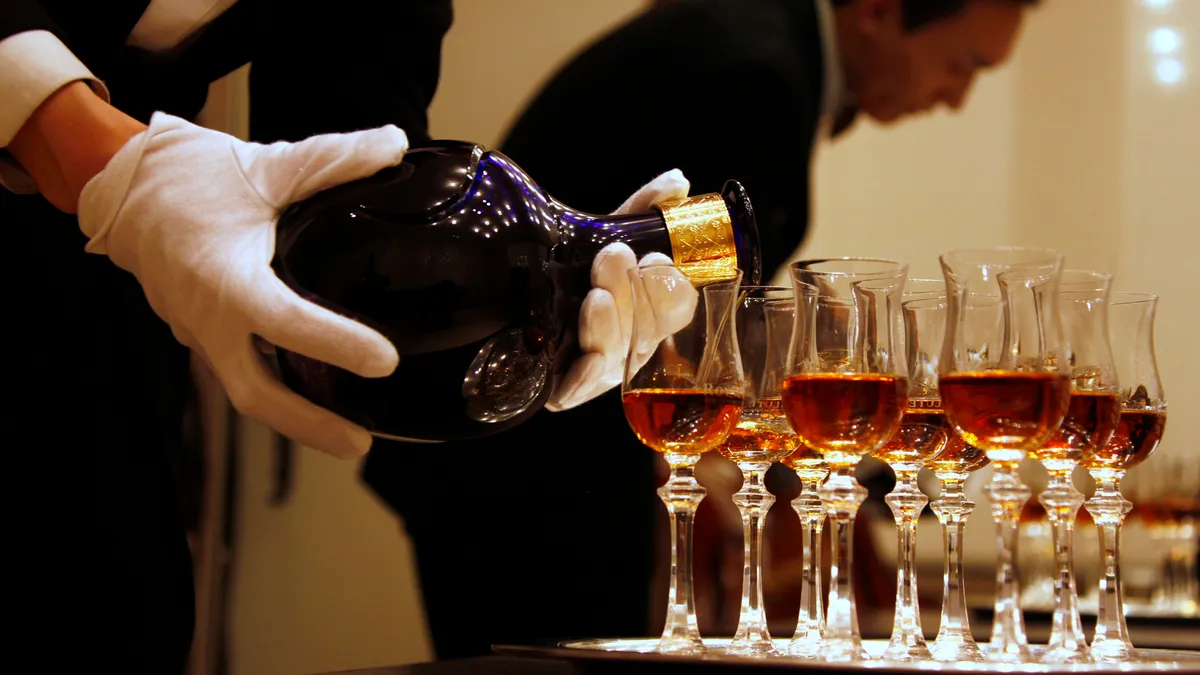
Additionally, the practice of finishing whiskey in casks that previously held other liquids, such as sherry, wine, rum, or even port, is becoming increasingly popular. This technique adds another layer of complexity and can introduce flavors like dried fruit, spice, and even sweetness that would otherwise be absent.

2. The Rise of Hybrid Aging Methods
Hybrid aging is a combination of different aging techniques, often using a blend of different casks at various stages. For instance, whiskey might start its life in an oak barrel and then undergo a finishing process in a cask previously used for another spirit or beverage. Hybrid aging methods can result in unexpected flavors, creating more depth, richness, and complexity in the whiskey. Many distilleries are experimenting with this process to enhance or highlight specific flavor profiles in their whiskey.

The Impact of Different Woods on Whiskey Flavor

The type of wood used for aging whiskey plays a crucial role in the final flavor profile. Oak, particularly American and European oak, has long been the wood of choice due to its ability to add vanilla, caramel, spice, and woody notes. However, as whiskey makers experiment with other types of wood, we see the development of exciting new flavor characteristics.

1. Cherry Wood
Cherry wood is increasingly being used for aging whiskey and is known for adding a subtle fruitiness and sweetness to the spirit. Cherry wood tends to impart a smooth, balanced flavor, often described as delicate and slightly nutty with hints of cherry and vanilla. Whiskey aged in cherry wood barrels is often lighter in color and has a more approachable flavor profile, making it ideal for those who prefer a gentler whiskey.

2. Chestnut Wood
Chestnut wood is another alternative to traditional oak barrels, providing an earthy and slightly tannic profile. Whiskey aged in chestnut casks often exhibits flavors of toasted nuts, spices, and a mild bitterness. This wood can impart a unique texture to the whiskey, making it feel fuller on the palate. The tannins in chestnut wood also contribute to a drying sensation that balances out the whiskey’s sweetness.

3. Maple Wood
Maple wood is prized for its naturally sweet flavor, which it imparts to the whiskey. Maple-aged whiskeys tend to have a smooth, syrupy sweetness, with notes of caramel, toffee, and even hints of maple syrup. This type of aging can create a mellow, rounded whiskey with a touch of sweetness that’s perfect for those who appreciate a more dessert-like flavor.

4. Mizunara Oak
Mizunara oak, a native wood from Japan, has gained popularity in whiskey production due to its unique influence on flavor. This wood imparts flavors of sandalwood, coconut, and exotic spices, which add complexity and a distinctive Eastern flair to the whiskey. Mizunara-aged whiskey often has a delicate yet profound flavor profile, making it a prized addition to premium whiskeys, especially those made in Japan.

5. Wine and Sherry Casks
Whiskey finishing in wine or sherry casks is a widely practiced technique that adds fruity, rich, and sometimes even sweet notes to the spirit. Wine casks, such as those previously used for Bordeaux or Burgundy, lend hints of red fruit, leather, and earthiness. Sherry casks bring flavors of dried fruit, nuts, and spices. Whiskey finished in these casks often takes on a smoother, rounder profile with complex layers of flavor that set it apart from traditionally aged whiskey.
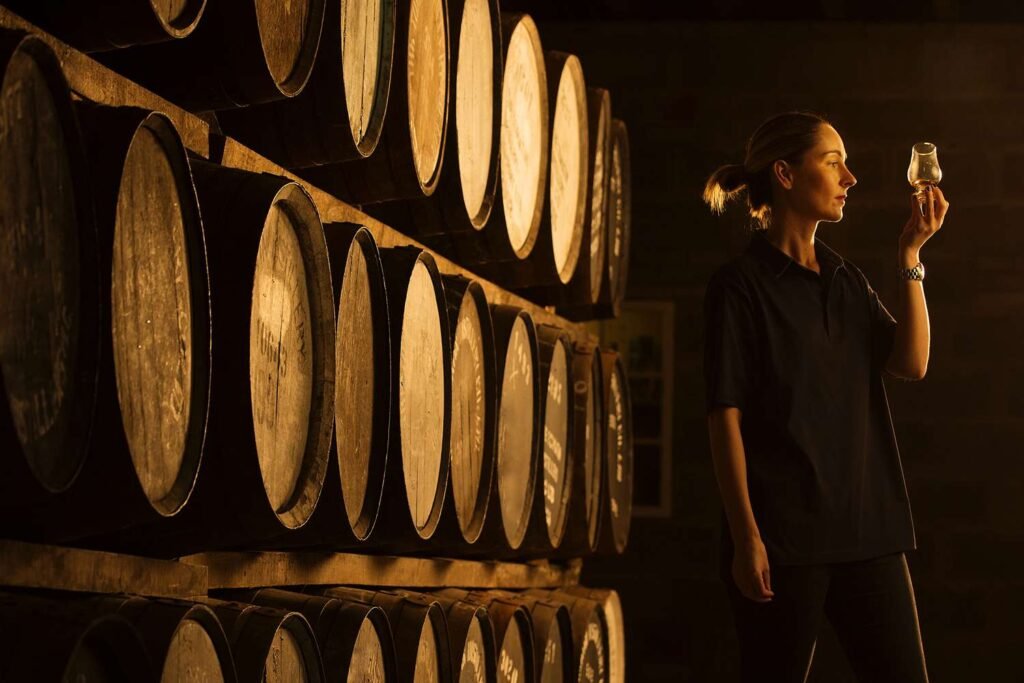
Examples of Distilleries Experimenting with Barrel-Aging Methods

Several distilleries worldwide have embraced innovative aging techniques, creating whiskeys that defy traditional expectations. Below are a few examples of distilleries pushing the boundaries of whiskey aging:

1. The GlenDronach Distillery (Scotland)
Known for its deep commitment to sherry cask aging, GlenDronach uses Spanish Oloroso and Pedro Ximénez sherry casks to finish their whiskeys. This technique adds rich, dark fruit flavors, with notes of raisins, dried figs, and chocolate. The result is a luxurious whiskey with complexity and depth that appeals to both sherry lovers and whiskey connoisseurs alike.

2. Balcones Distillery (Texas, USA)
Balcones, a craft distillery in Texas, is known for experimenting with various non-traditional aging methods. They’ve used casks that previously held other spirits, such as rum and port, as well as experimenting with Texas-grown native woods. Their Texas Blue Corn whiskey, for example, is aged in a variety of wood types, creating a distinct flavor profile that reflects the terroir of the region.

3. Kavalan Distillery (Taiwan)
Kavalan, a Taiwanese distillery, is famous for aging whiskey in a variety of casks, including American oak, sherry, and wine casks. Their innovative aging methods, combined with Taiwan’s humid climate, lead to a faster aging process, producing whiskey that is rich, smooth, and highly aromatic. Kavalan’s Solist Vinho Barrique is an example of whiskey aged in wine casks, bringing forward a complex flavor of dark berries and oak.

4. The Japanese Whiskey Scene
Distilleries in Japan, such as Suntory and Nikka, have been pioneers in using Mizunara oak for aging whiskey. This distinct wood imparts a unique aromatic profile to the spirit, with flavors of sandalwood, coconut, and spice. Japanese distilleries also experiment with finishes in other unique casks, including those used for sake or other regional liquors, which further emphasize the influence of terroir on flavor.

Conclusion

As the whiskey industry continues to evolve, non-traditional aging methods and unique wood casks are redefining how whiskey is made and tasted. These innovations are pushing the boundaries of flavor, creating whiskeys with deeper complexity, richer aromas, and surprising new characteristics that challenge preconceived notions of what whiskey should be. Whether it’s the exotic influence of Mizunara oak, the delicate touch of cherry wood, or the sweet richness imparted by sherry casks, the world of whiskey aging has become more diverse and exciting than ever before.

Distillers are continuing to explore new possibilities and perfect their aging techniques, and as a result, whiskey lovers can expect an ever-growing range of flavors to discover. The next time you sip on a glass of whiskey, remember that it may have spent time in a barrel that took it beyond the traditional oak—unlocking a new world of taste and discovery.
Tags: alternative casksnon-traditional whiskey agingwhiskey flavor profile
ShareTweetShare

Related Posts

The History of Whisky — From Monastic Origins to Global Industry
Whiskey

The Future of Whisky — Innovation, Sustainability, and Global Trends

April 25, 2026
The History of Whisky — From Monastic Origins to Global Industry
Whiskey

Whisky Culture — Rituals, Tasting, and Lifestyle

April 25, 2026
The History of Whisky — From Monastic Origins to Global Industry
Whiskey

Global Whisky Styles — Scotch, Bourbon, Japanese, and Beyond

April 25, 2026
The History of Whisky — From Monastic Origins to Global Industry
Whiskey

How Whisky Is Made — Grains, Distillation, and the Science of Aging

April 25, 2026
The History of Whisky — From Monastic Origins to Global Industry
Whiskey

The History of Whisky — From Monastic Origins to Global Industry

April 25, 2026
Whiskey and the Shape of Civilization — From Monasteries to Modern Glasses
Whiskey

The Economics of Whiskey — Scarcity, Investment, and the Psychology of Value

April 21, 2026
Leave Comment
  • Trending
  • Comments
  • Latest
Role of Terroir in Champagne Production

Role of Terroir in Champagne Production

January 19, 2026
Champagne Can Be Aged in Wood?

Champagne Can Be Aged in Wood?

January 18, 2026
Is Organic Wine Healthier Than Conventional Wine?

Is Organic Wine Healthier Than Conventional Wine?

January 20, 2026
Why Do Some Champagnes Use a High Proportion of Pinot Meunier?

Why Do Some Champagnes Use a High Proportion of Pinot Meunier?

January 20, 2026
The Timeless Elegance of Wine: A Journey Through History and Culture

The Timeless Elegance of Wine: A Journey Through History and Culture

Why Is Château Lafite Rothschild the Pinnacle of Fine Wine?

Why Is Château Lafite Rothschild the Pinnacle of Fine Wine?

How Did Château Lafite Rothschild Become a Global Icon of Luxury?

How Did Château Lafite Rothschild Become a Global Icon of Luxury?

What Makes Chateau Lafite Rothschild the Pinnacle of Bordeaux Wines?

What Makes Chateau Lafite Rothschild the Pinnacle of Bordeaux Wines?

Beer as a Cultural and Social Force: From Ancient Brew to Modern Identity

The Art of Beer & Food Pairing: Unlocking Flavor Through Balance, Contrast, and Texture

April 26, 2026
Beer as a Cultural and Social Force: From Ancient Brew to Modern Identity

A Complete Guide to Beer Styles: From Lager to Stout, Understanding Flavor, Body, and Character

April 26, 2026
Beer as a Cultural and Social Force: From Ancient Brew to Modern Identity

The Global Beer Industry: Craft Revolution, Market Forces, and the Future of Brewing

April 26, 2026
Beer as a Cultural and Social Force: From Ancient Brew to Modern Identity

The Science of Beer: Brewing Process, Ingredients, and the Chemistry of Flavor

April 26, 2026
SipsavorLife

Welcome to our comprehensive beverage guide, where you can explore the fascinating world of alcoholic drinks. From exquisite wines and rich whiskeys to refreshing beers and sparkling champagnes, we provide insights, tips, and recommendations for enthusiasts and casual drinkers alike. Discover your next favorite libation with us!

© 2025 sipsavorlife.com. contacts:sipsavorlife-35376@gmail.com

No Result
View All Result
  • Home
  • Wine
  • Whiskey
  • Beer
  • Grain Spirits
  • Champagne
  • ALL

© 2025 sipsavorlife.com. contacts:sipsavorlife-35376@gmail.com

Welcome Back!

Login to your account below

Forgotten Password?

Retrieve your password

Please enter your username or email address to reset your password.

Log In