






























SipsavorLife
  • Home
  • Wine
    The History, Culture, and Global Influence of Humanity’s Most Celebrated Beverage

    The Wine Revolution: How Modern Winemaking Transformed a Global Industry

    The History, Culture, and Global Influence of Humanity’s Most Celebrated Beverage

    Wine Styles of the World: A Complete Guide to Red, White, Rosé, Sparkling, and Fortified Wines

    The History, Culture, and Global Influence of Humanity’s Most Celebrated Beverage

    The Global Wine Industry: Markets, Trade, Tourism, and Economic Impact

    The History, Culture, and Global Influence of Humanity’s Most Celebrated Beverage

    The Science of Wine: Grapes, Fermentation, and Flavor Development

    The History, Culture, and Global Influence of Humanity’s Most Celebrated Beverage

    The History, Culture, and Global Influence of Humanity’s Most Celebrated Beverage

    The Cultural History of Wine: From Ancient Rituals to Modern Luxury

    The Psychology of Wine: Why Humans Associate Wine with Emotion, Memory, and Identity

  • Whiskey
    Can Beer Be an Effective Ingredient in Culinary Cooking?

    Can Beer Be an Effective Ingredient in Culinary Cooking?

    Second Fermentation in Champagne: Is It Really That Crucial?

    Second Fermentation in Champagne: Is It Really That Crucial?

    How Do Different Grains Impact the Flavor Profile of Distilled Spirits?

    How Do Different Grains Impact the Flavor Profile of Distilled Spirits?

    How Do Whiskey Master Blenders Create Perfection?

    How Do Whiskey Master Blenders Create Perfection?

    Wine Pairings: Can They Change the Flavor Profile of a Dish?

    Wine Pairings: Can They Change the Flavor Profile of a Dish?

    Beer the Ultimate Beverage for Pairing with Spicy Food?

    Beer the Ultimate Beverage for Pairing with Spicy Food?

  • Beer
    Malt Beer: Why Does Its Sweet Malty Aroma Always Bring Endless Satisfaction?

    The Craft Beer Revolution: How Independent Breweries Changed the World of Beer

    Beer: The World’s Oldest and Most Influential Beverage

    Beer Styles of the World: A Complete Guide to Lager, Ale, Stout, IPA, and Beyond

    Beer: The World’s Oldest and Most Influential Beverage

    The Global Beer Industry: Markets, Brands, and Economic Impact

    Beer: The World’s Oldest and Most Influential Beverage

    The Science of Beer: Ingredients, Fermentation, and Flavor

    Beer: The World’s Oldest and Most Influential Beverage

    Beer: The World’s Oldest and Most Influential Beverage

    Beer as a Cultural and Social Force: From Ancient Brew to Modern Identity

    Women in Brewing: The Untold History and Modern Transformation of Beer Culture

  • Grain Spirits
    Grain Spirits: The Origins, Science, and Global Evolution of Distilled Grain Alcohol

    Bourbon: America’s Native Grain Spirit and the Global Story of Corn, Oak, Fire, and Time

    Grain Spirits: The Origins, Science, and Global Evolution of Distilled Grain Alcohol

    Gin: Botanicals, History, Cocktail Culture, and the Artistic Evolution of the World’s Most Aromatic Grain Spirit

    Grain Spirits: The Origins, Science, and Global Evolution of Distilled Grain Alcohol

    Vodka: The Global Rise of the World’s Most Versatile Grain Spirit

    Grain Spirits: The Origins, Science, and Global Evolution of Distilled Grain Alcohol

    Whiskey and the Soul of Grain Spirits: History, Craftsmanship, Culture, and the Global Rise of the World’s Most Iconic Distilled Grain Beverage

    Grain Spirits: The Origins, Science, and Global Evolution of Distilled Grain Alcohol

    Grain Spirits: The Origins, Science, and Global Evolution of Distilled Grain Alcohol

    Grain Spirits Explained — The Foundation of Global Distillation

    The Future of Grain Spirits — Technology, Sustainability, and the Next Era of Distillation

  • Champagne
    Champagne: The Sparkling Wine That Changed Global Celebration Culture

    Dom Pérignon, Cristal, Krug, and Beyond: The World’s Most Famous Champagne Houses and Their Legacy

    Champagne Beyond Celebration: The History, Craftsmanship, and Global Influence of the World’s Most Iconic Sparkling Wine

    The Future of Champagne: Climate Change, Innovation, Sustainability, and the Next Era of Sparkling Wine

    Champagne Beyond Celebration: The History, Craftsmanship, and Global Influence of the World’s Most Iconic Sparkling Wine

    Champagne and Luxury Culture: How Sparkling Wine Became a Global Symbol of Wealth, Celebration, and Prestige

    Champagne Beyond Celebration: The History, Craftsmanship, and Global Influence of the World’s Most Iconic Sparkling Wine

    The Art of Champagne Production: Inside the Science, Skill, and Tradition Behind Every Bottle

    Champagne Beyond Celebration: The History, Craftsmanship, and Global Influence of the World’s Most Iconic Sparkling Wine

    Champagne Beyond Celebration: The History, Craftsmanship, and Global Influence of the World’s Most Iconic Sparkling Wine

    Champagne: The Sparkling Wine That Changed Global Celebration Culture

    Champagne vs Prosecco vs Cava: How the World’s Sparkling Wines Reflect Culture, Geography, and Taste

  • ALL
    Can Beer Be an Effective Ingredient in Culinary Cooking?

    Can Beer Be an Effective Ingredient in Culinary Cooking?

    Second Fermentation in Champagne: Is It Really That Crucial?

    Second Fermentation in Champagne: Is It Really That Crucial?

    How Do Different Grains Impact the Flavor Profile of Distilled Spirits?

    How Do Different Grains Impact the Flavor Profile of Distilled Spirits?

    How Do Whiskey Master Blenders Create Perfection?

    How Do Whiskey Master Blenders Create Perfection?

    Wine Pairings: Can They Change the Flavor Profile of a Dish?

    Wine Pairings: Can They Change the Flavor Profile of a Dish?

    Beer the Ultimate Beverage for Pairing with Spicy Food?

    Beer the Ultimate Beverage for Pairing with Spicy Food?

SipsavorLife
  • Home
  • Wine
    The History, Culture, and Global Influence of Humanity’s Most Celebrated Beverage

    The Wine Revolution: How Modern Winemaking Transformed a Global Industry

    The History, Culture, and Global Influence of Humanity’s Most Celebrated Beverage

    Wine Styles of the World: A Complete Guide to Red, White, Rosé, Sparkling, and Fortified Wines

    The History, Culture, and Global Influence of Humanity’s Most Celebrated Beverage

    The Global Wine Industry: Markets, Trade, Tourism, and Economic Impact

    The History, Culture, and Global Influence of Humanity’s Most Celebrated Beverage

    The Science of Wine: Grapes, Fermentation, and Flavor Development

    The History, Culture, and Global Influence of Humanity’s Most Celebrated Beverage

    The History, Culture, and Global Influence of Humanity’s Most Celebrated Beverage

    The Cultural History of Wine: From Ancient Rituals to Modern Luxury

    The Psychology of Wine: Why Humans Associate Wine with Emotion, Memory, and Identity

  • Whiskey
    Can Beer Be an Effective Ingredient in Culinary Cooking?

    Can Beer Be an Effective Ingredient in Culinary Cooking?

    Second Fermentation in Champagne: Is It Really That Crucial?

    Second Fermentation in Champagne: Is It Really That Crucial?

    How Do Different Grains Impact the Flavor Profile of Distilled Spirits?

    How Do Different Grains Impact the Flavor Profile of Distilled Spirits?

    How Do Whiskey Master Blenders Create Perfection?

    How Do Whiskey Master Blenders Create Perfection?

    Wine Pairings: Can They Change the Flavor Profile of a Dish?

    Wine Pairings: Can They Change the Flavor Profile of a Dish?

    Beer the Ultimate Beverage for Pairing with Spicy Food?

    Beer the Ultimate Beverage for Pairing with Spicy Food?

  • Beer
    Malt Beer: Why Does Its Sweet Malty Aroma Always Bring Endless Satisfaction?

    The Craft Beer Revolution: How Independent Breweries Changed the World of Beer

    Beer: The World’s Oldest and Most Influential Beverage

    Beer Styles of the World: A Complete Guide to Lager, Ale, Stout, IPA, and Beyond

    Beer: The World’s Oldest and Most Influential Beverage

    The Global Beer Industry: Markets, Brands, and Economic Impact

    Beer: The World’s Oldest and Most Influential Beverage

    The Science of Beer: Ingredients, Fermentation, and Flavor

    Beer: The World’s Oldest and Most Influential Beverage

    Beer: The World’s Oldest and Most Influential Beverage

    Beer as a Cultural and Social Force: From Ancient Brew to Modern Identity

    Women in Brewing: The Untold History and Modern Transformation of Beer Culture

  • Grain Spirits
    Grain Spirits: The Origins, Science, and Global Evolution of Distilled Grain Alcohol

    Bourbon: America’s Native Grain Spirit and the Global Story of Corn, Oak, Fire, and Time

    Grain Spirits: The Origins, Science, and Global Evolution of Distilled Grain Alcohol

    Gin: Botanicals, History, Cocktail Culture, and the Artistic Evolution of the World’s Most Aromatic Grain Spirit

    Grain Spirits: The Origins, Science, and Global Evolution of Distilled Grain Alcohol

    Vodka: The Global Rise of the World’s Most Versatile Grain Spirit

    Grain Spirits: The Origins, Science, and Global Evolution of Distilled Grain Alcohol

    Whiskey and the Soul of Grain Spirits: History, Craftsmanship, Culture, and the Global Rise of the World’s Most Iconic Distilled Grain Beverage

    Grain Spirits: The Origins, Science, and Global Evolution of Distilled Grain Alcohol

    Grain Spirits: The Origins, Science, and Global Evolution of Distilled Grain Alcohol

    Grain Spirits Explained — The Foundation of Global Distillation

    The Future of Grain Spirits — Technology, Sustainability, and the Next Era of Distillation

  • Champagne
    Champagne: The Sparkling Wine That Changed Global Celebration Culture

    Dom Pérignon, Cristal, Krug, and Beyond: The World’s Most Famous Champagne Houses and Their Legacy

    Champagne Beyond Celebration: The History, Craftsmanship, and Global Influence of the World’s Most Iconic Sparkling Wine

    The Future of Champagne: Climate Change, Innovation, Sustainability, and the Next Era of Sparkling Wine

    Champagne Beyond Celebration: The History, Craftsmanship, and Global Influence of the World’s Most Iconic Sparkling Wine

    Champagne and Luxury Culture: How Sparkling Wine Became a Global Symbol of Wealth, Celebration, and Prestige

    Champagne Beyond Celebration: The History, Craftsmanship, and Global Influence of the World’s Most Iconic Sparkling Wine

    The Art of Champagne Production: Inside the Science, Skill, and Tradition Behind Every Bottle

    Champagne Beyond Celebration: The History, Craftsmanship, and Global Influence of the World’s Most Iconic Sparkling Wine

    Champagne Beyond Celebration: The History, Craftsmanship, and Global Influence of the World’s Most Iconic Sparkling Wine

    Champagne: The Sparkling Wine That Changed Global Celebration Culture

    Champagne vs Prosecco vs Cava: How the World’s Sparkling Wines Reflect Culture, Geography, and Taste

  • ALL
    Can Beer Be an Effective Ingredient in Culinary Cooking?

    Can Beer Be an Effective Ingredient in Culinary Cooking?

    Second Fermentation in Champagne: Is It Really That Crucial?

    Second Fermentation in Champagne: Is It Really That Crucial?

    How Do Different Grains Impact the Flavor Profile of Distilled Spirits?

    How Do Different Grains Impact the Flavor Profile of Distilled Spirits?

    How Do Whiskey Master Blenders Create Perfection?

    How Do Whiskey Master Blenders Create Perfection?

    Wine Pairings: Can They Change the Flavor Profile of a Dish?

    Wine Pairings: Can They Change the Flavor Profile of a Dish?

    Beer the Ultimate Beverage for Pairing with Spicy Food?

    Beer the Ultimate Beverage for Pairing with Spicy Food?

SipsavorLife
No Result
View All Result
Home ALL

What Makes Corona Stand Out in the Beer World? A Deep Dive into Its Flavors and Features

January 11, 2025
in ALL, Beer
What Makes Corona Stand Out in the Beer World? A Deep Dive into Its Flavors and Features

Introduction: The Signature Taste of Corona

Corona is one of the most widely recognized beers in the world. Its clear glass bottle and simple, refreshing flavor have made it a go-to beer for millions of drinkers globally. More than just a drink, Corona has become synonymous with relaxation, sunshine, and moments shared with friends. But what exactly makes Corona so distinctive? How do its flavors, aroma, and texture contribute to its global popularity?

This article will explore the flavors and features of Corona, delving into its unique characteristics, the brewing process that shapes its taste, and how it maintains its appeal in an increasingly competitive beer market. Whether you’re a casual drinker or a dedicated beer enthusiast, understanding what sets Corona apart can provide a deeper appreciation for this iconic brand.


1. The Flavor Profile of Corona: Crisp, Refreshing, and Light

A. A Balanced Flavor for Every Occasion

At the heart of Corona’s appeal is its balanced and light flavor profile. Unlike many beers, which can be heavy or overly bitter, Corona offers a refreshingly crisp taste that can be easily enjoyed across various occasions. The beer’s light-bodied nature is one of the reasons it has such mass-market appeal, as it’s a versatile choice for everything from a sunny beach day to a casual get-together.

  1. Malty Sweetness The first impression of Corona is often its delicate malt sweetness. While not overpowering, the malt provides a light, bready flavor that creates a smooth base for the beer. This malt character is more subdued compared to heavier lagers or ales, making Corona an ideal choice for those seeking a less intense beer. The malt’s sweetness is clean and balanced, offering a pleasant, non-cloying sensation on the palate.
  2. Mild Bitterness The bitterness in Corona is minimal, providing a subtle yet noticeable contrast to the malt sweetness. This light bitterness is often attributed to the beer’s hops, which give it just enough edge to complement the malt without dominating the flavor profile. The hops used in Corona are not the hallmark of the beer, but their inclusion ensures that the beer doesn’t become overly sweet or flat.
  3. Crisp, Clean Finish One of the most iconic features of Corona is its crisp, clean finish. The beer has a refreshing quality that makes it easy to drink and enjoyable even in the heat of summer. The finish is smooth, with the malt’s sweetness fading away, leaving a light and thirst-quenching sensation.

2. The Features That Define Corona

A. Light Bodied and Smooth Texture

The texture of Corona is smooth and light, which contributes to its easy-drinking nature. The beer is carbonated just enough to provide a slight effervescence but not to the point where it feels overly fizzy. This smoothness allows the beer to go down easily, making it a popular choice for social occasions. Whether you’re enjoying a cold bottle by the pool or at a barbecue, the light texture of Corona means it can be consumed in larger quantities without feeling heavy or overwhelming.

B. The Iconic Lime Ritual

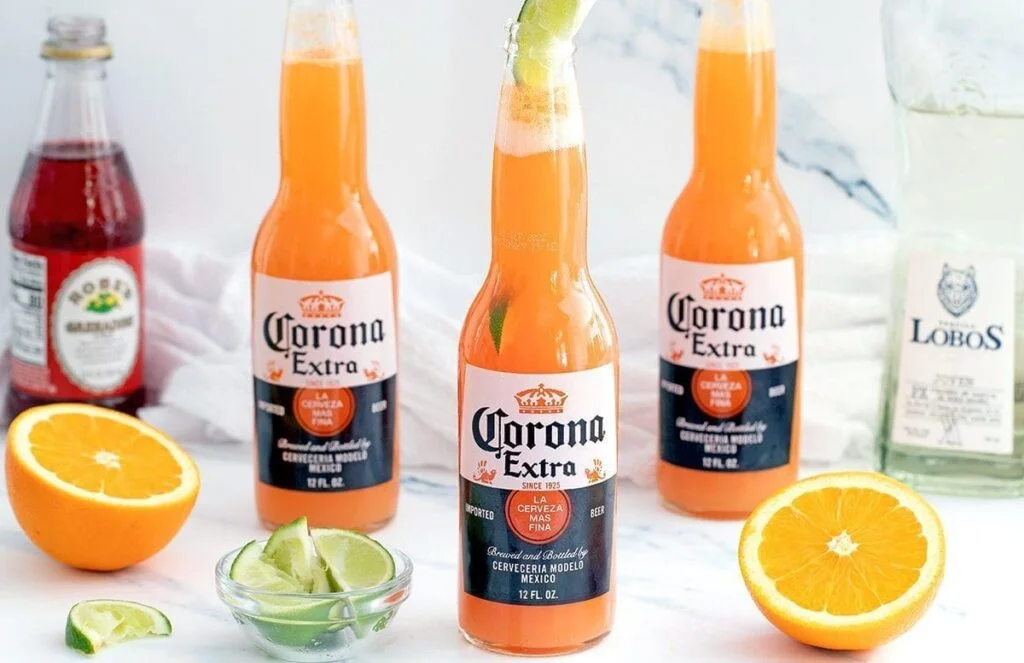
Another defining feature of Corona is the tradition of serving the beer with a lime wedge inserted into the neck of the bottle. While not an inherent flavor feature of the beer itself, the lime adds a distinctive burst of citrus to Corona. This practice not only enhances the beer’s freshness but also serves as a visual and experiential trademark of the brand.

The lime wedge offers a tart contrast to the beer’s malt sweetness, creating an added layer of flavor. This citrusy touch enhances the drink’s refreshing qualities, particularly in hot weather or during outdoor activities. The lime ritual has become so closely associated with Corona that it’s almost as if the beer is incomplete without it.


3. The Brewing Process: How It Shapes the Flavor

A. Ingredients and Their Impact on Flavor

The process of brewing Corona involves a careful selection of ingredients that play a significant role in its final taste profile. These ingredients include:

  1. Water: The water used in brewing Corona is sourced carefully to ensure purity and balance. The quality of water is crucial for the overall taste of the beer, affecting everything from its mineral content to its ability to dissolve the hops and malt sugars properly.
  2. Barley Malt: The malted barley used in Corona is light and minimally roasted, contributing to its light, crisp flavor and smooth mouthfeel. The subtle malt sweetness is a key feature of the beer, providing a clean base for the hops and other ingredients.
  3. Hops: While not as pronounced in Corona as in other beer styles, the hops used in brewing provide a light bitterness that balances out the malt sweetness. The hops also contribute to the beer’s refreshing character, ensuring that the beer doesn’t become overly sweet or heavy.
  4. Yeast: The yeast used in Corona fermentation contributes to the beer’s light, clean finish. It helps in the fermentation process by converting sugars into alcohol and carbon dioxide, while also influencing the aroma and subtle flavors of the beer.
  5. Rice: Corona uses rice in its brewing process, which is less common in some other beers. The addition of rice lightens the body of the beer and enhances its crispness. This makes it easy to drink, especially on hot days, as the rice helps reduce the beer’s heaviness.
B. The Brewing Process

The brewing process for Corona is relatively straightforward but requires a high level of expertise to maintain the beer’s signature flavor. The combination of ingredients is boiled together, allowing the hops to impart their subtle bitterness. After boiling, the mixture is cooled and fermented, allowing the yeast to do its work. The beer is then filtered and carbonated before being packaged in its iconic clear bottle.

The brewing process is essential for achieving the consistency that Corona is known for. Whether you’re drinking a bottle from Mexico or a can from the United States, the flavor remains remarkably consistent due to the company’s dedication to quality control. This consistency in flavor is what has allowed Corona to become such a trusted and widely recognized brand.


4. The Packaging: Clear Bottle, Clear Taste

A. The Distinctive Glass Bottle

Corona’s clear bottle is one of its most recognizable features. The use of clear glass allows consumers to see the beer inside, showcasing its bright, golden color. This distinctive packaging not only sets Corona apart from other beers, but it also reinforces the beer’s image as a premium product.

The clear glass is also a strategic decision made by Grupo Modelo to allow the beer to stand out in a crowded market. Consumers are naturally drawn to the transparent bottle, which conveys a sense of purity and transparency. The simplicity of the packaging, with its gold labeling and crown logo, makes Corona instantly recognizable.

B. Lime Ritual and the Packaging Experience

As mentioned earlier, the tradition of adding a lime wedge to the bottle is an essential part of the Corona experience. The design of the bottle, with its wide neck, allows the lime to fit easily, creating a visually striking and memorable product presentation. This simple yet effective design has become a hallmark of the brand, making it synonymous with refreshing enjoyment and relaxation.


5. Corona’s Place in the Beer Market

A. Accessibility and Mass Appeal

One of the key reasons for Corona’s success is its accessibility and mass appeal. The beer is light and drinkable, making it a versatile choice for many occasions. Its clean, crisp flavor means it pairs well with a wide variety of foods, from grilled meats to seafood and light snacks. This flexibility has helped Corona expand beyond its roots in Mexico to become a global beer brand with a presence in over 180 countries.

B. Consistency in Flavor and Quality

Corona’s ability to maintain consistent flavor and quality has helped it remain one of the world’s leading beer brands. Whether you’re sipping it in the United States, Europe, or Latin America, the taste of Corona remains remarkably similar, a testament to the brand’s commitment to quality control and brewing expertise.


Conclusion: The Enduring Popularity of Corona

From its distinctive clear bottle and smooth flavor to its cultural association with relaxation and sun-filled days, Corona has become more than just a beer—it’s an experience. Its light body, refreshing taste, and the signature lime ritual have made it a go-to beverage for millions of people around the world. The carefully crafted balance of malt sweetness, subtle bitterness, and clean finish make Corona a unique beer that has stood the test of time.

As we’ve explored, the brewing process, ingredients, and packaging all contribute to the distinctive features of Corona, ensuring that it remains a beloved and iconic brand in the beer market. Whether you’re cracking open a bottle on a hot day or enjoying it with friends at a celebration, Corona continues to be a symbol of leisure, fun, and great taste.


Tags: beerCultureflavorsHealthHistoryInnovation
ShareTweetShare

Related Posts

Malt Beer: Why Does Its Sweet Malty Aroma Always Bring Endless Satisfaction?
Beer

The Craft Beer Revolution: How Independent Breweries Changed the World of Beer

June 3, 2026
Beer: The World’s Oldest and Most Influential Beverage
Beer

Beer Styles of the World: A Complete Guide to Lager, Ale, Stout, IPA, and Beyond

June 3, 2026
Beer: The World’s Oldest and Most Influential Beverage
Beer

The Global Beer Industry: Markets, Brands, and Economic Impact

June 3, 2026
Beer: The World’s Oldest and Most Influential Beverage
Beer

The Science of Beer: Ingredients, Fermentation, and Flavor

June 3, 2026
Beer: The World’s Oldest and Most Influential Beverage
Beer

Beer: The World’s Oldest and Most Influential Beverage

June 3, 2026
Beer as a Cultural and Social Force: From Ancient Brew to Modern Identity
Beer

Women in Brewing: The Untold History and Modern Transformation of Beer Culture

May 23, 2026
Leave Comment
  • Trending
  • Comments
  • Latest
Role of Terroir in Champagne Production

Role of Terroir in Champagne Production

January 19, 2026
Champagne Can Be Aged in Wood?

Champagne Can Be Aged in Wood?

January 18, 2026
Is Organic Wine Healthier Than Conventional Wine?

Is Organic Wine Healthier Than Conventional Wine?

January 20, 2026
Why Do Some Champagnes Use a High Proportion of Pinot Meunier?

Why Do Some Champagnes Use a High Proportion of Pinot Meunier?

January 20, 2026
The Timeless Elegance of Wine: A Journey Through History and Culture

The Timeless Elegance of Wine: A Journey Through History and Culture

Why Is Château Lafite Rothschild the Pinnacle of Fine Wine?

Why Is Château Lafite Rothschild the Pinnacle of Fine Wine?

How Did Château Lafite Rothschild Become a Global Icon of Luxury?

How Did Château Lafite Rothschild Become a Global Icon of Luxury?

What Makes Chateau Lafite Rothschild the Pinnacle of Bordeaux Wines?

What Makes Chateau Lafite Rothschild the Pinnacle of Bordeaux Wines?

The History, Culture, and Global Influence of Humanity’s Most Celebrated Beverage

The Wine Revolution: How Modern Winemaking Transformed a Global Industry

June 3, 2026
The History, Culture, and Global Influence of Humanity’s Most Celebrated Beverage

Wine Styles of the World: A Complete Guide to Red, White, Rosé, Sparkling, and Fortified Wines

June 3, 2026
The History, Culture, and Global Influence of Humanity’s Most Celebrated Beverage

The Global Wine Industry: Markets, Trade, Tourism, and Economic Impact

June 3, 2026
The History, Culture, and Global Influence of Humanity’s Most Celebrated Beverage

The Science of Wine: Grapes, Fermentation, and Flavor Development

June 3, 2026
SipsavorLife

Welcome to our comprehensive beverage guide, where you can explore the fascinating world of alcoholic drinks. From exquisite wines and rich whiskeys to refreshing beers and sparkling champagnes, we provide insights, tips, and recommendations for enthusiasts and casual drinkers alike. Discover your next favorite libation with us!

© 2025 sipsavorlife.com. contacts:sipsavorlife-35376@gmail.com

No Result
View All Result
  • Home
  • Wine
  • Whiskey
  • Beer
  • Grain Spirits
  • Champagne
  • ALL

© 2025 sipsavorlife.com. contacts:sipsavorlife-35376@gmail.com

Welcome Back!

Login to your account below

Forgotten Password?

Retrieve your password

Please enter your username or email address to reset your password.

Log In





