












SipsavorLife
  • Home
  • Wine
    The History, Culture, and Global Influence of Humanity’s Most Celebrated Beverage

    The Wine Revolution: How Modern Winemaking Transformed a Global Industry

    The History, Culture, and Global Influence of Humanity’s Most Celebrated Beverage

    Wine Styles of the World: A Complete Guide to Red, White, Rosé, Sparkling, and Fortified Wines

    The History, Culture, and Global Influence of Humanity’s Most Celebrated Beverage

    The Global Wine Industry: Markets, Trade, Tourism, and Economic Impact

    The History, Culture, and Global Influence of Humanity’s Most Celebrated Beverage

    The Science of Wine: Grapes, Fermentation, and Flavor Development

    The History, Culture, and Global Influence of Humanity’s Most Celebrated Beverage

    The History, Culture, and Global Influence of Humanity’s Most Celebrated Beverage

    The Cultural History of Wine: From Ancient Rituals to Modern Luxury

    The Psychology of Wine: Why Humans Associate Wine with Emotion, Memory, and Identity

  • Whiskey
    Can Beer Be an Effective Ingredient in Culinary Cooking?

    Can Beer Be an Effective Ingredient in Culinary Cooking?

    Second Fermentation in Champagne: Is It Really That Crucial?

    Second Fermentation in Champagne: Is It Really That Crucial?

    How Do Different Grains Impact the Flavor Profile of Distilled Spirits?

    How Do Different Grains Impact the Flavor Profile of Distilled Spirits?

    How Do Whiskey Master Blenders Create Perfection?

    How Do Whiskey Master Blenders Create Perfection?

    Wine Pairings: Can They Change the Flavor Profile of a Dish?

    Wine Pairings: Can They Change the Flavor Profile of a Dish?

    Beer the Ultimate Beverage for Pairing with Spicy Food?

    Beer the Ultimate Beverage for Pairing with Spicy Food?

  • Beer
    Malt Beer: Why Does Its Sweet Malty Aroma Always Bring Endless Satisfaction?

    The Craft Beer Revolution: How Independent Breweries Changed the World of Beer

    Beer: The World’s Oldest and Most Influential Beverage

    Beer Styles of the World: A Complete Guide to Lager, Ale, Stout, IPA, and Beyond

    Beer: The World’s Oldest and Most Influential Beverage

    The Global Beer Industry: Markets, Brands, and Economic Impact

    Beer: The World’s Oldest and Most Influential Beverage

    The Science of Beer: Ingredients, Fermentation, and Flavor

    Beer: The World’s Oldest and Most Influential Beverage

    Beer: The World’s Oldest and Most Influential Beverage

    Beer as a Cultural and Social Force: From Ancient Brew to Modern Identity

    Women in Brewing: The Untold History and Modern Transformation of Beer Culture

  • Grain Spirits
    Grain Spirits: The Origins, Science, and Global Evolution of Distilled Grain Alcohol

    Bourbon: America’s Native Grain Spirit and the Global Story of Corn, Oak, Fire, and Time

    Grain Spirits: The Origins, Science, and Global Evolution of Distilled Grain Alcohol

    Gin: Botanicals, History, Cocktail Culture, and the Artistic Evolution of the World’s Most Aromatic Grain Spirit

    Grain Spirits: The Origins, Science, and Global Evolution of Distilled Grain Alcohol

    Vodka: The Global Rise of the World’s Most Versatile Grain Spirit

    Grain Spirits: The Origins, Science, and Global Evolution of Distilled Grain Alcohol

    Whiskey and the Soul of Grain Spirits: History, Craftsmanship, Culture, and the Global Rise of the World’s Most Iconic Distilled Grain Beverage

    Grain Spirits: The Origins, Science, and Global Evolution of Distilled Grain Alcohol

    Grain Spirits: The Origins, Science, and Global Evolution of Distilled Grain Alcohol

    Grain Spirits Explained — The Foundation of Global Distillation

    The Future of Grain Spirits — Technology, Sustainability, and the Next Era of Distillation

  • Champagne
    Champagne: The Sparkling Wine That Changed Global Celebration Culture

    Dom Pérignon, Cristal, Krug, and Beyond: The World’s Most Famous Champagne Houses and Their Legacy

    Champagne Beyond Celebration: The History, Craftsmanship, and Global Influence of the World’s Most Iconic Sparkling Wine

    The Future of Champagne: Climate Change, Innovation, Sustainability, and the Next Era of Sparkling Wine

    Champagne Beyond Celebration: The History, Craftsmanship, and Global Influence of the World’s Most Iconic Sparkling Wine

    Champagne and Luxury Culture: How Sparkling Wine Became a Global Symbol of Wealth, Celebration, and Prestige

    Champagne Beyond Celebration: The History, Craftsmanship, and Global Influence of the World’s Most Iconic Sparkling Wine

    The Art of Champagne Production: Inside the Science, Skill, and Tradition Behind Every Bottle

    Champagne Beyond Celebration: The History, Craftsmanship, and Global Influence of the World’s Most Iconic Sparkling Wine

    Champagne Beyond Celebration: The History, Craftsmanship, and Global Influence of the World’s Most Iconic Sparkling Wine

    Champagne: The Sparkling Wine That Changed Global Celebration Culture

    Champagne vs Prosecco vs Cava: How the World’s Sparkling Wines Reflect Culture, Geography, and Taste

  • ALL
    Can Beer Be an Effective Ingredient in Culinary Cooking?

    Can Beer Be an Effective Ingredient in Culinary Cooking?

    Second Fermentation in Champagne: Is It Really That Crucial?

    Second Fermentation in Champagne: Is It Really That Crucial?

    How Do Different Grains Impact the Flavor Profile of Distilled Spirits?

    How Do Different Grains Impact the Flavor Profile of Distilled Spirits?

    How Do Whiskey Master Blenders Create Perfection?

    How Do Whiskey Master Blenders Create Perfection?

    Wine Pairings: Can They Change the Flavor Profile of a Dish?

    Wine Pairings: Can They Change the Flavor Profile of a Dish?

    Beer the Ultimate Beverage for Pairing with Spicy Food?

    Beer the Ultimate Beverage for Pairing with Spicy Food?

SipsavorLife
  • Home
  • Wine
    The History, Culture, and Global Influence of Humanity’s Most Celebrated Beverage

    The Wine Revolution: How Modern Winemaking Transformed a Global Industry

    The History, Culture, and Global Influence of Humanity’s Most Celebrated Beverage

    Wine Styles of the World: A Complete Guide to Red, White, Rosé, Sparkling, and Fortified Wines

    The History, Culture, and Global Influence of Humanity’s Most Celebrated Beverage

    The Global Wine Industry: Markets, Trade, Tourism, and Economic Impact

    The History, Culture, and Global Influence of Humanity’s Most Celebrated Beverage

    The Science of Wine: Grapes, Fermentation, and Flavor Development

    The History, Culture, and Global Influence of Humanity’s Most Celebrated Beverage

    The History, Culture, and Global Influence of Humanity’s Most Celebrated Beverage

    The Cultural History of Wine: From Ancient Rituals to Modern Luxury

    The Psychology of Wine: Why Humans Associate Wine with Emotion, Memory, and Identity

  • Whiskey
    Can Beer Be an Effective Ingredient in Culinary Cooking?

    Can Beer Be an Effective Ingredient in Culinary Cooking?

    Second Fermentation in Champagne: Is It Really That Crucial?

    Second Fermentation in Champagne: Is It Really That Crucial?

    How Do Different Grains Impact the Flavor Profile of Distilled Spirits?

    How Do Different Grains Impact the Flavor Profile of Distilled Spirits?

    How Do Whiskey Master Blenders Create Perfection?

    How Do Whiskey Master Blenders Create Perfection?

    Wine Pairings: Can They Change the Flavor Profile of a Dish?

    Wine Pairings: Can They Change the Flavor Profile of a Dish?

    Beer the Ultimate Beverage for Pairing with Spicy Food?

    Beer the Ultimate Beverage for Pairing with Spicy Food?

  • Beer
    Malt Beer: Why Does Its Sweet Malty Aroma Always Bring Endless Satisfaction?

    The Craft Beer Revolution: How Independent Breweries Changed the World of Beer

    Beer: The World’s Oldest and Most Influential Beverage

    Beer Styles of the World: A Complete Guide to Lager, Ale, Stout, IPA, and Beyond

    Beer: The World’s Oldest and Most Influential Beverage

    The Global Beer Industry: Markets, Brands, and Economic Impact

    Beer: The World’s Oldest and Most Influential Beverage

    The Science of Beer: Ingredients, Fermentation, and Flavor

    Beer: The World’s Oldest and Most Influential Beverage

    Beer: The World’s Oldest and Most Influential Beverage

    Beer as a Cultural and Social Force: From Ancient Brew to Modern Identity

    Women in Brewing: The Untold History and Modern Transformation of Beer Culture

  • Grain Spirits
    Grain Spirits: The Origins, Science, and Global Evolution of Distilled Grain Alcohol

    Bourbon: America’s Native Grain Spirit and the Global Story of Corn, Oak, Fire, and Time

    Grain Spirits: The Origins, Science, and Global Evolution of Distilled Grain Alcohol

    Gin: Botanicals, History, Cocktail Culture, and the Artistic Evolution of the World’s Most Aromatic Grain Spirit

    Grain Spirits: The Origins, Science, and Global Evolution of Distilled Grain Alcohol

    Vodka: The Global Rise of the World’s Most Versatile Grain Spirit

    Grain Spirits: The Origins, Science, and Global Evolution of Distilled Grain Alcohol

    Whiskey and the Soul of Grain Spirits: History, Craftsmanship, Culture, and the Global Rise of the World’s Most Iconic Distilled Grain Beverage

    Grain Spirits: The Origins, Science, and Global Evolution of Distilled Grain Alcohol

    Grain Spirits: The Origins, Science, and Global Evolution of Distilled Grain Alcohol

    Grain Spirits Explained — The Foundation of Global Distillation

    The Future of Grain Spirits — Technology, Sustainability, and the Next Era of Distillation

  • Champagne
    Champagne: The Sparkling Wine That Changed Global Celebration Culture

    Dom Pérignon, Cristal, Krug, and Beyond: The World’s Most Famous Champagne Houses and Their Legacy

    Champagne Beyond Celebration: The History, Craftsmanship, and Global Influence of the World’s Most Iconic Sparkling Wine

    The Future of Champagne: Climate Change, Innovation, Sustainability, and the Next Era of Sparkling Wine

    Champagne Beyond Celebration: The History, Craftsmanship, and Global Influence of the World’s Most Iconic Sparkling Wine

    Champagne and Luxury Culture: How Sparkling Wine Became a Global Symbol of Wealth, Celebration, and Prestige

    Champagne Beyond Celebration: The History, Craftsmanship, and Global Influence of the World’s Most Iconic Sparkling Wine

    The Art of Champagne Production: Inside the Science, Skill, and Tradition Behind Every Bottle

    Champagne Beyond Celebration: The History, Craftsmanship, and Global Influence of the World’s Most Iconic Sparkling Wine

    Champagne Beyond Celebration: The History, Craftsmanship, and Global Influence of the World’s Most Iconic Sparkling Wine

    Champagne: The Sparkling Wine That Changed Global Celebration Culture

    Champagne vs Prosecco vs Cava: How the World’s Sparkling Wines Reflect Culture, Geography, and Taste

  • ALL
    Can Beer Be an Effective Ingredient in Culinary Cooking?

    Can Beer Be an Effective Ingredient in Culinary Cooking?

    Second Fermentation in Champagne: Is It Really That Crucial?

    Second Fermentation in Champagne: Is It Really That Crucial?

    How Do Different Grains Impact the Flavor Profile of Distilled Spirits?

    How Do Different Grains Impact the Flavor Profile of Distilled Spirits?

    How Do Whiskey Master Blenders Create Perfection?

    How Do Whiskey Master Blenders Create Perfection?

    Wine Pairings: Can They Change the Flavor Profile of a Dish?

    Wine Pairings: Can They Change the Flavor Profile of a Dish?

    Beer the Ultimate Beverage for Pairing with Spicy Food?

    Beer the Ultimate Beverage for Pairing with Spicy Food?

SipsavorLife
No Result
View All Result
Home ALL

What Makes Jack Daniel’s Whiskey So Distinctive in Flavor and Character?

January 10, 2025
in ALL, Grain Spirits
What Makes Jack Daniel’s Whiskey So Distinctive in Flavor and Character?

Introduction

When you think of American whiskey, one name stands above the rest: Jack Daniel’s. It’s a brand that has become synonymous with quality, craftsmanship, and a distinctly smooth, mellow flavor. Whether you enjoy it straight, on the rocks, or mixed into a cocktail, Jack Daniel’s is one of the most beloved and iconic whiskey brands worldwide. But what exactly makes Jack Daniel’s whiskey stand out from the crowd? What are the unique characteristics and flavor profiles that set it apart from other whiskeys, such as bourbon, rye, and Scotch?

In this article, we will delve deep into the flavor and characteristics of Jack Daniel’s whiskey. We will examine the processes that make it unique, the role of ingredients, and the key elements that define its taste. Additionally, we will explore how Jack Daniel’s compares to other whiskeys in terms of flavor, consistency, and identity, providing a detailed analysis of its complex and yet approachable flavor profile.


The Jack Daniel’s Heritage: A Foundation for Flavor

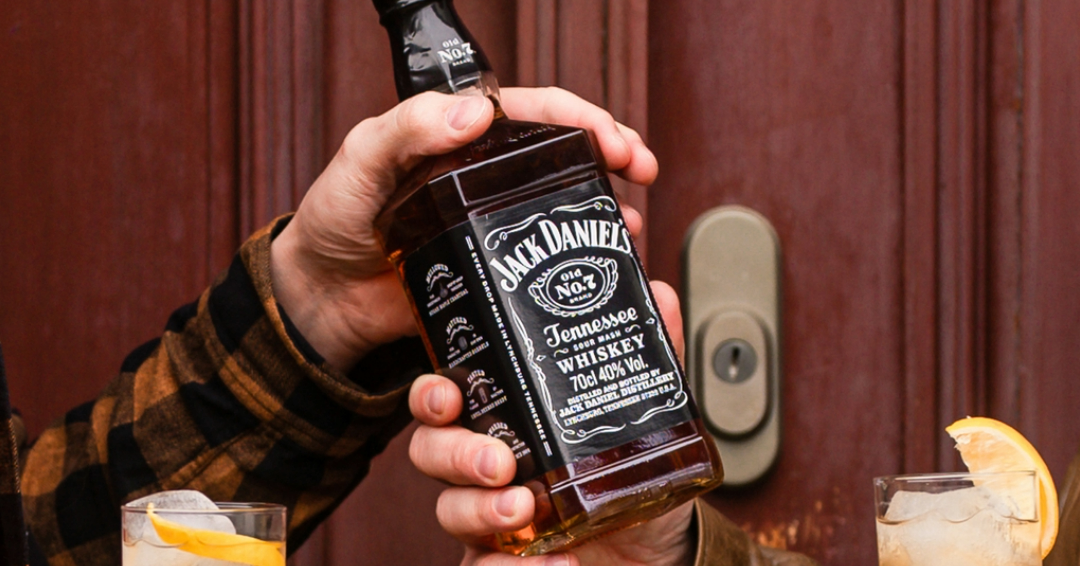
To understand the distinct taste of Jack Daniel’s, we must first look at its history and production process. Founded in 1866 by Jasper Newton “Jack” Daniel in Lynchburg, Tennessee, Jack Daniel’s has adhered to a strict commitment to craftsmanship and tradition, something that is at the core of its flavor profile. Jack Daniel’s is produced using a variety of ingredients and methods that contribute to its signature smoothness and richness.

Jack Daniel’s is not just any Tennessee whiskey. It is often classified as a “Tennessee Whiskey,” which distinguishes it from bourbon. Though similar to bourbon in many ways, including the use of corn as the primary grain, Tennessee whiskey undergoes an additional step known as the Lincoln County Process. This involves filtering the whiskey through charcoal before it is aged in oak barrels. This unique step imparts a smoothness to the whiskey that makes Jack Daniel’s distinct from other types of whiskey, such as bourbon and Scotch.

The combination of Jack Daniel’s production methods, the specific ingredients used, and its long maturation process contribute to its characteristic flavor, which has helped it become one of the world’s most popular whiskey brands.


The Ingredients: A Balancing Act of Corn, Rye, and Barley

At its core, Jack Daniel’s whiskey is made from a blend of three primary ingredients: corn, rye, and barley. These grains contribute to the final taste in different ways, with each playing a role in creating the smooth, approachable character that Jack Daniel’s is known for.

Corn: Jack Daniel’s uses a mash bill that is predominantly made up of corn—around 80%. Corn provides the sweetness and body to the whiskey, contributing to its smooth, rich mouthfeel. It also plays a vital role in the overall texture of the whiskey, giving it that signature roundness that is so often associated with Jack Daniel’s.

Rye: Rye, while only accounting for about 12% of the mash bill, plays an important role in giving the whiskey its depth and spice. Rye is known for adding a peppery and slightly spicy note to whiskey, which helps to balance out the sweetness from the corn. In Jack Daniel’s, the rye contributes to the whiskey’s complexity without overpowering the smoother, sweeter qualities.

Barley: The final 8% of the mash bill consists of malted barley, which contributes a subtle malty sweetness. Barley also aids in the fermentation process, ensuring that the yeast has the nutrients it needs to produce the desired flavor profile.


The Lincoln County Process: Charcoal Mellowing for Smoothness

One of the defining features of Jack Daniel’s whiskey is the Lincoln County Process, a technique that sets it apart from other whiskeys. This step involves filtering the freshly distilled whiskey through charcoal before it is aged in barrels. The charcoal used in this process is made from sugar maple trees, which adds a unique flavor to the whiskey.

The filtration process works by removing impurities from the whiskey and smoothing out some of the harsher notes. This results in a whiskey that is smoother and mellower than many other whiskeys on the market. The charcoal mellowing process is key to the unique flavor profile of Jack Daniel’s and contributes to its signature smoothness, making it easy to sip or mix into cocktails without overwhelming the palate.
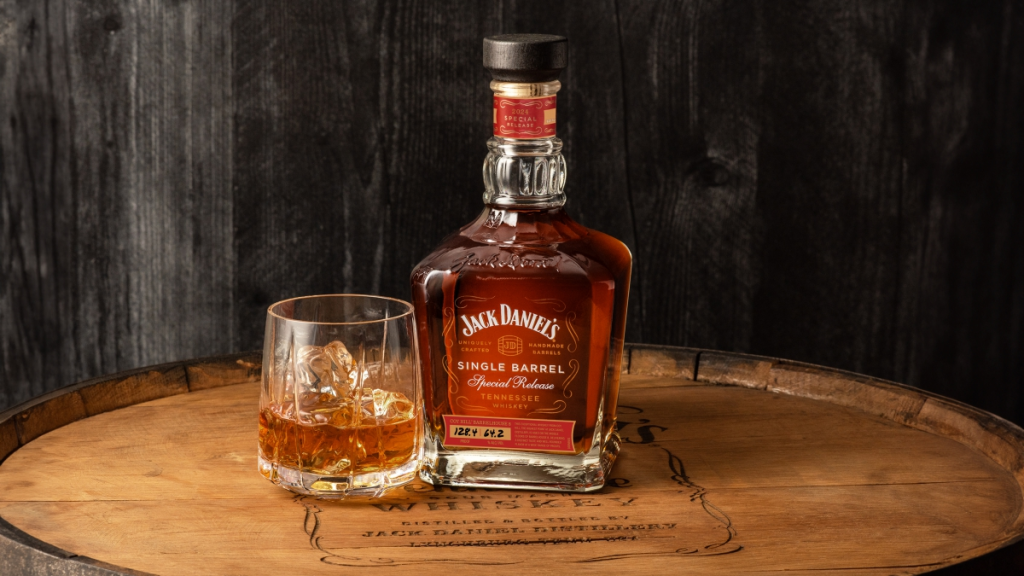

Oak Barrel Aging: Maturation for Depth and Complexity

Like all whiskeys, Jack Daniel’s undergoes a period of aging in oak barrels, which further shapes its flavor. The aging process is crucial to developing the complexity, depth, and character of the whiskey. The wood imparts flavors of vanilla, caramel, and spice, while also softening the whiskey and allowing it to develop its smooth, mellow character.

The specific barrels used for aging Jack Daniel’s are American oak barrels that are charred on the inside to help extract flavors from the wood. The barrels are carefully selected to ensure that the whiskey matures in an environment that promotes balance and harmony. The climate in Lynchburg, Tennessee, also plays a role in the aging process, as the temperature fluctuations between summer and winter allow the whiskey to expand and contract within the barrels, drawing out deeper flavors.

Jack Daniel’s Old No. 7, the flagship product, is typically aged for a minimum of 4 to 5 years, although some limited-edition and single barrel expressions are aged longer to achieve a more refined and robust flavor.


Flavor Profile: What Does Jack Daniel’s Taste Like?

Jack Daniel’s is known for its smoothness, sweetness, and mellow flavors, but it is also a whiskey with depth and complexity. The flavors are balanced, with no single note overwhelming the others. Let’s break down the key tasting notes that define the flavor profile of Jack Daniel’s Old No. 7:

Nose: The aroma of Jack Daniel’s is warm, inviting, and rich with notes of caramel, vanilla, and a hint of toasted oak. The smell is smooth and balanced, with subtle layers of sweetness and spice that set the stage for the first sip.

Palate: On the palate, Jack Daniel’s Old No. 7 offers a mellow sweetness, thanks to the corn in the mash bill. The caramel and vanilla flavors are more prominent, with hints of honey and butterscotch. As you sip, the rye adds a touch of spice and warmth, while the oak influences the whiskey with a light smokiness. The whiskey is incredibly smooth, with a creamy mouthfeel that is both satisfying and easy-drinking.

Finish: The finish of Jack Daniel’s is long and smooth, with lingering notes of vanilla and caramel. The charcoal mellowing process ensures that the whiskey is exceptionally smooth, leaving a pleasant and clean aftertaste that is neither too dry nor too astringent. There’s a slight smokiness, which is characteristic of the Lincoln County Process, but it doesn’t overpower the sweeter notes of the whiskey.

Overall, the flavor profile of Jack Daniel’s Old No. 7 is well-balanced and approachable. It is a whiskey that is both complex and easy to enjoy, with rich flavors that unfold with each sip. The smoothness and sweetness make it a versatile whiskey that appeals to a wide range of drinkers, whether they are whiskey aficionados or newcomers to the spirit.


Comparisons to Other Whiskeys

When comparing Jack Daniel’s to other types of whiskey, such as bourbon, Scotch, and rye, its flavor profile stands out due to its smoothness and balance. Here’s how Jack Daniel’s measures up to other whiskeys in terms of flavor:

Jack Daniel’s vs. Bourbon: While Jack Daniel’s is often compared to bourbon due to its use of corn in the mash bill, it differs in its charcoal mellowing process. Bourbon tends to have a stronger flavor profile, with more emphasis on caramel, toffee, and spice. Jack Daniel’s, on the other hand, is smoother and less intense, with a rounder, more mellow flavor. The Lincoln County Process gives Jack Daniel’s a subtle smokiness that bourbon lacks.

Jack Daniel’s vs. Rye Whiskey: Rye whiskey is known for its spiciness, which gives it a sharper, more assertive flavor. Jack Daniel’s, by contrast, is much smoother, with a balanced sweetness that is more approachable. While rye whiskey often has a bold peppery finish, Jack Daniel’s has a rounder, sweeter finish that makes it more versatile.

Jack Daniel’s vs. Scotch: Scotch whisky, especially single malts, often has a smoky, peaty character due to the use of peat in the malting process. While Jack Daniel’s does have a subtle smokiness due to the charcoal mellowing, it is much less intense than the smoky, earthy qualities found in Scotch. Jack Daniel’s is also sweeter and smoother, with less emphasis on the grain-forward flavors that are common in Scotch whisky.


Conclusion

Jack Daniel’s whiskey is known for its smoothness, balance, and rich flavor profile. Its use of high-quality ingredients, the innovative Lincoln County Process, and careful aging in charred oak barrels all contribute to the distinctive character of the whiskey. The result is a whiskey that is approachable yet complex, with a flavor profile that is both mellow and full of depth.

Whether you enjoy it neat, on the rocks, or in a cocktail, Jack Daniel’s offers a satisfying drinking experience that has made it one of the most iconic whiskey brands in the world. Its smooth, rich flavor and storied history ensure that it will remain a staple in whiskey culture for years to come.

Tags: characteristicsCultureflavorHealthHistoryInnovationluxury
ShareTweetShare

Related Posts

Grain Spirits: The Origins, Science, and Global Evolution of Distilled Grain Alcohol
Grain Spirits

Bourbon: America’s Native Grain Spirit and the Global Story of Corn, Oak, Fire, and Time

May 27, 2026
Grain Spirits: The Origins, Science, and Global Evolution of Distilled Grain Alcohol
Grain Spirits

Gin: Botanicals, History, Cocktail Culture, and the Artistic Evolution of the World’s Most Aromatic Grain Spirit

May 27, 2026
Grain Spirits: The Origins, Science, and Global Evolution of Distilled Grain Alcohol
Grain Spirits

Vodka: The Global Rise of the World’s Most Versatile Grain Spirit

May 27, 2026
Grain Spirits: The Origins, Science, and Global Evolution of Distilled Grain Alcohol
Grain Spirits

Whiskey and the Soul of Grain Spirits: History, Craftsmanship, Culture, and the Global Rise of the World’s Most Iconic Distilled Grain Beverage

May 27, 2026
Grain Spirits: The Origins, Science, and Global Evolution of Distilled Grain Alcohol
Grain Spirits

Grain Spirits: The Origins, Science, and Global Evolution of Distilled Grain Alcohol

May 27, 2026
Grain Spirits Explained — The Foundation of Global Distillation
Grain Spirits

The Future of Grain Spirits — Technology, Sustainability, and the Next Era of Distillation

April 25, 2026
Leave Comment
  • Trending
  • Comments
  • Latest
Role of Terroir in Champagne Production

Role of Terroir in Champagne Production

January 19, 2026
Champagne Can Be Aged in Wood?

Champagne Can Be Aged in Wood?

January 18, 2026
Is Organic Wine Healthier Than Conventional Wine?

Is Organic Wine Healthier Than Conventional Wine?

January 20, 2026
Why Do Some Champagnes Use a High Proportion of Pinot Meunier?

Why Do Some Champagnes Use a High Proportion of Pinot Meunier?

January 20, 2026
The Timeless Elegance of Wine: A Journey Through History and Culture

The Timeless Elegance of Wine: A Journey Through History and Culture

Why Is Château Lafite Rothschild the Pinnacle of Fine Wine?

Why Is Château Lafite Rothschild the Pinnacle of Fine Wine?

How Did Château Lafite Rothschild Become a Global Icon of Luxury?

How Did Château Lafite Rothschild Become a Global Icon of Luxury?

What Makes Chateau Lafite Rothschild the Pinnacle of Bordeaux Wines?

What Makes Chateau Lafite Rothschild the Pinnacle of Bordeaux Wines?

The History, Culture, and Global Influence of Humanity’s Most Celebrated Beverage

The Wine Revolution: How Modern Winemaking Transformed a Global Industry

June 3, 2026
The History, Culture, and Global Influence of Humanity’s Most Celebrated Beverage

Wine Styles of the World: A Complete Guide to Red, White, Rosé, Sparkling, and Fortified Wines

June 3, 2026
The History, Culture, and Global Influence of Humanity’s Most Celebrated Beverage

The Global Wine Industry: Markets, Trade, Tourism, and Economic Impact

June 3, 2026
The History, Culture, and Global Influence of Humanity’s Most Celebrated Beverage

The Science of Wine: Grapes, Fermentation, and Flavor Development

June 3, 2026
SipsavorLife

Welcome to our comprehensive beverage guide, where you can explore the fascinating world of alcoholic drinks. From exquisite wines and rich whiskeys to refreshing beers and sparkling champagnes, we provide insights, tips, and recommendations for enthusiasts and casual drinkers alike. Discover your next favorite libation with us!

© 2025 sipsavorlife.com. contacts:sipsavorlife-35376@gmail.com

No Result
View All Result
  • Home
  • Wine
  • Whiskey
  • Beer
  • Grain Spirits
  • Champagne
  • ALL

© 2025 sipsavorlife.com. contacts:sipsavorlife-35376@gmail.com

Welcome Back!

Login to your account below

Forgotten Password?

Retrieve your password

Please enter your username or email address to reset your password.

Log In