












SipsavorLife
  • Home
  • Wine
    Wine Pairings: Can They Change the Flavor Profile of a Dish?

    Wine Pairings: Can They Change the Flavor Profile of a Dish?

    How Do Wine Glasses Influence the Tasting Experience?

    How Do Wine Glasses Influence the Tasting Experience?

    Is Organic Wine Healthier Than Conventional Wine?

    Is Organic Wine Healthier Than Conventional Wine?

    Why Do Some Wines Taste Better from Specific Vintages?

    Why Do Some Wines Taste Better from Specific Vintages?

    Wine Tasting: Can It Truly Be an Art Form?

    Wine Tasting: Can It Truly Be an Art Form?

    What Does Terroir Actually Mean for Your Wine?

    What Does Terroir Actually Mean for Your Wine?

  • Whiskey
    Can Beer Be an Effective Ingredient in Culinary Cooking?

    Can Beer Be an Effective Ingredient in Culinary Cooking?

    Second Fermentation in Champagne: Is It Really That Crucial?

    Second Fermentation in Champagne: Is It Really That Crucial?

    How Do Different Grains Impact the Flavor Profile of Distilled Spirits?

    How Do Different Grains Impact the Flavor Profile of Distilled Spirits?

    How Do Whiskey Master Blenders Create Perfection?

    How Do Whiskey Master Blenders Create Perfection?

    Wine Pairings: Can They Change the Flavor Profile of a Dish?

    Wine Pairings: Can They Change the Flavor Profile of a Dish?

    Beer the Ultimate Beverage for Pairing with Spicy Food?

    Beer the Ultimate Beverage for Pairing with Spicy Food?

  • Beer
    Can Beer Be an Effective Ingredient in Culinary Cooking?

    Can Beer Be an Effective Ingredient in Culinary Cooking?

    Beer the Ultimate Beverage for Pairing with Spicy Food?

    Beer the Ultimate Beverage for Pairing with Spicy Food?

    How Did Ancient Civilizations Brew Beer Without Modern Technology?

    How Did Ancient Civilizations Brew Beer Without Modern Technology?

    Is It Possible to Brew a Beer with No Alcohol and No Compromise on Taste?

    Is It Possible to Brew a Beer with No Alcohol and No Compromise on Taste?

    Why Does Beer Taste Different at High Altitudes?

    Why Does Beer Taste Different at High Altitudes?

    Is Hops the Secret Ingredient Behind Beer’s Bold Flavor?

    Is Hops the Secret Ingredient Behind Beer’s Bold Flavor?

  • Grain Spirits
    How Do Different Grains Impact the Flavor Profile of Distilled Spirits?

    How Do Different Grains Impact the Flavor Profile of Distilled Spirits?

    Grain Spirits the Unsung Heroes of Modern Mixology

    Grain Spirits the Unsung Heroes of Modern Mixology

    What Makes Grain-Based Whiskey So Different from Its Peated Cousins?

    What Makes Grain-Based Whiskey So Different from Its Peated Cousins?

    Grain Spirits: Could They Be the Next Big Trend in Craft Cocktails?

    Grain Spirits: Could They Be the Next Big Trend in Craft Cocktails?

    Why Are Grain Spirits Often Overlooked in the World of Fine Liquor?

    Why Are Grain Spirits Often Overlooked in the World of Fine Liquor?

    Is There a Secret Art to Distilling Grain Spirits?

    Is There a Secret Art to Distilling Grain Spirits?

  • Champagne
    Second Fermentation in Champagne: Is It Really That Crucial?

    Second Fermentation in Champagne: Is It Really That Crucial?

    The Science Behind the ‘Bubble Size’ in Champagne

    The Science Behind the ‘Bubble Size’ in Champagne

    Why Do Some Champagnes Use a High Proportion of Pinot Meunier?

    Why Do Some Champagnes Use a High Proportion of Pinot Meunier?

    Role of Terroir in Champagne Production

    Role of Terroir in Champagne Production

    Champagne Can Be Aged in Wood?

    Champagne Can Be Aged in Wood?

    Is There a Difference Between Blanc de Blancs and Blanc de Noirs Champagne?

    Is There a Difference Between Blanc de Blancs and Blanc de Noirs Champagne?

  • ALL
    Can Beer Be an Effective Ingredient in Culinary Cooking?

    Can Beer Be an Effective Ingredient in Culinary Cooking?

    Second Fermentation in Champagne: Is It Really That Crucial?

    Second Fermentation in Champagne: Is It Really That Crucial?

    How Do Different Grains Impact the Flavor Profile of Distilled Spirits?

    How Do Different Grains Impact the Flavor Profile of Distilled Spirits?

    How Do Whiskey Master Blenders Create Perfection?

    How Do Whiskey Master Blenders Create Perfection?

    Wine Pairings: Can They Change the Flavor Profile of a Dish?

    Wine Pairings: Can They Change the Flavor Profile of a Dish?

    Beer the Ultimate Beverage for Pairing with Spicy Food?

    Beer the Ultimate Beverage for Pairing with Spicy Food?

SipsavorLife
  • Home
  • Wine
    Wine Pairings: Can They Change the Flavor Profile of a Dish?

    Wine Pairings: Can They Change the Flavor Profile of a Dish?

    How Do Wine Glasses Influence the Tasting Experience?

    How Do Wine Glasses Influence the Tasting Experience?

    Is Organic Wine Healthier Than Conventional Wine?

    Is Organic Wine Healthier Than Conventional Wine?

    Why Do Some Wines Taste Better from Specific Vintages?

    Why Do Some Wines Taste Better from Specific Vintages?

    Wine Tasting: Can It Truly Be an Art Form?

    Wine Tasting: Can It Truly Be an Art Form?

    What Does Terroir Actually Mean for Your Wine?

    What Does Terroir Actually Mean for Your Wine?

  • Whiskey
    Can Beer Be an Effective Ingredient in Culinary Cooking?

    Can Beer Be an Effective Ingredient in Culinary Cooking?

    Second Fermentation in Champagne: Is It Really That Crucial?

    Second Fermentation in Champagne: Is It Really That Crucial?

    How Do Different Grains Impact the Flavor Profile of Distilled Spirits?

    How Do Different Grains Impact the Flavor Profile of Distilled Spirits?

    How Do Whiskey Master Blenders Create Perfection?

    How Do Whiskey Master Blenders Create Perfection?

    Wine Pairings: Can They Change the Flavor Profile of a Dish?

    Wine Pairings: Can They Change the Flavor Profile of a Dish?

    Beer the Ultimate Beverage for Pairing with Spicy Food?

    Beer the Ultimate Beverage for Pairing with Spicy Food?

  • Beer
    Can Beer Be an Effective Ingredient in Culinary Cooking?

    Can Beer Be an Effective Ingredient in Culinary Cooking?

    Beer the Ultimate Beverage for Pairing with Spicy Food?

    Beer the Ultimate Beverage for Pairing with Spicy Food?

    How Did Ancient Civilizations Brew Beer Without Modern Technology?

    How Did Ancient Civilizations Brew Beer Without Modern Technology?

    Is It Possible to Brew a Beer with No Alcohol and No Compromise on Taste?

    Is It Possible to Brew a Beer with No Alcohol and No Compromise on Taste?

    Why Does Beer Taste Different at High Altitudes?

    Why Does Beer Taste Different at High Altitudes?

    Is Hops the Secret Ingredient Behind Beer’s Bold Flavor?

    Is Hops the Secret Ingredient Behind Beer’s Bold Flavor?

  • Grain Spirits
    How Do Different Grains Impact the Flavor Profile of Distilled Spirits?

    How Do Different Grains Impact the Flavor Profile of Distilled Spirits?

    Grain Spirits the Unsung Heroes of Modern Mixology

    Grain Spirits the Unsung Heroes of Modern Mixology

    What Makes Grain-Based Whiskey So Different from Its Peated Cousins?

    What Makes Grain-Based Whiskey So Different from Its Peated Cousins?

    Grain Spirits: Could They Be the Next Big Trend in Craft Cocktails?

    Grain Spirits: Could They Be the Next Big Trend in Craft Cocktails?

    Why Are Grain Spirits Often Overlooked in the World of Fine Liquor?

    Why Are Grain Spirits Often Overlooked in the World of Fine Liquor?

    Is There a Secret Art to Distilling Grain Spirits?

    Is There a Secret Art to Distilling Grain Spirits?

  • Champagne
    Second Fermentation in Champagne: Is It Really That Crucial?

    Second Fermentation in Champagne: Is It Really That Crucial?

    The Science Behind the ‘Bubble Size’ in Champagne

    The Science Behind the ‘Bubble Size’ in Champagne

    Why Do Some Champagnes Use a High Proportion of Pinot Meunier?

    Why Do Some Champagnes Use a High Proportion of Pinot Meunier?

    Role of Terroir in Champagne Production

    Role of Terroir in Champagne Production

    Champagne Can Be Aged in Wood?

    Champagne Can Be Aged in Wood?

    Is There a Difference Between Blanc de Blancs and Blanc de Noirs Champagne?

    Is There a Difference Between Blanc de Blancs and Blanc de Noirs Champagne?

  • ALL
    Can Beer Be an Effective Ingredient in Culinary Cooking?

    Can Beer Be an Effective Ingredient in Culinary Cooking?

    Second Fermentation in Champagne: Is It Really That Crucial?

    Second Fermentation in Champagne: Is It Really That Crucial?

    How Do Different Grains Impact the Flavor Profile of Distilled Spirits?

    How Do Different Grains Impact the Flavor Profile of Distilled Spirits?

    How Do Whiskey Master Blenders Create Perfection?

    How Do Whiskey Master Blenders Create Perfection?

    Wine Pairings: Can They Change the Flavor Profile of a Dish?

    Wine Pairings: Can They Change the Flavor Profile of a Dish?

    Beer the Ultimate Beverage for Pairing with Spicy Food?

    Beer the Ultimate Beverage for Pairing with Spicy Food?

SipsavorLife
No Result
View All Result
Home ALL

What Makes Budweiser’s Flavor Profile So Iconic? Exploring the Unique Characteristics of the King of Beers

January 10, 2025
in ALL, Beer
What Makes Budweiser’s Flavor Profile So Iconic? Exploring the Unique Characteristics of the King of Beers

Introduction

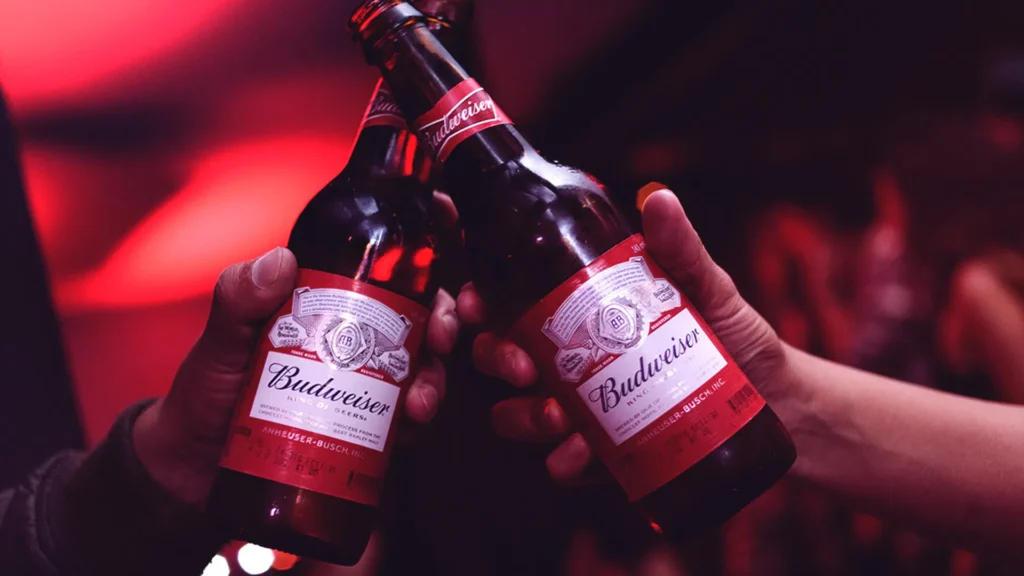
Budweiser is undoubtedly one of the most recognized beer brands worldwide, with its familiar red label and iconic “King of Beers” slogan. As a staple in many homes, bars, and restaurants, it has been a dominant force in the beer industry for over 140 years. But what exactly makes Budweiser stand out in a crowded marketplace of diverse beers? What is it about the flavor profile of Budweiser that has made it both beloved by many and occasionally the subject of debate among beer connoisseurs?

In this article, we will delve deep into the flavor and characteristics of Budweiser, exploring its ingredients, brewing process, sensory qualities, and how these factors come together to create a beer that has earned its place in the hearts and minds of beer drinkers across the world. From its crispness to its balance of malt sweetness and hop bitterness, Budweiser’s unique flavor profile has made it one of the top-selling beers globally.

We will also compare Budweiser’s flavor profile to other popular lagers and explore how it has evolved over the years to maintain its position as the “King of Beers.” Whether you are a casual beer drinker or a seasoned aficionado, understanding the nuances of Budweiser’s flavor profile will give you a deeper appreciation for this iconic beer.

The Birth of Budweiser: Ingredients and Brewing Process

To understand Budweiser’s flavor profile, it’s essential first to explore its origins and the key ingredients that form the foundation of the beer. Budweiser is a pale lager, brewed with a distinctive blend of ingredients and a meticulous brewing process that influences its taste and mouthfeel.

Key Ingredients of Budweiser

Budweiser’s flavor begins with the four primary ingredients that are fundamental to its production: water, barley, hops, and yeast. Let’s break down how each of these elements contributes to the overall flavor of the beer:

  1. Water: The importance of water in beer brewing cannot be overstated. Budweiser uses water that is sourced from natural springs in the United States, specifically from the company’s brewery in St. Louis, Missouri. The quality and mineral content of the water used in brewing impact the overall taste and mouthfeel of the beer. Budweiser’s water is specially treated to create the clean, neutral profile that defines its taste.
  2. Barley: Barley is the primary grain used in Budweiser’s production, contributing both flavor and fermentable sugars that provide the alcohol content. Budweiser uses a combination of two-row and six-row barley, with the two-row variety being the most prominent. The barley is malted, which means it is soaked, germinated, and then dried to convert starches into fermentable sugars. This process gives the beer its malt sweetness, but Budweiser’s use of six-row barley adds a slight bitterness that helps balance the sweetness.
  3. Hops: Hops are responsible for the bitterness and aroma in beer, as well as providing subtle flavor notes. Budweiser uses a blend of American and European hop varieties, which include Saaz hops. Saaz hops, in particular, are known for their mild, spicy, and herbal notes, which contribute to Budweiser’s distinct crisp finish. Budweiser is brewed with a relatively low hop content compared to many craft beers, but it still provides enough bitterness to balance the sweetness of the malt.
  4. Yeast: The yeast used in Budweiser is a strain of Saccharomyces cerevisiae, a type of ale yeast that ferments at warmer temperatures. However, Budweiser is brewed as a lager, meaning the fermentation occurs at cooler temperatures over an extended period. This lagering process gives the beer its clean, smooth finish and ensures the flavors are well integrated.

The Brewing Process: From Malting to Lagering

Budweiser’s brewing process is a carefully controlled procedure that involves several stages, each contributing to its signature flavor.

  1. Malting: The first step is malting the barley, where it is soaked in water, allowed to germinate, and then dried to halt germination. This malting process converts the starches in the barley into fermentable sugars, which is critical for creating the beer’s flavor profile.
  2. Mashing: The malted barley is then mashed, a process where the malt is mixed with hot water to extract the sugars. During this process, enzymes break down the complex carbohydrates into simpler sugars that yeast can ferment into alcohol. The mash is then filtered to separate the liquid wort from the solid remnants of the barley.
  3. Boiling and Hopping: The wort is boiled, and hops are added during this stage to impart bitterness, flavor, and aroma. Budweiser’s hops are added sparingly to provide a delicate bitterness that balances the sweetness of the malt. The hop character is not as pronounced as in more hop-forward beers like IPAs, but it is present enough to offer balance and complexity.
  4. Fermentation: After boiling, the wort is cooled and transferred to fermentation tanks, where yeast is added to ferment the sugars. This fermentation process typically takes about 5-7 days, during which yeast converts the sugars into alcohol, carbon dioxide, and various flavor compounds.
  5. Lagering: After fermentation, Budweiser undergoes a lagering process, where it is chilled and stored for several weeks to allow the flavors to mellow and harmonize. This extended cold storage also allows for the beer’s clean, crisp finish to develop.
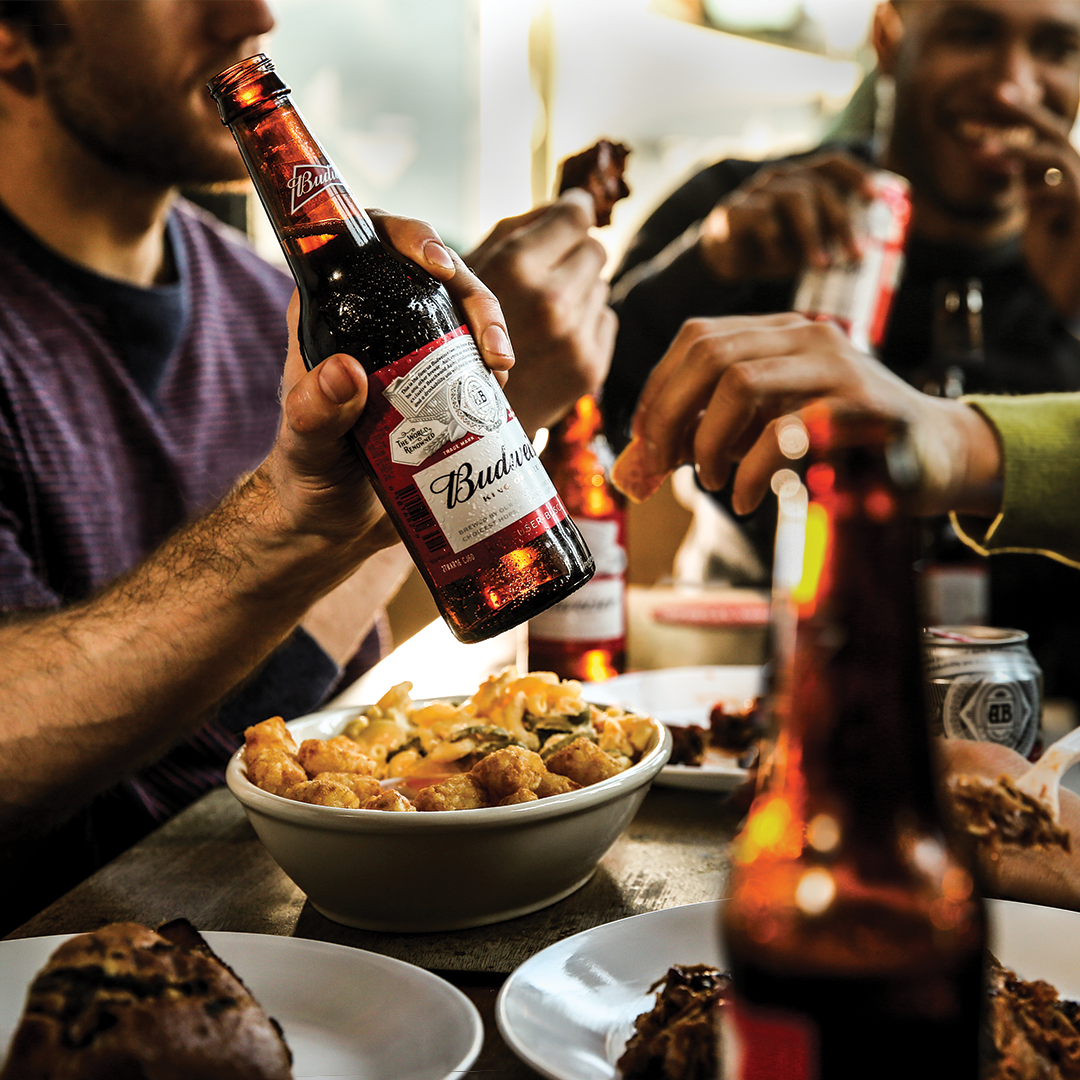
  6. Packaging: Once the lagering process is complete, the beer is filtered, carbonated, and packaged for distribution. Budweiser is available in bottles, cans, and kegs, each offering a slightly different drinking experience, though the core flavor profile remains consistent across formats.
The Flavor Profile of Budweiser

Now that we understand the brewing process and ingredients, let’s take a closer look at the sensory characteristics of Budweiser. What makes Budweiser’s flavor so iconic? How do the individual components work together to create the balanced, crisp beer that has become a global favorite?

Appearance: Pale and Golden

When poured into a glass, Budweiser exhibits a pale, golden color, with a moderate amount of carbonation. The beer has a bright clarity and a foamy white head that dissipates quickly. The appearance of Budweiser is clean and inviting, offering a visual representation of its light, refreshing nature.

Aroma: Subtle and Crisp

The aroma of Budweiser is light, clean, and subtle. It doesn’t have the bold, overpowering hop character that some beers possess, but there are hints of floral and herbal aromas from the Saaz hops. The malt aroma is faint but provides a delicate sweetness reminiscent of freshly baked bread or crackers. The aroma overall is not complex but rather restrained, offering a preview of the beer’s balanced and easy-drinking nature.

Taste: Balanced Malt and Hop Profile

On the palate, Budweiser delivers a smooth, well-balanced taste. The first impression is a mild sweetness from the malt, which is quickly followed by a light hop bitterness. The malt character is not overly rich or heavy but offers a clean, crisp flavor that gives the beer its refreshing quality. The hop bitterness is subtle but enough to provide contrast to the sweetness, preventing the beer from becoming overly sugary or cloying.

There is also a slight grainy quality to Budweiser, with hints of corn or rice contributing to the beer’s light body and smooth texture. These adjuncts, which are used in small quantities, help lighten the beer’s overall mouthfeel and contribute to its easy drinkability.

The finish of Budweiser is clean and crisp, with a touch of bitterness that lingers briefly before fading away. The beer’s carbonation provides a gentle effervescence that adds to the overall refreshing sensation, making it an ideal choice for casual drinking and social occasions.

Mouthfeel: Light and Refreshing

Budweiser’s mouthfeel is light and smooth, with a moderate level of carbonation that provides a soft, effervescent texture. The beer’s body is light, making it easy to drink and enjoyable over extended periods. It does not feel heavy or overly filling, which makes it an ideal choice for those seeking a refreshing beer that can be consumed without overwhelming the senses.

Comparing Budweiser with Other Lagers

Budweiser is often compared to other lagers, both domestic and international. To better understand its place in the lager category, let’s compare its flavor profile with some of the world’s other popular lagers, such as Heineken, Corona, and Miller Lite.

  1. Heineken: Heineken is another widely recognized lager that shares some similarities with Budweiser, such as its pale golden color and light body. However, Heineken has a more pronounced hop bitterness and a slightly more complex aroma profile, with notes of citrus and grassy hops. Budweiser, on the other hand, is more balanced and mild in comparison, with a smoother, less hoppy flavor.
  2. Corona: Corona is known for its light and crisp flavor, much like Budweiser. However, Corona has a more pronounced rice adjunct character, giving it a slightly more neutral flavor with less malt sweetness. Budweiser’s malt character is more prominent, contributing to a slightly fuller flavor profile.
  3. Miller Lite: Miller Lite is another light lager that is similar to Budweiser in terms of its drinkability and flavor profile. Both beers are light-bodied and balanced, but Miller Lite tends to have a slightly more pronounced hop bitterness, while Budweiser emphasizes malt sweetness and smoothness.

Conclusion

Budweiser’s flavor profile is a testament to the brand’s commitment to consistency and quality. Through careful selection of ingredients, a meticulous brewing process, and a balanced approach to malt and hop characteristics, Budweiser has created a beer that is both approachable and satisfying. Its light body, smooth mouthfeel, and clean, crisp finish have made it a beloved choice for beer drinkers around the world.

While it may not be as complex as some craft beers, Budweiser’s appeal lies in its simplicity and versatility. It is a beer that can be enjoyed in a variety of settings, from casual get-togethers to larger celebrations, and its consistency ensures that every bottle or can delivers the same refreshing experience. Whether you’re a longtime fan or a first-time drinker, Budweiser’s flavor is both timeless and iconic, making it a true “King of Beers.”

Tags: beercharacteristicsCultureflavorsHealthHistoryInnovationluxury
ShareTweetShare

Related Posts

Can Beer Be an Effective Ingredient in Culinary Cooking?
ALL

Can Beer Be an Effective Ingredient in Culinary Cooking?

January 22, 2026
Second Fermentation in Champagne: Is It Really That Crucial?
ALL

Second Fermentation in Champagne: Is It Really That Crucial?

January 22, 2026
How Do Different Grains Impact the Flavor Profile of Distilled Spirits?
ALL

How Do Different Grains Impact the Flavor Profile of Distilled Spirits?

January 22, 2026
How Do Whiskey Master Blenders Create Perfection?
ALL

How Do Whiskey Master Blenders Create Perfection?

January 22, 2026
Wine Pairings: Can They Change the Flavor Profile of a Dish?
ALL

Wine Pairings: Can They Change the Flavor Profile of a Dish?

January 22, 2026
Beer the Ultimate Beverage for Pairing with Spicy Food?
ALL

Beer the Ultimate Beverage for Pairing with Spicy Food?

January 21, 2026
Leave Comment
  • Trending
  • Comments
  • Latest
What Hidden Craftsmanship Lies Behind a Bottle of Quality Grain Spirits?

What Hidden Craftsmanship Lies Behind a Bottle of Quality Grain Spirits?

July 3, 2025
How Is Champagne Made? The Secrets Behind the Sparkle

How Is Champagne Made? The Secrets Behind the Sparkle

April 15, 2025
Grain Spirits vs. Traditional Distilled Spirits: Which One Suits Your Taste?

Grain Spirits vs. Traditional Distilled Spirits: Which One Suits Your Taste?

July 3, 2025
Champagne Bubbles: How Do They Perfectly Convey Celebration, Joy, and Luxury?

Champagne Bubbles: How Do They Perfectly Convey Celebration, Joy, and Luxury?

July 2, 2025
The Timeless Elegance of Wine: A Journey Through History and Culture

The Timeless Elegance of Wine: A Journey Through History and Culture

Why Is Château Lafite Rothschild the Pinnacle of Fine Wine?

Why Is Château Lafite Rothschild the Pinnacle of Fine Wine?

How Did Château Lafite Rothschild Become a Global Icon of Luxury?

How Did Château Lafite Rothschild Become a Global Icon of Luxury?

What Makes Chateau Lafite Rothschild the Pinnacle of Bordeaux Wines?

What Makes Chateau Lafite Rothschild the Pinnacle of Bordeaux Wines?

Can Beer Be an Effective Ingredient in Culinary Cooking?

Can Beer Be an Effective Ingredient in Culinary Cooking?

January 22, 2026
Second Fermentation in Champagne: Is It Really That Crucial?

Second Fermentation in Champagne: Is It Really That Crucial?

January 22, 2026
How Do Different Grains Impact the Flavor Profile of Distilled Spirits?

How Do Different Grains Impact the Flavor Profile of Distilled Spirits?

January 22, 2026
How Do Whiskey Master Blenders Create Perfection?

How Do Whiskey Master Blenders Create Perfection?

January 22, 2026
SipsavorLife

Welcome to our comprehensive beverage guide, where you can explore the fascinating world of alcoholic drinks. From exquisite wines and rich whiskeys to refreshing beers and sparkling champagnes, we provide insights, tips, and recommendations for enthusiasts and casual drinkers alike. Discover your next favorite libation with us!

© 2025 sipsavorlife.com. contacts:sipsavorlife-35376@gmail.com

No Result
View All Result
  • Home
  • Wine
  • Whiskey
  • Beer
  • Grain Spirits
  • Champagne
  • ALL

© 2025 sipsavorlife.com. contacts:sipsavorlife-35376@gmail.com

Welcome Back!

Login to your account below

Forgotten Password?

Retrieve your password

Please enter your username or email address to reset your password.

Log In