









SipsavorLife
  • Home
  • Wine
    Wine Pairings: Can They Change the Flavor Profile of a Dish?

    Wine Pairings: Can They Change the Flavor Profile of a Dish?

    How Do Wine Glasses Influence the Tasting Experience?

    How Do Wine Glasses Influence the Tasting Experience?

    Is Organic Wine Healthier Than Conventional Wine?

    Is Organic Wine Healthier Than Conventional Wine?

    Why Do Some Wines Taste Better from Specific Vintages?

    Why Do Some Wines Taste Better from Specific Vintages?

    Wine Tasting: Can It Truly Be an Art Form?

    Wine Tasting: Can It Truly Be an Art Form?

    What Does Terroir Actually Mean for Your Wine?

    What Does Terroir Actually Mean for Your Wine?

  • Whiskey
    Can Beer Be an Effective Ingredient in Culinary Cooking?

    Can Beer Be an Effective Ingredient in Culinary Cooking?

    Second Fermentation in Champagne: Is It Really That Crucial?

    Second Fermentation in Champagne: Is It Really That Crucial?

    How Do Different Grains Impact the Flavor Profile of Distilled Spirits?

    How Do Different Grains Impact the Flavor Profile of Distilled Spirits?

    How Do Whiskey Master Blenders Create Perfection?

    How Do Whiskey Master Blenders Create Perfection?

    Wine Pairings: Can They Change the Flavor Profile of a Dish?

    Wine Pairings: Can They Change the Flavor Profile of a Dish?

    Beer the Ultimate Beverage for Pairing with Spicy Food?

    Beer the Ultimate Beverage for Pairing with Spicy Food?

  • Beer
    Can Beer Be an Effective Ingredient in Culinary Cooking?

    Can Beer Be an Effective Ingredient in Culinary Cooking?

    Beer the Ultimate Beverage for Pairing with Spicy Food?

    Beer the Ultimate Beverage for Pairing with Spicy Food?

    How Did Ancient Civilizations Brew Beer Without Modern Technology?

    How Did Ancient Civilizations Brew Beer Without Modern Technology?

    Is It Possible to Brew a Beer with No Alcohol and No Compromise on Taste?

    Is It Possible to Brew a Beer with No Alcohol and No Compromise on Taste?

    Why Does Beer Taste Different at High Altitudes?

    Why Does Beer Taste Different at High Altitudes?

    Is Hops the Secret Ingredient Behind Beer’s Bold Flavor?

    Is Hops the Secret Ingredient Behind Beer’s Bold Flavor?

  • Grain Spirits
    How Do Different Grains Impact the Flavor Profile of Distilled Spirits?

    How Do Different Grains Impact the Flavor Profile of Distilled Spirits?

    Grain Spirits the Unsung Heroes of Modern Mixology

    Grain Spirits the Unsung Heroes of Modern Mixology

    What Makes Grain-Based Whiskey So Different from Its Peated Cousins?

    What Makes Grain-Based Whiskey So Different from Its Peated Cousins?

    Grain Spirits: Could They Be the Next Big Trend in Craft Cocktails?

    Grain Spirits: Could They Be the Next Big Trend in Craft Cocktails?

    Why Are Grain Spirits Often Overlooked in the World of Fine Liquor?

    Why Are Grain Spirits Often Overlooked in the World of Fine Liquor?

    Is There a Secret Art to Distilling Grain Spirits?

    Is There a Secret Art to Distilling Grain Spirits?

  • Champagne
    Second Fermentation in Champagne: Is It Really That Crucial?

    Second Fermentation in Champagne: Is It Really That Crucial?

    The Science Behind the ‘Bubble Size’ in Champagne

    The Science Behind the ‘Bubble Size’ in Champagne

    Why Do Some Champagnes Use a High Proportion of Pinot Meunier?

    Why Do Some Champagnes Use a High Proportion of Pinot Meunier?

    Role of Terroir in Champagne Production

    Role of Terroir in Champagne Production

    Champagne Can Be Aged in Wood?

    Champagne Can Be Aged in Wood?

    Is There a Difference Between Blanc de Blancs and Blanc de Noirs Champagne?

    Is There a Difference Between Blanc de Blancs and Blanc de Noirs Champagne?

  • ALL
    Can Beer Be an Effective Ingredient in Culinary Cooking?

    Can Beer Be an Effective Ingredient in Culinary Cooking?

    Second Fermentation in Champagne: Is It Really That Crucial?

    Second Fermentation in Champagne: Is It Really That Crucial?

    How Do Different Grains Impact the Flavor Profile of Distilled Spirits?

    How Do Different Grains Impact the Flavor Profile of Distilled Spirits?

    How Do Whiskey Master Blenders Create Perfection?

    How Do Whiskey Master Blenders Create Perfection?

    Wine Pairings: Can They Change the Flavor Profile of a Dish?

    Wine Pairings: Can They Change the Flavor Profile of a Dish?

    Beer the Ultimate Beverage for Pairing with Spicy Food?

    Beer the Ultimate Beverage for Pairing with Spicy Food?

SipsavorLife
  • Home
  • Wine
    Wine Pairings: Can They Change the Flavor Profile of a Dish?

    Wine Pairings: Can They Change the Flavor Profile of a Dish?

    How Do Wine Glasses Influence the Tasting Experience?

    How Do Wine Glasses Influence the Tasting Experience?

    Is Organic Wine Healthier Than Conventional Wine?

    Is Organic Wine Healthier Than Conventional Wine?

    Why Do Some Wines Taste Better from Specific Vintages?

    Why Do Some Wines Taste Better from Specific Vintages?

    Wine Tasting: Can It Truly Be an Art Form?

    Wine Tasting: Can It Truly Be an Art Form?

    What Does Terroir Actually Mean for Your Wine?

    What Does Terroir Actually Mean for Your Wine?

  • Whiskey
    Can Beer Be an Effective Ingredient in Culinary Cooking?

    Can Beer Be an Effective Ingredient in Culinary Cooking?

    Second Fermentation in Champagne: Is It Really That Crucial?

    Second Fermentation in Champagne: Is It Really That Crucial?

    How Do Different Grains Impact the Flavor Profile of Distilled Spirits?

    How Do Different Grains Impact the Flavor Profile of Distilled Spirits?

    How Do Whiskey Master Blenders Create Perfection?

    How Do Whiskey Master Blenders Create Perfection?

    Wine Pairings: Can They Change the Flavor Profile of a Dish?

    Wine Pairings: Can They Change the Flavor Profile of a Dish?

    Beer the Ultimate Beverage for Pairing with Spicy Food?

    Beer the Ultimate Beverage for Pairing with Spicy Food?

  • Beer
    Can Beer Be an Effective Ingredient in Culinary Cooking?

    Can Beer Be an Effective Ingredient in Culinary Cooking?

    Beer the Ultimate Beverage for Pairing with Spicy Food?

    Beer the Ultimate Beverage for Pairing with Spicy Food?

    How Did Ancient Civilizations Brew Beer Without Modern Technology?

    How Did Ancient Civilizations Brew Beer Without Modern Technology?

    Is It Possible to Brew a Beer with No Alcohol and No Compromise on Taste?

    Is It Possible to Brew a Beer with No Alcohol and No Compromise on Taste?

    Why Does Beer Taste Different at High Altitudes?

    Why Does Beer Taste Different at High Altitudes?

    Is Hops the Secret Ingredient Behind Beer’s Bold Flavor?

    Is Hops the Secret Ingredient Behind Beer’s Bold Flavor?

  • Grain Spirits
    How Do Different Grains Impact the Flavor Profile of Distilled Spirits?

    How Do Different Grains Impact the Flavor Profile of Distilled Spirits?

    Grain Spirits the Unsung Heroes of Modern Mixology

    Grain Spirits the Unsung Heroes of Modern Mixology

    What Makes Grain-Based Whiskey So Different from Its Peated Cousins?

    What Makes Grain-Based Whiskey So Different from Its Peated Cousins?

    Grain Spirits: Could They Be the Next Big Trend in Craft Cocktails?

    Grain Spirits: Could They Be the Next Big Trend in Craft Cocktails?

    Why Are Grain Spirits Often Overlooked in the World of Fine Liquor?

    Why Are Grain Spirits Often Overlooked in the World of Fine Liquor?

    Is There a Secret Art to Distilling Grain Spirits?

    Is There a Secret Art to Distilling Grain Spirits?

  • Champagne
    Second Fermentation in Champagne: Is It Really That Crucial?

    Second Fermentation in Champagne: Is It Really That Crucial?

    The Science Behind the ‘Bubble Size’ in Champagne

    The Science Behind the ‘Bubble Size’ in Champagne

    Why Do Some Champagnes Use a High Proportion of Pinot Meunier?

    Why Do Some Champagnes Use a High Proportion of Pinot Meunier?

    Role of Terroir in Champagne Production

    Role of Terroir in Champagne Production

    Champagne Can Be Aged in Wood?

    Champagne Can Be Aged in Wood?

    Is There a Difference Between Blanc de Blancs and Blanc de Noirs Champagne?

    Is There a Difference Between Blanc de Blancs and Blanc de Noirs Champagne?

  • ALL
    Can Beer Be an Effective Ingredient in Culinary Cooking?

    Can Beer Be an Effective Ingredient in Culinary Cooking?

    Second Fermentation in Champagne: Is It Really That Crucial?

    Second Fermentation in Champagne: Is It Really That Crucial?

    How Do Different Grains Impact the Flavor Profile of Distilled Spirits?

    How Do Different Grains Impact the Flavor Profile of Distilled Spirits?

    How Do Whiskey Master Blenders Create Perfection?

    How Do Whiskey Master Blenders Create Perfection?

    Wine Pairings: Can They Change the Flavor Profile of a Dish?

    Wine Pairings: Can They Change the Flavor Profile of a Dish?

    Beer the Ultimate Beverage for Pairing with Spicy Food?

    Beer the Ultimate Beverage for Pairing with Spicy Food?

SipsavorLife
No Result
View All Result
Home ALL

What Makes Barbaresco a Truly Exceptional Wine?

January 10, 2025
in ALL, Wine
What Makes Barbaresco a Truly Exceptional Wine?

Introduction: Understanding the Appeal of Barbaresco

Barbaresco is one of the most highly regarded wines in the world, offering a unique experience that captivates wine enthusiasts and connoisseurs alike. Produced in the Langhe region of Piedmont, Italy, Barbaresco is a red wine crafted predominantly from the Nebbiolo grape, known for its elegance, complexity, and extraordinary aging potential. While Barolo, another iconic Nebbiolo-based wine, often garners more attention, Barbaresco stands as its own distinguished offering, celebrated for its finesse and balance.

In this article, we will explore the flavor profile and character of Barbaresco, delving deep into its sensory attributes, aging potential, and the factors that make this wine truly exceptional. We will discuss the influence of Nebbiolo as a grape variety, the significance of the Barbaresco terroir, and how the winemaking techniques employed by producers in the region help create a wine that is both timeless and highly coveted.


1. The Nebbiolo Grape: The Heart of Barbaresco’s Flavor

Barbaresco’s character and flavor profile are inextricably tied to the Nebbiolo grape. Known for its high acidity, complex aromas, and tannic structure, Nebbiolo is both revered and feared by winemakers due to its demanding nature. The grape thrives in the Langhe hills’ terroir, producing wines with remarkable aging potential that evolve gracefully over time.

A Complex Flavor Profile

The flavor profile of Nebbiolo is characterized by an intricate interplay of primary, secondary, and tertiary notes. Young Nebbiolo wines, such as those in Barbaresco, often exhibit a bouquet of floral and fruit-driven aromas, including rose petals, violets, cherries, and raspberries. These primary aromas are often paired with earthy and savory notes such as tar, tobacco, and dried herbs.

As the wine ages, these primary flavors begin to evolve into more complex secondary and tertiary notes. Tertiary aromas such as leather, forest floor, and truffle emerge, adding depth and richness to the wine. This gradual transformation is one of the reasons why Barbaresco is so highly regarded — its ability to develop and mature into a more nuanced, multilayered wine is a hallmark of the Nebbiolo grape.

Tannins and Acidity: The Structural Backbone of Barbaresco

The balance of tannins and acidity in Barbaresco is what gives the wine its remarkable structure. The tannins in Nebbiolo are known for being firm and gripping, creating a wine that initially feels a bit austere but softens and integrates with age. The high acidity in Barbaresco, combined with these tannins, provides the wine with a refreshing, lively mouthfeel that counterbalances its intense flavors.

This combination of tannins and acidity allows Barbaresco to age well, often improving over decades. As the wine matures, the tannins soften, the acidity remains fresh, and the complex flavors become more integrated and harmonious.


2. The Influence of Terroir on Barbaresco’s Flavor

While Nebbiolo is the primary grape variety responsible for Barbaresco’s flavor profile, the terroir of the Langhe region plays an equally important role in shaping the wine’s characteristics. The unique combination of soil composition, climate, altitude, and exposure to sunlight creates an environment that is perfectly suited to producing world-class wines.

The Langhe Hills: A Rich History and Ideal Growing Conditions

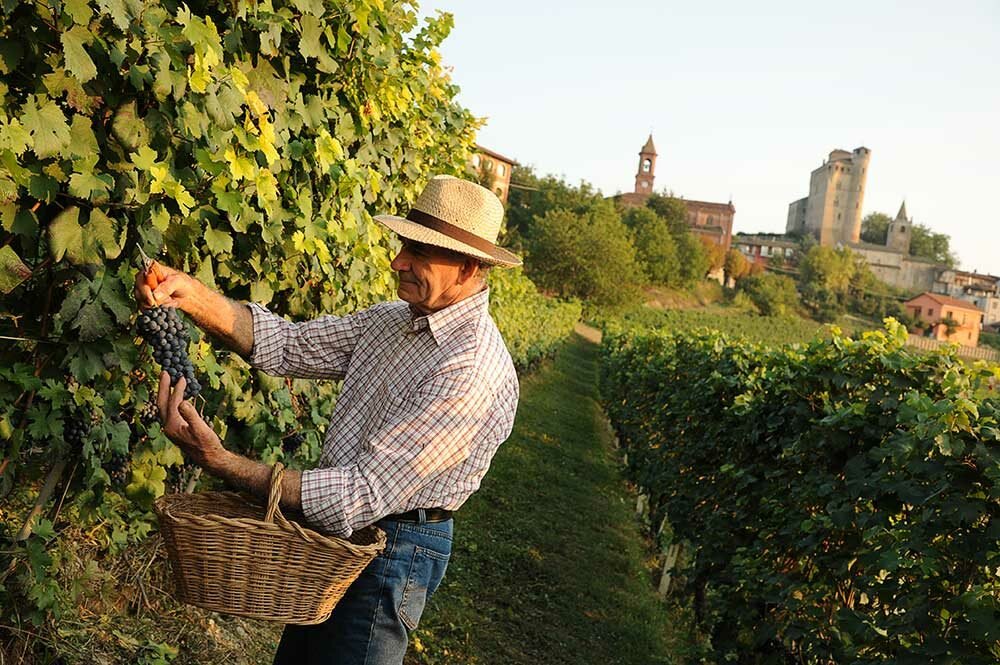
The Langhe hills, which stretch across the Piedmont region in northern Italy, have a long history of viticulture. The region’s steep slopes, clay-limestone soils, and varying altitudes create a diverse range of microclimates, allowing winemakers to produce wines with different profiles depending on their specific vineyard locations.

Barbaresco is made from grapes grown in a relatively small area within the Langhe region, primarily in the villages of Barbaresco, Neive, and Treiso. The proximity to the Tanaro River and the surrounding mountains helps moderate temperatures and provides the necessary conditions for Nebbiolo to ripen fully. The soils are rich in minerals, which contribute to the wine’s complexity and elegance.

Microclimates and Vineyard Diversity

The variation in microclimates throughout Barbaresco also contributes to the diversity of flavors found within the region’s wines. Vineyards at higher altitudes typically produce wines with higher acidity, while those at lower altitudes tend to yield wines with more fruit-forward flavors. The best producers in Barbaresco know how to harness these subtle differences to craft wines that are balanced and harmonious, with the perfect integration of fruit, tannin, acidity, and oak.

3. The Flavor Characteristics of Barbaresco: A Deep Dive into Its Tasting Notes

To fully appreciate the complexity of Barbaresco, we need to explore its distinct flavor characteristics. While each vintage and producer may offer slight variations in taste, the core elements of Barbaresco remain consistent, offering a remarkable combination of fruit, floral, earthy, and savory flavors.

The Bouquet: Floral Elegance and Fresh Fruit

Barbaresco is often celebrated for its fragrant bouquet, which is dominated by floral aromas. The Nebbiolo grape is known for its expressive scents of rose, violet, and lily, which give the wine a feminine, elegant quality. These delicate floral notes are complemented by fresh red fruit aromas, such as cherry, raspberry, and strawberry, lending the wine a youthful, vibrant character in its early years.

Earthy Complexity: Tar, Truffle, and Tobacco

As Barbaresco ages, its flavors evolve into more complex, earthy notes. One of the most characteristic aromas in Barbaresco is “tar,” which provides a smoky, almost burnt quality to the wine. This, combined with notes of truffle, mushroom, and forest floor, gives Barbaresco its rustic and savory profile. These earthy notes are a reflection of the terroir, which imparts a sense of place and authenticity to the wine.

In addition to these earthy flavors, Barbaresco often develops hints of tobacco and leather as it matures, adding a layer of sophistication and depth to the wine. These secondary aromas are a hallmark of fine Nebbiolo wines and are highly sought after by collectors and wine enthusiasts.

Spices and Herbs: The Savory Side of Barbaresco

Alongside its fruit and earthy characteristics, Barbaresco is also known for its savory, spicy flavors. Common tasting notes include dried herbs, such as rosemary, thyme, and sage, as well as spices like clove, cinnamon, and nutmeg. These notes add a warm, aromatic dimension to the wine and contribute to its overall complexity.


4. The Aging Potential of Barbaresco: A Wine That Evolves Over Time

One of the most remarkable aspects of Barbaresco is its ability to age and improve over time. While Barbaresco can be enjoyed in its youth, the wine truly shines after several years of cellaring, with many of the finest Barbaresco wines reaching their peak after 10 to 20 years or more.

Aging in the Bottle: The Development of Complex Flavors

As Barbaresco ages, its youthful tannins soften, and its acidity integrates with the other components of the wine. This allows the wine to develop a more refined, balanced character. The fruit flavors fade into the background, while the earthy, floral, and spicy notes become more pronounced. Over time, the wine develops greater depth and richness, with the aromas of dried fruit, leather, and truffle emerging more fully.

Barbaresco’s aging potential is due in large part to the high levels of acidity and tannins in the wine, which act as natural preservatives. These structural elements allow Barbaresco to continue evolving in the bottle, providing a fascinating drinking experience as the wine matures.


5. The Impact of Winemaking Techniques on Barbaresco’s Character

While the terroir of Barbaresco plays a vital role in shaping the wine’s character, the techniques used by winemakers in the region also contribute to the wine’s distinctive style. Traditional winemaking practices, such as fermentation in large oak barrels and long maceration periods, are still employed by many producers in Barbaresco, resulting in wines that are structured and age-worthy.

At the same time, some modern producers have adopted innovative techniques, such as the use of smaller oak barrels (barriques), to impart a greater degree of influence from the wood and smooth out the wine’s tannins. The choice of oak aging can have a significant impact on the final flavor profile, with wines aged in new oak barrels often displaying more pronounced vanilla and spice notes.


6. Conclusion: Barbaresco’s Timeless Appeal

Barbaresco is a wine that offers a complex, multifaceted tasting experience. From its delicate floral aromas to its deep, earthy flavors, Barbaresco is a wine that reflects both the unique characteristics of the Nebbiolo grape and the exceptional terroir of the Langhe region. Its ability to evolve and improve with age makes it one of the most prized wines in the world, with collectors and wine lovers alike eagerly seeking out the best vintages.

What makes Barbaresco so exceptional is its balance of elegance and power, with a refined structure that allows it to age gracefully while retaining its freshness and vibrancy. Whether enjoyed young or after several years of cellaring, Barbaresco is a wine that continues to captivate and impress, making it a true masterpiece of Italian winemaking.

Tags: CultureFamous brand wineHealthHistoryInnovationluxurytasteWine
ShareTweetShare

Related Posts

Can Beer Be an Effective Ingredient in Culinary Cooking?
ALL

Can Beer Be an Effective Ingredient in Culinary Cooking?

January 22, 2026
Second Fermentation in Champagne: Is It Really That Crucial?
ALL

Second Fermentation in Champagne: Is It Really That Crucial?

January 22, 2026
How Do Different Grains Impact the Flavor Profile of Distilled Spirits?
ALL

How Do Different Grains Impact the Flavor Profile of Distilled Spirits?

January 22, 2026
How Do Whiskey Master Blenders Create Perfection?
ALL

How Do Whiskey Master Blenders Create Perfection?

January 22, 2026
Wine Pairings: Can They Change the Flavor Profile of a Dish?
ALL

Wine Pairings: Can They Change the Flavor Profile of a Dish?

January 22, 2026
Beer the Ultimate Beverage for Pairing with Spicy Food?
ALL

Beer the Ultimate Beverage for Pairing with Spicy Food?

January 21, 2026
Leave Comment
  • Trending
  • Comments
  • Latest
What Hidden Craftsmanship Lies Behind a Bottle of Quality Grain Spirits?

What Hidden Craftsmanship Lies Behind a Bottle of Quality Grain Spirits?

July 3, 2025
How Is Champagne Made? The Secrets Behind the Sparkle

How Is Champagne Made? The Secrets Behind the Sparkle

April 15, 2025
Grain Spirits vs. Traditional Distilled Spirits: Which One Suits Your Taste?

Grain Spirits vs. Traditional Distilled Spirits: Which One Suits Your Taste?

July 3, 2025
Champagne Bubbles: How Do They Perfectly Convey Celebration, Joy, and Luxury?

Champagne Bubbles: How Do They Perfectly Convey Celebration, Joy, and Luxury?

July 2, 2025
The Timeless Elegance of Wine: A Journey Through History and Culture

The Timeless Elegance of Wine: A Journey Through History and Culture

Why Is Château Lafite Rothschild the Pinnacle of Fine Wine?

Why Is Château Lafite Rothschild the Pinnacle of Fine Wine?

How Did Château Lafite Rothschild Become a Global Icon of Luxury?

How Did Château Lafite Rothschild Become a Global Icon of Luxury?

What Makes Chateau Lafite Rothschild the Pinnacle of Bordeaux Wines?

What Makes Chateau Lafite Rothschild the Pinnacle of Bordeaux Wines?

Can Beer Be an Effective Ingredient in Culinary Cooking?

Can Beer Be an Effective Ingredient in Culinary Cooking?

January 22, 2026
Second Fermentation in Champagne: Is It Really That Crucial?

Second Fermentation in Champagne: Is It Really That Crucial?

January 22, 2026
How Do Different Grains Impact the Flavor Profile of Distilled Spirits?

How Do Different Grains Impact the Flavor Profile of Distilled Spirits?

January 22, 2026
How Do Whiskey Master Blenders Create Perfection?

How Do Whiskey Master Blenders Create Perfection?

January 22, 2026
SipsavorLife

Welcome to our comprehensive beverage guide, where you can explore the fascinating world of alcoholic drinks. From exquisite wines and rich whiskeys to refreshing beers and sparkling champagnes, we provide insights, tips, and recommendations for enthusiasts and casual drinkers alike. Discover your next favorite libation with us!

© 2025 sipsavorlife.com. contacts:sipsavorlife-35376@gmail.com

No Result
View All Result
  • Home
  • Wine
  • Whiskey
  • Beer
  • Grain Spirits
  • Champagne
  • ALL

© 2025 sipsavorlife.com. contacts:sipsavorlife-35376@gmail.com

Welcome Back!

Login to your account below

Forgotten Password?

Retrieve your password

Please enter your username or email address to reset your password.

Log In