
SipsavorLife
  • Home
  • Wine
    The Cultural History of Wine: From Ancient Rituals to Modern Luxury

    The Psychology of Wine: Why Humans Associate Wine with Emotion, Memory, and Identity

    The Cultural History of Wine: From Ancient Rituals to Modern Luxury

    Sustainable Winemaking: Environmental Challenges and the Future of Vineyards

    The Cultural History of Wine: From Ancient Rituals to Modern Luxury

    Wine and Food Pairing: The Culinary Art of Balance and Flavor

    The Cultural History of Wine: From Ancient Rituals to Modern Luxury

    The Science of Wine: Fermentation, Chemistry, and Flavor Development

    The Cultural History of Wine: From Ancient Rituals to Modern Luxury

    The Cultural History of Wine: From Ancient Rituals to Modern Luxury

    Wine as a Cultural Artifact: History, Identity, and the Evolution of Taste

    The Art and Science of Wine & Food Pairing: How to Create Perfect Matches Every Time

  • Whiskey
    Can Beer Be an Effective Ingredient in Culinary Cooking?

    Can Beer Be an Effective Ingredient in Culinary Cooking?

    Second Fermentation in Champagne: Is It Really That Crucial?

    Second Fermentation in Champagne: Is It Really That Crucial?

    How Do Different Grains Impact the Flavor Profile of Distilled Spirits?

    How Do Different Grains Impact the Flavor Profile of Distilled Spirits?

    How Do Whiskey Master Blenders Create Perfection?

    How Do Whiskey Master Blenders Create Perfection?

    Wine Pairings: Can They Change the Flavor Profile of a Dish?

    Wine Pairings: Can They Change the Flavor Profile of a Dish?

    Beer the Ultimate Beverage for Pairing with Spicy Food?

    Beer the Ultimate Beverage for Pairing with Spicy Food?

  • Beer
    Beer as a Cultural and Social Force: From Ancient Brew to Modern Identity

    Women in Brewing: The Untold History and Modern Transformation of Beer Culture

    The Global Craft Beer Revolution: How Independent Brewers Changed Modern Drinking Culture

    Beer Tourism: Exploring the World Through Breweries and Drinking Traditions

    The Global Craft Beer Revolution: How Independent Brewers Changed Modern Drinking Culture

    Barrel Aging and Experimental Brewing: The New Frontier of Beer Innovation

    The Global Craft Beer Revolution: How Independent Brewers Changed Modern Drinking Culture

    Beer and Society: How Beer Shapes Communities, Traditions, and Human Connection

    The Global Craft Beer Revolution: How Independent Brewers Changed Modern Drinking Culture

    The Global Craft Beer Revolution: How Independent Brewers Changed Modern Drinking Culture

    The Global Craft Beer Revolution: How Independent Breweries Changed Modern Drinking Culture

    The Future of Beer: Innovation, Sustainability, and the Changing Global Drinking Culture

  • Grain Spirits
    Grain Spirits Explained — The Foundation of Global Distillation

    The Future of Grain Spirits — Technology, Sustainability, and the Next Era of Distillation

    Grain Spirits Explained — The Foundation of Global Distillation

    Grain Spirits Around the World — Vodka, Whisky Bases, and Industrial Applications

    Grain Spirits Explained — The Foundation of Global Distillation

    Distillation Systems — Pot Still vs Column Still, and the Balance Between Efficiency and Flavor

    Grain Spirits Explained — The Foundation of Global Distillation

    Grain Selection and Fermentation Science — How Raw Ingredients Shape Grain Spirits

    Grain Spirits Explained — The Foundation of Global Distillation

    Grain Spirits Explained — The Foundation of Global Distillation

    Grain Spirits and the Industrial Birth of Neutral Alcohol

    The Future of Grain Spirits — AI Distillation, Sustainability, and the Post-Flavor Alcohol Industry

  • Champagne
    Champagne: The Sparkling Wine That Changed Global Celebration Culture

    Champagne vs Prosecco vs Cava: How the World’s Sparkling Wines Reflect Culture, Geography, and Taste

    Champagne: The Sparkling Wine That Changed Global Celebration Culture

    Women Who Changed Champagne: Widow Clicquot, Female Leadership, and the Hidden History of Sparkling Wine

    Champagne: The Sparkling Wine That Changed Global Celebration Culture

    Champagne and Gastronomy: Why Sparkling Wine Became One of the World’s Greatest Food Companions

    Champagne: The Sparkling Wine That Changed Global Celebration Culture

    The Art of Luxury Champagne: Prestige, Fashion, and the Global Symbol of Elegance

    Champagne: The Sparkling Wine That Changed Global Celebration Culture

    Champagne: The Sparkling Wine That Changed Global Celebration Culture

    The History of Champagne — From Accidental Sparkle to Global Luxury

    The Future of Champagne — Climate Change, Innovation, and Industry Evolution

  • ALL
    Can Beer Be an Effective Ingredient in Culinary Cooking?

    Can Beer Be an Effective Ingredient in Culinary Cooking?

    Second Fermentation in Champagne: Is It Really That Crucial?

    Second Fermentation in Champagne: Is It Really That Crucial?

    How Do Different Grains Impact the Flavor Profile of Distilled Spirits?

    How Do Different Grains Impact the Flavor Profile of Distilled Spirits?

    How Do Whiskey Master Blenders Create Perfection?

    How Do Whiskey Master Blenders Create Perfection?

    Wine Pairings: Can They Change the Flavor Profile of a Dish?

    Wine Pairings: Can They Change the Flavor Profile of a Dish?

    Beer the Ultimate Beverage for Pairing with Spicy Food?

    Beer the Ultimate Beverage for Pairing with Spicy Food?

SipsavorLife
  • Home
  • Wine
    The Cultural History of Wine: From Ancient Rituals to Modern Luxury

    The Psychology of Wine: Why Humans Associate Wine with Emotion, Memory, and Identity

    The Cultural History of Wine: From Ancient Rituals to Modern Luxury

    Sustainable Winemaking: Environmental Challenges and the Future of Vineyards

    The Cultural History of Wine: From Ancient Rituals to Modern Luxury

    Wine and Food Pairing: The Culinary Art of Balance and Flavor

    The Cultural History of Wine: From Ancient Rituals to Modern Luxury

    The Science of Wine: Fermentation, Chemistry, and Flavor Development

    The Cultural History of Wine: From Ancient Rituals to Modern Luxury

    The Cultural History of Wine: From Ancient Rituals to Modern Luxury

    Wine as a Cultural Artifact: History, Identity, and the Evolution of Taste

    The Art and Science of Wine & Food Pairing: How to Create Perfect Matches Every Time

  • Whiskey
    Can Beer Be an Effective Ingredient in Culinary Cooking?

    Can Beer Be an Effective Ingredient in Culinary Cooking?

    Second Fermentation in Champagne: Is It Really That Crucial?

    Second Fermentation in Champagne: Is It Really That Crucial?

    How Do Different Grains Impact the Flavor Profile of Distilled Spirits?

    How Do Different Grains Impact the Flavor Profile of Distilled Spirits?

    How Do Whiskey Master Blenders Create Perfection?

    How Do Whiskey Master Blenders Create Perfection?

    Wine Pairings: Can They Change the Flavor Profile of a Dish?

    Wine Pairings: Can They Change the Flavor Profile of a Dish?

    Beer the Ultimate Beverage for Pairing with Spicy Food?

    Beer the Ultimate Beverage for Pairing with Spicy Food?

  • Beer
    Beer as a Cultural and Social Force: From Ancient Brew to Modern Identity

    Women in Brewing: The Untold History and Modern Transformation of Beer Culture

    The Global Craft Beer Revolution: How Independent Brewers Changed Modern Drinking Culture

    Beer Tourism: Exploring the World Through Breweries and Drinking Traditions

    The Global Craft Beer Revolution: How Independent Brewers Changed Modern Drinking Culture

    Barrel Aging and Experimental Brewing: The New Frontier of Beer Innovation

    The Global Craft Beer Revolution: How Independent Brewers Changed Modern Drinking Culture

    Beer and Society: How Beer Shapes Communities, Traditions, and Human Connection

    The Global Craft Beer Revolution: How Independent Brewers Changed Modern Drinking Culture

    The Global Craft Beer Revolution: How Independent Brewers Changed Modern Drinking Culture

    The Global Craft Beer Revolution: How Independent Breweries Changed Modern Drinking Culture

    The Future of Beer: Innovation, Sustainability, and the Changing Global Drinking Culture

  • Grain Spirits
    Grain Spirits Explained — The Foundation of Global Distillation

    The Future of Grain Spirits — Technology, Sustainability, and the Next Era of Distillation

    Grain Spirits Explained — The Foundation of Global Distillation

    Grain Spirits Around the World — Vodka, Whisky Bases, and Industrial Applications

    Grain Spirits Explained — The Foundation of Global Distillation

    Distillation Systems — Pot Still vs Column Still, and the Balance Between Efficiency and Flavor

    Grain Spirits Explained — The Foundation of Global Distillation

    Grain Selection and Fermentation Science — How Raw Ingredients Shape Grain Spirits

    Grain Spirits Explained — The Foundation of Global Distillation

    Grain Spirits Explained — The Foundation of Global Distillation

    Grain Spirits and the Industrial Birth of Neutral Alcohol

    The Future of Grain Spirits — AI Distillation, Sustainability, and the Post-Flavor Alcohol Industry

  • Champagne
    Champagne: The Sparkling Wine That Changed Global Celebration Culture

    Champagne vs Prosecco vs Cava: How the World’s Sparkling Wines Reflect Culture, Geography, and Taste

    Champagne: The Sparkling Wine That Changed Global Celebration Culture

    Women Who Changed Champagne: Widow Clicquot, Female Leadership, and the Hidden History of Sparkling Wine

    Champagne: The Sparkling Wine That Changed Global Celebration Culture

    Champagne and Gastronomy: Why Sparkling Wine Became One of the World’s Greatest Food Companions

    Champagne: The Sparkling Wine That Changed Global Celebration Culture

    The Art of Luxury Champagne: Prestige, Fashion, and the Global Symbol of Elegance

    Champagne: The Sparkling Wine That Changed Global Celebration Culture

    Champagne: The Sparkling Wine That Changed Global Celebration Culture

    The History of Champagne — From Accidental Sparkle to Global Luxury

    The Future of Champagne — Climate Change, Innovation, and Industry Evolution

  • ALL
    Can Beer Be an Effective Ingredient in Culinary Cooking?

    Can Beer Be an Effective Ingredient in Culinary Cooking?

    Second Fermentation in Champagne: Is It Really That Crucial?

    Second Fermentation in Champagne: Is It Really That Crucial?

    How Do Different Grains Impact the Flavor Profile of Distilled Spirits?

    How Do Different Grains Impact the Flavor Profile of Distilled Spirits?

    How Do Whiskey Master Blenders Create Perfection?

    How Do Whiskey Master Blenders Create Perfection?

    Wine Pairings: Can They Change the Flavor Profile of a Dish?

    Wine Pairings: Can They Change the Flavor Profile of a Dish?

    Beer the Ultimate Beverage for Pairing with Spicy Food?

    Beer the Ultimate Beverage for Pairing with Spicy Food?

SipsavorLife
No Result
View All Result
Home Grain Spirits

From Grain to Glass: The Complete Process of Making Grain Spirits

March 30, 2026
in Grain Spirits
The Origins of Grain Spirits: Power, Society, and the Birth of Distilled Alcohol

Introduction: Transformation at Its Purest Form

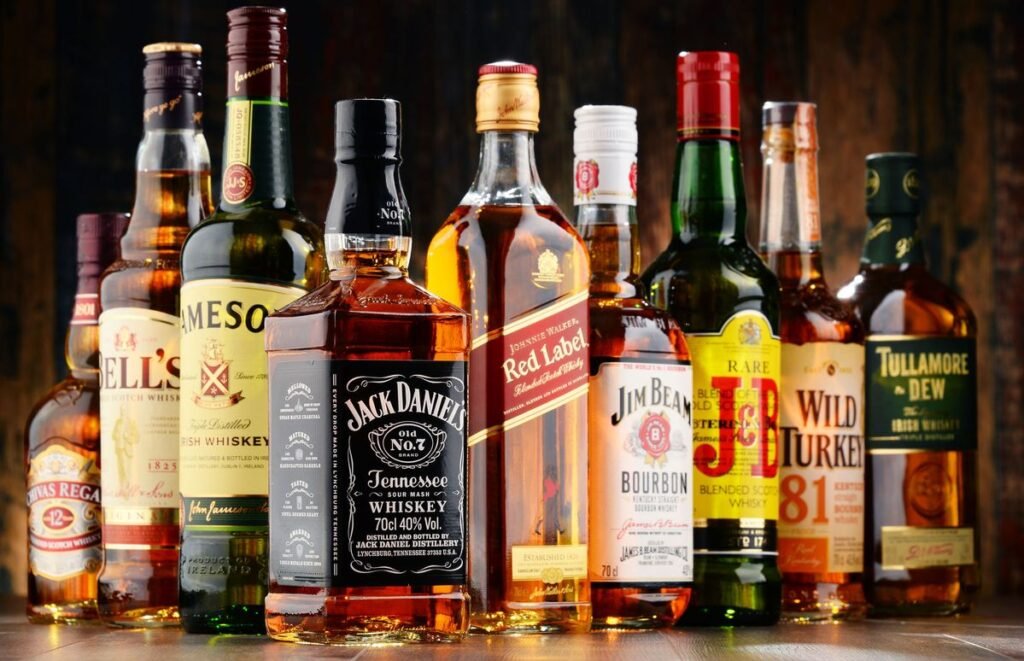
At its core, grain spirits production is one of the most remarkable transformations in the world of food and drink. What begins as simple agricultural material—barley, corn, wheat, or rye—undergoes a series of controlled chemical and physical changes to become a refined, high-proof liquid rich in character and complexity.

Unlike beer or wine, which retain much of their original composition, distilled spirits are concentrated, purified, and reshaped through multiple stages. Every decision—from grain selection to fermentation conditions, from distillation technique to aging—directly influences the final product.

This process is both scientific and artistic. It requires precision, patience, and intuition. And while the general framework remains consistent across different types of spirits, subtle variations in technique can create dramatically different results.

This article walks through the complete journey of grain spirits—from raw grain to finished bottle—revealing how each step contributes to the final experience.


Chapter 1: The Raw Material — Choosing the Grain

1. The Foundation of Flavor

All grain spirits begin with one essential component: grain.

The most commonly used grains include:

  • Barley → often used in whisky, contributes maltiness and depth
  • Corn (Maize) → dominant in bourbon, adds sweetness and body
  • Wheat → creates smooth, soft textures
  • Rye → introduces spice and complexity

Each grain brings a distinct chemical composition, particularly in terms of starch and protein content. These differences directly influence the fermentation process and final flavor profile.


2. Grain Selection as a Strategic Choice

Producers carefully select grain based on:

  • Desired flavor profile
  • Regional availability
  • Tradition and regulation

For example, bourbon must contain at least 51% corn, while certain whiskies emphasize malted barley.

Thus, the journey of a spirit begins long before production—it begins in the field.


Chapter 2: Milling — Preparing the Grain

Before any chemical transformation can occur, the grain must be physically prepared.

1. Breaking Down the Structure

Grains are milled or crushed to:

  • Expose internal starches
  • Increase surface area
  • Facilitate efficient processing

The goal is not to turn the grain into powder, but to break it into coarse particles.


2. The Balance of Efficiency

If the grain is too finely ground:

  • It can create processing difficulties
  • It may lead to unwanted flavors

If it is too coarse:

  • Sugar extraction becomes inefficient

Precision at this stage ensures consistency in later steps.


Chapter 3: Mashing — Converting Starch into Sugar

1. The Role of Heat and Enzymes

Mashing is where chemistry begins to take control.

Crushed grain is mixed with hot water, activating enzymes that convert starch into fermentable sugars.

Key factors include:

  • Temperature control
  • Enzyme activity
  • Time

Different temperature ranges produce different sugar compositions, which ultimately affect alcohol yield and flavor.


2. The Creation of “Mash”

The result of this process is a thick, nutrient-rich liquid known as mash.

At this point, the mash contains:

  • Dissolved sugars
  • Grain particles
  • Proteins and nutrients

It is now ready for the next stage—fermentation.


Chapter 4: Fermentation — The Birth of Alcohol

1. Yeast as the Central Agent

Fermentation is where alcohol is created.

Yeast is introduced to the mash, and it begins to consume sugars, producing:

  • Alcohol (ethanol)
  • Carbon dioxide
  • Flavor compounds

This process can take several days, depending on the desired outcome.


2. Flavor Development

Fermentation is not just about alcohol—it is a major source of flavor.

Different yeast strains and fermentation conditions can produce:

  • Fruity notes
  • Spicy characteristics
  • Subtle aromatic compounds

At the end of fermentation, the liquid resembles a low-alcohol beer, often called “wash.”

Chapter 5: Distillation — Concentration and Refinement

1. The Principle of Separation

Distillation separates alcohol from water and other components based on boiling points.

When the fermented liquid is heated:

  • Alcohol vaporizes first
  • Vapor is collected and condensed back into liquid

This increases alcohol concentration and refines the product.


2. Types of Distillation

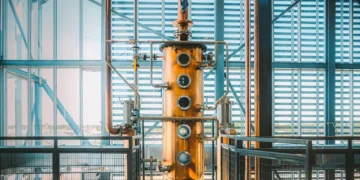
Pot Still Distillation

  • Traditional method
  • Batch process
  • Produces rich, complex flavors

Column Still (Continuous Distillation)

  • Industrial method
  • Continuous operation
  • Produces cleaner, higher-proof alcohol

The choice of still significantly impacts the spirit’s character.


3. Cuts: Selecting the Best Portions

During distillation, the output is divided into fractions:

  • Heads → contain unwanted volatile compounds
  • Hearts → the desired portion
  • Tails → heavier compounds

Only the “hearts” are used for high-quality spirits.


Chapter 6: Aging — Time as a Transformative Force

1. The Role of Wooden Barrels

Many grain spirits are aged in wooden barrels, typically oak.

Barrels contribute:

  • Flavor compounds (vanilla, caramel, spice)
  • Color (golden to deep amber)
  • Texture and smoothness

2. Interaction with Time

Aging is not passive. It involves:

  • Oxidation
  • Evaporation (“angel’s share”)
  • Chemical reactions

Over time, harsh notes soften, and complexity increases.


3. Variation Across Environments

Climate plays a crucial role:

  • Warm climates → faster aging
  • Cooler climates → slower, more gradual development

Thus, geography influences maturation.


Chapter 7: Blending — Crafting Consistency and Complexity

1. The Art of Balance

Blending involves combining different barrels or batches to achieve:

  • Consistent flavor
  • Desired complexity
  • Brand identity

2. Types of Blending

  • Mixing spirits of different ages
  • Combining different grain types
  • Adjusting flavor profiles

Blending is where technical skill meets artistic judgment.


Chapter 8: Filtration and Bottling

1. Final Refinement

Before bottling, spirits may be filtered to:

  • Remove impurities
  • Improve clarity
  • Adjust texture

2. Bottling Decisions

Producers decide:

  • Alcohol strength (proof)
  • Whether to dilute with water
  • Packaging style

These choices affect both taste and perception.


Chapter 9: How Process Shapes Identity

Every stage influences the final spirit:

  • Grain → base flavor
  • Fermentation → aroma complexity
  • Distillation → purity and strength
  • Aging → depth and smoothness

No step is neutral. Each contributes to the identity of the spirit.


Conclusion: A Controlled Transformation

The journey from grain to glass is a story of transformation guided by human intention.

What begins as a simple agricultural product becomes:

  • Concentrated
  • Refined
  • Layered with complexity

This transformation is not accidental—it is the result of carefully managed processes, informed decisions, and accumulated knowledge.

In every bottle of grain spirit, there is a balance between science and art, tradition and innovation.

And when you take a sip, you are not just tasting alcohol.

You are tasting a process—one that turns the ordinary into something extraordinary.
Tags: Culturegrain spiritstaste
ShareTweetShare

Related Posts

Grain Spirits Explained — The Foundation of Global Distillation
Grain Spirits

The Future of Grain Spirits — Technology, Sustainability, and the Next Era of Distillation

April 25, 2026
Grain Spirits Explained — The Foundation of Global Distillation
Grain Spirits

Grain Spirits Around the World — Vodka, Whisky Bases, and Industrial Applications

April 25, 2026
Grain Spirits Explained — The Foundation of Global Distillation
Grain Spirits

Distillation Systems — Pot Still vs Column Still, and the Balance Between Efficiency and Flavor

April 25, 2026
Grain Spirits Explained — The Foundation of Global Distillation
Grain Spirits

Grain Selection and Fermentation Science — How Raw Ingredients Shape Grain Spirits

April 25, 2026
Grain Spirits Explained — The Foundation of Global Distillation
Grain Spirits

Grain Spirits Explained — The Foundation of Global Distillation

April 25, 2026
Grain Spirits and the Industrial Birth of Neutral Alcohol
Grain Spirits

The Future of Grain Spirits — AI Distillation, Sustainability, and the Post-Flavor Alcohol Industry

April 21, 2026
Leave Comment
  • Trending
  • Comments
  • Latest
Role of Terroir in Champagne Production

Role of Terroir in Champagne Production

January 19, 2026
Champagne Can Be Aged in Wood?

Champagne Can Be Aged in Wood?

January 18, 2026
Is Organic Wine Healthier Than Conventional Wine?

Is Organic Wine Healthier Than Conventional Wine?

January 20, 2026
Why Do Some Champagnes Use a High Proportion of Pinot Meunier?

Why Do Some Champagnes Use a High Proportion of Pinot Meunier?

January 20, 2026
The Timeless Elegance of Wine: A Journey Through History and Culture

The Timeless Elegance of Wine: A Journey Through History and Culture

Why Is Château Lafite Rothschild the Pinnacle of Fine Wine?

Why Is Château Lafite Rothschild the Pinnacle of Fine Wine?

How Did Château Lafite Rothschild Become a Global Icon of Luxury?

How Did Château Lafite Rothschild Become a Global Icon of Luxury?

What Makes Chateau Lafite Rothschild the Pinnacle of Bordeaux Wines?

What Makes Chateau Lafite Rothschild the Pinnacle of Bordeaux Wines?

Champagne: The Sparkling Wine That Changed Global Celebration Culture

Champagne vs Prosecco vs Cava: How the World’s Sparkling Wines Reflect Culture, Geography, and Taste

May 24, 2026
Champagne: The Sparkling Wine That Changed Global Celebration Culture

Women Who Changed Champagne: Widow Clicquot, Female Leadership, and the Hidden History of Sparkling Wine

May 24, 2026
Champagne: The Sparkling Wine That Changed Global Celebration Culture

Champagne and Gastronomy: Why Sparkling Wine Became One of the World’s Greatest Food Companions

May 24, 2026
Champagne: The Sparkling Wine That Changed Global Celebration Culture

The Art of Luxury Champagne: Prestige, Fashion, and the Global Symbol of Elegance

May 24, 2026
SipsavorLife

Welcome to our comprehensive beverage guide, where you can explore the fascinating world of alcoholic drinks. From exquisite wines and rich whiskeys to refreshing beers and sparkling champagnes, we provide insights, tips, and recommendations for enthusiasts and casual drinkers alike. Discover your next favorite libation with us!

© 2025 sipsavorlife.com. contacts:sipsavorlife-35376@gmail.com

No Result
View All Result
  • Home
  • Wine
  • Whiskey
  • Beer
  • Grain Spirits
  • Champagne
  • ALL

© 2025 sipsavorlife.com. contacts:sipsavorlife-35376@gmail.com

Welcome Back!

Login to your account below

Forgotten Password?

Retrieve your password

Please enter your username or email address to reset your password.

Log In