












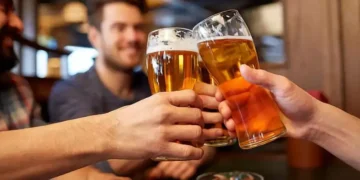

















The world of beer is evolving faster than ever. From corner pubs to high-end restaurants, beer is no longer just a drink—it’s a lifestyle statement, a conversation starter, and for many, an object of obsession. Among the many debates swirling in beer circles, one question has begun to dominate menus and social media feeds alike: can craft beer really replace traditional lager? To answer this, we need to dive into history, science, culture, and even psychology. Buckle up—it’s going to be a frothy ride.
A Quick Primer: What Is Lager Anyway?
Before we get into the battle of beers, let’s clarify what we’re comparing. Lager is the ubiquitous beer type many people grew up with. Originating in Central Europe, especially Germany and the Czech Republic, lagers are bottom-fermented beers that rely on cooler fermentation temperatures, typically between 7–13°C (45–55°F). This slower fermentation produces a clean, crisp flavor with minimal fruity esters, making lagers refreshingly easy to drink.
Characteristics of lager:
- Light to medium body
- Mild, subtle flavors
- Golden to pale amber color
- Smooth finish
Lagers have dominated the global beer market for over a century because they are approachable, consistent, and safe. Brands like Budweiser, Heineken, and Stella Artois built empires on these very qualities.
Enter Craft Beer: The Challenger
Craft beer, by contrast, is defined less by fermentation method and more by philosophy: small-batch production, innovative recipes, and bold flavors. Unlike mass-produced lagers, craft beers embrace variety—from hop-forward IPAs to sour ales, barrel-aged stouts, and hybrid styles that blur the line between beer and dessert.
What sets craft beer apart:
- Wide flavor spectrum: bitter, sour, sweet, smoky, fruity
- Experimental ingredients: coffee, chocolate, exotic spices
- Focus on artistry and local identity
- Higher alcohol by volume (ABV) than most lagers
Where lagers play it safe, craft beers dare to surprise. They often tell a story, evoking place, season, or the brewer’s imagination.
The Flavor Debate: Subtle vs. Bold
One of the main hurdles for craft beer replacing lager is flavor expectation. Lagers are predictable. Craft beers, by design, are not.
For traditional lager drinkers, the subtlety of a Pilsner or Helles is part of its charm. Craft beers, particularly IPAs and barrel-aged styles, can overwhelm the palate. The citrusy punch of a double IPA or the smoky complexity of a smoked porter might alienate someone used to the neutrality of lager.
Yet, this is where craft beer shines in experimentation. Brewers can create hop-forward pale ales that retain a lager’s drinkability while offering slightly bolder aromatics. Some hybrid styles, like session IPAs or light saisons, bridge the gap effectively.
Brewing Science: How Fermentation Shapes the Game
Fermentation is at the heart of the craft beer vs. lager debate. Lagers use bottom-fermenting yeast (Saccharomyces pastorianus), which ferments slowly at cold temperatures. Ale yeast (Saccharomyces cerevisiae), used in many craft beers, ferments at warmer temperatures, producing more esters and phenols—those fruity, floral, or spicy flavors we associate with craft beer.
The science is fascinating:
- Lagers = clean, smooth, minimal byproducts
- Ales = bold, expressive, more byproducts
- Hybrid beers = selective yeast + temperature control = balance
Innovations in brewing technology have allowed craft breweries to experiment with lager-style fermentation while maintaining ale-level flavor complexity, effectively creating the “craft lager.”
Market Trends: Are Consumers Ready?
Consumer trends suggest a shift. Millennials and Gen Z are increasingly valuing experience over tradition. They want beers that tell a story, reflect craftsmanship, and offer something new. Craft beer sales have grown steadily, often outpacing traditional lager segments in urban markets.
Yet, the global lager market remains massive. Convenience, brand recognition, and affordability make lagers difficult to displace completely. For many consumers, a pint of lager is the safe, consistent choice—perfect for watching the game or unwinding after work.
The question then becomes: can craft beer occupy this same “everyday beer” space, or will it remain a specialty indulgence?
Craft Beer and Food Pairing: A New Dimension
Lagers are versatile with food: think pizza, fried chicken, burgers. Their neutrality allows them to complement flavors rather than compete.
Craft beer offers a different kind of culinary experience. A rich imperial stout with chocolate dessert, a tart Berliner Weisse with citrus salad, or a hoppy IPA with spicy tacos transforms beer drinking into a deliberate pairing exercise.
In theory, craft beer could replace lager at the table, but it requires consumer education. The average diner may not know which craft style complements which dish. Lagers win in simplicity; craft beer wins in creativity.
Cultural Considerations: Rituals and Identity
Beer isn’t just a beverage—it’s cultural currency. Lager culture is associated with tradition, sports, and social cohesion. Craft beer culture emphasizes discovery, individuality, and storytelling.
Replacing lager means challenging entrenched social norms:
- Oktoberfest culture is lagers all the way
- Backyard barbecues and sporting events favor consistency over experimentation
- Craft beer festivals cultivate curiosity and diversity
The cultural inertia of lager is formidable, yet craft beer brings its own rituals: tasting flights, taproom visits, and label exploration. For younger drinkers, these rituals may feel more engaging than the “grab-a-can” simplicity of lager.
Economic Perspective: Small vs. Big
Economically, lagers benefit from economies of scale. Large breweries produce millions of barrels, keeping prices low and supply steady. Craft breweries operate on smaller scales, which means higher costs per unit.
If craft beer is to replace lager, it must solve two economic challenges:
- Consistency at scale—ensuring flavor quality across batches
- Affordability—making craft beer accessible without compromising quality
Some breweries have already experimented with contract brewing and regional distribution networks to bridge the gap, creating products that taste artisanal but are widely available.
Innovation in Craft Brewing
Innovation is the craft beer industry’s superpower. Breweries are blending science, art, and bold marketing to attract lager drinkers:

- Lager-inspired IPAs with approachable bitterness
- Session beers with moderate ABV and bright aromatics
- Barrel-aged lagers combining tradition with experimental flavors
These innovations demonstrate that craft beer can mimic lager characteristics while offering added complexity—a strategic middle ground.
Psychological Factors: Taste Memory and Habit
Replacing lager isn’t just about flavor—it’s about habit and memory. People have emotional associations with lagers: college parties, family gatherings, sports nights. Craft beer, while exciting, may initially feel alien.
Marketing and branding play a role here. By positioning craft beers as approachable, consistent, and slightly familiar, breweries can ease the transition. Session beers, hybrid lagers, and light ales serve as bridges, gradually reshaping taste preferences.
Sustainability and Localism: Craft Beer’s Advantage
Craft beer often emphasizes local sourcing, environmental responsibility, and small-batch quality control. For eco-conscious consumers, this adds another layer of appeal over mass-produced lagers.
Local breweries create community hubs, offer transparency in ingredients, and promote sustainability—factors that resonate with modern consumers who are increasingly value-driven.
Case Studies: Success Stories
Several markets have seen craft beers successfully challenge traditional lagers:
- United States: IPA-driven craft revolution; session beers growing rapidly
- Germany: Microbreweries reviving old styles while competing with traditional pilsners
- Japan: Craft beer taps in urban areas attract younger consumers seeking premium flavors
These examples show that, while lagers remain dominant, craft beer can carve out a substantial, growing niche.
Can Craft Beer Fully Replace Lager?
Let’s be realistic. Craft beer excels in variety, flavor, and cultural storytelling. It can appeal to adventurous consumers, foodies, and those seeking premium experiences.
However, lagers still hold the crown for:
- Everyday drinkability
- Price and availability
- Familiarity and social rituals
The question isn’t whether craft beer can replace lager entirely—it’s whether it can coexist and even dominate certain consumption moments. The future likely involves hybrid approaches: craft-inspired lagers, sessionable ales, and flavor-forward beers that retain lager’s approachability.
In other words, craft beer isn’t about killing lager—it’s about redefining the beer experience. Those who embrace this new paradigm enjoy richer flavors, diverse rituals, and a deeper connection to the craft of brewing.
Conclusion: A Frothy Future
So, can craft beer really replace traditional lager? The answer is nuanced: it can replace some aspects of lager—taste exploration, cultural engagement, and premium positioning—but replacing the sheer ubiquity of traditional lagers is unlikely. Instead, craft beer complements lager, creating a dual landscape: one for comfort and familiarity, one for innovation and discovery.
Beer lovers no longer need to choose strictly between safe and adventurous—they can enjoy both worlds, sometimes in the same glass. The future of beer is not about replacement, but evolution. And in this frothy revolution, everyone wins.