






























SipsavorLife
  • Home
  • Wine
    Wine as a Cultural Artifact: History, Identity, and the Evolution of Taste

    The Art and Science of Wine & Food Pairing: How to Create Perfect Matches Every Time

    Wine as a Cultural Artifact: History, Identity, and the Evolution of Taste

    A Complete Guide to Wine Styles and Grape Varieties: From Cabernet Sauvignon to Riesling

    Wine as a Cultural Artifact: History, Identity, and the Evolution of Taste

    The Global Wine Industry: Economics, Markets, and the Future of Consumption

    Wine as a Cultural Artifact: History, Identity, and the Evolution of Taste

    The Science of Wine Tasting: How Chemistry, Biology, and Perception Shape Flavor

    Wine as a Cultural Artifact: History, Identity, and the Evolution of Taste

    Wine as a Cultural Artifact: History, Identity, and the Evolution of Taste

    Red Wine — The Liquid Expression of Land, Time, and Human Intention

    The Future of Red Wine — Climate Change, Technology, and the Evolution of Taste

  • Whiskey
    Can Beer Be an Effective Ingredient in Culinary Cooking?

    Can Beer Be an Effective Ingredient in Culinary Cooking?

    Second Fermentation in Champagne: Is It Really That Crucial?

    Second Fermentation in Champagne: Is It Really That Crucial?

    How Do Different Grains Impact the Flavor Profile of Distilled Spirits?

    How Do Different Grains Impact the Flavor Profile of Distilled Spirits?

    How Do Whiskey Master Blenders Create Perfection?

    How Do Whiskey Master Blenders Create Perfection?

    Wine Pairings: Can They Change the Flavor Profile of a Dish?

    Wine Pairings: Can They Change the Flavor Profile of a Dish?

    Beer the Ultimate Beverage for Pairing with Spicy Food?

    Beer the Ultimate Beverage for Pairing with Spicy Food?

  • Beer
    Beer as a Cultural and Social Force: From Ancient Brew to Modern Identity

    The Art of Beer & Food Pairing: Unlocking Flavor Through Balance, Contrast, and Texture

    Beer as a Cultural and Social Force: From Ancient Brew to Modern Identity

    A Complete Guide to Beer Styles: From Lager to Stout, Understanding Flavor, Body, and Character

    Beer as a Cultural and Social Force: From Ancient Brew to Modern Identity

    The Global Beer Industry: Craft Revolution, Market Forces, and the Future of Brewing

    Beer as a Cultural and Social Force: From Ancient Brew to Modern Identity

    The Science of Beer: Brewing Process, Ingredients, and the Chemistry of Flavor

    Beer as a Cultural and Social Force: From Ancient Brew to Modern Identity

    Beer as a Cultural and Social Force: From Ancient Brew to Modern Identity

    The Evolution of Beer — From Ancient Brews to the Craft Revolution

    The Future of Beer — Innovation, Sustainability, and Emerging Trends

  • Grain Spirits
    Grain Spirits Explained — The Foundation of Global Distillation

    The Future of Grain Spirits — Technology, Sustainability, and the Next Era of Distillation

    Grain Spirits Explained — The Foundation of Global Distillation

    Grain Spirits Around the World — Vodka, Whisky Bases, and Industrial Applications

    Grain Spirits Explained — The Foundation of Global Distillation

    Distillation Systems — Pot Still vs Column Still, and the Balance Between Efficiency and Flavor

    Grain Spirits Explained — The Foundation of Global Distillation

    Grain Selection and Fermentation Science — How Raw Ingredients Shape Grain Spirits

    Grain Spirits Explained — The Foundation of Global Distillation

    Grain Spirits Explained — The Foundation of Global Distillation

    Grain Spirits and the Industrial Birth of Neutral Alcohol

    The Future of Grain Spirits — AI Distillation, Sustainability, and the Post-Flavor Alcohol Industry

  • Champagne
    The History of Champagne — From Accidental Sparkle to Global Luxury

    The Future of Champagne — Climate Change, Innovation, and Industry Evolution

    The History of Champagne — From Accidental Sparkle to Global Luxury

    The Culture of Champagne — Luxury, Celebration, and Global Influence

    The History of Champagne — From Accidental Sparkle to Global Luxury

    Champagne Styles Explained — Brut, Rosé, Vintage, and Beyond

    The History of Champagne — From Accidental Sparkle to Global Luxury

    The Craft of Champagne — Terroir, Grapes, and the Méthode Traditionnelle

    The History of Champagne — From Accidental Sparkle to Global Luxury

    The History of Champagne — From Accidental Sparkle to Global Luxury

    The Future of Champagne — Climate Change, Innovation, and the Evolution of Sparkling Wine

    The Future of Champagne — Climate Change, Innovation, and the Evolution of Sparkling Wine

  • ALL
    Can Beer Be an Effective Ingredient in Culinary Cooking?

    Can Beer Be an Effective Ingredient in Culinary Cooking?

    Second Fermentation in Champagne: Is It Really That Crucial?

    Second Fermentation in Champagne: Is It Really That Crucial?

    How Do Different Grains Impact the Flavor Profile of Distilled Spirits?

    How Do Different Grains Impact the Flavor Profile of Distilled Spirits?

    How Do Whiskey Master Blenders Create Perfection?

    How Do Whiskey Master Blenders Create Perfection?

    Wine Pairings: Can They Change the Flavor Profile of a Dish?

    Wine Pairings: Can They Change the Flavor Profile of a Dish?

    Beer the Ultimate Beverage for Pairing with Spicy Food?

    Beer the Ultimate Beverage for Pairing with Spicy Food?

SipsavorLife
  • Home
  • Wine
    Wine as a Cultural Artifact: History, Identity, and the Evolution of Taste

    The Art and Science of Wine & Food Pairing: How to Create Perfect Matches Every Time

    Wine as a Cultural Artifact: History, Identity, and the Evolution of Taste

    A Complete Guide to Wine Styles and Grape Varieties: From Cabernet Sauvignon to Riesling

    Wine as a Cultural Artifact: History, Identity, and the Evolution of Taste

    The Global Wine Industry: Economics, Markets, and the Future of Consumption

    Wine as a Cultural Artifact: History, Identity, and the Evolution of Taste

    The Science of Wine Tasting: How Chemistry, Biology, and Perception Shape Flavor

    Wine as a Cultural Artifact: History, Identity, and the Evolution of Taste

    Wine as a Cultural Artifact: History, Identity, and the Evolution of Taste

    Red Wine — The Liquid Expression of Land, Time, and Human Intention

    The Future of Red Wine — Climate Change, Technology, and the Evolution of Taste

  • Whiskey
    Can Beer Be an Effective Ingredient in Culinary Cooking?

    Can Beer Be an Effective Ingredient in Culinary Cooking?

    Second Fermentation in Champagne: Is It Really That Crucial?

    Second Fermentation in Champagne: Is It Really That Crucial?

    How Do Different Grains Impact the Flavor Profile of Distilled Spirits?

    How Do Different Grains Impact the Flavor Profile of Distilled Spirits?

    How Do Whiskey Master Blenders Create Perfection?

    How Do Whiskey Master Blenders Create Perfection?

    Wine Pairings: Can They Change the Flavor Profile of a Dish?

    Wine Pairings: Can They Change the Flavor Profile of a Dish?

    Beer the Ultimate Beverage for Pairing with Spicy Food?

    Beer the Ultimate Beverage for Pairing with Spicy Food?

  • Beer
    Beer as a Cultural and Social Force: From Ancient Brew to Modern Identity

    The Art of Beer & Food Pairing: Unlocking Flavor Through Balance, Contrast, and Texture

    Beer as a Cultural and Social Force: From Ancient Brew to Modern Identity

    A Complete Guide to Beer Styles: From Lager to Stout, Understanding Flavor, Body, and Character

    Beer as a Cultural and Social Force: From Ancient Brew to Modern Identity

    The Global Beer Industry: Craft Revolution, Market Forces, and the Future of Brewing

    Beer as a Cultural and Social Force: From Ancient Brew to Modern Identity

    The Science of Beer: Brewing Process, Ingredients, and the Chemistry of Flavor

    Beer as a Cultural and Social Force: From Ancient Brew to Modern Identity

    Beer as a Cultural and Social Force: From Ancient Brew to Modern Identity

    The Evolution of Beer — From Ancient Brews to the Craft Revolution

    The Future of Beer — Innovation, Sustainability, and Emerging Trends

  • Grain Spirits
    Grain Spirits Explained — The Foundation of Global Distillation

    The Future of Grain Spirits — Technology, Sustainability, and the Next Era of Distillation

    Grain Spirits Explained — The Foundation of Global Distillation

    Grain Spirits Around the World — Vodka, Whisky Bases, and Industrial Applications

    Grain Spirits Explained — The Foundation of Global Distillation

    Distillation Systems — Pot Still vs Column Still, and the Balance Between Efficiency and Flavor

    Grain Spirits Explained — The Foundation of Global Distillation

    Grain Selection and Fermentation Science — How Raw Ingredients Shape Grain Spirits

    Grain Spirits Explained — The Foundation of Global Distillation

    Grain Spirits Explained — The Foundation of Global Distillation

    Grain Spirits and the Industrial Birth of Neutral Alcohol

    The Future of Grain Spirits — AI Distillation, Sustainability, and the Post-Flavor Alcohol Industry

  • Champagne
    The History of Champagne — From Accidental Sparkle to Global Luxury

    The Future of Champagne — Climate Change, Innovation, and Industry Evolution

    The History of Champagne — From Accidental Sparkle to Global Luxury

    The Culture of Champagne — Luxury, Celebration, and Global Influence

    The History of Champagne — From Accidental Sparkle to Global Luxury

    Champagne Styles Explained — Brut, Rosé, Vintage, and Beyond

    The History of Champagne — From Accidental Sparkle to Global Luxury

    The Craft of Champagne — Terroir, Grapes, and the Méthode Traditionnelle

    The History of Champagne — From Accidental Sparkle to Global Luxury

    The History of Champagne — From Accidental Sparkle to Global Luxury

    The Future of Champagne — Climate Change, Innovation, and the Evolution of Sparkling Wine

    The Future of Champagne — Climate Change, Innovation, and the Evolution of Sparkling Wine

  • ALL
    Can Beer Be an Effective Ingredient in Culinary Cooking?

    Can Beer Be an Effective Ingredient in Culinary Cooking?

    Second Fermentation in Champagne: Is It Really That Crucial?

    Second Fermentation in Champagne: Is It Really That Crucial?

    How Do Different Grains Impact the Flavor Profile of Distilled Spirits?

    How Do Different Grains Impact the Flavor Profile of Distilled Spirits?

    How Do Whiskey Master Blenders Create Perfection?

    How Do Whiskey Master Blenders Create Perfection?

    Wine Pairings: Can They Change the Flavor Profile of a Dish?

    Wine Pairings: Can They Change the Flavor Profile of a Dish?

    Beer the Ultimate Beverage for Pairing with Spicy Food?

    Beer the Ultimate Beverage for Pairing with Spicy Food?

SipsavorLife
No Result
View All Result
Home ALL

What Makes Chateau Latour a Benchmark for Excellence in Fine Wine?

January 10, 2025
in ALL, Wine
What Makes Chateau Latour a Benchmark for Excellence in Fine Wine?

Introduction: A Legacy Built on Excellence

  • Opening Hook:
    Chateau Latour is more than just a vineyard; it is a legend in the world of fine wine. Revered by wine collectors, enthusiasts, and critics alike, Latour’s name has become synonymous with the highest standards of quality, craftsmanship, and tradition. But what is it that sets this estate apart, and how did it rise to such a prestigious position in the global wine industry?
  • Purpose of the Article:
    This article will take you through the rich history of Chateau Latour, its role in shaping the Bordeaux wine world, and how it has maintained its status as a leader in fine wine. We will also explore the philosophies and innovations that have helped the estate remain a beacon of excellence for centuries.

1. The Origins of Chateau Latour: A History Steeped in Tradition

  • 14th Century Beginnings:
    The roots of Chateau Latour stretch back to the 14th century. While not initially a grand wine estate, the land on which Latour sits has been producing wine since the time of the Black Death. Its vineyard’s early history is largely tied to the area’s local agricultural development, where winemaking began to flourish due to the region’s ideal terroir.
  • The Fortified Tower:
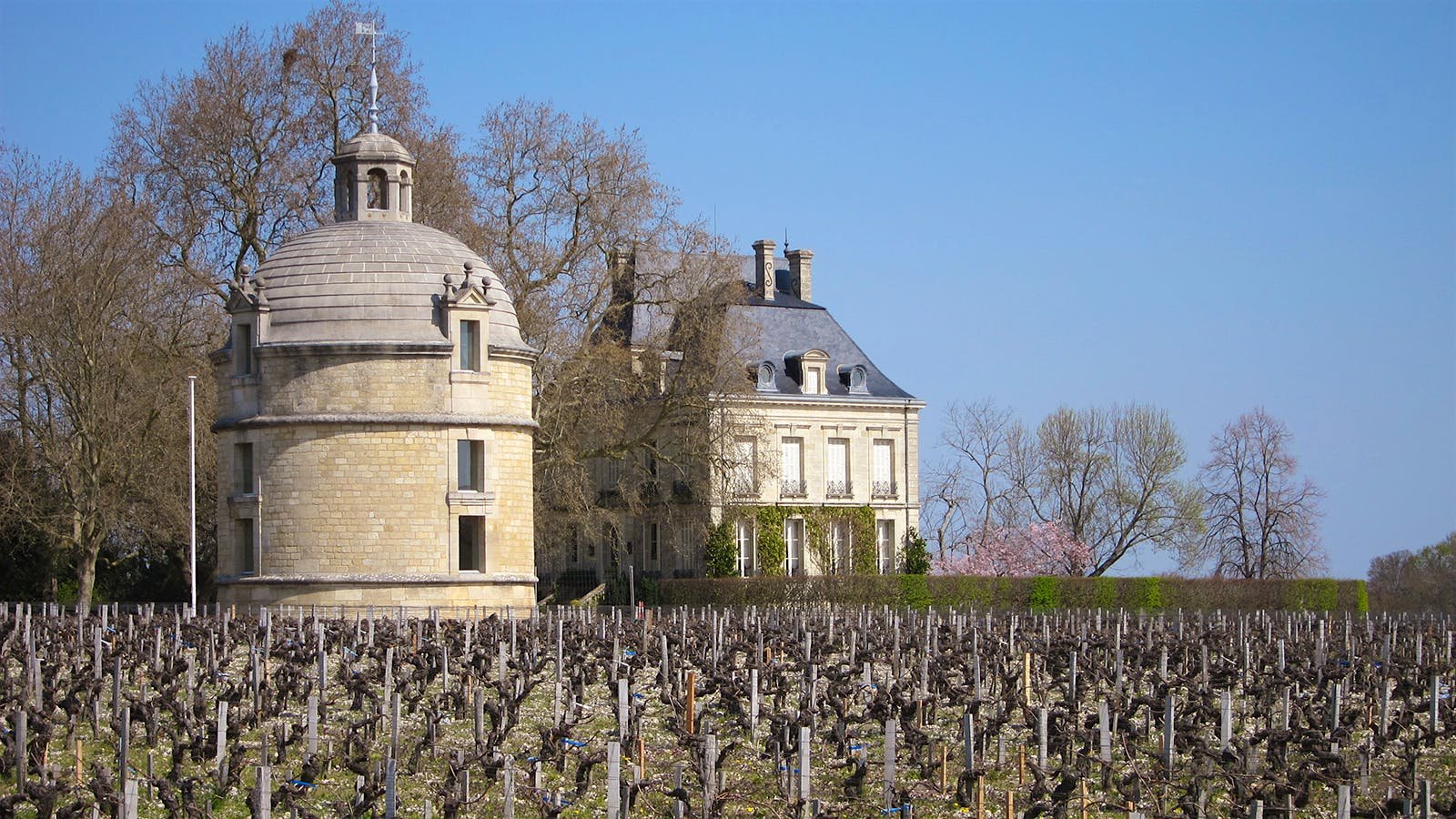
    The name “Latour” itself comes from a tower (French: “la tour”), which was part of the estate in the 14th century. This tower, a symbol of strength and fortification, has since become a key part of the estate’s iconography, linking the property’s past to its present-day prestige.
  • The Role of the Pauillac Region:
    The location of Chateau Latour in the Pauillac commune, one of the most esteemed areas of Bordeaux, played a pivotal role in the estate’s rise to prominence. The rich gravel soils along the Gironde River provide ideal conditions for cultivating the Cabernet Sauvignon that has made Latour’s wines famous.

2. Chateau Latour and the 1855 Bordeaux Classification: A Turning Point

  • The 1855 Classification and Its Impact:
    The pivotal moment for Chateau Latour came in 1855 with the establishment of the Bordeaux Wine Official Classification, which ranked Bordeaux wines based on their quality and prestige. Chateau Latour was ranked as a “Premier Cru” (First Growth), a title it has held ever since. This ranking solidified Latour’s place in the global wine hierarchy and established it as one of the finest producers of Bordeaux wines.
  • Political and Economic Climate:
    The classification was commissioned by Napoleon III to promote Bordeaux wines at the Exposition Universelle (World’s Fair) in Paris. The 1855 classification was based on the reputation of the wines, the prices they commanded at the time, and the consistent quality each estate produced. Latour’s inclusion as a First Growth positioned it as one of the top-tier wines in the Bordeaux region and beyond.
  • Long-term Impact of the Classification:
    The 1855 classification not only raised Chateau Latour’s status but also shaped the way Bordeaux wines were perceived globally. Latour’s inclusion as a Premier Cru gave the estate immediate recognition and set the tone for the quality expectations of Bordeaux wines.

3. Ownership and Evolution of Chateau Latour

  • Early Ownership and the Farrington Family:
    Chateau Latour changed hands several times before being acquired by the Farrington family in the early 19th century. The Farringtons played a significant role in expanding the estate and establishing it as one of Bordeaux’s elite producers. Under their stewardship, the estate refined its winemaking practices and developed a strong reputation in the industry.
  • Transition of Ownership in the 20th Century:
    The 20th century saw a number of ownership changes, with notable investors such as the Moueix family (owners of Chateau Pétrus) becoming involved in the estate. This new leadership introduced strategic marketing and expanded Latour’s global presence. In the 1980s, the estate was purchased by the French wine merchant, François Pinault, whose financial backing allowed for further investment in modernizing the vineyards and winery.
  • Direct-to-Consumer Sales:
    In a bold move in 2012, Chateau Latour ceased selling its wines through traditional merchants and auction houses. Instead, it began selling directly to consumers. This decision emphasized the estate’s commitment to maintaining exclusivity and control over its distribution. By cutting out intermediaries, Latour ensured that its wines would remain rare and highly coveted.
4. The Winemaking Philosophy at Chateau Latour: Innovation Meets Tradition

  • Commitment to Terroir and Sustainability:
    The success of Chateau Latour’s wines is largely attributed to its respect for terroir. The estate’s vineyards are carefully managed to reflect the unique characteristics of the Pauillac region, with a focus on cultivating grapes in harmony with the land. Sustainable farming practices, organic viticulture, and careful soil management are all integral to maintaining the estate’s high standards.
  • Innovative Winemaking Techniques:
    Chateau Latour has always embraced technological innovation, from temperature-controlled fermentation to precision viticulture. However, it has remained rooted in tradition, relying on classical techniques such as handpicking grapes and aging wines in new oak barrels. This careful balance of innovation and tradition allows the estate to produce wines that are both contemporary and timeless.
  • The Role of the Winemaker:
    The winemaker at Chateau Latour plays a critical role in shaping the estate’s wines. Their attention to detail, understanding of the vineyard’s unique characteristics, and skill in blending grapes are essential in producing the complex, full-bodied wines that Latour is known for. The estate’s commitment to excellence is reflected in its meticulous quality control, from the vineyard to the bottle.

5. Iconic Vintages of Chateau Latour: Defining Moments in Wine History

  • The 1961 Vintage:
    The 1961 vintage of Chateau Latour is often considered one of the finest wines ever produced. Known for its depth, complexity, and aging potential, the 1961 Latour has become a benchmark for Bordeaux wines. Discuss what made the 1961 vintage so exceptional and why it continues to be sought after by collectors today.
  • Other Notable Vintages (2000, 2010):
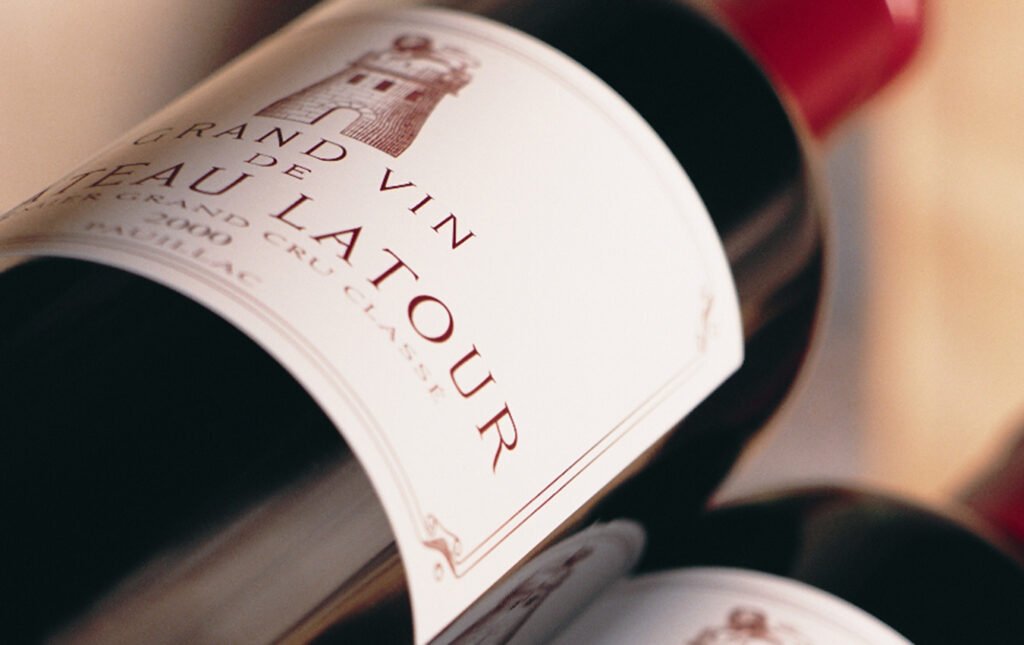
    The 2000 and 2010 vintages are other standout years for Chateau Latour. These wines are known for their remarkable structure, intensity, and longevity. This section will explore the characteristics of these vintages and how they contribute to Latour’s ongoing legacy of producing world-class wines.
  • The Role of Critics and Wine Ratings:
    Chateau Latour’s wines consistently receive high ratings from critics such as Robert Parker and Wine Spectator. These accolades contribute to the estate’s global reputation and reinforce the quality expectations that collectors have come to associate with Latour.

6. Chateau Latour’s Place in Global Wine Culture

  • Symbol of Luxury and Prestige:
    Chateau Latour is not just a wine; it is a status symbol. The brand is associated with wealth, sophistication, and a refined lifestyle. Its presence at fine dining establishments, auctions, and elite gatherings has solidified its place as a symbol of luxury. This section will explore how Latour has maintained this prestigious image over the years and how its wines continue to represent the epitome of refinement.
  • Latour in Fine Dining and Auctions:
    Chateau Latour’s wines are regularly featured in Michelin-starred restaurants and fine wine auctions. This visibility in the upper echelons of the culinary and investment worlds has contributed to the estate’s global appeal. Discuss how Latour’s wines are presented in fine dining and the prices they command at auctions.
  • Cultural Impact:
    Beyond the wine world, Chateau Latour has become a cultural icon. Its mention in literature, film, and popular culture highlights its widespread recognition. This section will discuss the estate’s cultural significance and how its wines continue to inspire artists, collectors, and wine lovers worldwide.

7. The Future of Chateau Latour: Adapting to a Changing World

  • Modern Challenges in the Wine Industry:
    The global wine industry is facing a range of challenges, from climate change to shifting consumer preferences. How is Chateau Latour adapting to these challenges? This section will explore the estate’s strategies for maintaining its quality and exclusivity while navigating these modern issues.
  • Engaging Younger Generations:
    As younger generations become more interested in wine, Chateau Latour is seeking new ways to engage these consumers. From digital platforms to innovative wine experiences, Latour is positioning itself to remain relevant in the next era of wine culture.
  • Commitment to Sustainability:
    Chateau Latour’s commitment to sustainability is central to its future. The estate continues to embrace eco-friendly practices, from organic farming to reducing its carbon footprint. This commitment to sustainability ensures that Latour will continue to produce exceptional wines while respecting the environment.

Conclusion: Chateau Latour’s Enduring Legacy

  • A Lasting Symbol of Excellence:
    Chateau Latour’s history is a testament to the estate’s unwavering commitment to quality, craftsmanship, and tradition. Its journey from a humble vineyard to one of the most iconic wine estates in the world is a story of perseverance and innovation. As it continues to adapt to the modern world, Chateau Latour’s legacy remains secure, ensuring that future generations will enjoy the wines that have defined luxury for centuries.

Tags: CultureFamous brand wineHealthHistoryluxuryWine
ShareTweetShare

Related Posts

Wine as a Cultural Artifact: History, Identity, and the Evolution of Taste
Wine

The Art and Science of Wine & Food Pairing: How to Create Perfect Matches Every Time

April 26, 2026
Wine as a Cultural Artifact: History, Identity, and the Evolution of Taste
Wine

A Complete Guide to Wine Styles and Grape Varieties: From Cabernet Sauvignon to Riesling

April 26, 2026
Wine as a Cultural Artifact: History, Identity, and the Evolution of Taste
Wine

The Global Wine Industry: Economics, Markets, and the Future of Consumption

April 26, 2026
Wine as a Cultural Artifact: History, Identity, and the Evolution of Taste
Wine

The Science of Wine Tasting: How Chemistry, Biology, and Perception Shape Flavor

April 26, 2026
Wine as a Cultural Artifact: History, Identity, and the Evolution of Taste
Wine

Wine as a Cultural Artifact: History, Identity, and the Evolution of Taste

April 26, 2026
Red Wine — The Liquid Expression of Land, Time, and Human Intention
Wine

The Future of Red Wine — Climate Change, Technology, and the Evolution of Taste

April 22, 2026
Leave Comment
  • Trending
  • Comments
  • Latest
Role of Terroir in Champagne Production

Role of Terroir in Champagne Production

January 19, 2026
Champagne Can Be Aged in Wood?

Champagne Can Be Aged in Wood?

January 18, 2026
Is Organic Wine Healthier Than Conventional Wine?

Is Organic Wine Healthier Than Conventional Wine?

January 20, 2026
Why Do Some Champagnes Use a High Proportion of Pinot Meunier?

Why Do Some Champagnes Use a High Proportion of Pinot Meunier?

January 20, 2026
The Timeless Elegance of Wine: A Journey Through History and Culture

The Timeless Elegance of Wine: A Journey Through History and Culture

Why Is Château Lafite Rothschild the Pinnacle of Fine Wine?

Why Is Château Lafite Rothschild the Pinnacle of Fine Wine?

How Did Château Lafite Rothschild Become a Global Icon of Luxury?

How Did Château Lafite Rothschild Become a Global Icon of Luxury?

What Makes Chateau Lafite Rothschild the Pinnacle of Bordeaux Wines?

What Makes Chateau Lafite Rothschild the Pinnacle of Bordeaux Wines?

Beer as a Cultural and Social Force: From Ancient Brew to Modern Identity

The Art of Beer & Food Pairing: Unlocking Flavor Through Balance, Contrast, and Texture

April 26, 2026
Beer as a Cultural and Social Force: From Ancient Brew to Modern Identity

A Complete Guide to Beer Styles: From Lager to Stout, Understanding Flavor, Body, and Character

April 26, 2026
Beer as a Cultural and Social Force: From Ancient Brew to Modern Identity

The Global Beer Industry: Craft Revolution, Market Forces, and the Future of Brewing

April 26, 2026
Beer as a Cultural and Social Force: From Ancient Brew to Modern Identity

The Science of Beer: Brewing Process, Ingredients, and the Chemistry of Flavor

April 26, 2026
SipsavorLife

Welcome to our comprehensive beverage guide, where you can explore the fascinating world of alcoholic drinks. From exquisite wines and rich whiskeys to refreshing beers and sparkling champagnes, we provide insights, tips, and recommendations for enthusiasts and casual drinkers alike. Discover your next favorite libation with us!

© 2025 sipsavorlife.com. contacts:sipsavorlife-35376@gmail.com

No Result
View All Result
  • Home
  • Wine
  • Whiskey
  • Beer
  • Grain Spirits
  • Champagne
  • ALL

© 2025 sipsavorlife.com. contacts:sipsavorlife-35376@gmail.com

Welcome Back!

Login to your account below

Forgotten Password?

Retrieve your password

Please enter your username or email address to reset your password.

Log In






