





























In the world of spirits, particularly in the whiskey and beer sectors, blending grains is both an art and a science. This concept often raises the question: do blended grains create complexity or simply lead to confusion? The truth lies somewhere between the two, as blending grains is a technique that can add remarkable depth and nuance to a product—but only when done with expertise and a clear purpose.
The Science Behind Grain Blending
At its core, blending grains is a process used to combine different types of grain in order to create a final product that is more balanced, flavorful, and consistent. The most famous example of grain blending is whiskey. While traditional Scotch whisky is typically made from malted barley, there are numerous variations that incorporate different grains—such as corn, rye, and wheat—into the mix. In the world of whiskey, especially Bourbon and Rye, this blending technique can create nuanced flavor profiles and smoother textures.
But how does the choice of grain affect the final product? Grains like barley contribute maltiness and sweetness, corn provides smoothness and body, rye adds spiciness and complexity, and wheat offers softness and roundness. By carefully selecting and blending these grains, distillers can control the overall mouthfeel, flavor profile, and even the aging potential of the whiskey.
While whiskey makers have long known the benefits of blending, beer brewers have similarly adopted the practice of mixing different malts and grains to enhance the complexity and flavor of their brews. From lagers to stouts to IPAs, the use of mixed grains allows brewers to experiment with mouthfeel, sweetness, body, and aroma, enriching the drinker’s experience.
The Art of Blending: Crafting Layers of Flavor
The beauty of blending grains lies in the layers of flavor that can be created. A single grain might give a specific characteristic—say, the spicy, slightly peppery finish of rye or the caramel sweetness of corn. When different grains are blended together, these distinct characteristics combine, creating a product that offers a symphony of flavors.
Take a blended Scotch whisky as an example. This style is often composed of several different grain whiskies, each distilled separately, and then combined to form a harmonious and complex final product. The malt whiskies lend a rich, often smoky flavor, while the grain whiskies add lightness, sweetness, and sometimes a creamy texture. The result is a whisky that is more approachable and versatile, without sacrificing depth or interest.
This approach is not unique to whiskey. Consider the world of craft beers. Many modern brewers experiment with a variety of malts, including base malts like pale malt, and specialty malts like chocolate malt, caramel malt, and even smoked malts. By blending these different types of malt, brewers can achieve a broad range of flavors and colors, from the deep richness of a stout to the crispness of a pilsner.

Moreover, blending grains also provides a level of consistency that single-grain products can lack. For example, a distiller might use a blend of grains to offset any inconsistencies that might arise from variations in harvest or climate. By creating a consistent grain profile, they can ensure that each batch of whiskey or beer has a reliable taste and quality, which is crucial for building brand loyalty.
Complexity or Confusion? The Balance of Precision and Creativity
While blending grains undoubtedly offers the potential for complexity, there is also a risk of confusion—especially when the blending process lacks precision or clarity. If the grains are poorly balanced or chosen without careful thought, the result can be a muddled flavor profile that lacks coherence. Rather than enhancing the drinking experience, a poorly executed grain blend might overwhelm the palate, with competing flavors that don’t harmonize.
In some cases, blending can go too far. For instance, in the world of whiskey, a blend of too many different grains can produce a spirit that feels diluted, lacking the bold character that single-grain whiskeys often possess. When the delicate balance of flavors is not maintained, the drinker may find themselves struggling to identify individual notes or characteristics—leading to confusion rather than enjoyment.
The key to successful grain blending is understanding the specific contributions each grain makes and ensuring that they complement one another. It’s about finding harmony in the mix. Successful blending takes practice, patience, and a good understanding of how different grains interact with one another during fermentation and aging. This is why master blenders in both the whiskey and beer industries are highly skilled and revered individuals—their expertise allows them to craft products that offer complexity without overwhelming the consumer.
Blended Grains and the Consumer Experience
From a consumer perspective, the idea of blended grains can be both exciting and intimidating. For the casual drinker, the concept of a grain blend might seem like an unnecessary complication. For the connoisseur, however, it represents an opportunity to discover new flavor profiles and textures, pushing the boundaries of what’s possible within the realm of whiskey or beer.
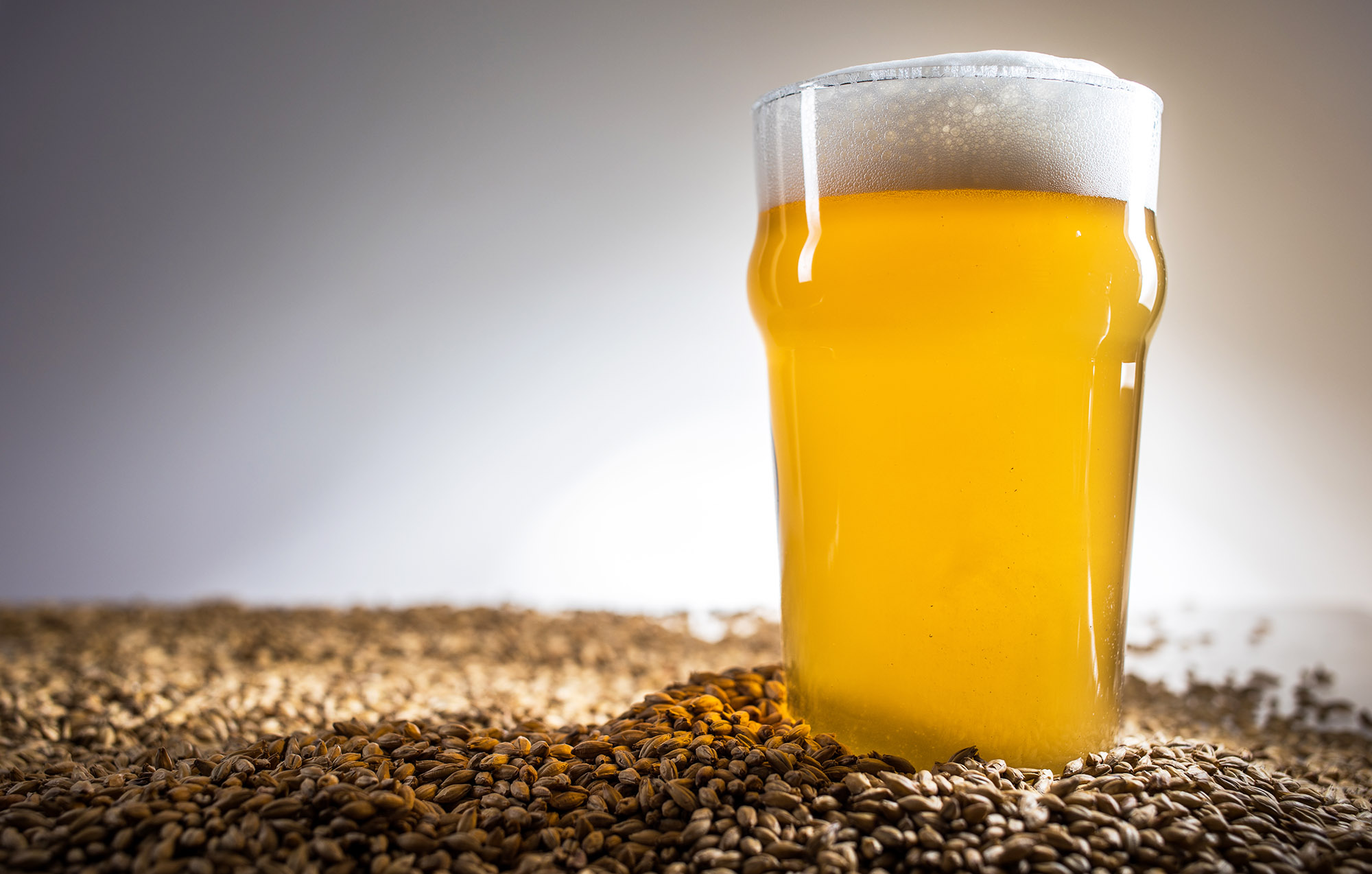
In fact, some brands have built their reputation around expertly crafted grain blends. Think of famous bourbon brands, where the mixture of corn, barley, and rye is a hallmark of their signature style. Or consider blended Scotch whiskies, which have made a name for themselves as approachable yet complex options for whiskey drinkers.
Ultimately, the success of blended grains depends on the context in which they are used. When executed well, they offer an experience that is rich, complex, and satisfying. When done poorly, they risk creating confusion, with a disjointed flavor profile that leaves the consumer perplexed rather than impressed.
The Evolution of Blended Grains in Modern Spirits
The rise of craft spirits has significantly expanded the use of blended grains. Distillers are no longer confined to traditional recipes; instead, they experiment with unusual grain combinations to create distinctive, innovative products. This trend is particularly evident in the craft whiskey scene, where small distilleries are blending grains like quinoa, oats, and even rice to craft unique flavor profiles.
The innovation doesn’t stop at whiskey. In the world of beer, brewers are also pushing the boundaries by using unconventional grains such as millet, sorghum, and even buckwheat. These grains offer alternative flavors, textures, and characteristics that challenge the traditional notions of beer brewing, creating a broader spectrum of options for the adventurous consumer.
However, it is important to note that not all blends are created equal. As with any product, the quality of the ingredients matters. The art of blending is as much about selecting the right grains as it is about knowing how to combine them. Even a slight variation in the ratio of grains can result in a vastly different flavor profile, which is why experimentation often requires a great deal of precision.
Conclusion
Blended grains, when done right, have the power to create depth, nuance, and complexity in both whiskey and beer. They allow distillers and brewers to craft products that are greater than the sum of their parts, offering consumers a unique experience that they cannot get from single-grain products. However, as with all artistry, there is a fine line between complexity and confusion. The key to success lies in the balance—knowing how to select, combine, and age the grains to bring out the best in each one.
So, do blended grains create complexity or confusion? The answer is simple: they can do both. The difference lies in the skill and creativity of the maker. When executed with care, blending grains can elevate a product to new heights of flavor and sophistication. When rushed or poorly executed, however, the result can be a muddled mess that leaves the drinker perplexed.