








SipsavorLife
  • Home
  • Wine
    Wine Pairings: Can They Change the Flavor Profile of a Dish?

    Wine Pairings: Can They Change the Flavor Profile of a Dish?

    How Do Wine Glasses Influence the Tasting Experience?

    How Do Wine Glasses Influence the Tasting Experience?

    Is Organic Wine Healthier Than Conventional Wine?

    Is Organic Wine Healthier Than Conventional Wine?

    Why Do Some Wines Taste Better from Specific Vintages?

    Why Do Some Wines Taste Better from Specific Vintages?

    Wine Tasting: Can It Truly Be an Art Form?

    Wine Tasting: Can It Truly Be an Art Form?

    What Does Terroir Actually Mean for Your Wine?

    What Does Terroir Actually Mean for Your Wine?

  • Whiskey
    Can Beer Be an Effective Ingredient in Culinary Cooking?

    Can Beer Be an Effective Ingredient in Culinary Cooking?

    Second Fermentation in Champagne: Is It Really That Crucial?

    Second Fermentation in Champagne: Is It Really That Crucial?

    How Do Different Grains Impact the Flavor Profile of Distilled Spirits?

    How Do Different Grains Impact the Flavor Profile of Distilled Spirits?

    How Do Whiskey Master Blenders Create Perfection?

    How Do Whiskey Master Blenders Create Perfection?

    Wine Pairings: Can They Change the Flavor Profile of a Dish?

    Wine Pairings: Can They Change the Flavor Profile of a Dish?

    Beer the Ultimate Beverage for Pairing with Spicy Food?

    Beer the Ultimate Beverage for Pairing with Spicy Food?

  • Beer
    Can Beer Be an Effective Ingredient in Culinary Cooking?

    Can Beer Be an Effective Ingredient in Culinary Cooking?

    Beer the Ultimate Beverage for Pairing with Spicy Food?

    Beer the Ultimate Beverage for Pairing with Spicy Food?

    How Did Ancient Civilizations Brew Beer Without Modern Technology?

    How Did Ancient Civilizations Brew Beer Without Modern Technology?

    Is It Possible to Brew a Beer with No Alcohol and No Compromise on Taste?

    Is It Possible to Brew a Beer with No Alcohol and No Compromise on Taste?

    Why Does Beer Taste Different at High Altitudes?

    Why Does Beer Taste Different at High Altitudes?

    Is Hops the Secret Ingredient Behind Beer’s Bold Flavor?

    Is Hops the Secret Ingredient Behind Beer’s Bold Flavor?

  • Grain Spirits
    How Do Different Grains Impact the Flavor Profile of Distilled Spirits?

    How Do Different Grains Impact the Flavor Profile of Distilled Spirits?

    Grain Spirits the Unsung Heroes of Modern Mixology

    Grain Spirits the Unsung Heroes of Modern Mixology

    What Makes Grain-Based Whiskey So Different from Its Peated Cousins?

    What Makes Grain-Based Whiskey So Different from Its Peated Cousins?

    Grain Spirits: Could They Be the Next Big Trend in Craft Cocktails?

    Grain Spirits: Could They Be the Next Big Trend in Craft Cocktails?

    Why Are Grain Spirits Often Overlooked in the World of Fine Liquor?

    Why Are Grain Spirits Often Overlooked in the World of Fine Liquor?

    Is There a Secret Art to Distilling Grain Spirits?

    Is There a Secret Art to Distilling Grain Spirits?

  • Champagne
    Second Fermentation in Champagne: Is It Really That Crucial?

    Second Fermentation in Champagne: Is It Really That Crucial?

    The Science Behind the ‘Bubble Size’ in Champagne

    The Science Behind the ‘Bubble Size’ in Champagne

    Why Do Some Champagnes Use a High Proportion of Pinot Meunier?

    Why Do Some Champagnes Use a High Proportion of Pinot Meunier?

    Role of Terroir in Champagne Production

    Role of Terroir in Champagne Production

    Champagne Can Be Aged in Wood?

    Champagne Can Be Aged in Wood?

    Is There a Difference Between Blanc de Blancs and Blanc de Noirs Champagne?

    Is There a Difference Between Blanc de Blancs and Blanc de Noirs Champagne?

  • ALL
    Can Beer Be an Effective Ingredient in Culinary Cooking?

    Can Beer Be an Effective Ingredient in Culinary Cooking?

    Second Fermentation in Champagne: Is It Really That Crucial?

    Second Fermentation in Champagne: Is It Really That Crucial?

    How Do Different Grains Impact the Flavor Profile of Distilled Spirits?

    How Do Different Grains Impact the Flavor Profile of Distilled Spirits?

    How Do Whiskey Master Blenders Create Perfection?

    How Do Whiskey Master Blenders Create Perfection?

    Wine Pairings: Can They Change the Flavor Profile of a Dish?

    Wine Pairings: Can They Change the Flavor Profile of a Dish?

    Beer the Ultimate Beverage for Pairing with Spicy Food?

    Beer the Ultimate Beverage for Pairing with Spicy Food?

SipsavorLife
  • Home
  • Wine
    Wine Pairings: Can They Change the Flavor Profile of a Dish?

    Wine Pairings: Can They Change the Flavor Profile of a Dish?

    How Do Wine Glasses Influence the Tasting Experience?

    How Do Wine Glasses Influence the Tasting Experience?

    Is Organic Wine Healthier Than Conventional Wine?

    Is Organic Wine Healthier Than Conventional Wine?

    Why Do Some Wines Taste Better from Specific Vintages?

    Why Do Some Wines Taste Better from Specific Vintages?

    Wine Tasting: Can It Truly Be an Art Form?

    Wine Tasting: Can It Truly Be an Art Form?

    What Does Terroir Actually Mean for Your Wine?

    What Does Terroir Actually Mean for Your Wine?

  • Whiskey
    Can Beer Be an Effective Ingredient in Culinary Cooking?

    Can Beer Be an Effective Ingredient in Culinary Cooking?

    Second Fermentation in Champagne: Is It Really That Crucial?

    Second Fermentation in Champagne: Is It Really That Crucial?

    How Do Different Grains Impact the Flavor Profile of Distilled Spirits?

    How Do Different Grains Impact the Flavor Profile of Distilled Spirits?

    How Do Whiskey Master Blenders Create Perfection?

    How Do Whiskey Master Blenders Create Perfection?

    Wine Pairings: Can They Change the Flavor Profile of a Dish?

    Wine Pairings: Can They Change the Flavor Profile of a Dish?

    Beer the Ultimate Beverage for Pairing with Spicy Food?

    Beer the Ultimate Beverage for Pairing with Spicy Food?

  • Beer
    Can Beer Be an Effective Ingredient in Culinary Cooking?

    Can Beer Be an Effective Ingredient in Culinary Cooking?

    Beer the Ultimate Beverage for Pairing with Spicy Food?

    Beer the Ultimate Beverage for Pairing with Spicy Food?

    How Did Ancient Civilizations Brew Beer Without Modern Technology?

    How Did Ancient Civilizations Brew Beer Without Modern Technology?

    Is It Possible to Brew a Beer with No Alcohol and No Compromise on Taste?

    Is It Possible to Brew a Beer with No Alcohol and No Compromise on Taste?

    Why Does Beer Taste Different at High Altitudes?

    Why Does Beer Taste Different at High Altitudes?

    Is Hops the Secret Ingredient Behind Beer’s Bold Flavor?

    Is Hops the Secret Ingredient Behind Beer’s Bold Flavor?

  • Grain Spirits
    How Do Different Grains Impact the Flavor Profile of Distilled Spirits?

    How Do Different Grains Impact the Flavor Profile of Distilled Spirits?

    Grain Spirits the Unsung Heroes of Modern Mixology

    Grain Spirits the Unsung Heroes of Modern Mixology

    What Makes Grain-Based Whiskey So Different from Its Peated Cousins?

    What Makes Grain-Based Whiskey So Different from Its Peated Cousins?

    Grain Spirits: Could They Be the Next Big Trend in Craft Cocktails?

    Grain Spirits: Could They Be the Next Big Trend in Craft Cocktails?

    Why Are Grain Spirits Often Overlooked in the World of Fine Liquor?

    Why Are Grain Spirits Often Overlooked in the World of Fine Liquor?

    Is There a Secret Art to Distilling Grain Spirits?

    Is There a Secret Art to Distilling Grain Spirits?

  • Champagne
    Second Fermentation in Champagne: Is It Really That Crucial?

    Second Fermentation in Champagne: Is It Really That Crucial?

    The Science Behind the ‘Bubble Size’ in Champagne

    The Science Behind the ‘Bubble Size’ in Champagne

    Why Do Some Champagnes Use a High Proportion of Pinot Meunier?

    Why Do Some Champagnes Use a High Proportion of Pinot Meunier?

    Role of Terroir in Champagne Production

    Role of Terroir in Champagne Production

    Champagne Can Be Aged in Wood?

    Champagne Can Be Aged in Wood?

    Is There a Difference Between Blanc de Blancs and Blanc de Noirs Champagne?

    Is There a Difference Between Blanc de Blancs and Blanc de Noirs Champagne?

  • ALL
    Can Beer Be an Effective Ingredient in Culinary Cooking?

    Can Beer Be an Effective Ingredient in Culinary Cooking?

    Second Fermentation in Champagne: Is It Really That Crucial?

    Second Fermentation in Champagne: Is It Really That Crucial?

    How Do Different Grains Impact the Flavor Profile of Distilled Spirits?

    How Do Different Grains Impact the Flavor Profile of Distilled Spirits?

    How Do Whiskey Master Blenders Create Perfection?

    How Do Whiskey Master Blenders Create Perfection?

    Wine Pairings: Can They Change the Flavor Profile of a Dish?

    Wine Pairings: Can They Change the Flavor Profile of a Dish?

    Beer the Ultimate Beverage for Pairing with Spicy Food?

    Beer the Ultimate Beverage for Pairing with Spicy Food?

SipsavorLife
No Result
View All Result
Home ALL

Why Do Champagne Houses Blend Instead of Single-Varietal Focus?

January 9, 2026
in ALL, Champagne
Why Do Champagne Houses Blend Instead of Single-Varietal Focus?

The art of Champagne production is one of the most meticulous and fascinating processes in the world of fine beverages. While the sparkling wines of many regions may focus on single varietals, Champagne houses have long embraced blending as an essential technique. But why is blending so integral to the Champagne industry? In this article, we’ll explore the historical, practical, and stylistic reasons behind the blending of Champagne, as well as the profound impact this practice has on the flavor, quality, and reputation of this luxurious drink.

The Role of Terroir and Regional Diversity

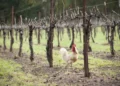
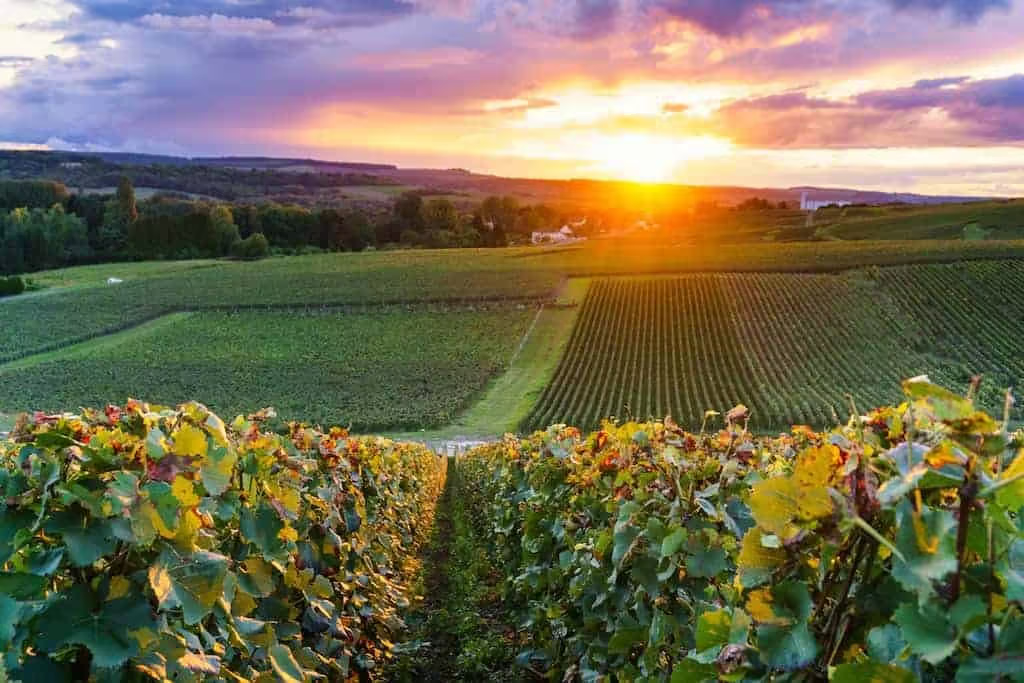
The first and most obvious reason Champagne houses opt for blending is to capture the vast array of terroirs within the Champagne region. The Champagne appellation, located in northeastern France, is divided into several sub-regions, including Montagne de Reims, Côte des Blancs, and Vallée de la Marne. Each of these regions has distinct soil types, microclimates, and vineyard exposures that impart unique characteristics to the grapes grown there.

Rather than focusing on a single vineyard or grape varietal, Champagne houses blend fruit from various areas within the region to ensure consistency in flavor and quality. Terroir, after all, is a complex blend of factors—soil, climate, topography—that can cause a grape’s character to vary significantly from year to year or even vineyard to vineyard.

For example, the Pinot Noir grown on the hillsides of Montagne de Reims might have a richer, fuller body compared to the same varietal grown in the cooler climate of the Côte des Bar. A blend allows winemakers to merge these diverse characteristics into a more balanced and harmonious final product.

A Story of Three Grapes: The Noble Varieties

Champagne is typically made from three key grape varieties: Chardonnay, Pinot Noir, and Pinot Meunier. These three noble varietals contribute different qualities to the final blend.

  • Chardonnay, a white grape, is renowned for its elegance, finesse, and acidity. It brings crispness and freshness to the blend, often contributing floral and citrus notes. This grape shines particularly well in the Côte des Blancs region, where chalky soils enhance its mineral qualities.
  • Pinot Noir, a red grape, is known for adding structure, body, and complexity. It imparts depth, richness, and a fuller mouthfeel to the Champagne, along with flavors of red berries, dried fruits, and even subtle notes of spice.
  • Pinot Meunier, a mutation of Pinot Noir, is typically softer and fruitier. It lends an element of roundness and accessibility to the blend, with flavors that often evoke ripe apples, strawberries, and even floral nuances.

By blending these three varieties in various proportions, Champagne producers can create a spectrum of flavors and styles. This diversity allows for consistency, but it also gives Champagne houses the freedom to experiment with different combinations, depending on the house’s unique style and the year’s vintage conditions.

How Sparkling Wine is Made | Wine Enthusiast

Vintage vs Non-Vintage Champagne: A Key to Consistency

Another important aspect of Champagne blending is the ability to produce Non-Vintage Champagne (NV). Most of the Champagne you see on shelves is non-vintage, meaning it is made from a blend of wines from multiple harvests. This allows Champagne houses to ensure a consistent product year after year, even if a particular harvest has been challenging due to weather conditions or other factors.

When producing non-vintage Champagne, houses combine base wines from different years, sometimes even from a mix of regions within Champagne, to create a consistent flavor profile. This consistency is crucial for branding and market positioning, as Champagne houses want to offer a reliable product to their customers, regardless of the fluctuations in individual harvests.

In contrast, Vintage Champagne, which is made from a single year’s harvest, can reflect the unique qualities of that year. However, it is only produced in exceptional years when the weather conditions allow for grapes to reach optimal ripeness and quality. As vintage wines are much rarer and can be more variable, they often command a premium price and are sought after by collectors.

While vintage Champagnes represent the pinnacle of craftsmanship, non-vintage blends remain the backbone of Champagne production. The blending of various harvests ensures that these wines retain a sense of continuity, regardless of the fluctuations in any single year’s quality.

The Challenges of Climate and Weather Variability

One of the biggest challenges facing Champagne producers is the unpredictability of the weather. Champagne’s cool, northern climate means that the region is susceptible to early frosts, rain, and occasional heat waves, all of which can negatively impact grape quality.

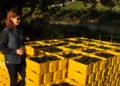
In any given year, the ripeness of the grapes can vary dramatically depending on the weather. Some regions may experience a very hot summer, leading to early ripening, while others may struggle with excessive rain, resulting in delayed harvests and under-ripe fruit.

Blending allows Champagne producers to counterbalance these fluctuations in weather. For example, if a particular harvest yields grapes that are under-ripe and acidic, they can be blended with wines from other years that have better ripeness, balancing acidity with fruitiness to create a more harmonious product. This adaptability is one of the reasons Champagne houses have embraced blending as an essential part of their winemaking philosophy.
Home - Independent winegrower - Champagne Denis FRÉZIER

Mastery Over Style and Innovation

The blending of different grape varieties and harvests is not just a matter of ensuring consistency; it’s also about creating distinctive styles of Champagne. Each Champagne house has its own signature style, and this is largely determined by how they choose to blend their grapes. Some houses may favor a higher percentage of Chardonnay for a more elegant, crisp profile, while others might prefer a blend dominated by Pinot Noir for greater body and richness.

Blending also provides Champagne producers with the opportunity to innovate. Many houses experiment with the proportion of grape varieties, the inclusion of reserve wines (wines from previous years kept to add complexity to blends), and even the duration of aging on the lees (the yeast cells that settle after fermentation) to develop unique flavor profiles.

For instance, some producers use longer aging techniques, which result in more biscuity, yeasty notes, while others may opt for a fresher, fruit-forward style. The blending process is central to these stylistic choices, allowing Champagne houses to create wines that appeal to a wide variety of palates while maintaining their brand identity.

Consumer Preferences and Market Trends

Consumer demand for consistent, high-quality Champagne has also driven the widespread use of blending. While enthusiasts may appreciate the complexities of vintage Champagne, most everyday consumers seek a reliable, enjoyable drinking experience, which non-vintage blends can provide. Blending allows houses to create a product that consistently meets these expectations.

Additionally, blending is essential in catering to the growing demand for rosé Champagne. Rosé Champagne is made either by blending red wine with white wine (a process known as “blending”), or by allowing the grape skins to briefly macerate with the juice to impart color (the “skin-contact” method). The former is a more common technique among Champagne houses, as it allows for greater control over color, flavor, and consistency in the final product.

As tastes evolve, blending also gives Champagne houses the flexibility to adapt to changing trends in the market, whether that be creating lighter, more refreshing Champagnes for casual drinking or developing richer, more complex styles for connoisseurs and collectors.

The Art of Blending: A Champagne House’s Secret Weapon

At its core, blending is not just about technical skill—it’s about artistry. The blending process is a form of creative expression, where winemakers combine elements from nature to create something entirely unique. Every batch of Champagne is a blend of history, climate, and tradition, but it is also a reflection of the producer’s vision and craftsmanship.

Champagne houses employ skilled chef de cave (cellar masters) who are responsible for overseeing the blending process. These experts possess an extraordinary palate and a deep understanding of how different wines from different years will interact. A skilled cellar master can bring together hundreds, if not thousands, of different wine components to create a single harmonious and consistent product. It’s this artistry that has allowed Champagne to maintain its reputation as one of the world’s most prestigious and sought-after drinks.

Conclusion

The decision to blend rather than focus on single-varietal wines in Champagne is driven by a combination of historical, practical, and stylistic reasons. Blending allows producers to navigate the complexities of the region’s terroir, combat the unpredictability of the weather, and maintain consistency across years. At the same time, it provides an opportunity for creative expression, ensuring that each Champagne house can develop its own distinctive style while satisfying the diverse tastes of its audience.

By blending different grape varieties, harvests, and regions, Champagne houses can craft wines that are more than the sum of their parts—wines that are a true reflection of the craftsmanship, innovation, and tradition that defines this sparkling gem of the wine world.

Tags: champagneChampagne productionsparkling wineterroir
ShareTweetShare

Related Posts

Can Beer Be an Effective Ingredient in Culinary Cooking?
ALL

Can Beer Be an Effective Ingredient in Culinary Cooking?

January 22, 2026
Second Fermentation in Champagne: Is It Really That Crucial?
ALL

Second Fermentation in Champagne: Is It Really That Crucial?

January 22, 2026
How Do Different Grains Impact the Flavor Profile of Distilled Spirits?
ALL

How Do Different Grains Impact the Flavor Profile of Distilled Spirits?

January 22, 2026
How Do Whiskey Master Blenders Create Perfection?
ALL

How Do Whiskey Master Blenders Create Perfection?

January 22, 2026
Wine Pairings: Can They Change the Flavor Profile of a Dish?
ALL

Wine Pairings: Can They Change the Flavor Profile of a Dish?

January 22, 2026
Beer the Ultimate Beverage for Pairing with Spicy Food?
ALL

Beer the Ultimate Beverage for Pairing with Spicy Food?

January 21, 2026
Leave Comment
  • Trending
  • Comments
  • Latest
What Hidden Craftsmanship Lies Behind a Bottle of Quality Grain Spirits?

What Hidden Craftsmanship Lies Behind a Bottle of Quality Grain Spirits?

July 3, 2025
How Is Champagne Made? The Secrets Behind the Sparkle

How Is Champagne Made? The Secrets Behind the Sparkle

April 15, 2025
Grain Spirits vs. Traditional Distilled Spirits: Which One Suits Your Taste?

Grain Spirits vs. Traditional Distilled Spirits: Which One Suits Your Taste?

July 3, 2025
Champagne Bubbles: How Do They Perfectly Convey Celebration, Joy, and Luxury?

Champagne Bubbles: How Do They Perfectly Convey Celebration, Joy, and Luxury?

July 2, 2025
The Timeless Elegance of Wine: A Journey Through History and Culture

The Timeless Elegance of Wine: A Journey Through History and Culture

Why Is Château Lafite Rothschild the Pinnacle of Fine Wine?

Why Is Château Lafite Rothschild the Pinnacle of Fine Wine?

How Did Château Lafite Rothschild Become a Global Icon of Luxury?

How Did Château Lafite Rothschild Become a Global Icon of Luxury?

What Makes Chateau Lafite Rothschild the Pinnacle of Bordeaux Wines?

What Makes Chateau Lafite Rothschild the Pinnacle of Bordeaux Wines?

Can Beer Be an Effective Ingredient in Culinary Cooking?

Can Beer Be an Effective Ingredient in Culinary Cooking?

January 22, 2026
Second Fermentation in Champagne: Is It Really That Crucial?

Second Fermentation in Champagne: Is It Really That Crucial?

January 22, 2026
How Do Different Grains Impact the Flavor Profile of Distilled Spirits?

How Do Different Grains Impact the Flavor Profile of Distilled Spirits?

January 22, 2026
How Do Whiskey Master Blenders Create Perfection?

How Do Whiskey Master Blenders Create Perfection?

January 22, 2026
SipsavorLife

Welcome to our comprehensive beverage guide, where you can explore the fascinating world of alcoholic drinks. From exquisite wines and rich whiskeys to refreshing beers and sparkling champagnes, we provide insights, tips, and recommendations for enthusiasts and casual drinkers alike. Discover your next favorite libation with us!

© 2025 sipsavorlife.com. contacts:sipsavorlife-35376@gmail.com

No Result
View All Result
  • Home
  • Wine
  • Whiskey
  • Beer
  • Grain Spirits
  • Champagne
  • ALL

© 2025 sipsavorlife.com. contacts:sipsavorlife-35376@gmail.com

Welcome Back!

Login to your account below

Forgotten Password?

Retrieve your password

Please enter your username or email address to reset your password.

Log In