










SipsavorLife
  • Home
  • Wine
    Wine Pairings: Can They Change the Flavor Profile of a Dish?

    Wine Pairings: Can They Change the Flavor Profile of a Dish?

    How Do Wine Glasses Influence the Tasting Experience?

    How Do Wine Glasses Influence the Tasting Experience?

    Is Organic Wine Healthier Than Conventional Wine?

    Is Organic Wine Healthier Than Conventional Wine?

    Why Do Some Wines Taste Better from Specific Vintages?

    Why Do Some Wines Taste Better from Specific Vintages?

    Wine Tasting: Can It Truly Be an Art Form?

    Wine Tasting: Can It Truly Be an Art Form?

    What Does Terroir Actually Mean for Your Wine?

    What Does Terroir Actually Mean for Your Wine?

  • Whiskey
    Can Beer Be an Effective Ingredient in Culinary Cooking?

    Can Beer Be an Effective Ingredient in Culinary Cooking?

    Second Fermentation in Champagne: Is It Really That Crucial?

    Second Fermentation in Champagne: Is It Really That Crucial?

    How Do Different Grains Impact the Flavor Profile of Distilled Spirits?

    How Do Different Grains Impact the Flavor Profile of Distilled Spirits?

    How Do Whiskey Master Blenders Create Perfection?

    How Do Whiskey Master Blenders Create Perfection?

    Wine Pairings: Can They Change the Flavor Profile of a Dish?

    Wine Pairings: Can They Change the Flavor Profile of a Dish?

    Beer the Ultimate Beverage for Pairing with Spicy Food?

    Beer the Ultimate Beverage for Pairing with Spicy Food?

  • Beer
    Can Beer Be an Effective Ingredient in Culinary Cooking?

    Can Beer Be an Effective Ingredient in Culinary Cooking?

    Beer the Ultimate Beverage for Pairing with Spicy Food?

    Beer the Ultimate Beverage for Pairing with Spicy Food?

    How Did Ancient Civilizations Brew Beer Without Modern Technology?

    How Did Ancient Civilizations Brew Beer Without Modern Technology?

    Is It Possible to Brew a Beer with No Alcohol and No Compromise on Taste?

    Is It Possible to Brew a Beer with No Alcohol and No Compromise on Taste?

    Why Does Beer Taste Different at High Altitudes?

    Why Does Beer Taste Different at High Altitudes?

    Is Hops the Secret Ingredient Behind Beer’s Bold Flavor?

    Is Hops the Secret Ingredient Behind Beer’s Bold Flavor?

  • Grain Spirits
    How Do Different Grains Impact the Flavor Profile of Distilled Spirits?

    How Do Different Grains Impact the Flavor Profile of Distilled Spirits?

    Grain Spirits the Unsung Heroes of Modern Mixology

    Grain Spirits the Unsung Heroes of Modern Mixology

    What Makes Grain-Based Whiskey So Different from Its Peated Cousins?

    What Makes Grain-Based Whiskey So Different from Its Peated Cousins?

    Grain Spirits: Could They Be the Next Big Trend in Craft Cocktails?

    Grain Spirits: Could They Be the Next Big Trend in Craft Cocktails?

    Why Are Grain Spirits Often Overlooked in the World of Fine Liquor?

    Why Are Grain Spirits Often Overlooked in the World of Fine Liquor?

    Is There a Secret Art to Distilling Grain Spirits?

    Is There a Secret Art to Distilling Grain Spirits?

  • Champagne
    Second Fermentation in Champagne: Is It Really That Crucial?

    Second Fermentation in Champagne: Is It Really That Crucial?

    The Science Behind the ‘Bubble Size’ in Champagne

    The Science Behind the ‘Bubble Size’ in Champagne

    Why Do Some Champagnes Use a High Proportion of Pinot Meunier?

    Why Do Some Champagnes Use a High Proportion of Pinot Meunier?

    Role of Terroir in Champagne Production

    Role of Terroir in Champagne Production

    Champagne Can Be Aged in Wood?

    Champagne Can Be Aged in Wood?

    Is There a Difference Between Blanc de Blancs and Blanc de Noirs Champagne?

    Is There a Difference Between Blanc de Blancs and Blanc de Noirs Champagne?

  • ALL
    Can Beer Be an Effective Ingredient in Culinary Cooking?

    Can Beer Be an Effective Ingredient in Culinary Cooking?

    Second Fermentation in Champagne: Is It Really That Crucial?

    Second Fermentation in Champagne: Is It Really That Crucial?

    How Do Different Grains Impact the Flavor Profile of Distilled Spirits?

    How Do Different Grains Impact the Flavor Profile of Distilled Spirits?

    How Do Whiskey Master Blenders Create Perfection?

    How Do Whiskey Master Blenders Create Perfection?

    Wine Pairings: Can They Change the Flavor Profile of a Dish?

    Wine Pairings: Can They Change the Flavor Profile of a Dish?

    Beer the Ultimate Beverage for Pairing with Spicy Food?

    Beer the Ultimate Beverage for Pairing with Spicy Food?

SipsavorLife
  • Home
  • Wine
    Wine Pairings: Can They Change the Flavor Profile of a Dish?

    Wine Pairings: Can They Change the Flavor Profile of a Dish?

    How Do Wine Glasses Influence the Tasting Experience?

    How Do Wine Glasses Influence the Tasting Experience?

    Is Organic Wine Healthier Than Conventional Wine?

    Is Organic Wine Healthier Than Conventional Wine?

    Why Do Some Wines Taste Better from Specific Vintages?

    Why Do Some Wines Taste Better from Specific Vintages?

    Wine Tasting: Can It Truly Be an Art Form?

    Wine Tasting: Can It Truly Be an Art Form?

    What Does Terroir Actually Mean for Your Wine?

    What Does Terroir Actually Mean for Your Wine?

  • Whiskey
    Can Beer Be an Effective Ingredient in Culinary Cooking?

    Can Beer Be an Effective Ingredient in Culinary Cooking?

    Second Fermentation in Champagne: Is It Really That Crucial?

    Second Fermentation in Champagne: Is It Really That Crucial?

    How Do Different Grains Impact the Flavor Profile of Distilled Spirits?

    How Do Different Grains Impact the Flavor Profile of Distilled Spirits?

    How Do Whiskey Master Blenders Create Perfection?

    How Do Whiskey Master Blenders Create Perfection?

    Wine Pairings: Can They Change the Flavor Profile of a Dish?

    Wine Pairings: Can They Change the Flavor Profile of a Dish?

    Beer the Ultimate Beverage for Pairing with Spicy Food?

    Beer the Ultimate Beverage for Pairing with Spicy Food?

  • Beer
    Can Beer Be an Effective Ingredient in Culinary Cooking?

    Can Beer Be an Effective Ingredient in Culinary Cooking?

    Beer the Ultimate Beverage for Pairing with Spicy Food?

    Beer the Ultimate Beverage for Pairing with Spicy Food?

    How Did Ancient Civilizations Brew Beer Without Modern Technology?

    How Did Ancient Civilizations Brew Beer Without Modern Technology?

    Is It Possible to Brew a Beer with No Alcohol and No Compromise on Taste?

    Is It Possible to Brew a Beer with No Alcohol and No Compromise on Taste?

    Why Does Beer Taste Different at High Altitudes?

    Why Does Beer Taste Different at High Altitudes?

    Is Hops the Secret Ingredient Behind Beer’s Bold Flavor?

    Is Hops the Secret Ingredient Behind Beer’s Bold Flavor?

  • Grain Spirits
    How Do Different Grains Impact the Flavor Profile of Distilled Spirits?

    How Do Different Grains Impact the Flavor Profile of Distilled Spirits?

    Grain Spirits the Unsung Heroes of Modern Mixology

    Grain Spirits the Unsung Heroes of Modern Mixology

    What Makes Grain-Based Whiskey So Different from Its Peated Cousins?

    What Makes Grain-Based Whiskey So Different from Its Peated Cousins?

    Grain Spirits: Could They Be the Next Big Trend in Craft Cocktails?

    Grain Spirits: Could They Be the Next Big Trend in Craft Cocktails?

    Why Are Grain Spirits Often Overlooked in the World of Fine Liquor?

    Why Are Grain Spirits Often Overlooked in the World of Fine Liquor?

    Is There a Secret Art to Distilling Grain Spirits?

    Is There a Secret Art to Distilling Grain Spirits?

  • Champagne
    Second Fermentation in Champagne: Is It Really That Crucial?

    Second Fermentation in Champagne: Is It Really That Crucial?

    The Science Behind the ‘Bubble Size’ in Champagne

    The Science Behind the ‘Bubble Size’ in Champagne

    Why Do Some Champagnes Use a High Proportion of Pinot Meunier?

    Why Do Some Champagnes Use a High Proportion of Pinot Meunier?

    Role of Terroir in Champagne Production

    Role of Terroir in Champagne Production

    Champagne Can Be Aged in Wood?

    Champagne Can Be Aged in Wood?

    Is There a Difference Between Blanc de Blancs and Blanc de Noirs Champagne?

    Is There a Difference Between Blanc de Blancs and Blanc de Noirs Champagne?

  • ALL
    Can Beer Be an Effective Ingredient in Culinary Cooking?

    Can Beer Be an Effective Ingredient in Culinary Cooking?

    Second Fermentation in Champagne: Is It Really That Crucial?

    Second Fermentation in Champagne: Is It Really That Crucial?

    How Do Different Grains Impact the Flavor Profile of Distilled Spirits?

    How Do Different Grains Impact the Flavor Profile of Distilled Spirits?

    How Do Whiskey Master Blenders Create Perfection?

    How Do Whiskey Master Blenders Create Perfection?

    Wine Pairings: Can They Change the Flavor Profile of a Dish?

    Wine Pairings: Can They Change the Flavor Profile of a Dish?

    Beer the Ultimate Beverage for Pairing with Spicy Food?

    Beer the Ultimate Beverage for Pairing with Spicy Food?

SipsavorLife
No Result
View All Result
Home ALL

Why Do Dark Beers Sometimes Taste Lighter Than Pale Ones?

January 7, 2026
in ALL, Beer
Why Do Dark Beers Sometimes Taste Lighter Than Pale Ones?

When you think of beer, the first thing that comes to mind might be a pale lager, a deep stout, or maybe a rich amber ale. In the world of beer, color is often a telltale sign of flavor. Dark beers, often rich in color and heavy on malt, seem like they should have a robust, almost intense flavor. But here’s the twist: sometimes dark beers taste surprisingly lighter than their pale counterparts. How can this be?

The science behind beer flavor and perception is a fascinating subject that involves many elements: malts, hops, yeast, fermentation processes, and even psychology. The color of the beer can be deceiving, and there’s far more going on in the flavor profile than the initial visual suggests. So, why do dark beers sometimes taste lighter than pale ones? Let’s dive into this paradox and explore the many layers that explain this phenomenon.

The Role of Malt and Color in Beer

To understand why dark beers sometimes taste lighter than expected, it’s important to first look at the primary ingredient that dictates both the color and flavor of the beer: malt. Malt comes from barley (or other grains), and during the brewing process, it undergoes a process known as malting, where it is soaked, dried, and roasted to produce different flavors. The extent to which malt is roasted has a direct effect on both the color and the taste of the beer.

Dark malts, which are roasted longer, give the beer its characteristic deep, dark color, but they don’t always result in a particularly heavy or intense flavor. In fact, some dark beers can have surprisingly mild or even refreshing flavors due to the balance of malt sweetness, carbonation, and hop bitterness. A common misconception is that darker beers must be heavy and rich in flavor, but in reality, the sweetness from roasted malts is often balanced by other factors that lighten the beer’s overall character.

Flavor Perception and the Influence of Sweetness

In general, beers that are perceived as “heavy” tend to have a strong malt presence, while those perceived as “light” are often more carbonated and have a noticeable hop bitterness. But it’s important to note that sweetness plays a huge role in flavor perception. Dark malts contribute a variety of sweet flavors such as caramel, toffee, and chocolate, but they also can introduce roasted or burnt flavors.

However, dark beers often have a lower residual sweetness than their pale counterparts, especially if the beer is brewed with more hops or undergoes a higher level of fermentation. The lack of sweetness in these darker beers can make them taste less intense, lighter, and more drinkable than one might expect. In contrast, some pale ales, which tend to be brewed with lighter malts and a more pronounced hop character, can feel heavier due to their bitterness or the absence of sweetness.
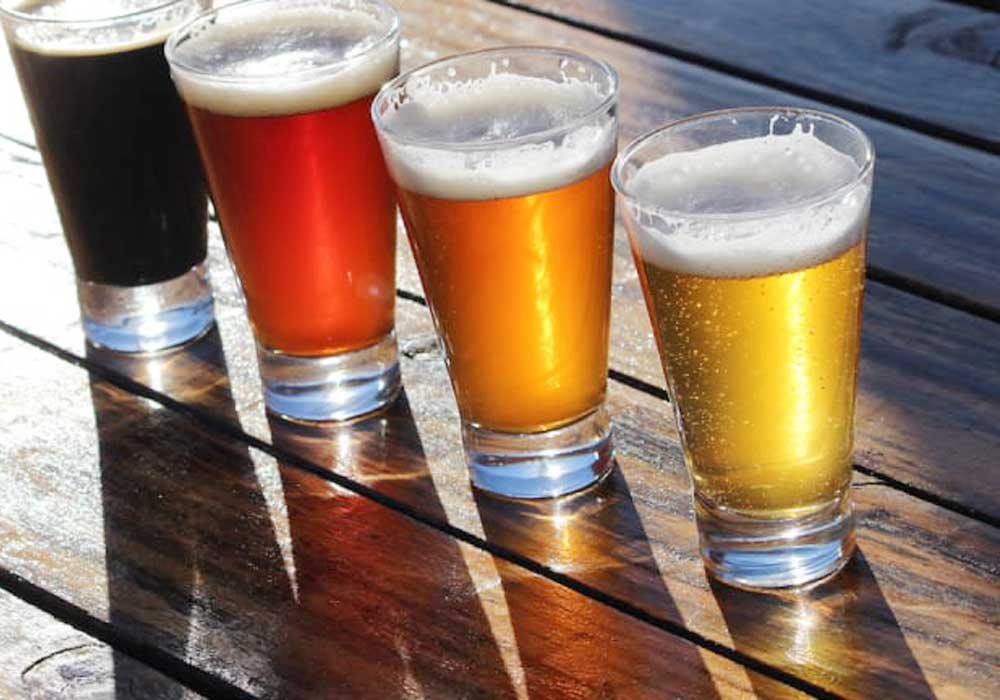
Factors That Influence The Colour Of Your Beer - Brewer World-Everything  about beer is here

Hops: The Bitter Balancer

Hops play a critical role in balancing the sweetness of malt and in creating the overall flavor profile of a beer. When it comes to pale ales, hops are often front and center. These beers are usually hopped more heavily than their dark counterparts, which means they can be intensely bitter. This bitterness can create a perception of heaviness, even though the beer may have a relatively low alcohol content.

On the other hand, darker beers may have a more subtle hop presence, particularly in styles like porters and stouts, where the malt character dominates. But because these dark beers tend to have lower bitterness and a more complex malt sweetness, they can taste lighter than expected, even though they have a darker color.

Interestingly, certain dark beers, like Baltic porters or Schwarzbiers, are brewed with a balance of malt sweetness and moderate hop bitterness, creating a smooth, easy-drinking experience that can be surprisingly light on the palate. These beers are an excellent example of how dark color does not always correlate with heavy taste.

Yeast and Fermentation: A Subtle Influence on Flavor

Yeast is another critical component of beer flavor, and its role in fermentation can affect the perception of heaviness or lightness. The yeast used in brewing influences not only the alcohol content of the beer but also the aroma, mouthfeel, and overall flavor profile.

In many dark beers, the yeast produces esters and phenols that can create fruity, spicy, or smoky flavors, which add layers of complexity to the beer. These flavors may lighten the perception of the beer’s overall profile by counteracting the rich, malty sweetness. Conversely, many pale beers, especially those in the IPA (India Pale Ale) category, are fermented with yeasts that produce higher levels of hop-forward aromas and flavors, such as citrus or piney notes, which can create a sharpness that makes the beer taste heavier and more intense.

Alcohol Content: How Strength Affects Perception

Alcohol content is another important factor in how we perceive the flavor of beer. The higher the alcohol content, the more pronounced the “body” of the beer tends to be. This doesn’t always hold true, though, because beers with higher alcohol content can still taste surprisingly light due to the balance of malt sweetness and hop bitterness.

Dark beers, particularly those like imperial stouts or barleywines, can have higher alcohol content, but they may taste smoother and lighter due to their balance of malt sweetness, roasted flavors, and low hop bitterness. Pale beers, such as pale ales and IPAs, can sometimes feel more alcoholic due to their hop bitterness and the dryness caused by less residual sweetness.
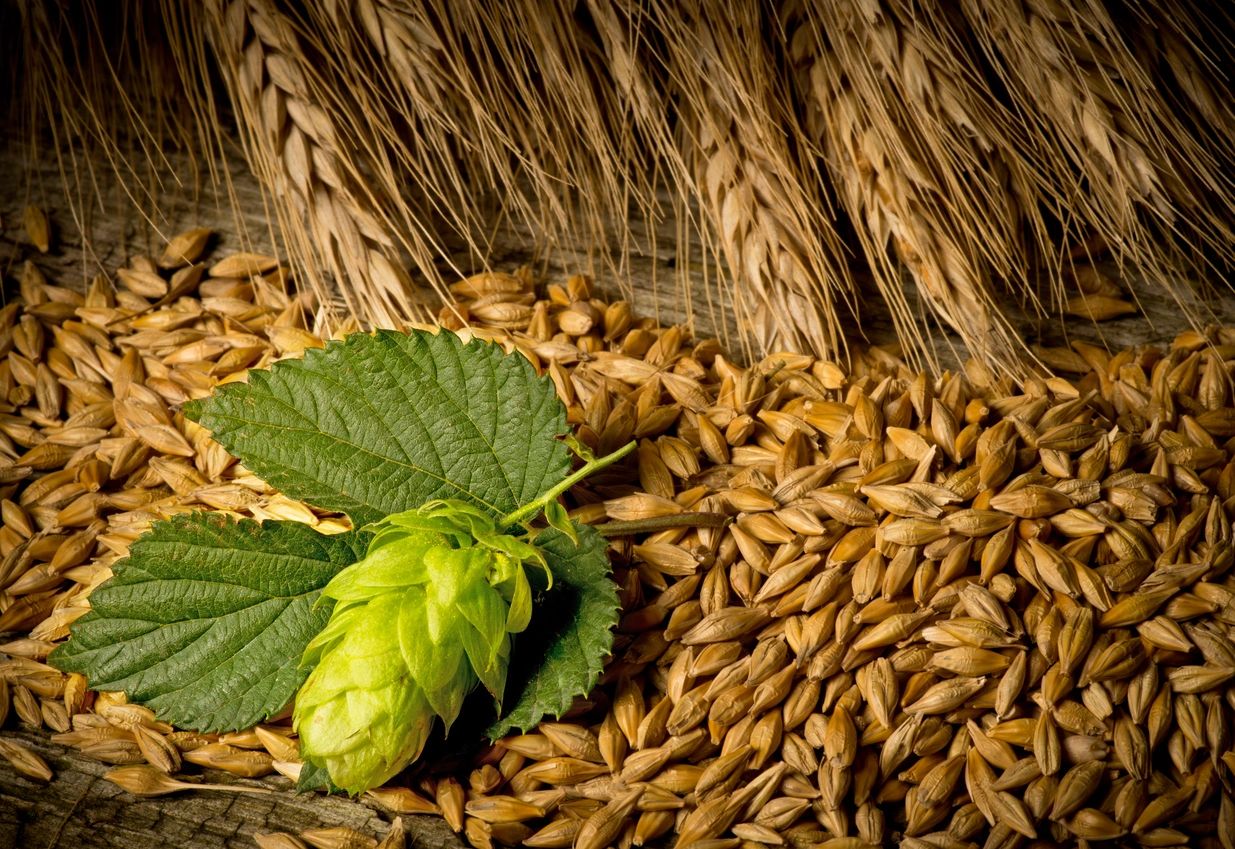
Let's Talk Beer! Part the First: Ales and Lagers - Hops and Malts

Carbonation: The Effervescence Factor

One of the often-overlooked aspects of beer perception is carbonation. Carbonation can have a significant impact on how light or heavy a beer feels. Higher carbonation levels tend to make beers feel lighter, even if the beer is high in alcohol or malt content. This is because carbonation enhances the crispness of the beer, giving it a refreshing sensation that tricks your mind into thinking the beer is lighter than it actually is.

In contrast, low-carbonation beers, often found in darker styles like stouts and porters, can feel heavier or denser, even if their alcohol content or malt profile isn’t particularly high. The lack of carbonation allows the richer, thicker mouthfeel of the malt to dominate, and this can trick drinkers into perceiving the beer as heavier.

The Power of Perception: Psychology and Color

Psychologically speaking, color plays a significant role in how we perceive flavor. Dark colors often suggest richness and fullness, while lighter colors imply refreshment and drinkability. The human brain is wired to associate darker hues with denser, more robust flavors, and lighter hues with subtlety and ease. When we pour a dark beer, we expect it to taste heavy, thick, and intense—but this expectation is not always met.

The cognitive dissonance between what we expect from a dark beer and what we experience when we taste it can lead to the impression that dark beers are lighter than they appear. This is a classic case of expectation bias, where our mental frameworks around color and flavor don’t always align with the actual taste.

Case Study: Popular Dark Beers That Taste Lighter Than Expected

  1. Guinness Draught: Perhaps the most famous example of a dark beer that surprises many drinkers is Guinness. This iconic Irish stout is dark as night, but its taste is incredibly smooth and light. The beer’s low carbonation and moderate alcohol content, combined with a balance of roasted malt and light hop bitterness, make it deceptively easy-drinking.
  2. Schwarzbier: A German style of dark lager, Schwarzbier is known for its light body and crisp finish despite its dark color. Brewed with lightly roasted malts, it has flavors of coffee and chocolate but without the heavy, thick mouthfeel typically associated with stouts.
  3. Baltic Porter: A rich, dark beer with origins in Eastern Europe, the Baltic porter is a beer that often surprises drinkers with its smooth, balanced flavor profile. The moderate alcohol content and low hop bitterness create a beer that is dark in color but light and easy to drink.

Conclusion: A Complex Web of Factors

So, why do dark beers sometimes taste lighter than pale ones? It all comes down to the intricate balance between malt, hops, yeast, carbonation, and psychology. Dark beers are not always heavy because the richness of the malt is often balanced by a lack of hop bitterness, a smooth fermentation profile, and a careful attention to carbonation levels. Meanwhile, pale beers may taste heavier due to their prominent hop bitterness, even if they have a lighter color.

As you explore the world of beer, remember that color doesn’t always dictate taste. Whether it’s a dark stout or a pale IPA, there’s always more to beer than meets the eye.


Tags: beer flavorbeer stylescraft beer
ShareTweetShare

Related Posts

Can Beer Be an Effective Ingredient in Culinary Cooking?
ALL

Can Beer Be an Effective Ingredient in Culinary Cooking?

January 22, 2026
Second Fermentation in Champagne: Is It Really That Crucial?
ALL

Second Fermentation in Champagne: Is It Really That Crucial?

January 22, 2026
How Do Different Grains Impact the Flavor Profile of Distilled Spirits?
ALL

How Do Different Grains Impact the Flavor Profile of Distilled Spirits?

January 22, 2026
How Do Whiskey Master Blenders Create Perfection?
ALL

How Do Whiskey Master Blenders Create Perfection?

January 22, 2026
Wine Pairings: Can They Change the Flavor Profile of a Dish?
ALL

Wine Pairings: Can They Change the Flavor Profile of a Dish?

January 22, 2026
Beer the Ultimate Beverage for Pairing with Spicy Food?
ALL

Beer the Ultimate Beverage for Pairing with Spicy Food?

January 21, 2026
Leave Comment
  • Trending
  • Comments
  • Latest
What Hidden Craftsmanship Lies Behind a Bottle of Quality Grain Spirits?

What Hidden Craftsmanship Lies Behind a Bottle of Quality Grain Spirits?

July 3, 2025
How Is Champagne Made? The Secrets Behind the Sparkle

How Is Champagne Made? The Secrets Behind the Sparkle

April 15, 2025
Grain Spirits vs. Traditional Distilled Spirits: Which One Suits Your Taste?

Grain Spirits vs. Traditional Distilled Spirits: Which One Suits Your Taste?

July 3, 2025
Champagne Bubbles: How Do They Perfectly Convey Celebration, Joy, and Luxury?

Champagne Bubbles: How Do They Perfectly Convey Celebration, Joy, and Luxury?

July 2, 2025
The Timeless Elegance of Wine: A Journey Through History and Culture

The Timeless Elegance of Wine: A Journey Through History and Culture

Why Is Château Lafite Rothschild the Pinnacle of Fine Wine?

Why Is Château Lafite Rothschild the Pinnacle of Fine Wine?

How Did Château Lafite Rothschild Become a Global Icon of Luxury?

How Did Château Lafite Rothschild Become a Global Icon of Luxury?

What Makes Chateau Lafite Rothschild the Pinnacle of Bordeaux Wines?

What Makes Chateau Lafite Rothschild the Pinnacle of Bordeaux Wines?

Can Beer Be an Effective Ingredient in Culinary Cooking?

Can Beer Be an Effective Ingredient in Culinary Cooking?

January 22, 2026
Second Fermentation in Champagne: Is It Really That Crucial?

Second Fermentation in Champagne: Is It Really That Crucial?

January 22, 2026
How Do Different Grains Impact the Flavor Profile of Distilled Spirits?

How Do Different Grains Impact the Flavor Profile of Distilled Spirits?

January 22, 2026
How Do Whiskey Master Blenders Create Perfection?

How Do Whiskey Master Blenders Create Perfection?

January 22, 2026
SipsavorLife

Welcome to our comprehensive beverage guide, where you can explore the fascinating world of alcoholic drinks. From exquisite wines and rich whiskeys to refreshing beers and sparkling champagnes, we provide insights, tips, and recommendations for enthusiasts and casual drinkers alike. Discover your next favorite libation with us!

© 2025 sipsavorlife.com. contacts:sipsavorlife-35376@gmail.com

No Result
View All Result
  • Home
  • Wine
  • Whiskey
  • Beer
  • Grain Spirits
  • Champagne
  • ALL

© 2025 sipsavorlife.com. contacts:sipsavorlife-35376@gmail.com

Welcome Back!

Login to your account below

Forgotten Password?

Retrieve your password

Please enter your username or email address to reset your password.

Log In