






























SipsavorLife
  • Home
  • Wine
    Wine Pairings: Can They Change the Flavor Profile of a Dish?

    Wine Pairings: Can They Change the Flavor Profile of a Dish?

    How Do Wine Glasses Influence the Tasting Experience?

    How Do Wine Glasses Influence the Tasting Experience?

    Is Organic Wine Healthier Than Conventional Wine?

    Is Organic Wine Healthier Than Conventional Wine?

    Why Do Some Wines Taste Better from Specific Vintages?

    Why Do Some Wines Taste Better from Specific Vintages?

    Wine Tasting: Can It Truly Be an Art Form?

    Wine Tasting: Can It Truly Be an Art Form?

    What Does Terroir Actually Mean for Your Wine?

    What Does Terroir Actually Mean for Your Wine?

  • Whiskey
    Can Beer Be an Effective Ingredient in Culinary Cooking?

    Can Beer Be an Effective Ingredient in Culinary Cooking?

    Second Fermentation in Champagne: Is It Really That Crucial?

    Second Fermentation in Champagne: Is It Really That Crucial?

    How Do Different Grains Impact the Flavor Profile of Distilled Spirits?

    How Do Different Grains Impact the Flavor Profile of Distilled Spirits?

    How Do Whiskey Master Blenders Create Perfection?

    How Do Whiskey Master Blenders Create Perfection?

    Wine Pairings: Can They Change the Flavor Profile of a Dish?

    Wine Pairings: Can They Change the Flavor Profile of a Dish?

    Beer the Ultimate Beverage for Pairing with Spicy Food?

    Beer the Ultimate Beverage for Pairing with Spicy Food?

  • Beer
    Can Beer Be an Effective Ingredient in Culinary Cooking?

    Can Beer Be an Effective Ingredient in Culinary Cooking?

    Beer the Ultimate Beverage for Pairing with Spicy Food?

    Beer the Ultimate Beverage for Pairing with Spicy Food?

    How Did Ancient Civilizations Brew Beer Without Modern Technology?

    How Did Ancient Civilizations Brew Beer Without Modern Technology?

    Is It Possible to Brew a Beer with No Alcohol and No Compromise on Taste?

    Is It Possible to Brew a Beer with No Alcohol and No Compromise on Taste?

    Why Does Beer Taste Different at High Altitudes?

    Why Does Beer Taste Different at High Altitudes?

    Is Hops the Secret Ingredient Behind Beer’s Bold Flavor?

    Is Hops the Secret Ingredient Behind Beer’s Bold Flavor?

  • Grain Spirits
    How Do Different Grains Impact the Flavor Profile of Distilled Spirits?

    How Do Different Grains Impact the Flavor Profile of Distilled Spirits?

    Grain Spirits the Unsung Heroes of Modern Mixology

    Grain Spirits the Unsung Heroes of Modern Mixology

    What Makes Grain-Based Whiskey So Different from Its Peated Cousins?

    What Makes Grain-Based Whiskey So Different from Its Peated Cousins?

    Grain Spirits: Could They Be the Next Big Trend in Craft Cocktails?

    Grain Spirits: Could They Be the Next Big Trend in Craft Cocktails?

    Why Are Grain Spirits Often Overlooked in the World of Fine Liquor?

    Why Are Grain Spirits Often Overlooked in the World of Fine Liquor?

    Is There a Secret Art to Distilling Grain Spirits?

    Is There a Secret Art to Distilling Grain Spirits?

  • Champagne
    Second Fermentation in Champagne: Is It Really That Crucial?

    Second Fermentation in Champagne: Is It Really That Crucial?

    The Science Behind the ‘Bubble Size’ in Champagne

    The Science Behind the ‘Bubble Size’ in Champagne

    Why Do Some Champagnes Use a High Proportion of Pinot Meunier?

    Why Do Some Champagnes Use a High Proportion of Pinot Meunier?

    Role of Terroir in Champagne Production

    Role of Terroir in Champagne Production

    Champagne Can Be Aged in Wood?

    Champagne Can Be Aged in Wood?

    Is There a Difference Between Blanc de Blancs and Blanc de Noirs Champagne?

    Is There a Difference Between Blanc de Blancs and Blanc de Noirs Champagne?

  • ALL
    Can Beer Be an Effective Ingredient in Culinary Cooking?

    Can Beer Be an Effective Ingredient in Culinary Cooking?

    Second Fermentation in Champagne: Is It Really That Crucial?

    Second Fermentation in Champagne: Is It Really That Crucial?

    How Do Different Grains Impact the Flavor Profile of Distilled Spirits?

    How Do Different Grains Impact the Flavor Profile of Distilled Spirits?

    How Do Whiskey Master Blenders Create Perfection?

    How Do Whiskey Master Blenders Create Perfection?

    Wine Pairings: Can They Change the Flavor Profile of a Dish?

    Wine Pairings: Can They Change the Flavor Profile of a Dish?

    Beer the Ultimate Beverage for Pairing with Spicy Food?

    Beer the Ultimate Beverage for Pairing with Spicy Food?

SipsavorLife
  • Home
  • Wine
    Wine Pairings: Can They Change the Flavor Profile of a Dish?

    Wine Pairings: Can They Change the Flavor Profile of a Dish?

    How Do Wine Glasses Influence the Tasting Experience?

    How Do Wine Glasses Influence the Tasting Experience?

    Is Organic Wine Healthier Than Conventional Wine?

    Is Organic Wine Healthier Than Conventional Wine?

    Why Do Some Wines Taste Better from Specific Vintages?

    Why Do Some Wines Taste Better from Specific Vintages?

    Wine Tasting: Can It Truly Be an Art Form?

    Wine Tasting: Can It Truly Be an Art Form?

    What Does Terroir Actually Mean for Your Wine?

    What Does Terroir Actually Mean for Your Wine?

  • Whiskey
    Can Beer Be an Effective Ingredient in Culinary Cooking?

    Can Beer Be an Effective Ingredient in Culinary Cooking?

    Second Fermentation in Champagne: Is It Really That Crucial?

    Second Fermentation in Champagne: Is It Really That Crucial?

    How Do Different Grains Impact the Flavor Profile of Distilled Spirits?

    How Do Different Grains Impact the Flavor Profile of Distilled Spirits?

    How Do Whiskey Master Blenders Create Perfection?

    How Do Whiskey Master Blenders Create Perfection?

    Wine Pairings: Can They Change the Flavor Profile of a Dish?

    Wine Pairings: Can They Change the Flavor Profile of a Dish?

    Beer the Ultimate Beverage for Pairing with Spicy Food?

    Beer the Ultimate Beverage for Pairing with Spicy Food?

  • Beer
    Can Beer Be an Effective Ingredient in Culinary Cooking?

    Can Beer Be an Effective Ingredient in Culinary Cooking?

    Beer the Ultimate Beverage for Pairing with Spicy Food?

    Beer the Ultimate Beverage for Pairing with Spicy Food?

    How Did Ancient Civilizations Brew Beer Without Modern Technology?

    How Did Ancient Civilizations Brew Beer Without Modern Technology?

    Is It Possible to Brew a Beer with No Alcohol and No Compromise on Taste?

    Is It Possible to Brew a Beer with No Alcohol and No Compromise on Taste?

    Why Does Beer Taste Different at High Altitudes?

    Why Does Beer Taste Different at High Altitudes?

    Is Hops the Secret Ingredient Behind Beer’s Bold Flavor?

    Is Hops the Secret Ingredient Behind Beer’s Bold Flavor?

  • Grain Spirits
    How Do Different Grains Impact the Flavor Profile of Distilled Spirits?

    How Do Different Grains Impact the Flavor Profile of Distilled Spirits?

    Grain Spirits the Unsung Heroes of Modern Mixology

    Grain Spirits the Unsung Heroes of Modern Mixology

    What Makes Grain-Based Whiskey So Different from Its Peated Cousins?

    What Makes Grain-Based Whiskey So Different from Its Peated Cousins?

    Grain Spirits: Could They Be the Next Big Trend in Craft Cocktails?

    Grain Spirits: Could They Be the Next Big Trend in Craft Cocktails?

    Why Are Grain Spirits Often Overlooked in the World of Fine Liquor?

    Why Are Grain Spirits Often Overlooked in the World of Fine Liquor?

    Is There a Secret Art to Distilling Grain Spirits?

    Is There a Secret Art to Distilling Grain Spirits?

  • Champagne
    Second Fermentation in Champagne: Is It Really That Crucial?

    Second Fermentation in Champagne: Is It Really That Crucial?

    The Science Behind the ‘Bubble Size’ in Champagne

    The Science Behind the ‘Bubble Size’ in Champagne

    Why Do Some Champagnes Use a High Proportion of Pinot Meunier?

    Why Do Some Champagnes Use a High Proportion of Pinot Meunier?

    Role of Terroir in Champagne Production

    Role of Terroir in Champagne Production

    Champagne Can Be Aged in Wood?

    Champagne Can Be Aged in Wood?

    Is There a Difference Between Blanc de Blancs and Blanc de Noirs Champagne?

    Is There a Difference Between Blanc de Blancs and Blanc de Noirs Champagne?

  • ALL
    Can Beer Be an Effective Ingredient in Culinary Cooking?

    Can Beer Be an Effective Ingredient in Culinary Cooking?

    Second Fermentation in Champagne: Is It Really That Crucial?

    Second Fermentation in Champagne: Is It Really That Crucial?

    How Do Different Grains Impact the Flavor Profile of Distilled Spirits?

    How Do Different Grains Impact the Flavor Profile of Distilled Spirits?

    How Do Whiskey Master Blenders Create Perfection?

    How Do Whiskey Master Blenders Create Perfection?

    Wine Pairings: Can They Change the Flavor Profile of a Dish?

    Wine Pairings: Can They Change the Flavor Profile of a Dish?

    Beer the Ultimate Beverage for Pairing with Spicy Food?

    Beer the Ultimate Beverage for Pairing with Spicy Food?

SipsavorLife
No Result
View All Result
Home ALL

Did Cold Weather Accidentally Invent Champagne’s Sparkle?

January 6, 2026
in ALL, Champagne
Did Cold Weather Accidentally Invent Champagne’s Sparkle?

Few beverages evoke celebration, elegance, and a whisper of mystery quite like Champagne. Its effervescent sparkle dances in the glass, tickles the nose, and delights the tongue, creating a multisensory experience that is both refined and joyous. But have you ever wondered how Champagne got its signature sparkle? While many think the sparkle is a carefully engineered process, the truth is that it may have been a happy accident—one born from the cold, unpredictable winters of northern France.

In this article, we will explore how cold weather played an unlikely role in the birth of sparkling Champagne, tracing its history from early viticulture to modern production, and unpacking the science, culture, and quirks behind the bubbles that have charmed royalty, writers, and winemakers alike.


The Origins of Champagne: A Region and Its Climate

The Champagne region of France is famed not only for its wines but also for its climate. Located in the northeastern part of the country, this area is characterized by cold winters and relatively cool summers. For centuries, the local climate was both a blessing and a curse for grape growers.

Grapes in Champagne ripen slowly due to the cool temperatures, which helps preserve acidity and delicate aromatic compounds. However, the cold winters often caused problems with fermentation. Yeast—the tiny microorganism responsible for turning grape sugars into alcohol—would slow or stop entirely as temperatures dropped. This halted fermentation meant that wines often contained residual sugar, sometimes leading to unexpected secondary fermentation in the spring as temperatures rose.

It is here that the story of Champagne’s sparkle begins: in the bottles themselves.


The Mystery of the Bubbles

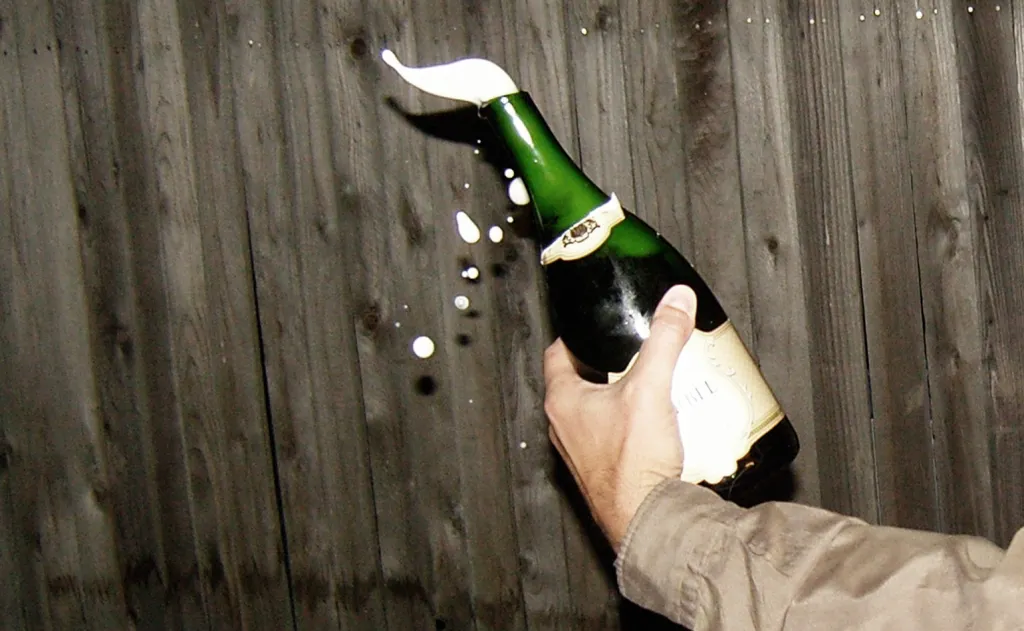
Before the 17th century, sparkling wine was generally considered a flaw. Early wine producers tried to avoid carbonation because bottles would sometimes explode under pressure, a hazard that was taken seriously in a time when glass was brittle and inconsistent.

Yet, the natural behavior of yeast and sugar under cold conditions was difficult to control. During the winter, fermentation would stop as temperatures dipped below the tolerance of the yeast. When spring arrived and temperatures warmed, the yeast would reactivate, consuming remaining sugars and producing carbon dioxide gas in the bottle. This is essentially the sparkling effect: gas trapped under pressure in a sealed vessel.

This process happened “by accident,” and early vintners were caught between delight and disaster. Some bottles would explode; others would produce a gentle fizz that surprised drinkers. Over time, winemakers in Champagne began to notice a pattern: wines that survived the winter and were bottled carefully could produce delightful bubbles, giving birth to what we now recognize as Champagne.


Dom Pérignon and the Quest for Perfection

The story of Champagne is often linked to the Benedictine monk Dom Pérignon, who arrived at the Abbey of Hautvillers in the late 17th century. While popular culture paints him as the “inventor of Champagne,” the reality is subtler and more fascinating. Dom Pérignon did not invent the sparkle; he refined the process.

He focused on several key innovations:

The Science Behind the Bubbles

  1. Blending: Dom Pérignon perfected blending grapes from different vineyards to achieve balanced flavor profiles, which indirectly affected the way carbonation was perceived.
  2. Bottle Quality: He improved the strength of bottles to withstand the pressure of natural fermentation.
  3. Corking: The introduction of corks over wooden stoppers or bladders helped contain the gas more reliably.

In a sense, Dom Pérignon took what nature and cold weather had accidentally started and turned it into a reproducible art form. He transformed a winemaking “problem” into a hallmark of luxury and celebration.

Why Winter Wine Touring is the Best

Understanding Champagne’s sparkle requires a look at the science. When yeast consumes sugar, it produces ethanol (alcohol) and carbon dioxide (CO₂). In still wine, the CO₂ escapes into the air, but when wine is sealed in a bottle, the gas cannot escape. This creates pressure, which is measured in atmospheres. Modern Champagne bottles often contain around six atmospheres of pressure, roughly three times that of a car tire.

The bubbles themselves are fascinating. Carbon dioxide is slightly soluble in liquid, meaning it prefers to stay dissolved under pressure. When you open a bottle, the pressure drops, and the gas escapes in tiny bubbles. These bubbles are more than just a visual delight—they carry aromatic compounds to the surface, enhancing the sensory experience of Champagne.

Interestingly, cold weather played a crucial role here. By halting fermentation in the winter, nature ensured a reservoir of residual sugar that, when yeast reactivated, produced just the right amount of gas. Without the chill, early Champagne might never have fizzed.


Accidental Sparkle and the Role of Winter

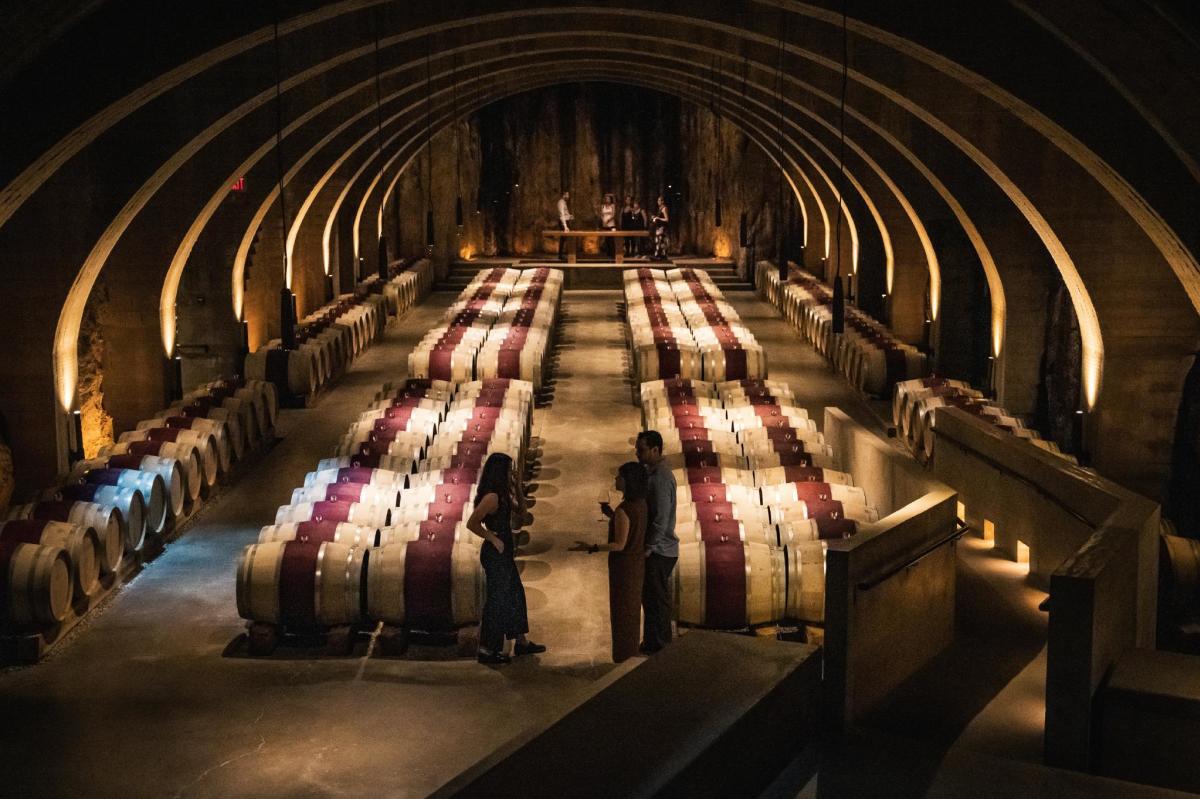
The winters in Champagne were harsh. Temperatures often dipped below freezing, particularly in the cellars and storage areas of early winemakers. This cold not only slowed yeast activity but also created a kind of “time delay” in fermentation. Early bottles that survived this process contained sugar and dormant yeast, setting the stage for what is now called secondary fermentation.

Secondary fermentation is the heart of Champagne production today. Modern Champagne makers replicate this accidental effect in a controlled environment, but it all started with an unpredictable climate. In other words, without the severe winters, sparkling Champagne as we know it might not exist.

The accident of the cold also explains why English and Dutch wine enthusiasts initially received Champagne with mixed feelings. Some bottles were flat, some violently effervescent, and a few contained delightful, gentle bubbles that hinted at something special.


Champagne’s Cultural Explosion

By the 18th century, Champagne had begun its ascent as a symbol of prestige. French royalty, and later European courts, embraced sparkling Champagne at celebrations. Its effervescence became a metaphor for joy, elegance, and luxury.

Interestingly, the association with cold weather persisted indirectly. Winter harvests and cellar storage became embedded in tradition. Even today, many Champagne houses emphasize the importance of chilling bottles before bottling, a nod to the cold origins of the sparkle.

The accidental discovery of bubbles also influenced literature, art, and etiquette. Toasting with Champagne became a sign of sophistication, while the “pop” of a cork introduced a performative element to celebrations. In short, the cold winters not only gave birth to sparkling wine—they shaped its cultural identity.


From Accidental Bubbles to Scientific Precision

While early Champagne was a mix of luck and skill, modern winemaking is highly precise. Today, the process known as méthode champenoise or traditional method follows several careful steps:
How to Heat a Wine Cellar? A Cold Climate Cellar Guide | Heating a Wine  Room in Winter | Wine Guardian®
  1. Primary Fermentation: Still wine is produced from carefully selected grapes.
  2. Blending (Assemblage): Different base wines are combined for flavor consistency.
  3. Secondary Fermentation: Sugar and yeast are added before bottling, recreating the accidental sparkle in a controlled way.
  4. Aging on Lees: Wine is stored on yeast sediment, adding complexity and texture.
  5. Riddling (Remuage): Bottles are gradually tilted to collect sediment near the neck.
  6. Disgorgement: Sediment is removed, leaving clear, sparkling wine.
  7. Dosage: A final touch of sugar is added to achieve desired sweetness.

This process replicates the natural phenomenon first observed in the winter months of Champagne centuries ago, demonstrating how human ingenuity took advantage of a happy accident.


Lessons from a Happy Mistake

The story of Champagne’s sparkle illustrates several broader lessons about innovation and creativity:

  • Nature as Teacher: The environment, including unpredictable cold, often drives discovery. Winemakers didn’t invent bubbles—they noticed them and adapted.
  • Failure Can Be Fruitful: Exploding bottles were dangerous, but they forced experimentation, leading to better techniques and stronger glass.
  • Incremental Refinement: Dom Pérignon and others didn’t create Champagne in a single stroke; they built on accidental observations over decades.

In a way, Champagne embodies the idea that great discoveries often come from unexpected conditions. Without the cold winters of northern France, we might still be drinking flat, unremarkable wines, missing the effervescent delight that defines celebrations around the world.


Global Sparkle: Champagne’s Influence

The success of Champagne inspired the creation of sparkling wines worldwide. Prosecco from Italy, Cava from Spain, and sparkling wines from California all borrow elements of the accidental innovation first observed in Champagne.

Even in marketing, the story of “discovery through accident” remains compelling. Champagne is often associated with moments of surprise, joy, and luxury—an ethos that mirrors the very way it was first created.

Moreover, modern winemakers continue to pay homage to the cold-weather origin by emphasizing seasonal timing, cellar temperature, and precise yeast management. The blend of natural forces and human craftsmanship remains central to sparkling wine production.


The Bubble Effect: Sensory Science

Champagne’s appeal goes beyond history and culture; it is a sensory marvel. The bubbles interact with taste buds and olfactory senses in fascinating ways:

  • Texture: The effervescence creates a tingling sensation, enhancing mouthfeel.
  • Aroma: Rising CO₂ carries aromatic molecules upward, intensifying perception of fruity and floral notes.
  • Visual Delight: Tiny, rising bubbles add aesthetic pleasure, signaling freshness and quality.

All of this traces back to the accidental secondary fermentation triggered by cold weather—a perfect example of how a natural phenomenon can evolve into a complex, enjoyable experience.


Conclusion: The Cold Legacy

Champagne’s sparkle was likely an accident, born from the cold winters of northern France. Early winemakers may have considered fizz a flaw, but through careful observation, experimentation, and innovation, a seemingly inconvenient natural phenomenon became one of the most celebrated beverages in the world.

From accidental bubbles to a global symbol of celebration, Champagne teaches us that sometimes, nature’s quirks are the most inspiring catalysts for human creativity. Next time you hear the cork pop or watch bubbles rise in a flute, remember: it all may have started because of a cold winter and a little yeast that refused to quit.

In the end, Champagne is not just a drink; it is a sparkling testament to serendipity, science, and the enduring charm of discovery.


Tags: champagnefermentationHistorysparkling wine
ShareTweetShare

Related Posts

Can Beer Be an Effective Ingredient in Culinary Cooking?
ALL

Can Beer Be an Effective Ingredient in Culinary Cooking?

January 22, 2026
Second Fermentation in Champagne: Is It Really That Crucial?
ALL

Second Fermentation in Champagne: Is It Really That Crucial?

January 22, 2026
How Do Different Grains Impact the Flavor Profile of Distilled Spirits?
ALL

How Do Different Grains Impact the Flavor Profile of Distilled Spirits?

January 22, 2026
How Do Whiskey Master Blenders Create Perfection?
ALL

How Do Whiskey Master Blenders Create Perfection?

January 22, 2026
Wine Pairings: Can They Change the Flavor Profile of a Dish?
ALL

Wine Pairings: Can They Change the Flavor Profile of a Dish?

January 22, 2026
Beer the Ultimate Beverage for Pairing with Spicy Food?
ALL

Beer the Ultimate Beverage for Pairing with Spicy Food?

January 21, 2026
Leave Comment
  • Trending
  • Comments
  • Latest
What Hidden Craftsmanship Lies Behind a Bottle of Quality Grain Spirits?

What Hidden Craftsmanship Lies Behind a Bottle of Quality Grain Spirits?

July 3, 2025
How Is Champagne Made? The Secrets Behind the Sparkle

How Is Champagne Made? The Secrets Behind the Sparkle

April 15, 2025
Grain Spirits vs. Traditional Distilled Spirits: Which One Suits Your Taste?

Grain Spirits vs. Traditional Distilled Spirits: Which One Suits Your Taste?

July 3, 2025
Champagne Bubbles: How Do They Perfectly Convey Celebration, Joy, and Luxury?

Champagne Bubbles: How Do They Perfectly Convey Celebration, Joy, and Luxury?

July 2, 2025
The Timeless Elegance of Wine: A Journey Through History and Culture

The Timeless Elegance of Wine: A Journey Through History and Culture

Why Is Château Lafite Rothschild the Pinnacle of Fine Wine?

Why Is Château Lafite Rothschild the Pinnacle of Fine Wine?

How Did Château Lafite Rothschild Become a Global Icon of Luxury?

How Did Château Lafite Rothschild Become a Global Icon of Luxury?

What Makes Chateau Lafite Rothschild the Pinnacle of Bordeaux Wines?

What Makes Chateau Lafite Rothschild the Pinnacle of Bordeaux Wines?

Can Beer Be an Effective Ingredient in Culinary Cooking?

Can Beer Be an Effective Ingredient in Culinary Cooking?

January 22, 2026
Second Fermentation in Champagne: Is It Really That Crucial?

Second Fermentation in Champagne: Is It Really That Crucial?

January 22, 2026
How Do Different Grains Impact the Flavor Profile of Distilled Spirits?

How Do Different Grains Impact the Flavor Profile of Distilled Spirits?

January 22, 2026
How Do Whiskey Master Blenders Create Perfection?

How Do Whiskey Master Blenders Create Perfection?

January 22, 2026
SipsavorLife

Welcome to our comprehensive beverage guide, where you can explore the fascinating world of alcoholic drinks. From exquisite wines and rich whiskeys to refreshing beers and sparkling champagnes, we provide insights, tips, and recommendations for enthusiasts and casual drinkers alike. Discover your next favorite libation with us!

© 2025 sipsavorlife.com. contacts:sipsavorlife-35376@gmail.com

No Result
View All Result
  • Home
  • Wine
  • Whiskey
  • Beer
  • Grain Spirits
  • Champagne
  • ALL

© 2025 sipsavorlife.com. contacts:sipsavorlife-35376@gmail.com

Welcome Back!

Login to your account below

Forgotten Password?

Retrieve your password

Please enter your username or email address to reset your password.

Log In





