SipsavorLife
  • Home
  • Wine
    Wine Pairings: Can They Change the Flavor Profile of a Dish?

    Wine Pairings: Can They Change the Flavor Profile of a Dish?

    How Do Wine Glasses Influence the Tasting Experience?

    How Do Wine Glasses Influence the Tasting Experience?

    Is Organic Wine Healthier Than Conventional Wine?

    Is Organic Wine Healthier Than Conventional Wine?

    Why Do Some Wines Taste Better from Specific Vintages?

    Why Do Some Wines Taste Better from Specific Vintages?

    Wine Tasting: Can It Truly Be an Art Form?

    Wine Tasting: Can It Truly Be an Art Form?

    What Does Terroir Actually Mean for Your Wine?

    What Does Terroir Actually Mean for Your Wine?

  • Whiskey
    Can Beer Be an Effective Ingredient in Culinary Cooking?

    Can Beer Be an Effective Ingredient in Culinary Cooking?

    Second Fermentation in Champagne: Is It Really That Crucial?

    Second Fermentation in Champagne: Is It Really That Crucial?

    How Do Different Grains Impact the Flavor Profile of Distilled Spirits?

    How Do Different Grains Impact the Flavor Profile of Distilled Spirits?

    How Do Whiskey Master Blenders Create Perfection?

    How Do Whiskey Master Blenders Create Perfection?

    Wine Pairings: Can They Change the Flavor Profile of a Dish?

    Wine Pairings: Can They Change the Flavor Profile of a Dish?

    Beer the Ultimate Beverage for Pairing with Spicy Food?

    Beer the Ultimate Beverage for Pairing with Spicy Food?

  • Beer
    Can Beer Be an Effective Ingredient in Culinary Cooking?

    Can Beer Be an Effective Ingredient in Culinary Cooking?

    Beer the Ultimate Beverage for Pairing with Spicy Food?

    Beer the Ultimate Beverage for Pairing with Spicy Food?

    How Did Ancient Civilizations Brew Beer Without Modern Technology?

    How Did Ancient Civilizations Brew Beer Without Modern Technology?

    Is It Possible to Brew a Beer with No Alcohol and No Compromise on Taste?

    Is It Possible to Brew a Beer with No Alcohol and No Compromise on Taste?

    Why Does Beer Taste Different at High Altitudes?

    Why Does Beer Taste Different at High Altitudes?

    Is Hops the Secret Ingredient Behind Beer’s Bold Flavor?

    Is Hops the Secret Ingredient Behind Beer’s Bold Flavor?

  • Grain Spirits
    How Do Different Grains Impact the Flavor Profile of Distilled Spirits?

    How Do Different Grains Impact the Flavor Profile of Distilled Spirits?

    Grain Spirits the Unsung Heroes of Modern Mixology

    Grain Spirits the Unsung Heroes of Modern Mixology

    What Makes Grain-Based Whiskey So Different from Its Peated Cousins?

    What Makes Grain-Based Whiskey So Different from Its Peated Cousins?

    Grain Spirits: Could They Be the Next Big Trend in Craft Cocktails?

    Grain Spirits: Could They Be the Next Big Trend in Craft Cocktails?

    Why Are Grain Spirits Often Overlooked in the World of Fine Liquor?

    Why Are Grain Spirits Often Overlooked in the World of Fine Liquor?

    Is There a Secret Art to Distilling Grain Spirits?

    Is There a Secret Art to Distilling Grain Spirits?

  • Champagne
    Second Fermentation in Champagne: Is It Really That Crucial?

    Second Fermentation in Champagne: Is It Really That Crucial?

    The Science Behind the ‘Bubble Size’ in Champagne

    The Science Behind the ‘Bubble Size’ in Champagne

    Why Do Some Champagnes Use a High Proportion of Pinot Meunier?

    Why Do Some Champagnes Use a High Proportion of Pinot Meunier?

    Role of Terroir in Champagne Production

    Role of Terroir in Champagne Production

    Champagne Can Be Aged in Wood?

    Champagne Can Be Aged in Wood?

    Is There a Difference Between Blanc de Blancs and Blanc de Noirs Champagne?

    Is There a Difference Between Blanc de Blancs and Blanc de Noirs Champagne?

  • ALL
    Can Beer Be an Effective Ingredient in Culinary Cooking?

    Can Beer Be an Effective Ingredient in Culinary Cooking?

    Second Fermentation in Champagne: Is It Really That Crucial?

    Second Fermentation in Champagne: Is It Really That Crucial?

    How Do Different Grains Impact the Flavor Profile of Distilled Spirits?

    How Do Different Grains Impact the Flavor Profile of Distilled Spirits?

    How Do Whiskey Master Blenders Create Perfection?

    How Do Whiskey Master Blenders Create Perfection?

    Wine Pairings: Can They Change the Flavor Profile of a Dish?

    Wine Pairings: Can They Change the Flavor Profile of a Dish?

    Beer the Ultimate Beverage for Pairing with Spicy Food?

    Beer the Ultimate Beverage for Pairing with Spicy Food?

SipsavorLife
  • Home
  • Wine
    Wine Pairings: Can They Change the Flavor Profile of a Dish?

    Wine Pairings: Can They Change the Flavor Profile of a Dish?

    How Do Wine Glasses Influence the Tasting Experience?

    How Do Wine Glasses Influence the Tasting Experience?

    Is Organic Wine Healthier Than Conventional Wine?

    Is Organic Wine Healthier Than Conventional Wine?

    Why Do Some Wines Taste Better from Specific Vintages?

    Why Do Some Wines Taste Better from Specific Vintages?

    Wine Tasting: Can It Truly Be an Art Form?

    Wine Tasting: Can It Truly Be an Art Form?

    What Does Terroir Actually Mean for Your Wine?

    What Does Terroir Actually Mean for Your Wine?

  • Whiskey
    Can Beer Be an Effective Ingredient in Culinary Cooking?

    Can Beer Be an Effective Ingredient in Culinary Cooking?

    Second Fermentation in Champagne: Is It Really That Crucial?

    Second Fermentation in Champagne: Is It Really That Crucial?

    How Do Different Grains Impact the Flavor Profile of Distilled Spirits?

    How Do Different Grains Impact the Flavor Profile of Distilled Spirits?

    How Do Whiskey Master Blenders Create Perfection?

    How Do Whiskey Master Blenders Create Perfection?

    Wine Pairings: Can They Change the Flavor Profile of a Dish?

    Wine Pairings: Can They Change the Flavor Profile of a Dish?

    Beer the Ultimate Beverage for Pairing with Spicy Food?

    Beer the Ultimate Beverage for Pairing with Spicy Food?

  • Beer
    Can Beer Be an Effective Ingredient in Culinary Cooking?

    Can Beer Be an Effective Ingredient in Culinary Cooking?

    Beer the Ultimate Beverage for Pairing with Spicy Food?

    Beer the Ultimate Beverage for Pairing with Spicy Food?

    How Did Ancient Civilizations Brew Beer Without Modern Technology?

    How Did Ancient Civilizations Brew Beer Without Modern Technology?

    Is It Possible to Brew a Beer with No Alcohol and No Compromise on Taste?

    Is It Possible to Brew a Beer with No Alcohol and No Compromise on Taste?

    Why Does Beer Taste Different at High Altitudes?

    Why Does Beer Taste Different at High Altitudes?

    Is Hops the Secret Ingredient Behind Beer’s Bold Flavor?

    Is Hops the Secret Ingredient Behind Beer’s Bold Flavor?

  • Grain Spirits
    How Do Different Grains Impact the Flavor Profile of Distilled Spirits?

    How Do Different Grains Impact the Flavor Profile of Distilled Spirits?

    Grain Spirits the Unsung Heroes of Modern Mixology

    Grain Spirits the Unsung Heroes of Modern Mixology

    What Makes Grain-Based Whiskey So Different from Its Peated Cousins?

    What Makes Grain-Based Whiskey So Different from Its Peated Cousins?

    Grain Spirits: Could They Be the Next Big Trend in Craft Cocktails?

    Grain Spirits: Could They Be the Next Big Trend in Craft Cocktails?

    Why Are Grain Spirits Often Overlooked in the World of Fine Liquor?

    Why Are Grain Spirits Often Overlooked in the World of Fine Liquor?

    Is There a Secret Art to Distilling Grain Spirits?

    Is There a Secret Art to Distilling Grain Spirits?

  • Champagne
    Second Fermentation in Champagne: Is It Really That Crucial?

    Second Fermentation in Champagne: Is It Really That Crucial?

    The Science Behind the ‘Bubble Size’ in Champagne

    The Science Behind the ‘Bubble Size’ in Champagne

    Why Do Some Champagnes Use a High Proportion of Pinot Meunier?

    Why Do Some Champagnes Use a High Proportion of Pinot Meunier?

    Role of Terroir in Champagne Production

    Role of Terroir in Champagne Production

    Champagne Can Be Aged in Wood?

    Champagne Can Be Aged in Wood?

    Is There a Difference Between Blanc de Blancs and Blanc de Noirs Champagne?

    Is There a Difference Between Blanc de Blancs and Blanc de Noirs Champagne?

  • ALL
    Can Beer Be an Effective Ingredient in Culinary Cooking?

    Can Beer Be an Effective Ingredient in Culinary Cooking?

    Second Fermentation in Champagne: Is It Really That Crucial?

    Second Fermentation in Champagne: Is It Really That Crucial?

    How Do Different Grains Impact the Flavor Profile of Distilled Spirits?

    How Do Different Grains Impact the Flavor Profile of Distilled Spirits?

    How Do Whiskey Master Blenders Create Perfection?

    How Do Whiskey Master Blenders Create Perfection?

    Wine Pairings: Can They Change the Flavor Profile of a Dish?

    Wine Pairings: Can They Change the Flavor Profile of a Dish?

    Beer the Ultimate Beverage for Pairing with Spicy Food?

    Beer the Ultimate Beverage for Pairing with Spicy Food?

SipsavorLife
No Result
View All Result
Home ALL

Peat Smoke: a Cultural Choice or a Chemical Accident?

January 6, 2026
in ALL, Whiskey
Peat Smoke: a Cultural Choice or a Chemical Accident?

Few aromas evoke as much debate and passion among whisky enthusiasts as peat smoke. Is it an artistic gesture, a nod to centuries of tradition, or a mere byproduct of chemistry, lurking unnoticed until it seeps into malted barley? The story of peat smoke in spirits is a tale that straddles the worlds of culture and chemistry, history and innovation, taste and terroir. To answer the question posed by the title—whether peat smoke is a cultural choice or a chemical accident—we must explore its origins, production methods, chemical composition, historical trajectory, and its role in modern drinking culture.


The Origins of Peat: More Than Just Dirt

Peat, for those unfamiliar, is a dense accumulation of partially decayed vegetation found in bogs and wetlands. While it may seem mundane at first glance, peat has a complex story embedded within its layers. In regions like Scotland, Ireland, and parts of Scandinavia, peat has historically served as a critical fuel source. Its slow-burning properties, high carbon content, and ready availability in otherwise harsh landscapes made it a staple for heating, cooking, and, crucially, malting barley.

The decision to use peat in whisky production was initially pragmatic. Early distillers needed a reliable, local fuel source, and peat was abundant. Yet this practical choice inadvertently shaped flavor profiles that are now revered worldwide. Here, culture and chemistry collide: a regional necessity became a defining sensory marker, anchoring Scotch whisky in both place and tradition.


Peat and the Malt: A Chemical Love Affair

The smoky flavor characteristic of peated whisky originates from complex chemical reactions during the drying of malted barley. When peat burns, it releases phenolic compounds such as guaiacol, cresols, and other volatile aromatics. These molecules are absorbed by the damp barley, and they survive the fermentation and distillation process.

Interestingly, the intensity of peat smoke is highly controllable. Distillers adjust peat composition, burn time, and airflow to manipulate phenolic content. This is where the question of accident versus choice becomes nuanced. On one hand, the chemical reactions themselves are unavoidable: burning organic matter produces phenols. On the other, the mastery over which phenols dominate, how they mingle with malt sugars, and how they integrate with fermentation is an intensely deliberate art.

In essence, peat smoke is a chemical accident only in the strictest sense—it exists because of the nature of peat combustion. Yet its expression in whisky is decidedly a human choice, curated over generations to balance smoke, sweetness, and complexity.


Smoke Signals of Culture: The Historical Dimension

Peat has always been more than a fuel; it has been a cultural signifier. In Scotland, for instance, peat-cutting and malting are communal activities steeped in ritual. Historically, the aromatic smoke from drying barley permeated villages, signaling the rhythms of agricultural life. Whisky, in turn, was an extension of this cultural landscape, a liquid representation of the local environment.

The regionality of peat is crucial. Not all peat is created equal. Moss-rich lowland bogs yield softer, sweeter smoke; heather-infused highland peat produces a sharper, medicinal aroma. Thus, “peatiness” is not only a chemical fingerprint but also a geographical signature—a liquid map of place and heritage. This intertwining of ecology, human labor, and taste frames peat smoke as a cultural choice, deliberate and context-rich.


Modern Techniques: Science Meets Tradition

Whisky Barrel Investment: A Guide to Maturing Returns

Advancements in distillation and analytical chemistry have transformed the way distillers approach peat. Gas chromatography-mass spectrometry (GC-MS) allows precise identification and quantification of phenols, making it possible to replicate traditional profiles with scientific precision.

Some innovative distilleries even experiment with different combustion conditions, wood admixtures, and peat-aging techniques to create nuanced flavor profiles that were unimaginable to early producers. These innovations reveal a tension: the cultural gravitas of peat smoke versus the technical possibilities of controlling it. When a distiller adjusts burn temperature to achieve a precise guaiacol level, are they honoring tradition or merely exercising chemical engineering? The answer is likely both.


Peat in the Glass: Sensory Perception and Psychological Influence

Peat’s impact is not merely chemical; it is profoundly psychological. The human brain responds to phenolic aromas in ways that trigger nostalgia, cultural identity, and even social bonding. A dram of heavily peated whisky can evoke visions of misty highlands, peat-cutting communities, and centuries-old traditions, even if the drinker is halfway across the globe.

Studies of sensory perception show that the recognition of peatiness is influenced by experience and cultural context. A first-time taster may find peated whisky acrid or medicinal, while a seasoned enthusiast perceives layers of smoke, leather, and seaside brine. This interplay between chemistry and cognition underscores the dual nature of peat smoke—it is both an unavoidable chemical byproduct and a deliberate cultural artifact.


Controversies and Misconceptions

Not all whisky drinkers embrace peat. Some consider heavy smoke an acquired taste, while others view it as an artificial manipulation. Critics argue that the phenolic compounds can mask subtle malt characteristics, reducing balance and drinkability. Others point to industrial peat extraction and environmental impact, questioning the sustainability of maintaining traditional peat-rich flavors in a modern world.

Yet the controversy itself reinforces peat’s cultural dimension. Choices around peat—how much to use, which bog to harvest from, whether to replicate or innovate—are embedded in ethical, aesthetic, and environmental considerations. Even debates about smoke intensity reveal that the phenomenon is not purely chemical; it is socially negotiated and culturally coded.
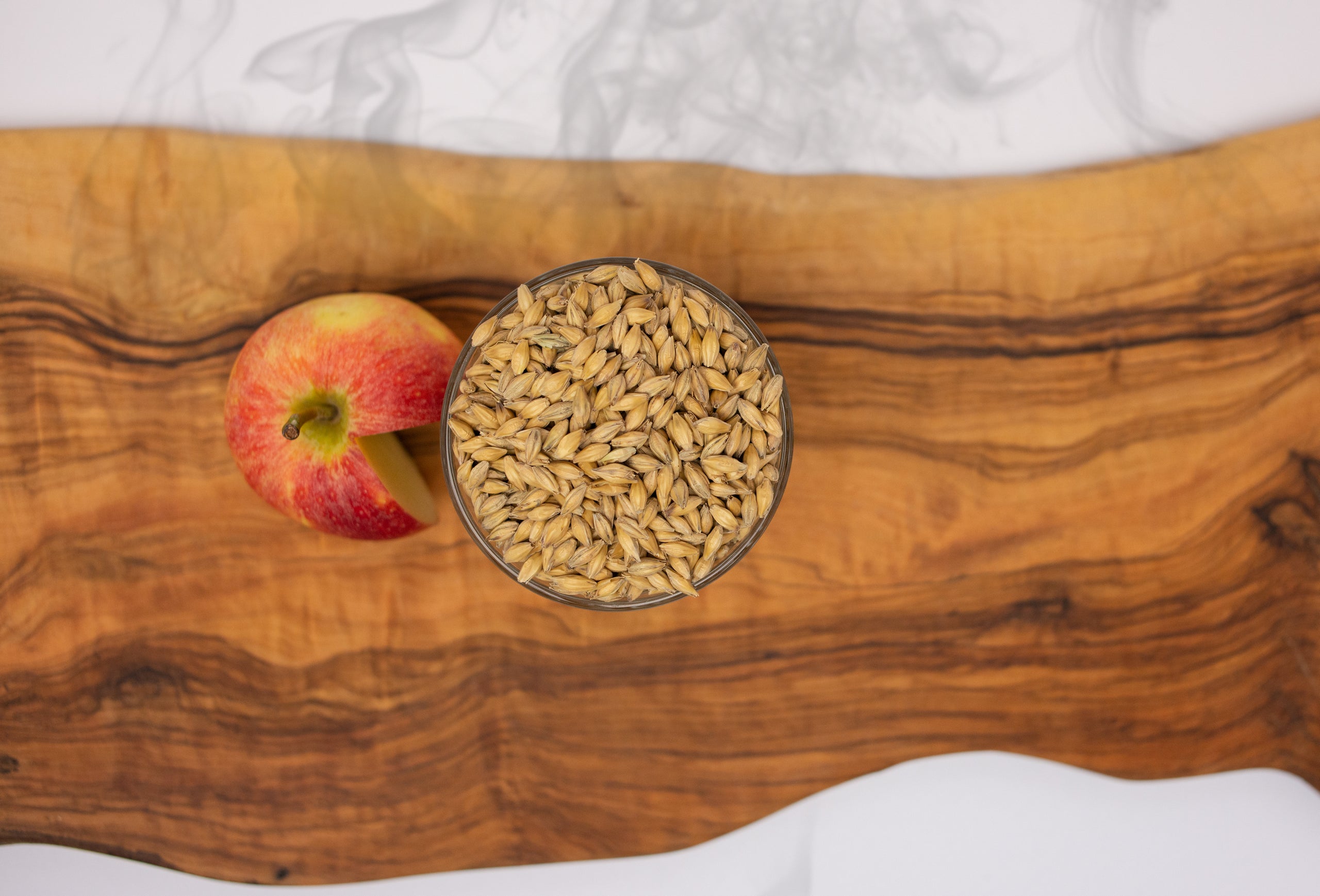

Apple Smoked Malt

The Economics of Peat: Value and Prestige

Peat smoke has also become a marker of market positioning. In the global whisky market, heavily peated expressions often command higher prices due to their perceived rarity and craftsmanship. Distilleries leverage peatiness to differentiate brands and appeal to niche enthusiasts.

This economic dimension reinforces the cultural narrative. Peat smoke is not just a flavor; it is a story, a symbol of place, history, and technical mastery. It embodies the intersection of human ingenuity, ecological circumstance, and commercial strategy. In this sense, the choice to embrace peat smoke is deliberate, informed, and culturally potent—far from a mere chemical accident.


Comparing Peat Smoke Across Regions

While Scotland is synonymous with peated whisky, other regions provide instructive contrasts.

  • Ireland: Traditionally less peated, Irish whiskey often favors sweet, floral malt flavors, with peat appearing only in select regional expressions.
  • Japan: Japanese whisky makers integrate peat in controlled doses, producing subtle smoky layers that complement meticulous craftsmanship.
  • Canada: Rarely peated, focusing instead on rye-driven spice and clean fermentation.

These variations illustrate that peat smoke is not inevitable. Its prominence in a region’s whisky repertoire is a cultural choice informed by history, ecology, and taste preferences. Chemistry provides the tools, but culture determines the palette.


Peat Beyond Whisky

Peat smoke is not confined to whisky. Culinary applications, such as smoked cheeses, salts, and meats, leverage similar phenolic chemistry. The flavor profile—rich, smoky, earthy—transcends beverage production and speaks to a broader human fascination with smoke as both preservative and aromatic enhancer.

Even in perfumery, peat-inspired notes appear as olfactory echoes of natural landscapes. These uses highlight that peat’s cultural significance extends beyond chemistry, shaping sensory experiences across domains.


Sustainability: Can Tradition Survive?

A modern challenge is sustainability. Peatlands are carbon sinks, vital for climate regulation, yet commercial peat cutting threatens these ecosystems. Distilleries are increasingly exploring alternatives: controlled burning of renewable biomass, peat substitutes, and selective harvesting to balance tradition with environmental responsibility.

This tension again reflects the duality of peat smoke: a chemical inevitability intertwined with human choice. Society must decide whether cultural heritage justifies environmental cost, or whether innovation can preserve the essence of peat smoke without depleting resources.


Conclusion: Accident or Choice?

So, is peat smoke a cultural choice or a chemical accident? The answer is a nuanced synthesis. Chemically, smoke is an unavoidable consequence of peat combustion. The phenols, guaiacol, and volatile aromatics exist regardless of human intention.

Yet, the way those chemicals interact with malt, fermentation, aging, and human perception is a matter of deliberate choice. Peat smoke has been curated, celebrated, and codified into a global culture of whisky appreciation. It is a sensory emblem of geography, history, and craftsmanship.

In other words, peat smoke starts as a chemical accident but matures into a cultural statement. The magic lies in the human hand: knowing how to coax, balance, and present the smoke, transforming accidental chemistry into intentional artistry.

In every smoky dram lies a story of fire, earth, water, and human ingenuity—a reminder that the line between accident and choice is often narrower, and far more flavorful, than it seems.
Tags: CultureflavorScotch whisky
ShareTweetShare

Related Posts

Can Beer Be an Effective Ingredient in Culinary Cooking?
ALL

Can Beer Be an Effective Ingredient in Culinary Cooking?

January 22, 2026
Second Fermentation in Champagne: Is It Really That Crucial?
ALL

Second Fermentation in Champagne: Is It Really That Crucial?

January 22, 2026
How Do Different Grains Impact the Flavor Profile of Distilled Spirits?
ALL

How Do Different Grains Impact the Flavor Profile of Distilled Spirits?

January 22, 2026
How Do Whiskey Master Blenders Create Perfection?
ALL

How Do Whiskey Master Blenders Create Perfection?

January 22, 2026
Wine Pairings: Can They Change the Flavor Profile of a Dish?
ALL

Wine Pairings: Can They Change the Flavor Profile of a Dish?

January 22, 2026
Beer the Ultimate Beverage for Pairing with Spicy Food?
ALL

Beer the Ultimate Beverage for Pairing with Spicy Food?

January 21, 2026
Leave Comment
  • Trending
  • Comments
  • Latest
What Hidden Craftsmanship Lies Behind a Bottle of Quality Grain Spirits?

What Hidden Craftsmanship Lies Behind a Bottle of Quality Grain Spirits?

July 3, 2025
How Is Champagne Made? The Secrets Behind the Sparkle

How Is Champagne Made? The Secrets Behind the Sparkle

April 15, 2025
Grain Spirits vs. Traditional Distilled Spirits: Which One Suits Your Taste?

Grain Spirits vs. Traditional Distilled Spirits: Which One Suits Your Taste?

July 3, 2025
Champagne Bubbles: How Do They Perfectly Convey Celebration, Joy, and Luxury?

Champagne Bubbles: How Do They Perfectly Convey Celebration, Joy, and Luxury?

July 2, 2025
The Timeless Elegance of Wine: A Journey Through History and Culture

The Timeless Elegance of Wine: A Journey Through History and Culture

Why Is Château Lafite Rothschild the Pinnacle of Fine Wine?

Why Is Château Lafite Rothschild the Pinnacle of Fine Wine?

How Did Château Lafite Rothschild Become a Global Icon of Luxury?

How Did Château Lafite Rothschild Become a Global Icon of Luxury?

What Makes Chateau Lafite Rothschild the Pinnacle of Bordeaux Wines?

What Makes Chateau Lafite Rothschild the Pinnacle of Bordeaux Wines?

Can Beer Be an Effective Ingredient in Culinary Cooking?

Can Beer Be an Effective Ingredient in Culinary Cooking?

January 22, 2026
Second Fermentation in Champagne: Is It Really That Crucial?

Second Fermentation in Champagne: Is It Really That Crucial?

January 22, 2026
How Do Different Grains Impact the Flavor Profile of Distilled Spirits?

How Do Different Grains Impact the Flavor Profile of Distilled Spirits?

January 22, 2026
How Do Whiskey Master Blenders Create Perfection?

How Do Whiskey Master Blenders Create Perfection?

January 22, 2026
SipsavorLife

Welcome to our comprehensive beverage guide, where you can explore the fascinating world of alcoholic drinks. From exquisite wines and rich whiskeys to refreshing beers and sparkling champagnes, we provide insights, tips, and recommendations for enthusiasts and casual drinkers alike. Discover your next favorite libation with us!

© 2025 sipsavorlife.com. contacts:sipsavorlife-35376@gmail.com

No Result
View All Result
  • Home
  • Wine
  • Whiskey
  • Beer
  • Grain Spirits
  • Champagne
  • ALL

© 2025 sipsavorlife.com. contacts:sipsavorlife-35376@gmail.com

Welcome Back!

Login to your account below

Forgotten Password?

Retrieve your password

Please enter your username or email address to reset your password.

Log In