






























SipsavorLife
  • Home
  • Wine
    Wine Pairings: Can They Change the Flavor Profile of a Dish?

    Wine Pairings: Can They Change the Flavor Profile of a Dish?

    How Do Wine Glasses Influence the Tasting Experience?

    How Do Wine Glasses Influence the Tasting Experience?

    Is Organic Wine Healthier Than Conventional Wine?

    Is Organic Wine Healthier Than Conventional Wine?

    Why Do Some Wines Taste Better from Specific Vintages?

    Why Do Some Wines Taste Better from Specific Vintages?

    Wine Tasting: Can It Truly Be an Art Form?

    Wine Tasting: Can It Truly Be an Art Form?

    What Does Terroir Actually Mean for Your Wine?

    What Does Terroir Actually Mean for Your Wine?

  • Whiskey
    Can Beer Be an Effective Ingredient in Culinary Cooking?

    Can Beer Be an Effective Ingredient in Culinary Cooking?

    Second Fermentation in Champagne: Is It Really That Crucial?

    Second Fermentation in Champagne: Is It Really That Crucial?

    How Do Different Grains Impact the Flavor Profile of Distilled Spirits?

    How Do Different Grains Impact the Flavor Profile of Distilled Spirits?

    How Do Whiskey Master Blenders Create Perfection?

    How Do Whiskey Master Blenders Create Perfection?

    Wine Pairings: Can They Change the Flavor Profile of a Dish?

    Wine Pairings: Can They Change the Flavor Profile of a Dish?

    Beer the Ultimate Beverage for Pairing with Spicy Food?

    Beer the Ultimate Beverage for Pairing with Spicy Food?

  • Beer
    Can Beer Be an Effective Ingredient in Culinary Cooking?

    Can Beer Be an Effective Ingredient in Culinary Cooking?

    Beer the Ultimate Beverage for Pairing with Spicy Food?

    Beer the Ultimate Beverage for Pairing with Spicy Food?

    How Did Ancient Civilizations Brew Beer Without Modern Technology?

    How Did Ancient Civilizations Brew Beer Without Modern Technology?

    Is It Possible to Brew a Beer with No Alcohol and No Compromise on Taste?

    Is It Possible to Brew a Beer with No Alcohol and No Compromise on Taste?

    Why Does Beer Taste Different at High Altitudes?

    Why Does Beer Taste Different at High Altitudes?

    Is Hops the Secret Ingredient Behind Beer’s Bold Flavor?

    Is Hops the Secret Ingredient Behind Beer’s Bold Flavor?

  • Grain Spirits
    How Do Different Grains Impact the Flavor Profile of Distilled Spirits?

    How Do Different Grains Impact the Flavor Profile of Distilled Spirits?

    Grain Spirits the Unsung Heroes of Modern Mixology

    Grain Spirits the Unsung Heroes of Modern Mixology

    What Makes Grain-Based Whiskey So Different from Its Peated Cousins?

    What Makes Grain-Based Whiskey So Different from Its Peated Cousins?

    Grain Spirits: Could They Be the Next Big Trend in Craft Cocktails?

    Grain Spirits: Could They Be the Next Big Trend in Craft Cocktails?

    Why Are Grain Spirits Often Overlooked in the World of Fine Liquor?

    Why Are Grain Spirits Often Overlooked in the World of Fine Liquor?

    Is There a Secret Art to Distilling Grain Spirits?

    Is There a Secret Art to Distilling Grain Spirits?

  • Champagne
    Second Fermentation in Champagne: Is It Really That Crucial?

    Second Fermentation in Champagne: Is It Really That Crucial?

    The Science Behind the ‘Bubble Size’ in Champagne

    The Science Behind the ‘Bubble Size’ in Champagne

    Why Do Some Champagnes Use a High Proportion of Pinot Meunier?

    Why Do Some Champagnes Use a High Proportion of Pinot Meunier?

    Role of Terroir in Champagne Production

    Role of Terroir in Champagne Production

    Champagne Can Be Aged in Wood?

    Champagne Can Be Aged in Wood?

    Is There a Difference Between Blanc de Blancs and Blanc de Noirs Champagne?

    Is There a Difference Between Blanc de Blancs and Blanc de Noirs Champagne?

  • ALL
    Can Beer Be an Effective Ingredient in Culinary Cooking?

    Can Beer Be an Effective Ingredient in Culinary Cooking?

    Second Fermentation in Champagne: Is It Really That Crucial?

    Second Fermentation in Champagne: Is It Really That Crucial?

    How Do Different Grains Impact the Flavor Profile of Distilled Spirits?

    How Do Different Grains Impact the Flavor Profile of Distilled Spirits?

    How Do Whiskey Master Blenders Create Perfection?

    How Do Whiskey Master Blenders Create Perfection?

    Wine Pairings: Can They Change the Flavor Profile of a Dish?

    Wine Pairings: Can They Change the Flavor Profile of a Dish?

    Beer the Ultimate Beverage for Pairing with Spicy Food?

    Beer the Ultimate Beverage for Pairing with Spicy Food?

SipsavorLife
  • Home
  • Wine
    Wine Pairings: Can They Change the Flavor Profile of a Dish?

    Wine Pairings: Can They Change the Flavor Profile of a Dish?

    How Do Wine Glasses Influence the Tasting Experience?

    How Do Wine Glasses Influence the Tasting Experience?

    Is Organic Wine Healthier Than Conventional Wine?

    Is Organic Wine Healthier Than Conventional Wine?

    Why Do Some Wines Taste Better from Specific Vintages?

    Why Do Some Wines Taste Better from Specific Vintages?

    Wine Tasting: Can It Truly Be an Art Form?

    Wine Tasting: Can It Truly Be an Art Form?

    What Does Terroir Actually Mean for Your Wine?

    What Does Terroir Actually Mean for Your Wine?

  • Whiskey
    Can Beer Be an Effective Ingredient in Culinary Cooking?

    Can Beer Be an Effective Ingredient in Culinary Cooking?

    Second Fermentation in Champagne: Is It Really That Crucial?

    Second Fermentation in Champagne: Is It Really That Crucial?

    How Do Different Grains Impact the Flavor Profile of Distilled Spirits?

    How Do Different Grains Impact the Flavor Profile of Distilled Spirits?

    How Do Whiskey Master Blenders Create Perfection?

    How Do Whiskey Master Blenders Create Perfection?

    Wine Pairings: Can They Change the Flavor Profile of a Dish?

    Wine Pairings: Can They Change the Flavor Profile of a Dish?

    Beer the Ultimate Beverage for Pairing with Spicy Food?

    Beer the Ultimate Beverage for Pairing with Spicy Food?

  • Beer
    Can Beer Be an Effective Ingredient in Culinary Cooking?

    Can Beer Be an Effective Ingredient in Culinary Cooking?

    Beer the Ultimate Beverage for Pairing with Spicy Food?

    Beer the Ultimate Beverage for Pairing with Spicy Food?

    How Did Ancient Civilizations Brew Beer Without Modern Technology?

    How Did Ancient Civilizations Brew Beer Without Modern Technology?

    Is It Possible to Brew a Beer with No Alcohol and No Compromise on Taste?

    Is It Possible to Brew a Beer with No Alcohol and No Compromise on Taste?

    Why Does Beer Taste Different at High Altitudes?

    Why Does Beer Taste Different at High Altitudes?

    Is Hops the Secret Ingredient Behind Beer’s Bold Flavor?

    Is Hops the Secret Ingredient Behind Beer’s Bold Flavor?

  • Grain Spirits
    How Do Different Grains Impact the Flavor Profile of Distilled Spirits?

    How Do Different Grains Impact the Flavor Profile of Distilled Spirits?

    Grain Spirits the Unsung Heroes of Modern Mixology

    Grain Spirits the Unsung Heroes of Modern Mixology

    What Makes Grain-Based Whiskey So Different from Its Peated Cousins?

    What Makes Grain-Based Whiskey So Different from Its Peated Cousins?

    Grain Spirits: Could They Be the Next Big Trend in Craft Cocktails?

    Grain Spirits: Could They Be the Next Big Trend in Craft Cocktails?

    Why Are Grain Spirits Often Overlooked in the World of Fine Liquor?

    Why Are Grain Spirits Often Overlooked in the World of Fine Liquor?

    Is There a Secret Art to Distilling Grain Spirits?

    Is There a Secret Art to Distilling Grain Spirits?

  • Champagne
    Second Fermentation in Champagne: Is It Really That Crucial?

    Second Fermentation in Champagne: Is It Really That Crucial?

    The Science Behind the ‘Bubble Size’ in Champagne

    The Science Behind the ‘Bubble Size’ in Champagne

    Why Do Some Champagnes Use a High Proportion of Pinot Meunier?

    Why Do Some Champagnes Use a High Proportion of Pinot Meunier?

    Role of Terroir in Champagne Production

    Role of Terroir in Champagne Production

    Champagne Can Be Aged in Wood?

    Champagne Can Be Aged in Wood?

    Is There a Difference Between Blanc de Blancs and Blanc de Noirs Champagne?

    Is There a Difference Between Blanc de Blancs and Blanc de Noirs Champagne?

  • ALL
    Can Beer Be an Effective Ingredient in Culinary Cooking?

    Can Beer Be an Effective Ingredient in Culinary Cooking?

    Second Fermentation in Champagne: Is It Really That Crucial?

    Second Fermentation in Champagne: Is It Really That Crucial?

    How Do Different Grains Impact the Flavor Profile of Distilled Spirits?

    How Do Different Grains Impact the Flavor Profile of Distilled Spirits?

    How Do Whiskey Master Blenders Create Perfection?

    How Do Whiskey Master Blenders Create Perfection?

    Wine Pairings: Can They Change the Flavor Profile of a Dish?

    Wine Pairings: Can They Change the Flavor Profile of a Dish?

    Beer the Ultimate Beverage for Pairing with Spicy Food?

    Beer the Ultimate Beverage for Pairing with Spicy Food?

SipsavorLife
No Result
View All Result
Home ALL

What Makes Rye Taste “Sharper” Than Other Grains?

January 6, 2026
in ALL, Grain Spirits
What Makes Rye Taste “Sharper” Than Other Grains?

Rye has a reputation in the world of spirits and beers for carrying a flavor that stands out—bold, slightly spicy, and sometimes described as “sharp.” But what exactly gives rye this distinctive character, and why does it taste so different from grains like wheat, barley, or corn? The answer lies at the intersection of chemistry, agriculture, fermentation science, and human perception. To understand why rye tastes the way it does, we need to explore the grain itself, its unique chemical profile, the role of processing, and even the subtleties of how our taste buds interpret its flavor.


The Grain Itself: Rye’s Unique Profile

Rye is a cereal grain closely related to wheat and barley. It thrives in cooler climates and poorer soils, which is why you often find it cultivated in Northern and Eastern Europe. Unlike wheat, which is sweeter and milder, rye carries a kernel that is denser and higher in certain compounds that strongly influence taste.

Two characteristics stand out immediately when analyzing rye:

  1. Pentose-Rich Fiber: Rye contains more pentosans—complex sugars in the cell walls—than other grains. These sugars don’t fully convert to simple sugars during mashing, but they influence the texture of liquids, giving rye beers and rye whiskeys a distinctive mouthfeel that can feel “sharper” or more astringent compared to smoother grains like corn.
  2. Essential Oils and Phenolic Compounds: Rye’s aroma and taste are heavily influenced by phenolic compounds, including ferulic acid. When fermented, these compounds convert to volatile phenols, which carry that signature spiciness, mild clove-like aroma, and even a touch of smoky character. These compounds are much less prominent in barley or corn, which is why rye flavor tends to punch above its weight.

Comparing Rye to Other Common Grains

When you compare rye to barley, wheat, and corn, a few clear differences emerge:

GrainSweetnessSpiceMouthfeelCommon Use
RyeLowHighMedium to FullWhiskey, rye beer, crisp breads
BarleyMediumMediumMediumBeer, malt whisky
WheatMedium-HighLowSoftWheat beer, vodka, soft bread
CornHighLowLightBourbon, corn whiskey, tortillas

Notice that rye’s spice level and lower inherent sweetness make it “sharper.” Sweet grains like corn or wheat produce spirits that feel rounder and more mellow, while rye’s chemical makeup introduces bite and complexity.


The Science Behind the “Sharpness”

The “sharp” sensation of rye isn’t just cultural; it’s biochemical. Here are the main contributors:

1. Phenolic Compounds

Phenols, derived from lignin in the grain husk, become more concentrated in rye. They carry spicy, clove-like, and sometimes earthy aromas. In rye whiskey, the aging process in charred oak barrels can amplify these phenolic notes, creating a flavor profile that some describe as “peppery” or “grippy.”

2. Organic Acids

Rye contains higher levels of certain organic acids than barley or corn. Lactic acid, malic acid, and acetic acid contribute subtle tanginess in both beer and spirits, which your tongue interprets as “sharpness.” This acidity also balances sweetness, giving rye products a complex, layered taste.

3. Enzyme Activity During Fermentation

Rye’s enzymes break down starch differently than barley or wheat. The amylase activity in rye tends to produce a slower, more uneven sugar conversion. This slower fermentation leaves behind minor residual compounds that add depth and a slight “edginess” to the flavor.
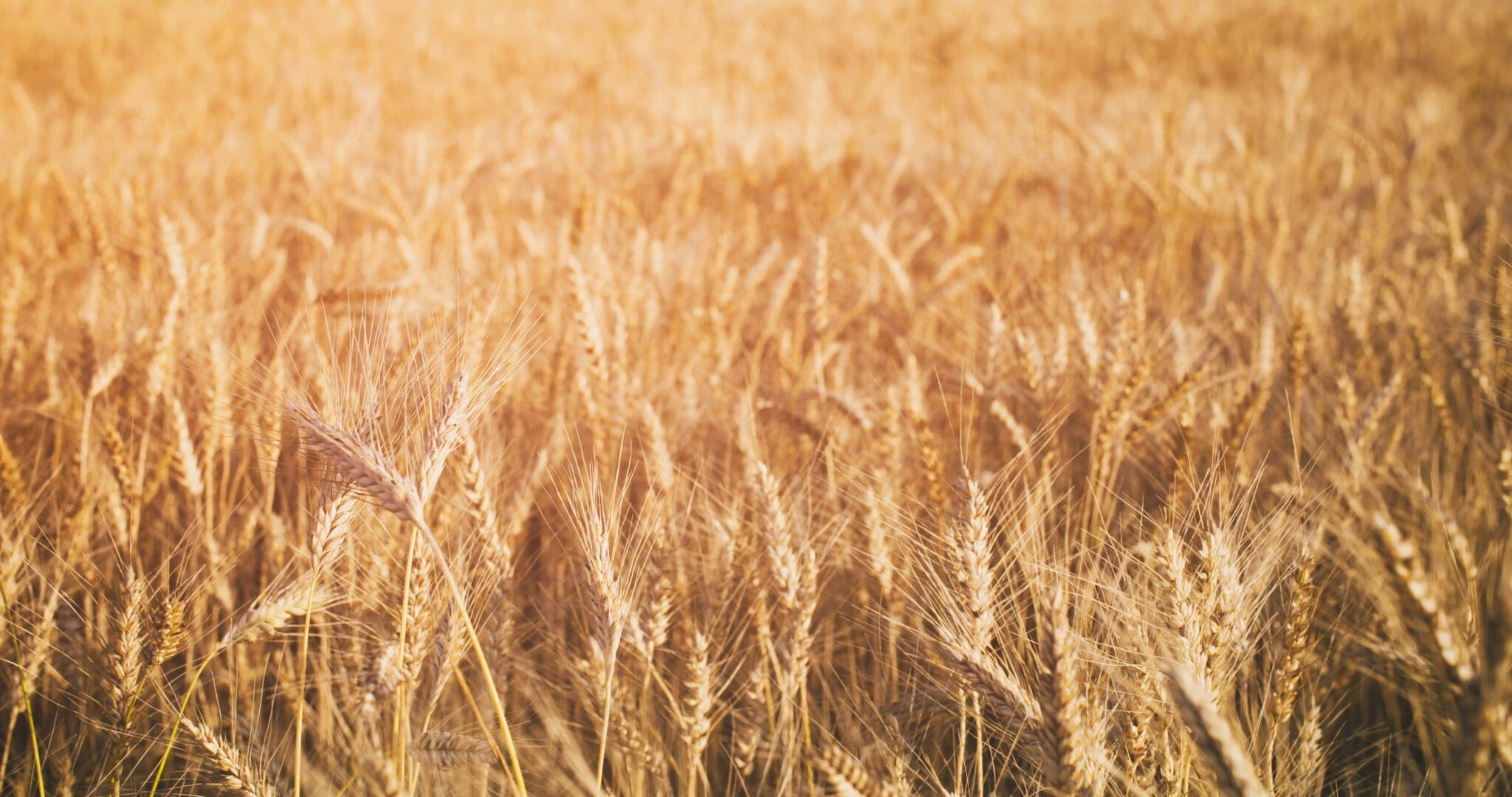
Rye Grain - Secale cereale - Great Basin Seed

4. Mouthfeel and Tannins

Rye contains more tannin-like compounds in its husk. When used in mash for beer or whiskey, these compounds contribute a subtle dryness, making the spirit feel crisp. This is another factor why rye tastes sharper than softer grains like wheat or corn.


Rye in Whiskey: The Classic “Rye Sharpness”

In the United States, “rye whiskey” is legally defined as containing at least 51% rye in the mash. Traditional rye whiskey has long been celebrated for its peppery, bold, and slightly floral taste—qualities that make it stand apart from bourbon, which is sweeter and more vanilla-forward due to its corn-heavy mashbill.

Some signature characteristics of rye whiskey include:

  • Spicy Heat: The phenolic compounds and organic acids contribute to the sense of spice and warmth on the palate.
  • Drying Finish: Tannins and rye’s inherent fibrous structure give the whiskey a slightly drying, crisp finish.
  • Complex Aromatics: Rye whiskey often carries hints of black pepper, caraway, cinnamon, and even nutmeg, all of which stem from the grain’s chemical profile rather than added flavors.

Interestingly, aging in oak barrels can moderate or enhance these characteristics. Young rye whiskey is sharper and more aggressive, while older rye takes on honeyed vanilla tones that balance the initial bite.


Rye in Beer: A Bold Alternative

Rye’s influence isn’t limited to whiskey. Rye malt adds a distinctive flavor to beer styles such as rye ales, saisons, and some IPAs.

  • Spice Notes: Rye in beer contributes earthy and peppery notes. This spice enhances hop bitterness in IPAs and adds complexity to malty beers.
  • Mouthfeel: The pentosans in rye create a slightly viscous, chewy mouthfeel. This makes rye beers feel more substantial without being overly heavy.
  • Foam and Head Retention: Rye also improves beer head retention, giving the beer a fuller foam that traps aroma compounds, which enhances the perception of flavor.

A rye pale ale or rye IPA can be a revelation to drinkers used to standard barley beers—it feels alive, zesty, and vibrant, with a natural “kick” that barley alone rarely delivers.


The Role of Caraway and Other Flavor Pairings

Historically, rye has often been paired with caraway, particularly in bread and spirits. The natural spiciness of rye complements the earthy, slightly anise-like flavor of caraway seeds. This combination enhances the perception of sharpness and adds aromatic complexity.

Even in cocktails, rye whiskey thrives when paired with ingredients that balance its bite:

  • Citrus zest adds brightness to offset the spiciness.
  • Sweet vermouth softens the harsh edges without masking the flavor.
  • Aromatic bitters accentuate the phenolic notes inherent in rye.

This is why classic cocktails like the Manhattan or Sazerac often feature rye as the base spirit—the sharpness is a structural element, not just flavor.


Cultural Perception of Rye’s Sharpness

The Best Everyday Rye Whiskies for Your Home Bar | Alcohol Professor

Interestingly, what we perceive as “sharp” may also be culturally reinforced. Rye has historically been consumed in colder, harsher climates (think Poland, Russia, and parts of the U.S. Northeast). People accustomed to richer, heavier flavors in these regions often value boldness and spice. Over time, this preference has reinforced the cultural idea that rye should taste distinctively sharper than other grains.

It’s a subtle combination of science and tradition: the chemical reality of rye, plus the learned expectation of spice and bite, makes the grain’s sharpness feel pronounced.


Agricultural Factors That Affect Rye Flavor

Not all rye is created equal. The flavor can vary based on growing conditions, harvest timing, and soil composition:

  • Cool Climates: Rye grown in cooler conditions tends to have higher levels of pentosans and phenolics, intensifying the spice.
  • Soil Nutrients: Low nitrogen soils produce rye that is slightly less sweet but more aromatic, which heightens perceived sharpness.
  • Harvest Timing: Earlier harvested rye retains more green, herbaceous notes, while later harvests develop deeper, earthy flavors.

These subtle agricultural differences are why two rye whiskeys or beers from the same producer can taste noticeably different year to year.


Modern Innovation in Rye Processing

Today, distillers and brewers experiment with rye in ways that amplify or soften its natural sharpness:

  • Malting Techniques: Adjusting germination time and kiln temperature changes the balance of sugars, enzymes, and phenolics.
  • Mashing Methods: Step mashing or decoction can enhance certain spicy notes while reducing harsh astringency.
  • Barrel Selection: Rye aged in new oak emphasizes spice, while rye aged in used barrels or barrels with lighter char can smooth the profile.

These techniques give producers the ability to dial in exactly how “sharp” they want the final product to taste.


Rye vs. Wheat vs. Corn: Flavor in Spirits

A practical way to understand rye’s sharpness is to compare it directly to wheat and corn in whiskey production:

  1. Corn (Bourbon): Sweet, smooth, mellow. Aromas of vanilla, caramel, and honey dominate. Very little “spice.”
  2. Wheat (Wheated Bourbon): Soft, slightly sweet, approachable. Gentle spice, usually overshadowed by the creamy mouthfeel.
  3. Rye: Bold, peppery, dry finish. Aromatic complexity, spiciness, and a noticeable bite.

Even when all three are aged in the same barrel type, rye’s unique chemistry ensures it stands apart. That is why bartenders often choose rye when the cocktail requires backbone and structure.


Psychological Perception: Why “Sharp” Feels Different

Our perception of sharpness is not purely chemical. Several psychological factors influence how we experience rye:

  • Spice Sensitivity: People detect phenols and tannins differently. Those with higher sensitivity may find rye intense, even when technically moderate.
  • Expectations: If you’ve been told rye is “spicy” or “sharp,” your brain accentuates those notes.
  • Contrast with Sweetness: Rye’s naturally lower sweetness highlights its acids and phenols, making the tongue register the flavor as sharper compared to sweeter spirits or beers.

This interplay between chemistry and perception is why rye is often described in almost tactile terms—“crisp,” “grippy,” or “peppery.”


The Culinary Connection: Rye Beyond Beverages

Rye’s sharpness isn’t limited to drinks. In baking, its natural bite pairs well with:

  • Savory Ingredients: Rye bread with cheese or smoked meats feels balanced because the grain’s spice counteracts richness.
  • Fermented Foods: Sauerkraut, pickles, and fermented sausages match rye’s complexity, enhancing the overall sensory experience.
  • Condiments: Mustard, horseradish, and caraway highlight the spice inherent in rye.

This versatility shows that rye’s “sharpness” is a multi-sensory phenomenon, enhancing taste through interaction with other flavors and textures.


Conclusion

Rye tastes sharper than other grains because of a unique combination of chemistry, agriculture, processing, and perception. Its phenolic compounds, organic acids, pentosans, and tannins create spice, dryness, and bite. Fermentation and aging amplify these flavors, giving rye whiskey, rye beer, and rye bread their signature character. Cultural expectations, psychological perception, and culinary pairings further enhance the experience, making rye one of the most distinctive and versatile grains in the world.

Whether in a cocktail, a craft beer, or a slice of pumpernickel, rye delivers boldness, spice, and a complexity that other grains simply cannot replicate. Its “sharpness” is not a flaw but a feature—one that has earned rye its place in both history and modern taste culture.


Tags: fermentationflavorgrain spiritsrye whiskey
ShareTweetShare

Related Posts

Can Beer Be an Effective Ingredient in Culinary Cooking?
ALL

Can Beer Be an Effective Ingredient in Culinary Cooking?

January 22, 2026
Second Fermentation in Champagne: Is It Really That Crucial?
ALL

Second Fermentation in Champagne: Is It Really That Crucial?

January 22, 2026
How Do Different Grains Impact the Flavor Profile of Distilled Spirits?
ALL

How Do Different Grains Impact the Flavor Profile of Distilled Spirits?

January 22, 2026
How Do Whiskey Master Blenders Create Perfection?
ALL

How Do Whiskey Master Blenders Create Perfection?

January 22, 2026
Wine Pairings: Can They Change the Flavor Profile of a Dish?
ALL

Wine Pairings: Can They Change the Flavor Profile of a Dish?

January 22, 2026
Beer the Ultimate Beverage for Pairing with Spicy Food?
ALL

Beer the Ultimate Beverage for Pairing with Spicy Food?

January 21, 2026
Leave Comment
  • Trending
  • Comments
  • Latest
What Hidden Craftsmanship Lies Behind a Bottle of Quality Grain Spirits?

What Hidden Craftsmanship Lies Behind a Bottle of Quality Grain Spirits?

July 3, 2025
How Is Champagne Made? The Secrets Behind the Sparkle

How Is Champagne Made? The Secrets Behind the Sparkle

April 15, 2025
Grain Spirits vs. Traditional Distilled Spirits: Which One Suits Your Taste?

Grain Spirits vs. Traditional Distilled Spirits: Which One Suits Your Taste?

July 3, 2025
Champagne Bubbles: How Do They Perfectly Convey Celebration, Joy, and Luxury?

Champagne Bubbles: How Do They Perfectly Convey Celebration, Joy, and Luxury?

July 2, 2025
The Timeless Elegance of Wine: A Journey Through History and Culture

The Timeless Elegance of Wine: A Journey Through History and Culture

Why Is Château Lafite Rothschild the Pinnacle of Fine Wine?

Why Is Château Lafite Rothschild the Pinnacle of Fine Wine?

How Did Château Lafite Rothschild Become a Global Icon of Luxury?

How Did Château Lafite Rothschild Become a Global Icon of Luxury?

What Makes Chateau Lafite Rothschild the Pinnacle of Bordeaux Wines?

What Makes Chateau Lafite Rothschild the Pinnacle of Bordeaux Wines?

Can Beer Be an Effective Ingredient in Culinary Cooking?

Can Beer Be an Effective Ingredient in Culinary Cooking?

January 22, 2026
Second Fermentation in Champagne: Is It Really That Crucial?

Second Fermentation in Champagne: Is It Really That Crucial?

January 22, 2026
How Do Different Grains Impact the Flavor Profile of Distilled Spirits?

How Do Different Grains Impact the Flavor Profile of Distilled Spirits?

January 22, 2026
How Do Whiskey Master Blenders Create Perfection?

How Do Whiskey Master Blenders Create Perfection?

January 22, 2026
SipsavorLife

Welcome to our comprehensive beverage guide, where you can explore the fascinating world of alcoholic drinks. From exquisite wines and rich whiskeys to refreshing beers and sparkling champagnes, we provide insights, tips, and recommendations for enthusiasts and casual drinkers alike. Discover your next favorite libation with us!

© 2025 sipsavorlife.com. contacts:sipsavorlife-35376@gmail.com

No Result
View All Result
  • Home
  • Wine
  • Whiskey
  • Beer
  • Grain Spirits
  • Champagne
  • ALL

© 2025 sipsavorlife.com. contacts:sipsavorlife-35376@gmail.com

Welcome Back!

Login to your account below

Forgotten Password?

Retrieve your password

Please enter your username or email address to reset your password.

Log In





