






























SipsavorLife
  • Home
  • Wine
    Wine Pairings: Can They Change the Flavor Profile of a Dish?

    Wine Pairings: Can They Change the Flavor Profile of a Dish?

    How Do Wine Glasses Influence the Tasting Experience?

    How Do Wine Glasses Influence the Tasting Experience?

    Is Organic Wine Healthier Than Conventional Wine?

    Is Organic Wine Healthier Than Conventional Wine?

    Why Do Some Wines Taste Better from Specific Vintages?

    Why Do Some Wines Taste Better from Specific Vintages?

    Wine Tasting: Can It Truly Be an Art Form?

    Wine Tasting: Can It Truly Be an Art Form?

    What Does Terroir Actually Mean for Your Wine?

    What Does Terroir Actually Mean for Your Wine?

  • Whiskey
    Can Beer Be an Effective Ingredient in Culinary Cooking?

    Can Beer Be an Effective Ingredient in Culinary Cooking?

    Second Fermentation in Champagne: Is It Really That Crucial?

    Second Fermentation in Champagne: Is It Really That Crucial?

    How Do Different Grains Impact the Flavor Profile of Distilled Spirits?

    How Do Different Grains Impact the Flavor Profile of Distilled Spirits?

    How Do Whiskey Master Blenders Create Perfection?

    How Do Whiskey Master Blenders Create Perfection?

    Wine Pairings: Can They Change the Flavor Profile of a Dish?

    Wine Pairings: Can They Change the Flavor Profile of a Dish?

    Beer the Ultimate Beverage for Pairing with Spicy Food?

    Beer the Ultimate Beverage for Pairing with Spicy Food?

  • Beer
    Can Beer Be an Effective Ingredient in Culinary Cooking?

    Can Beer Be an Effective Ingredient in Culinary Cooking?

    Beer the Ultimate Beverage for Pairing with Spicy Food?

    Beer the Ultimate Beverage for Pairing with Spicy Food?

    How Did Ancient Civilizations Brew Beer Without Modern Technology?

    How Did Ancient Civilizations Brew Beer Without Modern Technology?

    Is It Possible to Brew a Beer with No Alcohol and No Compromise on Taste?

    Is It Possible to Brew a Beer with No Alcohol and No Compromise on Taste?

    Why Does Beer Taste Different at High Altitudes?

    Why Does Beer Taste Different at High Altitudes?

    Is Hops the Secret Ingredient Behind Beer’s Bold Flavor?

    Is Hops the Secret Ingredient Behind Beer’s Bold Flavor?

  • Grain Spirits
    How Do Different Grains Impact the Flavor Profile of Distilled Spirits?

    How Do Different Grains Impact the Flavor Profile of Distilled Spirits?

    Grain Spirits the Unsung Heroes of Modern Mixology

    Grain Spirits the Unsung Heroes of Modern Mixology

    What Makes Grain-Based Whiskey So Different from Its Peated Cousins?

    What Makes Grain-Based Whiskey So Different from Its Peated Cousins?

    Grain Spirits: Could They Be the Next Big Trend in Craft Cocktails?

    Grain Spirits: Could They Be the Next Big Trend in Craft Cocktails?

    Why Are Grain Spirits Often Overlooked in the World of Fine Liquor?

    Why Are Grain Spirits Often Overlooked in the World of Fine Liquor?

    Is There a Secret Art to Distilling Grain Spirits?

    Is There a Secret Art to Distilling Grain Spirits?

  • Champagne
    Second Fermentation in Champagne: Is It Really That Crucial?

    Second Fermentation in Champagne: Is It Really That Crucial?

    The Science Behind the ‘Bubble Size’ in Champagne

    The Science Behind the ‘Bubble Size’ in Champagne

    Why Do Some Champagnes Use a High Proportion of Pinot Meunier?

    Why Do Some Champagnes Use a High Proportion of Pinot Meunier?

    Role of Terroir in Champagne Production

    Role of Terroir in Champagne Production

    Champagne Can Be Aged in Wood?

    Champagne Can Be Aged in Wood?

    Is There a Difference Between Blanc de Blancs and Blanc de Noirs Champagne?

    Is There a Difference Between Blanc de Blancs and Blanc de Noirs Champagne?

  • ALL
    Can Beer Be an Effective Ingredient in Culinary Cooking?

    Can Beer Be an Effective Ingredient in Culinary Cooking?

    Second Fermentation in Champagne: Is It Really That Crucial?

    Second Fermentation in Champagne: Is It Really That Crucial?

    How Do Different Grains Impact the Flavor Profile of Distilled Spirits?

    How Do Different Grains Impact the Flavor Profile of Distilled Spirits?

    How Do Whiskey Master Blenders Create Perfection?

    How Do Whiskey Master Blenders Create Perfection?

    Wine Pairings: Can They Change the Flavor Profile of a Dish?

    Wine Pairings: Can They Change the Flavor Profile of a Dish?

    Beer the Ultimate Beverage for Pairing with Spicy Food?

    Beer the Ultimate Beverage for Pairing with Spicy Food?

SipsavorLife
  • Home
  • Wine
    Wine Pairings: Can They Change the Flavor Profile of a Dish?

    Wine Pairings: Can They Change the Flavor Profile of a Dish?

    How Do Wine Glasses Influence the Tasting Experience?

    How Do Wine Glasses Influence the Tasting Experience?

    Is Organic Wine Healthier Than Conventional Wine?

    Is Organic Wine Healthier Than Conventional Wine?

    Why Do Some Wines Taste Better from Specific Vintages?

    Why Do Some Wines Taste Better from Specific Vintages?

    Wine Tasting: Can It Truly Be an Art Form?

    Wine Tasting: Can It Truly Be an Art Form?

    What Does Terroir Actually Mean for Your Wine?

    What Does Terroir Actually Mean for Your Wine?

  • Whiskey
    Can Beer Be an Effective Ingredient in Culinary Cooking?

    Can Beer Be an Effective Ingredient in Culinary Cooking?

    Second Fermentation in Champagne: Is It Really That Crucial?

    Second Fermentation in Champagne: Is It Really That Crucial?

    How Do Different Grains Impact the Flavor Profile of Distilled Spirits?

    How Do Different Grains Impact the Flavor Profile of Distilled Spirits?

    How Do Whiskey Master Blenders Create Perfection?

    How Do Whiskey Master Blenders Create Perfection?

    Wine Pairings: Can They Change the Flavor Profile of a Dish?

    Wine Pairings: Can They Change the Flavor Profile of a Dish?

    Beer the Ultimate Beverage for Pairing with Spicy Food?

    Beer the Ultimate Beverage for Pairing with Spicy Food?

  • Beer
    Can Beer Be an Effective Ingredient in Culinary Cooking?

    Can Beer Be an Effective Ingredient in Culinary Cooking?

    Beer the Ultimate Beverage for Pairing with Spicy Food?

    Beer the Ultimate Beverage for Pairing with Spicy Food?

    How Did Ancient Civilizations Brew Beer Without Modern Technology?

    How Did Ancient Civilizations Brew Beer Without Modern Technology?

    Is It Possible to Brew a Beer with No Alcohol and No Compromise on Taste?

    Is It Possible to Brew a Beer with No Alcohol and No Compromise on Taste?

    Why Does Beer Taste Different at High Altitudes?

    Why Does Beer Taste Different at High Altitudes?

    Is Hops the Secret Ingredient Behind Beer’s Bold Flavor?

    Is Hops the Secret Ingredient Behind Beer’s Bold Flavor?

  • Grain Spirits
    How Do Different Grains Impact the Flavor Profile of Distilled Spirits?

    How Do Different Grains Impact the Flavor Profile of Distilled Spirits?

    Grain Spirits the Unsung Heroes of Modern Mixology

    Grain Spirits the Unsung Heroes of Modern Mixology

    What Makes Grain-Based Whiskey So Different from Its Peated Cousins?

    What Makes Grain-Based Whiskey So Different from Its Peated Cousins?

    Grain Spirits: Could They Be the Next Big Trend in Craft Cocktails?

    Grain Spirits: Could They Be the Next Big Trend in Craft Cocktails?

    Why Are Grain Spirits Often Overlooked in the World of Fine Liquor?

    Why Are Grain Spirits Often Overlooked in the World of Fine Liquor?

    Is There a Secret Art to Distilling Grain Spirits?

    Is There a Secret Art to Distilling Grain Spirits?

  • Champagne
    Second Fermentation in Champagne: Is It Really That Crucial?

    Second Fermentation in Champagne: Is It Really That Crucial?

    The Science Behind the ‘Bubble Size’ in Champagne

    The Science Behind the ‘Bubble Size’ in Champagne

    Why Do Some Champagnes Use a High Proportion of Pinot Meunier?

    Why Do Some Champagnes Use a High Proportion of Pinot Meunier?

    Role of Terroir in Champagne Production

    Role of Terroir in Champagne Production

    Champagne Can Be Aged in Wood?

    Champagne Can Be Aged in Wood?

    Is There a Difference Between Blanc de Blancs and Blanc de Noirs Champagne?

    Is There a Difference Between Blanc de Blancs and Blanc de Noirs Champagne?

  • ALL
    Can Beer Be an Effective Ingredient in Culinary Cooking?

    Can Beer Be an Effective Ingredient in Culinary Cooking?

    Second Fermentation in Champagne: Is It Really That Crucial?

    Second Fermentation in Champagne: Is It Really That Crucial?

    How Do Different Grains Impact the Flavor Profile of Distilled Spirits?

    How Do Different Grains Impact the Flavor Profile of Distilled Spirits?

    How Do Whiskey Master Blenders Create Perfection?

    How Do Whiskey Master Blenders Create Perfection?

    Wine Pairings: Can They Change the Flavor Profile of a Dish?

    Wine Pairings: Can They Change the Flavor Profile of a Dish?

    Beer the Ultimate Beverage for Pairing with Spicy Food?

    Beer the Ultimate Beverage for Pairing with Spicy Food?

SipsavorLife
No Result
View All Result
Home ALL

Are All Bubbles Equal in Champagne?

January 6, 2026
in ALL, Champagne
Are All Bubbles Equal in Champagne?

Champagne is more than just a celebratory drink—it’s a sensory experience, an art form, and a science all rolled into one sparkling glass. At first glance, a flute of bubbly seems uniform, with tiny, effervescent pearls rising to the surface in a mesmerizing dance. But look closer, and the story becomes far more complex. Not all bubbles in Champagne are equal. The size, speed, persistence, and even the way they interact with your senses can vary depending on multiple factors—from the vineyard where the grapes were grown, to the intricacies of fermentation, to the glass in which it’s served. Understanding the world of Champagne bubbles is a journey that blends physics, chemistry, gastronomy, and a touch of poetry.

The Birth of a Bubble: From Grape to Glass

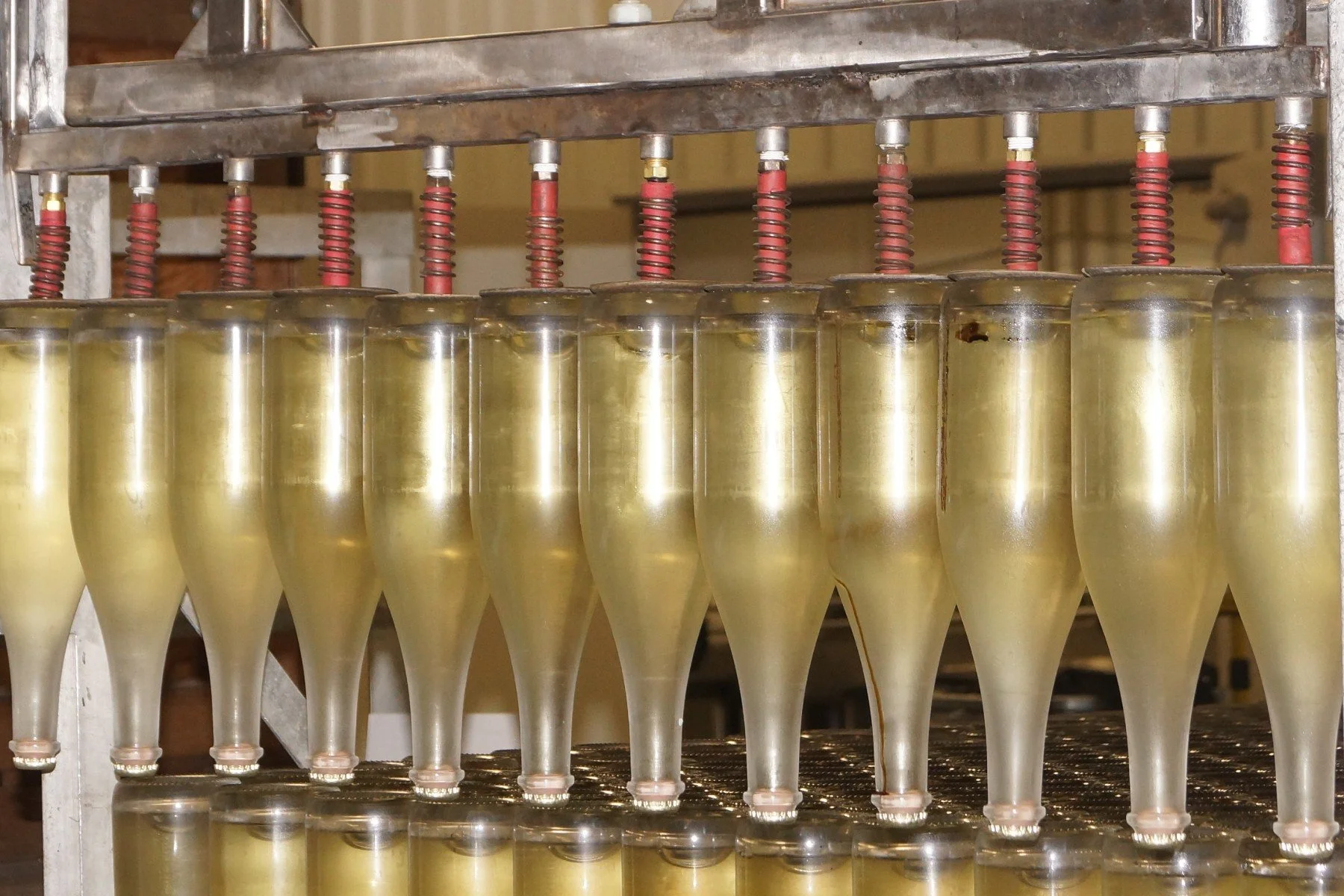
Every bubble in Champagne begins its life as carbon dioxide, a byproduct of fermentation. When grapes are pressed and their juice is allowed to ferment, yeast consumes sugars, producing alcohol and carbon dioxide. In still wines, this gas escapes into the air, leaving no trace. But Champagne, by definition, is a sparkling wine, and it undergoes a secondary fermentation in a sealed bottle—a process known as méthode champenoise or traditional method. This is where the magic begins.

During the secondary fermentation, yeast and sugar are added to the base wine inside the bottle. As the yeast consumes the sugar, carbon dioxide is trapped because the bottle is sealed. The pressure builds up—up to six atmospheres, roughly the same as a car tire. That pressure is what gives Champagne its effervescence, and each tiny bubble is a microcosm of this controlled explosion.

Not all bubbles are created equal at this stage. Factors such as the yeast strain, fermentation temperature, and sugar content affect the volume and quality of carbon dioxide produced. A slow, controlled fermentation tends to produce smaller, finer bubbles, while rapid fermentation can lead to larger, coarser ones. This is the first hint that Champagne’s sparkle is as much a craft as its flavor.

Bubble Size: Small vs. Large

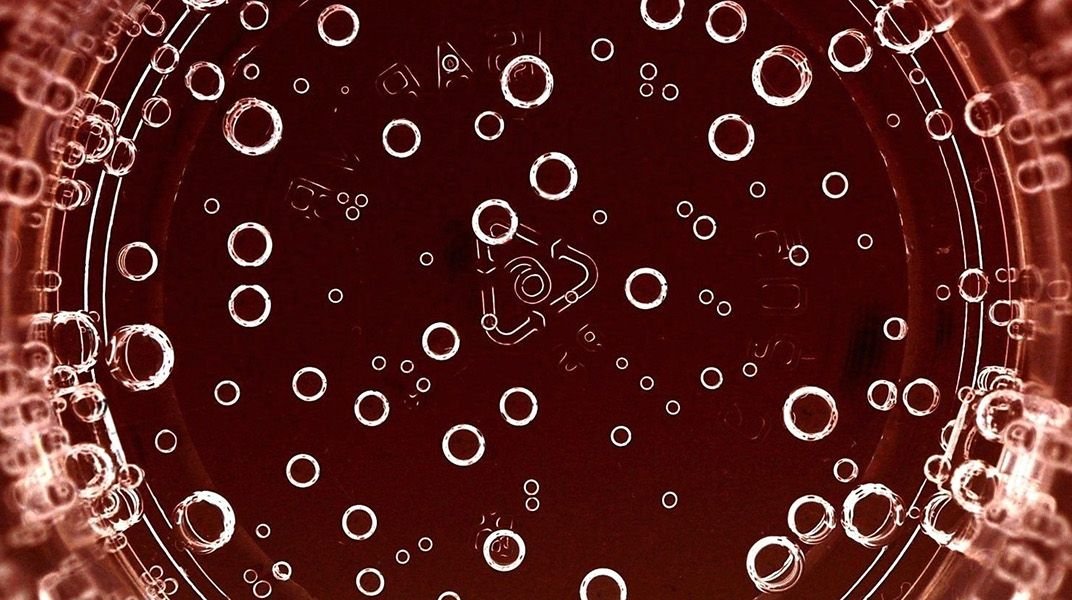
If you ever watch Champagne being poured, you’ll notice bubbles of different sizes. Large bubbles tend to rise faster, carrying aromas and flavors with them but dissipating quickly at the surface. Small bubbles, often called “fine bubbles,” rise more slowly and persist longer, creating a silky texture on the palate.

Fine bubbles are generally considered superior in high-quality Champagne. They provide a continuous stream that enhances the visual appeal, intensifies aromas, and gives the mouthfeel a creamy sensation. In contrast, larger bubbles can create a more aggressive effervescence, which some might describe as harsh or fizzy.

The size of bubbles is influenced by several factors:

  1. Glass shape – A tall, narrow flute encourages a slower, more concentrated rise of bubbles, making them appear finer and more elegant. Wide coupe glasses disperse bubbles rapidly, leading to larger, less persistent ones.
  2. Temperature – Colder Champagne holds carbon dioxide better, resulting in smaller, more stable bubbles. Warm Champagne loses gas quickly, producing fleeting, larger bubbles.
  3. Surface texture of the glass – Microscopic imperfections, such as scratches or etchings at the bottom of the glass, act as nucleation points where bubbles form. A perfectly smooth glass can reduce the number of bubbles or slow their emergence.

The size and behavior of bubbles are not just aesthetic—they directly impact how Champagne tastes. Smaller bubbles carry aromatic molecules more gently to the nose, allowing subtler notes of citrus, brioche, or almond to be appreciated fully. Larger bubbles tend to deliver aroma in a burst, which can be exciting but less refined.

Bubble Chains and Lacing

Observe a freshly poured glass of Champagne, and you may notice vertical streams of bubbles rising in chains. This isn’t random. Each chain forms around microscopic imperfections on the glass surface, and each bubble slightly disturbs the liquid above, triggering others to follow. This chain effect is part of why Champagne appears so lively.

The path that bubbles follow also affects what sommeliers call “lacing” or the foam residue on the glass. Good Champagne leaves delicate, persistent lacing—a trail that slowly descends the inside of the flute. This is an indicator of fine bubbles and proper acidity. Short-lived or absent lacing often signals coarser bubbles or poor carbonation.

The physics behind this phenomenon is fascinating. Tiny bubbles rise because carbon dioxide is less dense than liquid wine. As they ascend, they expand slightly due to decreasing pressure, which increases their surface area and ability to carry aromatic compounds. When bubbles burst at the surface, they release a microfilm of wine vapor that we perceive as aroma. The size and number of bubbles affect how efficiently this happens.

How Bubble Quality Shapes Flavor Perception

While it might seem that bubbles only contribute to visual appeal or texture, their role in flavor perception is profound. Champagne is inherently acidic, and the effervescence acts as a flavor enhancer. Here’s how:

Champagne Flute vs Coupe: Choosing the Perfect Glass
  1. Aroma release – As bubbles rise and burst, they carry aromatic compounds from the wine into the air, increasing the intensity of perceived aromas.
  2. Mouthfeel – Fine bubbles create a creamy, smooth texture, while coarse bubbles feel prickly or aggressive. The tactile experience changes how sweetness, acidity, and bitterness are interpreted.
  3. Flavor amplification – The sensation of bubbles on the tongue can make the wine taste slightly drier or more acidic than it actually is, altering the perceived balance of flavors.

In other words, two Champagnes with identical grape blends, aging, and sugar levels can taste very different simply because of bubble quality. This is why tasting Champagne is not just about flavor—it’s about texture, aroma, and the dynamic interplay of bubbles.

Terroir, Aging, and Bubble Personality

Every bubble in Champagne carries the essence of its origin. Terroir—the combination of soil, climate, and topography—affects grape composition and, consequently, how fermentation produces carbon dioxide. Grapes from cooler climates often result in higher acidity, which stabilizes bubbles and creates a crisp mouthfeel. Warmer regions may yield more robust bubbles but a slightly softer texture.

Aging also shapes bubble character. Non-vintage Champagnes, designed to be consistent year after year, often have slightly larger bubbles and a lively character. Vintage Champagnes, aged longer on the lees (dead yeast cells), produce smaller, finer bubbles and a creamier texture. The autolysis of yeast cells releases proteins that improve bubble stability and enhance the wine’s complexity.

The way a bottle is disgorged—the removal of sediment after fermentation—also influences bubble formation. A careful, precise disgorgement preserves delicate bubbles, while a rougher process can lead to irregular carbonation. Even the dosage, or sugar added after disgorgement, subtly affects effervescence. Higher sugar content increases viscosity, slightly slowing bubble rise and prolonging their lifespan.

The Role of Glassware: Why Shape Matters

Many Champagne enthusiasts insist that the perfect glass is essential for a proper tasting. Science agrees. The shape of the glass determines bubble speed, aroma release, and the visual pleasure of the wine.

  • Flute: Tall and narrow, concentrates bubbles and aromas, allowing for a prolonged visual display and a crisp taste.
  • Tulip: Slightly wider at the bowl, funnels aromas toward the nose while maintaining bubble finesse. Ideal for tasting and appreciating subtle flavors.
  • Coupe: Wide and shallow, historically popular, creates larger, faster-dissipating bubbles, and is less ideal for savoring Champagne’s complexity.

Surface imperfections, such as etched logos or tiny scratches at the base, serve as nucleation sites, giving the bubbles something to cling to and rise from. Some sommeliers even recommend pre-rinsing the glass with water to remove oils, which can cause bubbles to collapse prematurely.
Méthode Champenoise | Sparkling Wines — Sparkling Discoveries

Bubbles and the Celebration Factor

It’s no coincidence that Champagne is the quintessential drink for celebrations. The effervescence is a sensory stimulant, triggering the release of dopamine in the brain. The sight of dancing bubbles, the gentle fizz on the tongue, and the aroma released in bursts all contribute to a sense of joy and excitement.

Interestingly, the psychology of bubbles matters. Studies show that fine, persistent bubbles are perceived as more luxurious, while larger, aggressive bubbles can feel cheap or artificial. This perception is why high-end Champagne houses invest heavily in both winemaking precision and glassware design. Every tiny bubble becomes a messenger of elegance and refinement.

Common Misconceptions About Bubbles

There are several myths about Champagne bubbles that deserve debunking:

  1. More bubbles = better Champagne: Not true. Excessive bubbles can indicate over-carbonation or mechanical agitation, which may compromise flavor. Quality is measured by fineness and persistence, not quantity.
  2. All bubbles are the same size: As we’ve seen, bubble size varies widely and affects aroma, mouthfeel, and flavor perception.
  3. Bubble speed doesn’t matter: Fast-rising bubbles often carry less aroma and can feel harsh. Slow, fine bubbles are generally preferable.

Understanding these nuances can dramatically improve how you select, serve, and enjoy Champagne.

Bubble Science: The Chemistry Behind Effervescence

From a chemical perspective, Champagne bubbles are fascinating. Each bubble contains carbon dioxide in both gaseous and dissolved states. The solubility of CO₂ in wine depends on pressure, temperature, and alcohol content. When the bottle is opened, pressure drops, and CO₂ escapes, forming bubbles.

The presence of proteins, polysaccharides, and other compounds from grapes and yeast affects bubble stability. Proteins can stabilize the bubble’s thin film, preventing it from popping too quickly. The wine’s acidity also plays a role: higher acidity strengthens the bubble’s walls, increasing lifespan and persistence.

In short, Champagne effervescence is a delicate interplay of physics, chemistry, and winemaking artistry—a microcosm of science in every sip.

Serving Tips to Preserve Bubble Integrity

If you want to enjoy Champagne at its fizziest and finest:

  • Chill it properly: 6–8°C (43–46°F) is ideal. Too cold dulls aromas; too warm makes bubbles escape quickly.
  • Use the right glass: A tulip or flute highlights fine bubbles and aroma.
  • Pour carefully: Tilt the glass and pour slowly down the side to preserve bubble structure.
  • Avoid agitation: Shaking or moving the bottle vigorously will produce larger, short-lived bubbles.

Proper serving maximizes not only visual pleasure but also flavor and mouthfeel.

The Future of Champagne Bubbles

Winemakers continue to experiment with bubble technology, using techniques like extended lees aging, alternative yeast strains, and novel glass designs. Some producers even measure bubble size with precision instruments to ensure consistency across bottles. The goal is to create the perfect bubble experience—one that is as visually stunning as it is sensorially satisfying.

There’s also growing interest in understanding how bubbles interact with food. Champagne pairs beautifully with fried foods, salty snacks, and creamy desserts. The effervescence cuts through richness and elevates flavors, making every bite more exciting. In this way, bubbles are not just decoration—they are active participants in the gastronomic experience.

Conclusion: Not All Bubbles Are Equal

The next time you raise a glass of Champagne, remember: every bubble has a story. From vineyard to glass, bubble formation is influenced by terroir, grape composition, fermentation, aging, glass shape, and even serving temperature. Fine bubbles elevate aroma, enhance mouthfeel, and amplify flavor, while coarse bubbles can feel aggressive and fleeting. The beauty of Champagne lies not just in its taste but in its liveliness, its sparkle, and its scientific artistry.

So, are all bubbles equal in Champagne? Absolutely not. And understanding the subtle differences can transform the simple act of drinking Champagne into a full sensory adventure. From the first rise of a tiny pearl at the bottom of the flute to the final lingering lacing on the glass, every bubble matters—and none are truly the same.


Tags: champagneflavorsparkling winevintage Champagne
ShareTweetShare

Related Posts

Can Beer Be an Effective Ingredient in Culinary Cooking?
ALL

Can Beer Be an Effective Ingredient in Culinary Cooking?

January 22, 2026
Second Fermentation in Champagne: Is It Really That Crucial?
ALL

Second Fermentation in Champagne: Is It Really That Crucial?

January 22, 2026
How Do Different Grains Impact the Flavor Profile of Distilled Spirits?
ALL

How Do Different Grains Impact the Flavor Profile of Distilled Spirits?

January 22, 2026
How Do Whiskey Master Blenders Create Perfection?
ALL

How Do Whiskey Master Blenders Create Perfection?

January 22, 2026
Wine Pairings: Can They Change the Flavor Profile of a Dish?
ALL

Wine Pairings: Can They Change the Flavor Profile of a Dish?

January 22, 2026
Beer the Ultimate Beverage for Pairing with Spicy Food?
ALL

Beer the Ultimate Beverage for Pairing with Spicy Food?

January 21, 2026
Leave Comment
  • Trending
  • Comments
  • Latest
What Hidden Craftsmanship Lies Behind a Bottle of Quality Grain Spirits?

What Hidden Craftsmanship Lies Behind a Bottle of Quality Grain Spirits?

July 3, 2025
How Is Champagne Made? The Secrets Behind the Sparkle

How Is Champagne Made? The Secrets Behind the Sparkle

April 15, 2025
Grain Spirits vs. Traditional Distilled Spirits: Which One Suits Your Taste?

Grain Spirits vs. Traditional Distilled Spirits: Which One Suits Your Taste?

July 3, 2025
Champagne Bubbles: How Do They Perfectly Convey Celebration, Joy, and Luxury?

Champagne Bubbles: How Do They Perfectly Convey Celebration, Joy, and Luxury?

July 2, 2025
The Timeless Elegance of Wine: A Journey Through History and Culture

The Timeless Elegance of Wine: A Journey Through History and Culture

Why Is Château Lafite Rothschild the Pinnacle of Fine Wine?

Why Is Château Lafite Rothschild the Pinnacle of Fine Wine?

How Did Château Lafite Rothschild Become a Global Icon of Luxury?

How Did Château Lafite Rothschild Become a Global Icon of Luxury?

What Makes Chateau Lafite Rothschild the Pinnacle of Bordeaux Wines?

What Makes Chateau Lafite Rothschild the Pinnacle of Bordeaux Wines?

Can Beer Be an Effective Ingredient in Culinary Cooking?

Can Beer Be an Effective Ingredient in Culinary Cooking?

January 22, 2026
Second Fermentation in Champagne: Is It Really That Crucial?

Second Fermentation in Champagne: Is It Really That Crucial?

January 22, 2026
How Do Different Grains Impact the Flavor Profile of Distilled Spirits?

How Do Different Grains Impact the Flavor Profile of Distilled Spirits?

January 22, 2026
How Do Whiskey Master Blenders Create Perfection?

How Do Whiskey Master Blenders Create Perfection?

January 22, 2026
SipsavorLife

Welcome to our comprehensive beverage guide, where you can explore the fascinating world of alcoholic drinks. From exquisite wines and rich whiskeys to refreshing beers and sparkling champagnes, we provide insights, tips, and recommendations for enthusiasts and casual drinkers alike. Discover your next favorite libation with us!

© 2025 sipsavorlife.com. contacts:sipsavorlife-35376@gmail.com

No Result
View All Result
  • Home
  • Wine
  • Whiskey
  • Beer
  • Grain Spirits
  • Champagne
  • ALL

© 2025 sipsavorlife.com. contacts:sipsavorlife-35376@gmail.com

Welcome Back!

Login to your account below

Forgotten Password?

Retrieve your password

Please enter your username or email address to reset your password.

Log In





